Hunting Hawaii Land Trust Property
Navigating the diverse landscape of hunting opportunities in Hawaii can feel like a maze, especially when you start looking beyond the familiar state-managed public hunting units. Many hunters, both kama'aina and visitors, often wonder about the possibility of hunting on land managed by organizations like the Hawaii Land Trust, assuming "conservation land" might mean accessible land. This guide will shed light on what hunting Hawaii Land Trust property truly entails, clarifying the realities, the limited opportunities, and the steps you'd need to take if such an opportunity ever arises.
Understanding Hawaii Land Trusts and Their Core Mission
When we talk about a "Land Trust" in Hawaii, we're generally referring to non-profit organizations dedicated to the conservation of land, often with a focus on preserving natural, cultural, agricultural, or scenic resources. These lands are typically acquired through donations, purchases, or conservation easements, and they are managed for long-term protection, not necessarily for public recreation in the same way a state park or a public hunting unit might be. Their primary goal is stewardship, ensuring the health and integrity of these unique ecosystems for future generations.
This core mission of conservation often means that public access, especially for activities like hunting, is highly restricted, if not entirely prohibited. Unlike state-managed game management areas where hunting is an explicit tool for population control and recreation, Land Trusts often prioritize the protection of native flora and fauna from invasive species. While game animals like feral pigs, goats, and Axis deer are indeed invasive, the methods and extent of their control on these properties are carefully considered and often executed by staff or approved contractors rather than through general public hunting programs. It's a different management philosophy entirely.
Sometimes, a Land Trust might hold an easement on private land, which means they hold certain development rights, but the land itself remains private. In these cases, the hunting access would be entirely at the discretion of the private landowner, even if the Land Trust has a stake in the conservation of the property. This adds another layer of complexity, making direct communication with both the landowner and the Land Trust essential. These aren't your typical walk-in hunting areas, and showing up with a rifle without explicit permission will certainly lead to issues.
The Reality of Hunting Access on Land Trust Properties
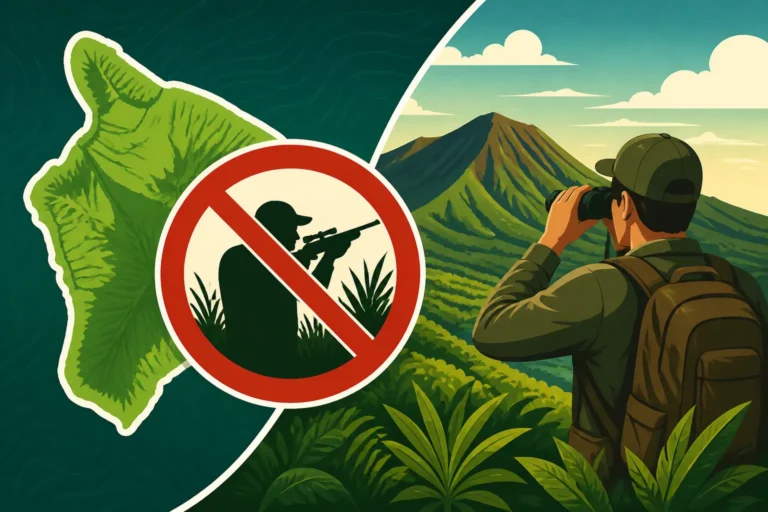
Let's be upfront: general public hunting opportunities on Hawaii Land Trust properties are extremely rare. The vast majority of these lands are either closed to hunting entirely or managed with very specific, controlled programs that do not involve public permits or open seasons. It's a common misconception that all conserved land is open to all forms of public access. In reality, conservation often means limiting human impact to protect sensitive ecological or cultural sites.
For instance, a Land Trust might be protecting a delicate native forest bird habitat, or a historic Hawaiian cultural site. Introducing public hunting, even with the best intentions, could inadvertently disturb these sensitive areas. Any animal control activities on these properties are typically carried out by trained staff or specific contractors who understand the nuances of the particular ecosystem and the delicate balance required. They might use traps, snares, or targeted removal by qualified individuals, rather than opening it up to a broad hunting season.
If by some rare chance a Hawaii Land Trust property does allow some form of hunting, it would almost certainly be under very strict conditions. This could involve highly limited permits issued directly by the trust, specific weapon restrictions, designated access points, and often, a requirement for guided hunts or accompanying staff to ensure adherence to conservation protocols. You wouldn't find these opportunities listed alongside state-issued permits on sites like GoHunt, for example. You'd need to go directly to the Land Trust itself.
How to Investigate Potential Opportunities and the Permit Process
If you're truly interested in exploring whether a specific Hawaii Land Trust property might offer any hunting access, your first and most critical step is direct communication. Do not assume anything. Do not trespass. Instead, research the specific Land Trust that manages the property you are interested in. Many Land Trusts in Hawaii have websites detailing their properties and conservation efforts.
Look for contact information and reach out politely to inquire about their policies on hunting or animal management. Be clear about your intentions and demonstrate an understanding of their conservation mission. Ask if they have any programs for managing invasive game species through hunting, or if they partner with any government agencies like the Hawaii Division of Forestry and Wildlife (DOFAW) that might facilitate such access. Remember, most of the time, the answer will be no, but it never hurts to ask respectfully.
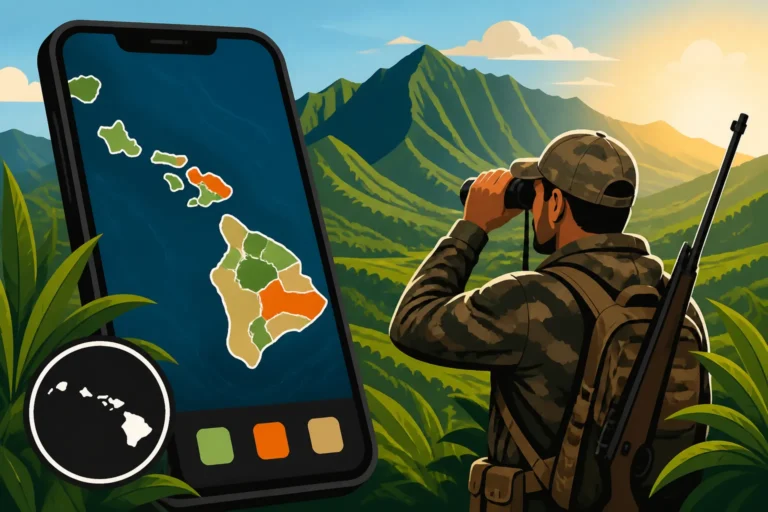
If, by a slim chance, a Land Trust indicates that controlled hunting is occasionally permitted, be prepared for a rigorous application or vetting process. This won't be like buying a standard hunting license or applying for a regular Hawaii Drawn Hunt Application Process. You'd likely need to demonstrate not only your hunting proficiency but also a deep commitment to conservation ethics, a willingness to follow extremely strict rules, and perhaps even participate in volunteer efforts on the property. Access is a privilege, not a right, on these lands. Tools like onX Hunt can be incredibly helpful for identifying specific property boundaries and land ownership, which is crucial before you even consider making contact. Knowing exactly who owns and manages the parcel you're looking at is step one.
Responsible Hunting and Respecting Conservation Goals
Even if you were to gain access to a Hawaii Land Trust property for hunting, your responsibility would extend far beyond typical hunting ethics. These lands are managed for critical conservation values, which means every action you take needs to align with those values. This includes a heightened awareness of sensitive habitats, cultural sites, and the presence of protected native species that may co-exist with game animals.
For example, a Land Trust might have strict rules against off-trail travel, even if it means tougher hunting, to prevent the spread of invasive seeds or damage to delicate native plants. You might be required to clean your boots and gear meticulously before entering and exiting the property to prevent unintended biological contamination. The focus shifts from purely harvesting game to being a responsible steward of the land, with game removal being a means to a larger conservation end. Protected Species Hawaii Hunters Must Know are especially vital here, as these lands often harbor rare and endangered flora and fauna.
The table below summarizes some key differences between general public hunting units and Hawaii Land Trust properties when it comes to hunting access:
| Feature | Public Hunting Units (e.g., GMA, Forest Reserve) | Hawaii Land Trust Property |
|---|---|---|
| Primary Management Goal | Game management, recreation, conservation | Ecosystem, cultural, agricultural conservation; stewardship |
| General Hunting Access | Defined seasons, units, permits (e.g., Hawaii's Hunting Units and How They Work) | Highly restricted, often prohibited, or staff-controlled |
| Permit/Application Process | State-managed, online, draws, over-the-counter | Direct with Land Trust, likely rigorous vetting, rare |
| Required Fees | License, stamps, permit-tags (e.g., Hawaii Hunting Licenses and What They Cost) | Potentially unique fees, donations, or membership for access |
| Access Type | Walk-in, 4×4, designated trails | Usually controlled access, guided, or staff accompaniment |
| Game Species Targeted | Axis Deer, Pigs, Goats, Mouflon, Birds | Game control secondary to conservation; targeted removal |
| Rules & Restrictions | DOFAW regulations, unit-specific rules | Land Trust-specific rules, often stricter than state |
| Tools for Information | GoHunt, DOFAW website, Hawaii's Permit-Tag System Works | Land Trust website, direct contact, onX Hunt for boundaries |
Ultimately, while the allure of hunting pristine, conserved lands is understandable, the reality in Hawaii is that these properties are managed with a different purpose in mind. While Getting Onto Hawaii Private Land is possible through ranches and guides, land trusts have a unique model. Opportunities for public hunting on Hawaii Land Trust property are exceptionally rare and require an extraordinary level of due diligence and respect for their conservation mission. Your best bet for hunting in Hawaii will almost always be through the established public hunting units managed by the state, where your license and permits directly support the management of those game populations and their habitats. Always check Hawaii's Rules on Trespass and Closed Area Rules before stepping foot on any land you're unsure about.
Disclaimer
This article is for general informational purposes only and does not constitute professional advice. Laws, prices and regulations vary by location and change over time. Consult a qualified professional for guidance on your specific situation.