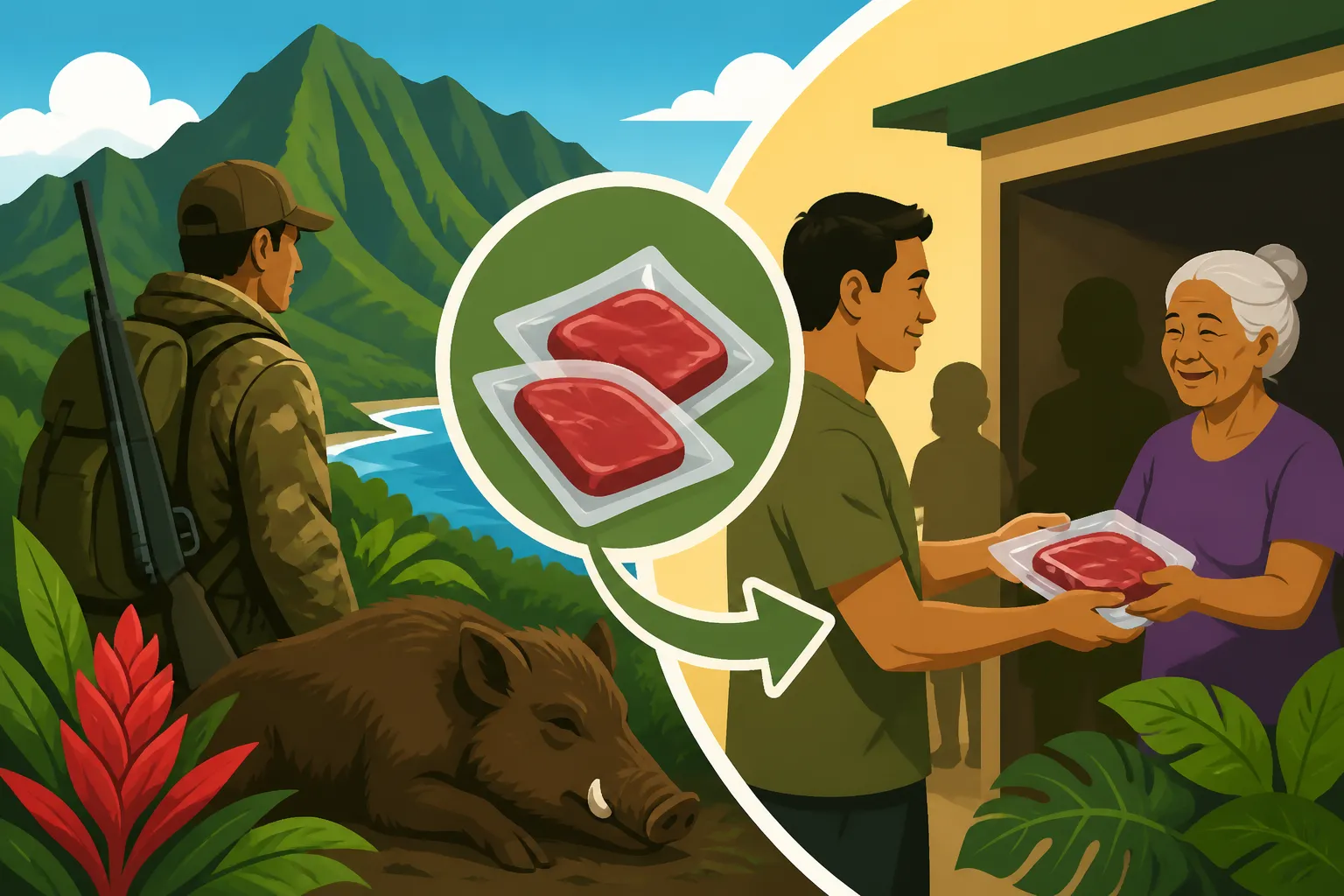
Donating Meat You Cannot Take Home
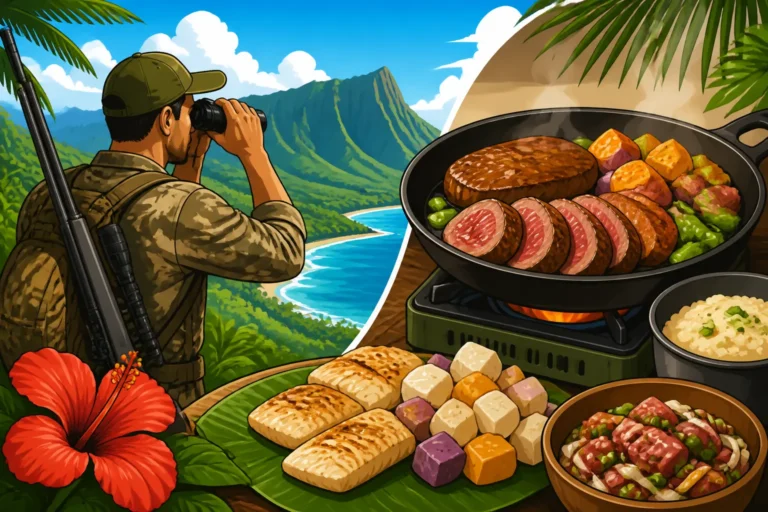
You’ve just had an incredible hunt in Hawaii, perhaps a challenging stalk for an Axis deer on Maui or a tough retrieve of a feral pig from a deep gulch on the Big Island. The freezer is looking full back home, but now you're faced with a common dilemma: what do you do with the extra game meat when you can't realistically transport it all back or simply have more than you can personally consume? It’s a real challenge, especially for those visiting from out of state or even inter-island. This guide is all about navigating those practicalities and showing you how to responsibly and generously donate any excess game meat, ensuring your hard-earned harvest doesn't go to waste.
The Reality of Hunting in Paradise: More Meat Than You Can Carry
Hunting in Hawaii is a unique experience, offering opportunities for diverse game in breathtaking landscapes. But with every successful hunt comes the responsibility of handling your harvest, and sometimes, that means facing the logistical hurdles of too much meat. It’s a good problem to have, of course, but a problem nonetheless when you’re far from home or simply limited on freezer space.
Why Hunters Face This Dilemma in Hawaii
Picture this: you've planned a multi-day hunt on Lanai for Axis deer, and you've managed to fill your tag early with a fantastic buck. You might have another week left on your trip, staying in a vacation rental with a small fridge/freezer, or you're flying out in a couple of days. Suddenly, the reality of processing, packing, and potentially Shipping Meat Home From Hawaii sets in. The costs and logistics of insulated coolers, dry ice, and airline regulations can quickly add up, making it impractical to transport every pound of delicious venison. The same goes for a successful Pig Hunting With Dogs in Hawaii trip on Oahu; a good-sized boar can yield a lot of meat, far more than a single hunter might be able to handle, especially if they’re staying at a hotel.
Another common scenario involves hunters who live on one island but hunt on another. Perhaps you live on Oahu but drew a tag for Mouflon on Hawaii Island. You might have a cooler packed, but an exceptionally large ram could easily exceed your planned capacity, particularly when considering the drive to the airport, inter-island flight, and then the final leg home. It's a logistical puzzle many hunters face, and it's essential to have a plan B that honors the animal and provides sustenance to others.
The Ethical Imperative to Utilize Your Harvest
As hunters, we share a deep respect for the animals we pursue and the wild places they inhabit. Part of that respect, a core ethical principle really, is ensuring that the meat from our harvest is utilized to its fullest extent. Wasting game meat is antithetical to why most of us hunt in the first place. It goes against the spirit of conservation and responsible resource management. When you can't consume or store all the meat yourself, donating it becomes a powerful way to uphold these values. It transforms a potential logistical headache into an act of community support and sustainable living.
Think about the effort involved in your hunt – the scouting, the early mornings, the physical exertion, and the shot placement. All that culminates in a nutritious, lean, organic protein source. To let any of that go to waste simply because of logistical challenges would be a disservice to the animal and the hunting tradition itself. Finding a good home for your extra meat ensures that the harvest provides nourishment, just as nature intended.
Navigating Hawaii's Regulations for Meat Donation
Donating wild game meat isn't as simple as dropping off a package at the local food bank without any prior thought. There are specific guidelines, both informal and formal, that you’ll need to understand to ensure your donation is handled properly and legally. Hawaii, like other states, has rules around the handling and distribution of wild game.
Understanding the Rules for Sharing Game Meat
Hawaii's Division of Forestry and Wildlife (DOFAW) manages hunting regulations, and generally, the direct sale of wild game meat is prohibited. However, sharing or donating game meat to individuals or charitable organizations is usually permissible, provided certain conditions are met. The key is that the meat must be properly handled, processed, and not sold.
One crucial aspect is ensuring the meat comes from a legally harvested animal, within season, and with the proper tags if required. For species like Axis deer or Mouflon, where specific tags are issued, having that documentation readily available can be helpful, especially when communicating with potential recipients. While a food bank isn't likely to ask to see your hunting license, being able to affirm the legality of your harvest provides peace of mind for everyone involved. Hawaii Hunting Licenses and What They Cost is something every hunter needs to be aware of, along with Hawaii's Permit-Tag System and How It Works for specific animals and units.
Another consideration is how the meat is processed. Most food banks or charitable organizations will prefer or require meat that has been professionally processed and packaged, or at the very least, cleanly butchered and frozen. This ensures food safety and adherence to public health standards. Random cuts of meat in a plastic grocery bag are unlikely to be accepted, no matter how good your intentions.
Identifying Local Organizations That Accept Wild Game
This is where a little local knowledge and research come in handy. Not all food banks or shelters are equipped to handle wild game meat, often due to strict federal and local health regulations regarding non-USDA inspected products. However, many communities across Hawaii do have organizations that are more flexible or have established programs for accepting donated game.
Here’s how to find potential recipients:
- Local Food Banks & Shelters: Start by calling larger food banks in urban centers like Honolulu, Kahului, or Hilo. Be upfront that you have legally harvested wild game meat. Ask if they have any programs or partnerships for distributing game meat or if they can recommend other organizations. Sometimes, they might not accept it directly but can point you to smaller, community-run pantries or kitchens that do.
- Community Kitchens & Churches: Smaller, local community kitchens, soup kitchens, or church outreach programs often have a more direct connection with their beneficiaries and might be more amenable to accepting wild game. These groups are often more flexible and grateful for any nutritious food source.
- Hunters for the Hungry Programs: While a formalized "Hunters for the Hungry" program might not be pervasive in every county in Hawaii, you can inquire if any local hunting clubs or conservation groups have established relationships with charities. These groups are often well-versed in the logistics and regulations of donating game.
- Direct Community Connections: Sometimes, the most effective way is through personal connections. Talk to locals you meet while on your hunt, whether they are fellow hunters, residents, or even your guide. They might know families or individuals in need, or small community efforts that would greatly appreciate the donation. This is especially true on smaller islands like Molokai or Lanai, where community ties are very strong.
Make sure to communicate clearly what kind of meat you have (e.g., Axis deer venison, feral pig), how it was processed (e.g., field dressed, quartered, boned out), and if it’s frozen. Transparency is key to a successful donation.
| Type of Organization | Likelihood of Acceptance (General) | Notes for Hawaii Hunters |
|---|---|---|
| Large Food Banks | Medium to Low | May have strict USDA-only policies; call ahead. |
| Smaller Food Pantries | Medium | Often more flexible; can build relationships. |
| Community Kitchens | Medium to High | Often grateful for fresh protein; verify processing needs. |
| Homeless Shelters | Medium to High | Can be a good option for cooked meals; check their capacity. |
| Local Churches/Groups | High | Strong community ties; may know families in need directly. |
| Hunting Organizations | High (if program exists) | Best bet for established protocols; ask about partnerships. |
Practical Steps for Donating Your Excess Game Meat
Deciding to donate is one thing; making it happen smoothly requires a bit of planning and diligent execution. From the moment the animal is down, your actions will determine the quality and acceptability of the meat for donation.
Field Care and Processing Best Practices for Donation
The quality of donated meat starts in the field. This cannot be stressed enough, especially in Hawaii's often warm and humid climate. If you're considering donating meat, you need to treat that animal's carcass with the utmost care, just as you would for your own family's consumption.
- Rapid Cooling: Get the animal field-dressed immediately. In Hawaii, where temperatures can quickly spoil meat, this is critical. Get the hide off as soon as possible and quarter the animal to allow for maximum air circulation and cooling. If you’re hunting in a remote area, having Packing Meat Out of a Hawaii Gulch techniques down pat, along with good coolers and plenty of ice, is non-negotiable. Don’t just throw quarters into a cooler; pack them strategically with ice around and between cuts. Cooling Meat Fast on a Hawaii Hunt is vital.
- Cleanliness: Keep everything as clean as possible. Avoid dragging the carcass through dirt, mud, or water, which can contaminate the meat. Use clean knives, gloves, and cutting surfaces. Rinse off any visible dirt or hair from the meat surfaces, but make sure to dry it thoroughly before packaging to prevent bacterial growth.
- Proper Packaging: Once the meat is cooled, it should be boned out and packaged in freezer-safe bags or vacuum-sealed. Label everything clearly with the type of meat (e.g., "Axis Venison Roast," "Feral Pig Ground Meat") and the date. This makes it much easier for the recipient organization to store and distribute. Professional processing is always best if available, as they understand the hygiene and packaging standards. Many outfitters offer or have connections to local processors, so it's worth asking when you're Booking a Hawaii Axis Deer Hunt or even a Booking a Hawaii Pig Hunt.
Remember, you're essentially providing food for others. The higher the quality of your field care and processing, the more likely your donation will be accepted and appreciated.
Connecting with Local Food Banks and Community Programs
Once your meat is properly processed and packaged, it's time to make the connection. As mentioned before, don't just show up unannounced.
- Initial Contact: Call the organizations you've identified well in advance. Explain that you are a hunter with legally harvested, properly processed, and frozen wild game meat you wish to donate.
- Clarify Requirements: Ask about their specific requirements. Do they need the meat to be vacuum-sealed? Do they have a minimum or maximum quantity they can accept? What are their drop-off hours? Do they need any form of documentation, even if it's just a simple handwritten note detailing the type and quantity of meat?
- Scheduling: Arrange a specific time for drop-off. This shows respect for their operations and ensures someone is there to receive your donation properly.
- Be Prepared for "No": It’s possible that despite your best efforts, some organizations may still decline due to their internal policies or capacity. Don't get discouraged. Simply move on to the next contact on your list. There are usually many local groups eager for protein donations.
Being proactive and professional in your communication makes a huge difference.
Documentation and Communication for a Smooth Donation
While not always strictly required by law for donations, keeping clear records and communicating effectively can only benefit the process.
- Simple Log: Consider keeping a simple log for your own records, noting the date of harvest, species, estimated weight of meat donated, and the organization that received it. This isn’t for legal enforcement, but more for your personal accountability and to track your charitable contributions.
- Receipt (if offered): Some larger organizations might offer a donation receipt, which can be useful for tax purposes in some jurisdictions, though policies vary. Don't expect it, but if offered, it's a nice bonus.
- Narrative (Optional but helpful): When you call, share a brief, positive story about the hunt. Mentioning that the animal was wild, free-range, and harvested sustainably can help educate recipients and foster goodwill. This can help counter any misconceptions about wild game.
Your thoroughness in these steps not only facilitates a smooth donation but also reinforces the positive image of hunters as responsible providers and community members.
The Impact of Your Donation: Supporting Hawaii's Communities
Donating your excess game meat goes far beyond simply cleaning out your freezer. It’s an act of profound generosity and community support that aligns deeply with the spirit of aloha and responsible resource management.
Feeding Families and Reducing Food Waste
In Hawaii, like everywhere else, there are families and individuals who struggle with food insecurity. Access to high-quality, nutritious protein can be a significant challenge for many. Your donation of Axis venison or feral pig meat provides a vital source of lean, healthy protein that might otherwise be out of reach for these families. It's a tangible way to make a difference, putting food on tables and easing the burden for those in need.
Consider the ripple effect: a family receives a package of venison stew meat. That's a meal they might not have had, or it allows them to use their limited grocery budget on other essentials. It’s a direct, impactful benefit that comes from your successful hunt. Moreover, this meat isn't just protein; it's often far superior in nutritional value and purity compared to much of what's available in grocery stores. It's a truly healthy food source.
Beyond feeding people, your donation actively contributes to reducing food waste. If you couldn't take the meat home, and no one else could use it, it might end up discarded. This is a tragic outcome for an animal harvested from the wild. By donating, you're ensuring that the animal's life serves its ultimate purpose: providing sustenance. This cycle of sustainable use is a cornerstone of responsible hunting practices.
Fostering Positive Perceptions of Hunting
Unfortunately, hunting sometimes faces misconceptions or negative stereotypes from those unfamiliar with it. Acts of generosity and community support, like donating game meat, are powerful tools for building bridges and fostering positive perceptions.
When food banks or community organizations receive high-quality wild game meat, they often share that story with their volunteers and recipients. It showcases hunters as responsible conservationists who not only enjoy the pursuit but also care deeply about giving back to their communities. It helps people understand that hunting is about more than just the "kill"; it's about connecting with nature, managing wildlife populations, and providing sustainable food.
This positive exposure can challenge preconceived notions and highlight the broader benefits of hunting, especially in a place like Hawaii where many game animals are introduced species that impact native ecosystems. Hunting helps Hawaii's Feral Animal Control Programs and keeps populations in check, and using the meat for donation closes the loop in a respectful and beneficial way. It's a great opportunity to demonstrate the ethical and altruistic side of our passion.
By taking the extra step to donate your surplus game meat, you're not just solving a personal logistical problem. You're embodying the best of what hunting represents: stewardship, sustainability, and community. It’s a win-win situation, ensuring your harvest is honored and that nutritious food reaches those who need it most in the islands.
Disclaimer
This article is for general informational purposes only and does not constitute professional advice. Laws, prices and regulations vary by location and change over time. Consult a qualified professional for guidance on your specific situation.