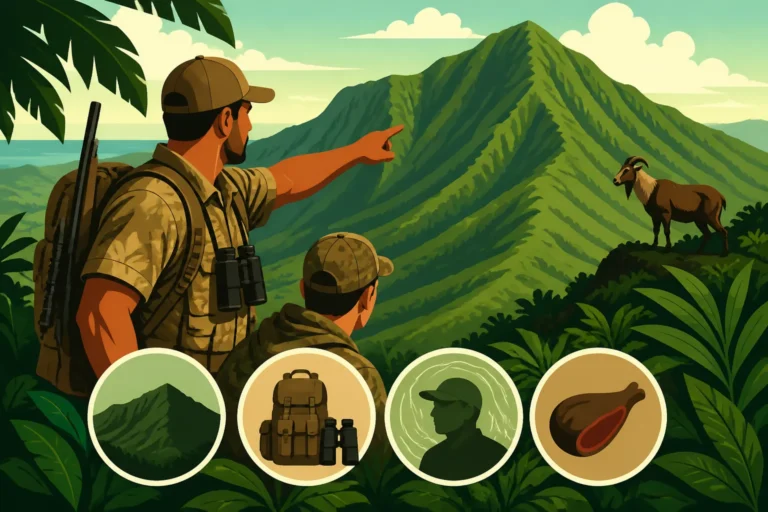
Booking a Hawaii Axis Deer Hunt
Planning an Axis deer hunt in Hawaii can feel like navigating a maze of regulations, unknown terrain, and island-specific quirks, especially when you're dreaming of that unique experience but aren't sure where to start. Many hunters arrive here with visions of pristine beaches and lush forests, only to be overwhelmed by the logistics of securing licenses, finding reliable guides, and understanding the nuances of hunting exotic game in a truly unique environment. This comprehensive guide is here to cut through that confusion, offering a realistic roadmap to booking your unforgettable Hawaii Axis deer hunt.
Understanding Axis Deer Hunting in Hawaii
Imagine waking up to the sound of tropical birds, the smell of plumeria in the air, and the knowledge that today you'll be stalking one of the most beautiful deer species on the planet. Axis deer hunting in Hawaii isn't just a hunt; it's an adventure unlike any other. These magnificent animals, known for their striking spotted coats and impressive antlers, thrive in the islands, offering a challenging yet incredibly rewarding experience.
Why Axis Deer Are a Premier Game Animal
Axis deer, or chital as they're known in their native India, are truly a sight to behold. Their reddish-brown coats adorned with white spots make them stand out in the green Hawaiian landscape, and their antlers, often reaching impressive lengths with multiple points, are coveted trophies. But beyond their aesthetic appeal, Axis deer are exceptional game animals for several reasons. They are wary creatures with keen senses, making them a true challenge to hunt. Stalking an Axis buck through the kiawe forests or open pastures demands skill, patience, and a deep understanding of their behavior.
What really sets them apart in Hawaii is their year-round rut cycle. Unlike mainland deer species with a distinct breeding season, Axis deer can be found in various stages of rut throughout the year. This means you might find hard-horned bucks, bucks in velvet, and even shed antlers on the same hunt, which is both fascinating and a bit unpredictable. Their meat is also incredibly lean and flavorful, often considered one of the finest venison experiences available. It's truly a sustainable resource that many local families rely on, and for visiting hunters, it's a delicious bonus to the adventure. You're not just pursuing a trophy; you're engaging with a species that provides excellent table fare and a genuine hunting test. They've also adapted incredibly well to the island ecosystem, sometimes to the detriment of local agriculture, which is why controlled hunting is a vital part of conservation efforts here.
Key Islands for Axis Deer Hunting
When you think of Axis deer in Hawaii, three islands immediately come to mind: Maui, Molokai, and Lanai. Each offers a distinct hunting experience, shaped by its unique landscape, population density, and access rules. Understanding these differences is crucial for planning your trip.
Maui is probably the most well-known for Axis deer. The vast, dry leeward slopes of Haleakala provide ideal habitat for large herds. Here, you'll find extensive private ranch lands that offer guided hunts, as well as several public hunting units, though these often require more effort to access and navigate. Hunting Maui's Year-Round Axis Deer Units can be a fantastic experience, with diverse terrain ranging from open grasslands to dense kiawe thickets. Molokai, often called "The Friendly Isle," is renowned for producing some of the largest-bodied Axis bucks. Its rugged, dry West End is prime Axis habitat, with significant populations on private ranches. While there's limited public land hunting for Axis on Molokai, the private land opportunities with guides are exceptional for those seeking a truly trophy-class animal. Lanai, once almost entirely owned by a single pineapple company, has a rich history with Axis deer. It's famous for its lottery-drawn hunts on public lands, which are highly sought after by both residents and non-residents. Hunting Lanai's Drawn Axis Deer Weekends offers a unique chance to hunt a thriving population, but securing a tag requires luck in the draw. Each island presents its own set of challenges and rewards, so your choice will depend on your budget, preferred hunting style, and desired trophy quality.
Public vs. Private Land Opportunities
One of the biggest distinctions you'll encounter when booking a Hawaii Axis deer hunt is whether you'll be pursuing game on public or private land. Both offer incredible experiences, but they come with different considerations, costs, and levels of accessibility.
Public land hunting in Hawaii is managed by the Department of Land and Natural Resources (DLNR) and its Division of Forestry and Wildlife (DOFAW). These units, often referred to as Game Management Areas (GMAs) or Forest Reserves, provide accessible hunting for residents and non-residents alike, usually requiring a Hawaii hunting license and, for Axis deer on some islands, a specific permit-tag. The draw system for Lanai, for instance, falls under public land management. While public land hunts tend to be more affordable, they often mean tougher hunting conditions: more pressure from other hunters, challenging terrain, and animals that are more wary. You'll likely need to do more scouting and put in more effort to find your animal. This is where Hawaii's Permit-Tag System Works and understanding its intricacies becomes vital. It's truly a DIY adventure where you rely on your own skills and preparation.
Private land hunting, on the other hand, usually involves booking a hunt with an outfitter or guide who has secured access to large ranches. These hunts typically come with a higher price tag, but they often offer better amenities, less hunting pressure, and higher success rates. Many of Hawaii's biggest Axis bucks are harvested on private lands, where game management practices can lead to healthier, larger deer. Outfitters on private land also often provide all-inclusive packages that cover everything from transportation on the ranch to field dressing and sometimes even meals and lodging. For many mainland hunters, especially those on a tight schedule or looking for a guaranteed experience, private land hunts with a reputable guide are the preferred option. It's a trade-off between cost and convenience, but both avenues can lead to a fantastic hunting experience.
Deciding on a Guided vs. Self-Guided Hunt
The choice between a guided and a self-guided hunt is perhaps the most significant decision you'll make when planning your Hawaii Axis deer adventure. It impacts everything from your budget and logistics to your overall experience in the field. There’s no single right answer, as it truly depends on your experience level, time constraints, and what kind of adventure you're seeking.
The Benefits of a Guided Axis Deer Hunt
For many hunters, especially those traveling to Hawaii from the mainland for the first time, a guided hunt is an invaluable investment. The benefits are numerous and often outweigh the added cost. First and foremost, guides offer unparalleled local knowledge. They know the terrain like the back of their hand, understand Axis deer patterns specific to their area, and can quickly adapt to changing conditions. Trying to learn these nuances on your own, especially on a limited trip, can be incredibly frustrating and time-consuming.
Furthermore, guides often have access to prime private land, where hunting pressure is minimal and the deer populations are robust. This significantly increases your chances of success and the opportunity to harvest a mature buck. Imagine spending your precious hunting days scouring public land, only to realize the prime habitat is inaccessible. A guide eliminates that worry. They also handle a lot of the logistical headaches: providing transportation on rugged ranch roads, setting up blinds or stands if applicable, and assisting with Field Dressing Axis Deer in Hawaii Heat, which is a critical skill in this tropical climate. They'll ensure you're hunting legally and safely, helping you navigate the sometimes-complex local regulations. For a hunter looking for efficiency, higher success odds, and a smoother, stress-free experience, a guided hunt is often the way to go. It allows you to focus solely on the hunt itself, rather than worrying about every detail.
The Challenges and Rewards of a Self-Guided Hunt
Opting for a self-guided Axis deer hunt in Hawaii is an entirely different beast. It's a path for the independent, resourceful hunter who thrives on challenge and the satisfaction of earning every step of their success. The primary draw is often cost savings, as you eliminate guide fees and sometimes access fees if you're hunting public land. However, this financial saving comes with a significant increase in personal responsibility and logistical planning.
You'll need to secure your own public land permits, understand unit boundaries, and often navigate challenging terrain without assistance. Hunting Hawaii's Volcanic Terrain or the dense forest reserves can be physically demanding and disorienting if you’re not prepared. Research becomes your best friend: poring over maps, understanding game movements, and figuring out access points. You'll be responsible for all field care of your animal, including packing out meat from remote areas, which is no small feat in Hawaii's heat and humidity. The reward, however, is immense. The sense of accomplishment that comes from scouting, locating, and harvesting an Axis deer entirely on your own terms in such a unique environment is truly special. It's an immersive experience that connects you more deeply with the land and the animal. But be warned: it's not for the faint of heart or the unprepared.
Hybrid Approaches: Semi-Guided Options
Sometimes, the perfect solution lies somewhere in the middle. A semi-guided hunt offers a compelling compromise, blending the independence of a self-guided trip with some of the logistical support and local knowledge of a fully guided experience. These options can vary significantly from outfitter to outfitter, so it's essential to understand exactly what's included.
Typically, a semi-guided hunt might involve an outfitter providing access to private land, transportation to and from designated hunting areas, and perhaps some initial orientation or scouting advice. They might drop you off in a productive area and pick you up at a predetermined time, leaving the actual stalk and shot selection entirely up to you. Some outfitters might offer basic camp accommodations or help with game retrieval, but you're largely responsible for your own hunting tactics, cooking, and daily routine. This can be a great option for experienced hunters who are confident in their abilities but want to avoid the complexities of securing private land access or navigating unfamiliar ranch roads. It provides a level of independence while still leveraging the outfitter's resources and private land opportunities. Always clarify the exact scope of services with a semi-guided package, as definitions can vary widely. It’s a chance to challenge yourself without going completely solo in an unfamiliar place.
What to Look For in a Hawaii Axis Deer Outfitter
Choosing the right outfitter is arguably the most critical step in booking a successful guided Axis deer hunt. With so many options and varying levels of service, it's easy to feel overwhelmed. Taking the time to research, ask questions, and set clear expectations will make all the difference in your experience.
Reputation and Experience Matters
When entrusting your hard-earned money and precious vacation time to an outfitter, their reputation and experience should be at the top of your checklist. A long-standing presence in the Hawaii hunting community often signals reliability, ethical practices, and a deep understanding of the local game. Look for outfitters with a proven track record of successful hunts and satisfied clients.
Don't hesitate to ask for references from past hunters, and actually follow up with them. Hearing directly from someone who has experienced a hunt with that particular guide can provide invaluable insights into what to expect. Online reviews on platforms like BookYourHunt or hunting forums can also offer a glimpse into an outfitter's performance, but always take them with a grain of salt and look for consistent themes. A good outfitter will be transparent about their success rates (which are never 100%, and beware of anyone who claims otherwise), their hunting methods, and their commitment to sustainable hunting practices. You want a guide who is not only skilled at finding deer but also passionate about the Hawaiian environment and respectful of the animals. Be wary of guides who promise unrealistic trophies or outcomes; a true professional understands the unpredictability of hunting wild animals.
Services Included in a Standard Package
Outfitters offer a wide range of packages for Axis deer hunting, and what's included can vary dramatically. Before you book, get a clear, itemized list of everything covered in the "standard package" and what will incur additional costs. This prevents unwelcome surprises down the line.
Typically, a standard guided Axis deer hunt package on private land might include: guide services (usually one-on-one or two-on-one), transportation on the ranch, field dressing of your animal, and sometimes assistance with initial meat cooling. Some higher-end packages might also include meals, lodging, airport pickup, and even basic caping for your trophy. However, many things are almost universally not included: your Hawaii hunting license and permit-tag fees, rifle rental (if needed) and ammunition, meat processing beyond basic field dressing, taxidermy services, and trophy shipping. Gratuities for your guide are also an expectation, so factor that into your budget. What a Hawaii Guided Axis Deer Hunt Costs will typically reflect the level of service and inclusions. Always ask about their policy on non-hunting companions, as some outfitters charge extra for guests, while others welcome them for free. Having a clear understanding of what you're paying for is paramount for a smooth experience.
Understanding Costs and What They Cover
Let's be real, a guided hunt in Hawaii isn't cheap, and it’s important to understand where your money is going. The costs involved cover more than just the guide's time; they reflect access to prime hunting land, specialized equipment, vehicle maintenance for rough terrain, and the guide's expertise that has been honed over years.
What Hawaii outfitters charge for deer will fluctuate based on the island, the length of the hunt, the species (Axis only or combo), and the overall luxury of the experience. Generally, you'll see day rates for guided hunts, or multi-day packages. Private land access fees often make up a significant portion of the cost, as these outfitters pay landowners for the exclusive right to hunt. Beyond the base package price, be prepared for additional expenses. These can include: your round-trip airfare to Hawaii, inter-island flights if your hunt is on an island other than your arrival, car rentals, accommodations before/after your hunt if not included, restaurant meals, license and tag fees, meat processing, shipping of meat or trophies, and of course, a gratuity for your guide. Tipping a Hawaii Guide is customary and an important part of showing your appreciation for their hard work. Always ask for a detailed quote that breaks down potential costs, so you can budget accurately for your entire trip, not just the hunt itself.
The Booking Process: From Inquiry to Deposit
Once you've decided on a guided hunt and started narrowing down outfitters, the actual booking process begins. This stage involves a lot of communication, asking specific questions, and understanding contractual agreements. Don't rush it; thoroughness now will prevent headaches later.
Initial Contact and Asking the Right Questions
Your first contact with an outfitter is your chance to make an impression and, more importantly, to gather crucial information. Most outfitters prefer email or phone calls. Be clear about your desired hunt dates, target animal (Axis deer), and any specific preferences (e.g., archery hunt, rifle hunt, trophy class animal).
Beyond the basics, prepare a list of detailed questions. Ask about their typical hunting methods (spot-and-stalk, still hunting, blinds), average shot distances, terrain difficulty, and what their average harvest size looks like for Axis bucks. Inquire about their success rates, but also ask what constitutes a "successful" hunt for them – is it just seeing deer, or harvesting one? Clarify What Hawaii Guides Expect You to Shoot in terms of antler size or age class. Ask about contingencies for bad weather, season changes (though rare for Axis, it can happen for other species), or if you don't harvest an animal. This is also a good time to mention if you have any physical limitations or special requests. Websites like GoHunt can sometimes list outfitters or resources, but direct communication is always best for booking specifics. A reputable outfitter will patiently answer all your questions and provide detailed information, giving you confidence in your choice.
Deposits, Payments, and Cancellation Policies
Understanding the financial terms of your hunt, particularly deposits and cancellation policies, is absolutely critical. Most outfitters require a non-refundable deposit to secure your hunt dates. This deposit typically ranges from 25% to 50% of the total hunt cost. The remaining balance is usually due a certain number of days or weeks before your hunt, or sometimes upon arrival.
It's vital to get all payment terms, including due dates and acceptable payment methods, in writing. Pay close attention to the cancellation policy. What happens if you need to cancel? What if the outfitter has to cancel due to unforeseen circumstances? Are deposits transferable to a future date, or are they forfeited entirely? Hawaii is a desirable destination, so Booking a Hawaii Hunt Months Ahead is often necessary, which means your deposit is tied up for a long time. Consider travel insurance that specifically covers hunt cancellations for various reasons. This small investment can save you a significant amount of money and heartache if unexpected events arise. Never assume anything about refunds or rescheduling; get every detail in a signed agreement.
Essential Paperwork and Agreements
Beyond the financial agreement, there's often other essential paperwork you'll need to complete before your hunt. This typically includes a hunt contract outlining the terms and conditions, a liability waiver, and sometimes a questionnaire about your hunting experience and physical condition.
Read every document carefully before signing. The hunt contract will detail what the outfitter is responsible for, what you are responsible for, and any rules or regulations you must adhere to while on their property. The liability waiver is standard practice, acknowledging the inherent risks of hunting. If you're planning to bring your own firearm, the outfitter might provide guidance on Hawaii's specific gun registration and transportation rules, which are different from the mainland. They may also send you information on where to secure your Hawaii Hunting Licenses and What They Cost and your Axis deer permit-tag. If you're renting a rifle from them, they'll usually handle that process. Ensure you have copies of all signed documents for your records. This paperwork ensures everyone is on the same page and helps facilitate a safe and legal hunt for all involved.
Preparing for Your Hawaii Axis Deer Hunt
Hawaii hunting is unique, and proper preparation is key to a successful and enjoyable experience. The islands present specific challenges, from the demanding terrain to the tropical climate, that require thoughtful consideration in your physical and gear planning.
Physical Fitness and Terrain Considerations
Don't underestimate the physical demands of hunting in Hawaii. While some guided hunts on private ranches might involve less walking, many hunts, especially those on public lands or more remote private areas, will require significant physical exertion. You could be hiking steep volcanic slopes, navigating dense kiawe thickets, or crossing rough lava flows.
The heat and humidity can also be draining, making even moderate activity feel much harder. Imagine Walking Rough Lava Without Wrecking Your Boots or climbing a steep ridge in 80-degree weather with high humidity. A good level of cardiovascular fitness is highly recommended. Start a walking or hiking regimen well in advance of your trip, incorporating inclines and uneven terrain. This will not only make the hunt more enjoyable but also increase your chances of success, as you'll be able to cover more ground and remain focused. Don't forget that you might also need to pack out your animal, potentially over long distances and challenging landscapes. The fitter you are, the more you'll be able to enjoy every moment of your adventure.
Gear Essentials for Island Hunting
Your gear list for a Hawaii Axis deer hunt will differ from what you might pack for a deer hunt elsewhere. Think light, breathable, and adaptable. Given the tropical climate, quick-drying clothing is a must. Synthetics or merino wool are far superior to cotton, which stays wet and heavy. Layering is still important, as mornings can be cool at higher elevations, but midday can be hot. Camouflage patterns that blend with greens and browns are generally effective, but often a solid earth tone is fine.
Footwear is critical. You need sturdy, broken-in boots with good ankle support and aggressive traction for uneven, often slippery terrain. Waterproofing is a plus, especially if you might encounter morning dew or unexpected showers. Bring plenty of water, or a way to filter it, as dehydration is a real risk. Sun protection, including a wide-brimmed hat, sunglasses, and high-SPF sunscreen, is non-negotiable. A reliable backpack for carrying water, snacks, extra layers, and potentially meat is also essential. Binoculars or a spotting scope will be invaluable for glassing open areas for deer. Don't forget a quality knife for field dressing, and game bags to protect your meat. Check with your outfitter for specific gear recommendations, as they know their particular hunting grounds best.
Weapon Logistics: Bringing Your Own or Renting
One of the biggest logistical hurdles for non-resident hunters in Hawaii is the issue of firearms. Bringing your own rifle to the islands requires careful planning and adherence to strict state and federal regulations.
If you decide to bring your own rifle, you'll need to declare it with your airline, ensure it's in a TSA-approved hard-sided, locked case, and understand Hawaii's specific firearm registration laws. You are required to register your firearm with the Honolulu Police Department (even if flying into a different island, the process starts there or with specific county police departments depending on your final destination). This process can take time and requires specific documentation. Be aware of Hawaii's Legal Rifle Calibers for Big Game to ensure your rifle meets the requirements. Many hunters find it much simpler and less stressful to rent a rifle from their guide or outfitter. This eliminates the hassle of airline travel with firearms and the local registration process. Outfitters usually have a selection of suitable calibers and can provide ammunition. Just make sure to confirm this option when booking and ask about any associated rental fees. If you do rent, it's wise to request a few minutes at a shooting range before the hunt to get familiar with the rifle.
Navigating Licenses, Tags, and Local Regulations
Beyond the hunt itself, understanding and complying with Hawaii's hunting licenses, permit-tags, and local regulations is non-negotiable. Ignoring these rules can lead to serious legal trouble and ruin your entire trip.
Securing Your Hawaii Hunting License
The very first step for any hunter in Hawaii, resident or non-resident, is to obtain a valid Hawaii hunting license. This isn't just a formality; it's a legal requirement that underpins all hunting activity in the state. You can purchase your license online through the "Go Hunt Hawaii" portal or in person at various vendors across the islands.
For non-residents, there's usually a slightly higher fee than for residents, but the process is generally straightforward. You'll also need a Hawaii Wildlife Conservation Stamp, which is typically purchased alongside your hunting license. If you're a non-resident and you haven't completed a hunter education course certified by a state or province, or if you don't have a valid hunting license from your home state, you may need to complete Hawaii's hunter education course or provide a The Nonresident Letter of Exemption. Make sure to carry your license with you at all times while hunting. It's truly your golden ticket to legally pursue game here. Understand that without this license, no outfitter can legally take you hunting, and you certainly cannot embark on a self-guided trip.
Understanding Axis Deer Permit-Tags
In addition to your general hunting license, hunting Axis deer on certain islands or in specific units requires a separate permit-tag. This system is crucial for managing game populations and ensuring sustainable harvests.
For example, on islands like Lanai, you must apply for and draw an Axis deer permit-tag through a lottery system for public land hunts. These draws can be highly competitive, especially for non-residents, so understanding the application deadlines and process is vital. How the Lanai Axis Deer Draw Works is a whole process in itself. On private land hunts, outfitters typically have access to their own allocation of tags or operate under landowner agreements that allow for the harvest of Axis deer without the need for the public draw tag. However, even on private land, you'll still need your general Hawaii hunting license. Always confirm with your outfitter whether the permit-tag is included in their service or if you need to acquire it separately. The tag is what legally allows you to harvest a specific animal, and you must attach it to your animal immediately after the kill, following strict instructions. Failing to properly tag your animal is a serious violation.
Staying Compliant with Local Rules
Hawaii has specific rules and regulations that govern all hunting activities, and it's your responsibility to be aware of them. These rules cover everything from legal shooting hours to weapon restrictions and safety requirements.
For example, Hawaii Blaze Orange Requirements may apply in certain units or seasons, so always check the latest regulations. There are also strict rules regarding vehicle use on public lands, baiting (generally prohibited for big game), and fair chase principles. Specific units might have additional restrictions on hunting days (e.g., Hawaii's Weekend and Holiday Hunting Rules), access points, or bag limits. It's a good idea to download and thoroughly read the latest Hawaii Hunting Regulations booklet from the DOFAW website before your trip. Your guide will be an invaluable resource for navigating these rules on a guided hunt, but ultimately, the onus is on you to be compliant. Remember that Hawaii is a small community, and hunters are expected to be good stewards of the land and respectful of both local culture and other outdoor enthusiasts. Ignorance of the law is never an excuse.
Logistics Beyond the Hunt: Travel, Meat, and Trophies
The actual hunt is only one part of the adventure. What happens after you pull the trigger, and how you manage your travel, meat, and trophy, are equally important logistical considerations. These aspects require foresight and planning to ensure a smooth conclusion to your trip.
Inter-Island Travel and Accommodations
Hawaii hunting often involves travel between islands. While your international flight might land on Oahu or Maui, your hunt might take place on Lanai or Molokai, requiring an additional inter-island flight. These flights are typically short, but they add a layer of complexity to your travel plans.
When booking your flights, allow ample time between connections, especially if you're dealing with firearms or a lot of gear. Inter-island flights might have different baggage allowances or restrictions than your mainland carrier. Accommodation is another key consideration. If your guided hunt doesn't include lodging, you'll need to secure your own. This could range from hotels or vacation rentals in nearby towns to more rustic options closer to your hunting unit. Consider Hawaii Lodging Near the Hunting Units carefully, balancing convenience with your budget. If you're on a multi-day hunt, you might spend nights in a remote camp, or return to a comfortable lodge or hotel. Factor in transportation from your lodging to the hunting area, especially if you're self-guided and need a 4WD vehicle to reach trailheads.
Field Care and Meat Processing
Successfully harvesting an Axis deer is just the beginning. The next crucial step is proper field care, especially in Hawaii's warm climate. Axis venison is prized, but it can spoil quickly if not handled correctly.
Your guide will typically assist with Field Dressing Axis Deer in Hawaii Heat immediately after the kill. This involves removing the internal organs to allow the carcass to cool as rapidly as possible. Many outfitters have a system for getting the animal out of the field and into a cooler or walk-in refrigerator as quickly as possible. For self-guided hunters, this means having game bags, ice, and a plan for cooling the meat immediately. Expect to quarter the animal and get it on ice within hours. Beyond field dressing, you'll need a plan for professional meat processing. Some outfitters have arrangements with local processors, or they can recommend reputable services. You'll need to decide what cuts you want and how much meat you plan to take home. Remember, flying home with game meat from Hawaii requires specific packaging and airline approval, so discuss this with your processor and airline well in advance. Consider donating any meat you can't take with you; it's a great way to ensure the resource doesn't go to waste.
Trophy Handling and Shipping
If you've harvested a trophy Axis buck, you'll want to preserve those beautiful antlers and possibly the cape for a mount. This requires careful handling in the field and proper arrangements for shipping.
After field dressing, your guide will typically help cape the animal if you plan on a shoulder mount, or they'll advise you on how to do it yourself if you're self-guided. The cape and skull will need to be cleaned, salted, and dried to prevent spoilage before shipping. This can be a labor-intensive process, and many hunters opt to have a local taxidermist handle the initial preparation. Ask your outfitter for recommendations on Hawaii Taxidermists and Their Wait Times. Shipping antlers and capes internationally or to the mainland requires compliance with agricultural regulations and shipping company rules. The taxidermist can often facilitate this process, packaging your trophy properly for transport. Be aware that shipping costs can be substantial, so factor this into your overall budget. Many hunters choose a European mount for their antlers, which is often simpler and less expensive to ship than a full shoulder mount. Proper planning here ensures that your trophy arrives home safely and ready for display.
Maximizing Your Hawaii Hunting Experience
A hunt in Hawaii is more than just bagging an animal; it's an immersive cultural and outdoor experience. To truly make the most of your trip, consider the timing, potential add-on activities, and how you engage with the local environment.
Timing Your Hunt for Success
While Axis deer can technically be hunted year-round in Hawaii due to their unique rut cycle, certain times might offer better conditions or higher chances of success. Understanding these nuances can help you strategically plan your trip.
During the drier months, typically late spring through early fall, Axis deer often concentrate around available water sources, which can make them more predictable to locate. This can be an excellent time for spot-and-stalk hunting in open, arid areas. However, these months also bring more heat. During the wetter months, the deer might be more dispersed, but the lush vegetation can offer more cover for stalking. As mentioned, the year-round rut means you might see bucks in various stages of antler growth, so if a hard-horned trophy is your priority, discuss typical antler cycles with your chosen outfitter. For public land hunts, researching Hawaii Archery Season Windows or rifle seasons for specific units is critical, as access might be limited to certain periods. Discussing optimal timing with a local guide will give you the best insight into when their specific area is most productive for Axis deer.
Combining Your Hunt with Other Activities
Hawaii offers an incredible array of activities beyond hunting, and many visitors choose to combine their hunt with a family vacation or other outdoor pursuits. This can be a fantastic way to experience the islands' diverse beauty and keep non-hunting companions entertained.
Imagine spending a few days hunting Axis deer on Maui, then taking a break to explore Haleakala National Park, go snorkeling in the clear waters, or enjoy the vibrant local cuisine. On Kauai, after a deer hunt, you could hike the breathtaking Na Pali Coast or kayak down a jungle river. Many outfitters understand this desire for a multi-faceted trip and can sometimes offer combo packages, perhaps a pig hunt alongside your Axis deer hunt, or even refer you to other local businesses for fishing charters, surfing lessons, or scenic tours. Just ensure that your hunting schedule allows for these additional activities without compromising the quality of your hunt. Separating your "hunting days" from your "family fun days" can often lead to a more relaxed and enjoyable experience for everyone involved. Being flexible and open to the full Hawaiian experience will create memories that last a lifetime.
Respecting Local Culture and Environment
Hunting in Hawaii is not just about pursuing game; it's about engaging with a unique culture and respecting a fragile island ecosystem. Hunters have a responsibility to be mindful of their impact and to act as stewards of the land.
Understand that hunting, particularly for introduced species like Axis deer, plays a vital role in Hawaii's conservation efforts by controlling populations that can damage native ecosystems and agricultural lands. However, this also means following all regulations meticulously and adhering to ethical hunting practices. Practice malama `aina—care for the land. Pack out all your trash, avoid disturbing cultural sites, and be considerate of other outdoor users. If you're hunting on private land, respect the landowner's rules and property. If you encounter local residents or other hunters, a friendly Aloha goes a long way. The Hawaiian islands are incredibly special places, and approaching your hunt with respect for the people, the culture, and the environment will not only enhance your personal experience but also ensure that hunting continues to be a valued tradition for generations to come. Your actions as a visiting hunter reflect on the entire hunting community.
| Key Planning Aspects | Guided Hunt (Private Land) | Self-Guided Hunt (Public Land) | Semi-Guided Hunt (Private Land) |
|---|---|---|---|
| Access to Land | Prime private ranches | Public hunting units (DOFAW) | Private land access provided |
| Local Knowledge | Extensive guide expertise | Requires own research/scouting | Some initial guidance provided |
| Success Rate | Generally higher | Varies, can be challenging | Good potential, depends on hunter |
| Cost | Highest (package fees) | Lower (license/tag fees, gear) | Mid-range (access fees + some services) |
| Logistics Handled | Transport, field care, some meals/lodging | All on your own (transport, food, camp) | Transport to unit, possibly game retrieval |
| Physical Demand | Varies, often moderate to high | Very high (packing, scouting) | Moderate to high |
| Weapon Options | Bring own or rent from guide | Bring own (registration required) | Bring own or rent from guide |
| Permit/Tag | Often arranged by outfitter or landowner tag | Must acquire via draw/purchase | May or may not be provided/assisted |
| Best For | First-timers, time-constrained, trophy-focused | Experienced, budget-conscious, independent | Experienced, value independence, but want access |
Disclaimer
This article is for general informational purposes only and does not constitute professional advice. Laws, prices and regulations vary by location and change over time. Consult a qualified professional for guidance on your specific situation.