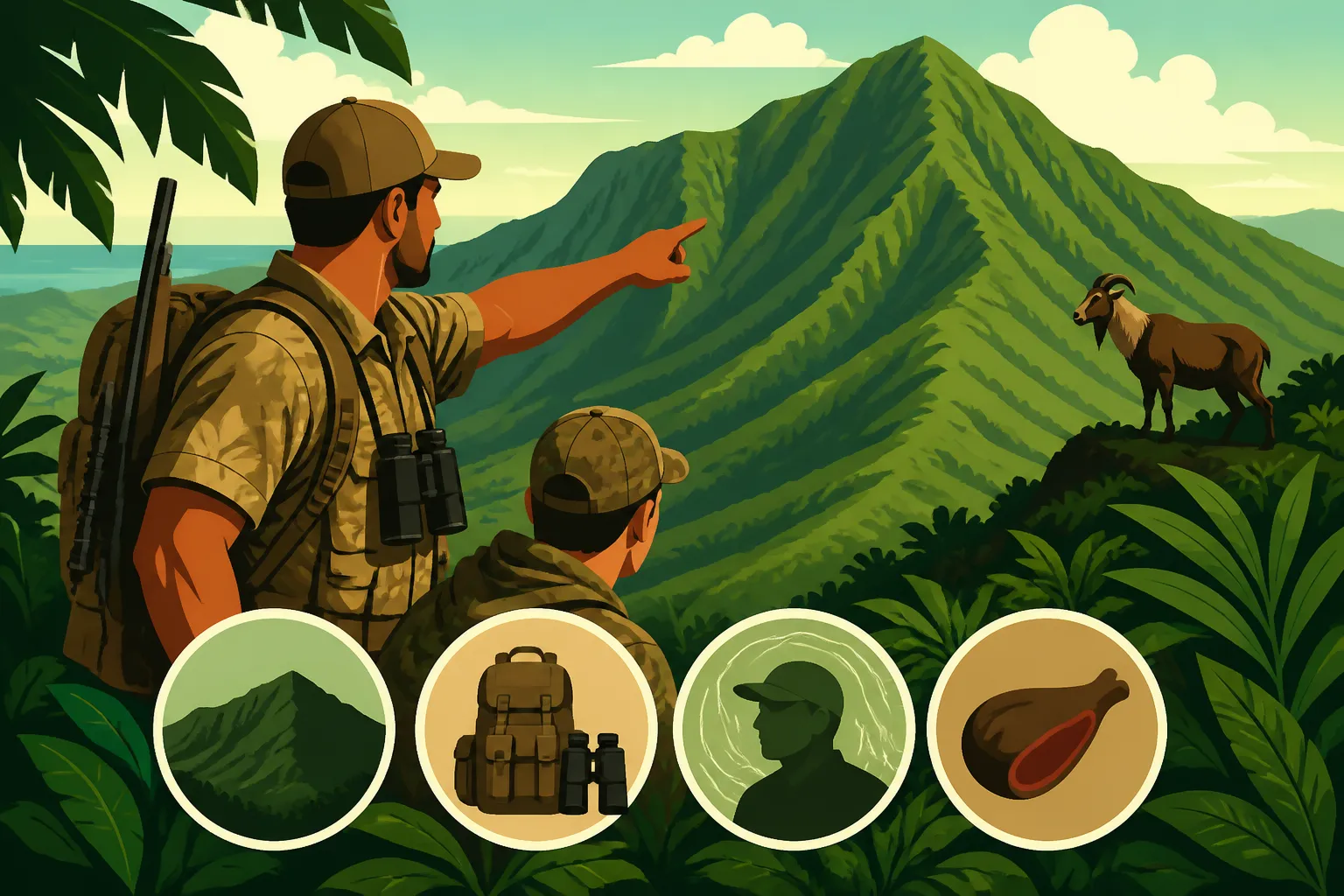
What Molokai Guides Provide
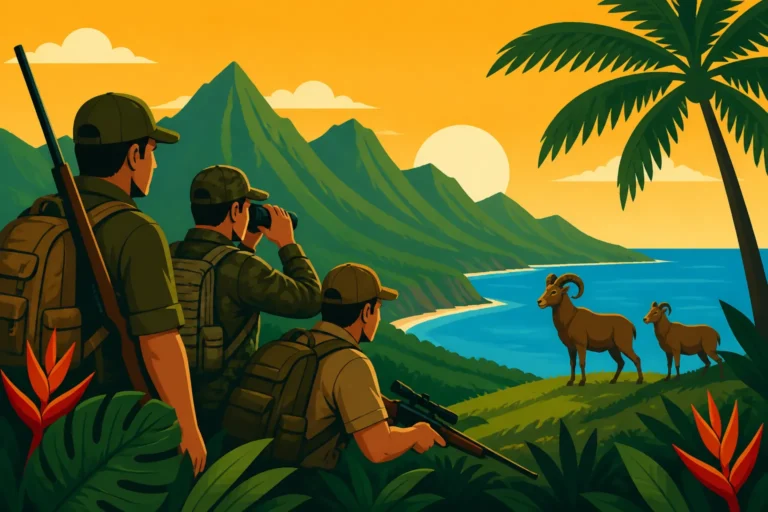
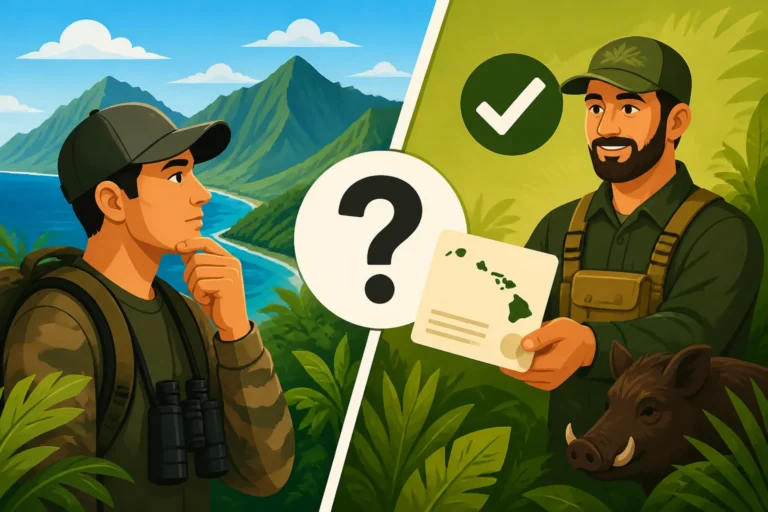
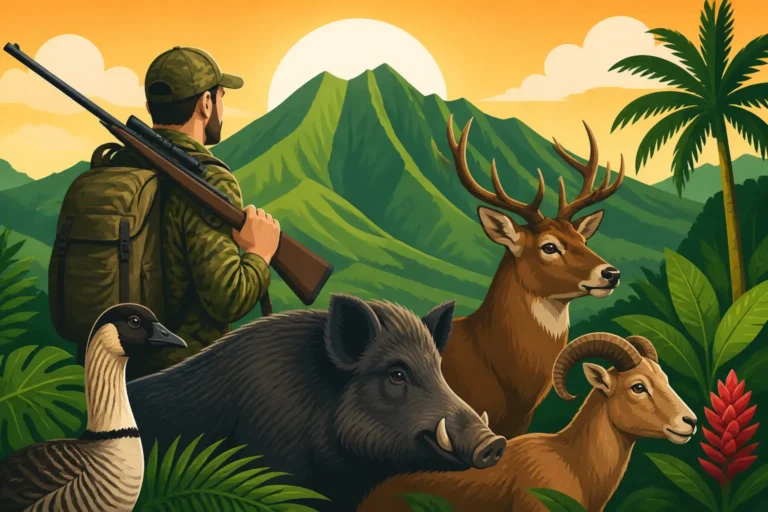
Molokai offers some of the most sought-after hunting experiences in Hawaii, especially for axis deer, but navigating its unique landscapes and access rules can be incredibly challenging for those unfamiliar with the island. Many hunters find themselves wondering if they truly need a guide, and if so, what exactly a local Molokai guide brings to the table. This guide will clarify the comprehensive support and expertise you can expect from a Molokai hunting outfitter, helping you plan your successful island adventure.
The Molokai Difference: Why a Guide is Often Essential
Molokai, often called the "Friendly Isle," presents a hunting landscape unlike almost anywhere else. It’s not just about finding an animal; it's about understanding the land, the weather patterns, the subtle animal movements, and the specific access protocols. For many, attempting a self-guided hunt here without prior experience can lead to frustration and missed opportunities. This is where a knowledgeable Molokai guide truly shines, acting as your bridge to a successful and ethical hunt.
Navigating Complex Terrain and Limited Public Access
Molokai's hunting areas are a mix of rugged volcanic terrain, dense kiawe flats, deep gulches, and open dry country. It's beautiful, but it's also unforgiving. The island doesn't boast the vast public land tracts found in some other places, and much of the prime hunting ground for Molokai's big-bodied axis bucks lies on private ranches or lands with specific cooperative agreements. Accessing these areas often requires pre-arranged permissions or leases, which can be nearly impossible for an individual hunter to secure from afar.
A local guide has established relationships with landowners and knows the intricate network of private and public boundaries. They've spent years learning the subtle trails, the water sources, and the escape routes animals use. They understand how the wind shifts through the valleys and how to approach game undetected in various cover types. Without this intimate knowledge, you could easily spend days just trying to figure out where you're allowed to go, let alone find game. This local expertise is invaluable, especially when you consider Hunting Molokai's Axis Deer Country or Molokai's Public Hunting Areas might encompass vastly different environments.
Understanding Molokai's Unique Axis Deer Behavior
Axis deer on Molokai are renowned for their impressive size and wary nature. They didn't get big by being easy to hunt! Their behavior is heavily influenced by the island's specific microclimates, food sources, and hunting pressure. Unlike mainland deer, axis deer can rut year-round, which means understanding their breeding cycles and communication calls on Molokai takes specialized experience. They often feed in the cooler parts of the day, retreating to dense cover or deep gulches when the sun is high.
A guide understands these nuances. They know the seasonal shifts in food preferences and where the deer will likely be bedding down during different times of the year. They've heard the specific vocalizations of Molokai axis deer enough times to know what a fawn bleat means versus an alarm bark, and how to use calls effectively. They can read fresh tracks and droppings to determine not just what passed by, but when, and in what direction. This kind of seasoned observation can make all the difference between a frustrating stalk and a successful shot.
What Your Molokai Guide Will Typically Handle
When you book a guided hunt on Molokai, you're not just paying for someone to walk alongside you. You're investing in a suite of services designed to maximize your chances of success, ensure your safety, and provide a truly immersive experience. From logistics to in-field decisions, a good guide takes care of the heavy lifting so you can focus on the hunt.
Arranging Access and In-Field Transportation
One of the biggest hurdles for any hunter on Molokai is simply getting onto viable hunting ground. A reputable guide will have already secured private land access, handling all the necessary paperwork, fees, and communication with landowners. This means you won't have to worry about accidentally trespassing or spending precious hunting time trying to get permission. They often have exclusive access to prime areas that are otherwise off-limits.
Beyond entry, guides typically provide 4×4 transportation to and from the hunting areas. Molokai's roads can be rough, and many good hunting spots require a capable off-road vehicle just to reach the trailhead. Imagine trying to navigate a narrow, rocky two-track in a rental car — it's not going to happen. Your guide knows the best routes, how to handle the terrain safely, and where to drop you off for the most effective approach. This service is crucial, especially if you're planning a hunt that involves Walking In to a Remote Hawaii Unit or traversing challenging landscapes.
Expert Scouting, Tracking, and Animal Recovery
Before you even set foot on the island, a good Molokai guide will have spent countless hours scouting the unit, monitoring game camera footage, and observing animal patterns. They know where the axis deer are currently feeding, watering, and bedding. This pre-hunt work is invaluable, saving you days of potentially fruitless searching. Once you're in the field, their trained eye will spot game that you might easily overlook in the dense cover or vast open spaces. They understand how Molokai's specific vegetation provides camouflage and how animals use it to their advantage.
After the shot, the guide's job is far from over. They are experts in tracking wounded game through challenging environments, from thick kiawe patches to steep, rocky gulches. Losing an animal is every hunter's worst nightmare, and a skilled tracker significantly reduces that risk. Once the animal is down, the guide will assist with field dressing and the arduous task of packing meat out. Getting a Pig Out of a Hawaii Gulch or an axis deer off a remote ridge is no small feat, especially in Hawaii's heat, and a guide often comes equipped with the necessary tools and experience (and maybe even extra hands) to do it efficiently.
| Service Provided by Molokai Guide | Hunter's Primary Responsibility |
|---|---|
| Private land access arrangements | Obtaining valid Hawaii hunting license |
| 4×4 transportation to hunting areas | Hunter education certificate (if applicable) |
| Pre-hunt scouting and game locating | Bringing appropriate clothing and gear |
| In-field navigation and safety | Knowing your firearm/bow and practicing |
| Spotting game and judging trophies | Ethical shot placement and follow-up |
| Tracking wounded animals | Carrying your hunting license and tags |
| Field dressing and initial meat care | Maintaining physical fitness for the hunt |
| Packing game out of the field | Respecting local customs and rules |
| Local knowledge and cultural insights | Reporting harvest correctly |
| Arranging meat processing/shipping | Arranging post-hunt travel for meat/trophy |
Beyond the Basic Hunt: Additional Value a Guide Offers
A truly exceptional Molokai guide goes beyond simply putting you on an animal. They enhance your entire experience, providing not just practical assistance but also cultural insights and a deeper connection to the island. This added value transforms a simple hunting trip into a memorable adventure.
Comprehensive Field Care and Meat Preservation
Hawaii's warm climate and high humidity mean that proper and swift field care is paramount to preserving your meat. A Molokai guide is intimately familiar with these challenges and will ensure your animal is field dressed quickly and efficiently. They'll advise on the best methods for Cooling Meat Fast on a Hawaii Hunt, whether that means breaking the animal down into quarters immediately, getting it to a shaded area, or utilizing game bags to protect it while allowing air circulation.
Many guides also have connections with local meat processors, helping you get your venison or pork professionally handled. They can guide you through the logistics of preparing meat for inter-island travel or even shipping it back to the mainland. This logistical support is crucial for out-of-state hunters, as agricultural regulations for transporting game can be complex. You won't be left wondering what to do with a hundred pounds of prime axis venison after the hunt; your guide will have a plan.
Local Knowledge and Cultural Immersion
Molokai has a strong local culture, and hunting is often deeply intertwined with community and tradition. A good guide will share stories, teach you about the island's history, and explain the significance of certain land features or plants. This isn't just a transactional experience; it's an opportunity for cultural immersion. They can teach you the Hawaiian names for plants and animals, explain historical land use, and offer a glimpse into the local way of life.
They'll also ensure you understand and respect local etiquette, which is crucial for a positive experience. This might include how to interact with landowners, understanding the nuances of certain hunting areas, or simply demonstrating respect for the land and the animals. This kind of authentic connection to Molokai is something you simply can't get from a map or an online search. It turns a hunt into a rich, educational journey.
How to Choose the Right Molokai Guide for Your Adventure
Deciding to hire a guide is one thing, but selecting the right guide for your Molokai hunt can feel overwhelming. There are several factors to consider to ensure your expectations align with what the outfitter provides. Taking the time to do your homework upfront will pay dividends once you're on the ground.
Vetting Potential Outfitters and Their Services
Start by researching different Molokai outfitters. Platforms like BookYourHunt can be a good starting point, allowing you to see multiple options and read reviews. However, don't stop there. Reach out directly to a few guides and engage in a detailed conversation. Ask about their years of experience specifically on Molokai, their preferred hunting methods, and their success rates (and what "success" means to them – is it just seeing animals, or is it a high harvest rate?).
Inquire about the typical hunting day: what time do you start, how much walking is involved, and what kind of terrain will you cover? Discuss the number of hunters per guide, as a smaller ratio often means more personalized attention. Crucially, ask about what is included in their price and what is not. Clarify if meals, lodging, meat processing, or trophy preparation are part of the package, or if those are additional costs you need to budget for. While guides often provide rifles, you'll still need to ensure you have your Hawaii Hunting Licenses and What They Cost and appropriate permits.
Understanding Costs and What's Included
While I can't give specific figures, it's realistic to expect a guided hunt on Molokai to be a significant investment. Prices vary widely based on the duration of the hunt, the species pursued (axis deer hunts are typically more involved), the level of service, and whether it's a private land or public land hunt. Be wary of deals that seem too good to be true, as they often are. A good guide's services, including their experience, access, and logistical support, come at a fair cost.
When reviewing proposals, look for transparency. A reputable guide will clearly itemize what's included and what additional expenses you might incur. This might involve guide fees, private land access fees, and potentially costs for any additional services like meat processing or trophy shipping. Remember to factor in personal expenses like airfare to Molokai, lodging before and after your hunt, food, and tipping your guide (a common practice for good service). Even with a guide, you're responsible for your own Hawaii Hunter Education Requirements and acquiring your hunting license and tags, which can often be managed through resources like GoHunt Hawaii. Make sure you understand all the financial components before committing to a booking.
Asking the Right Questions and Setting Expectations
Before you commit, don't hesitate to ask for references from past clients. Speaking directly with someone who has hunted with your prospective guide can provide invaluable insight into their professionalism, hunting style, and overall experience. Discuss your personal hunting goals: are you focused solely on a trophy buck, or is the experience and opportunity to harvest a quality animal more important?
Be honest about your physical capabilities, as Molokai hunting can involve strenuous hiking in challenging conditions. A good guide will match the hunt to your fitness level. Also, confirm their cancellation and refund policies, as weather or unforeseen circumstances can sometimes affect plans. By having open and honest communication from the outset, you can set realistic expectations for your Molokai hunting adventure and ensure that the guide you choose is the perfect fit to help you achieve your goals on this truly special island.
Disclaimer
This article is for general informational purposes only and does not constitute professional advice. Laws, prices and regulations vary by location and change over time. Consult a qualified professional for guidance on your specific situation.