Whether a Guide Handles Your Hawaii License
One common worry for anyone planning a Hawaii hunting trip, especially if you're traveling from afar, is figuring out all the red tape surrounding licenses and permits. It's easy to assume your guide will just handle it all, but that's not always the case, and getting it wrong can derail your entire adventure. This guide will walk you through exactly what your responsibilities are when it comes to hunting licenses in Hawaii and how your chosen guide can realistically assist you in the process.
The Hunter's Fundamental Responsibility for Licensing
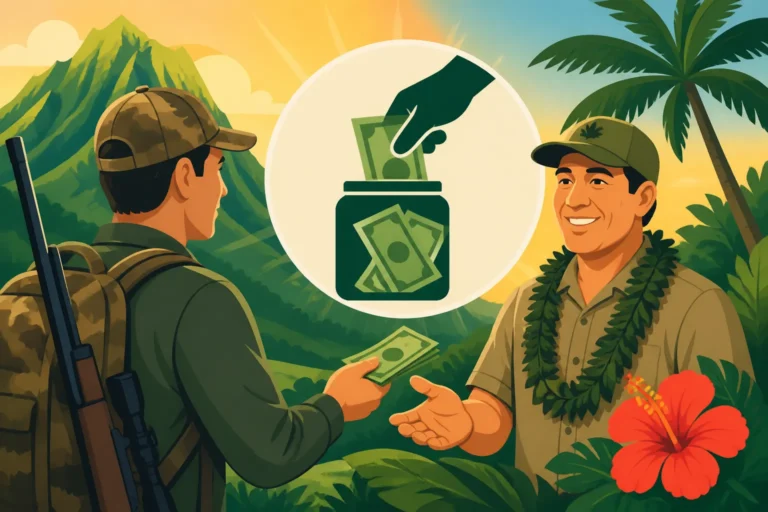
Let's be crystal clear right from the start: obtaining your Hawaii hunting license and any necessary permit-tags is your responsibility as the hunter. This isn't just a suggestion; it's a legal obligation. Just like getting your driver's license before you hit the road, or your passport before you travel internationally, securing the proper hunting credentials falls squarely on your shoulders. The Hawaiian islands have very specific regulations, and ignorance of the law is never an excuse.
Think of it this way: your guide is there to put you on game, to share their deep knowledge of the land and the animals, and to ensure your safety in the field. They are experts in hunting, not necessarily legal or administrative assistants for every client's paperwork. While a good guide will certainly offer advice and point you in the right direction, they cannot legally purchase a license on your behalf, nor can they complete your hunter education requirements for you. Attempting to circumvent this foundational rule can lead to hefty fines, confiscation of game, and even a ban from future hunting in Hawaii. It's simply not worth the risk.
This principle extends beyond just the initial license. You, the hunter, are also responsible for understanding the specific regulations of the unit you'll be hunting, the bag limits for the species you're pursuing, and the legal shooting hours. While your guide will reiterate these rules in the field, it's expected that you arrive with a basic understanding already in place. This includes things like Hawaii's Legal Weapons by Season and Hawaii Blaze Orange and Safety Rules. Being a responsible hunter means doing your homework long before you ever step foot in a blind or start a stalk.
How Your Hawaii Guide Can Lend a Hand and Where Their Limits Are
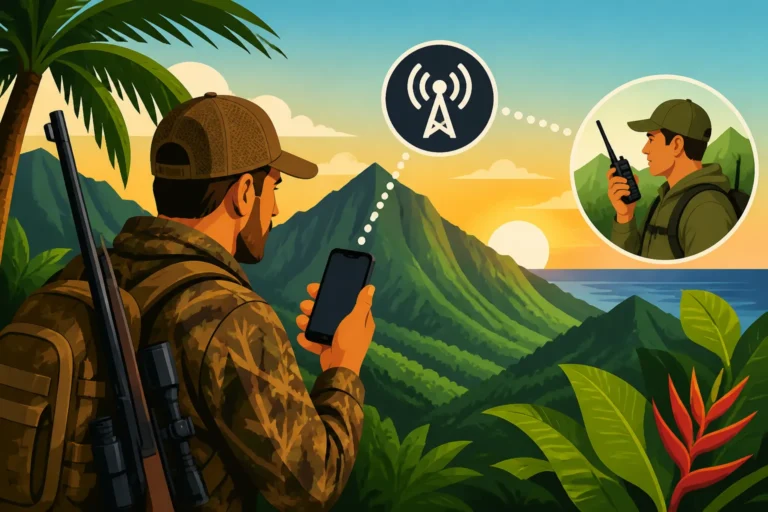
While your guide isn't a personal assistant for paperwork, they are an invaluable resource, especially if you're new to hunting in Hawaii. A reputable guide wants your hunt to be successful and hassle-free, and that includes navigating the administrative side of things. They understand the intricacies of the local regulations far better than most visitors ever could.
What a great guide can do is provide guidance. They can tell you exactly which license, stamps, and permit-tags you'll need for your specific hunt. For instance, if you're Booking a Hawaii Axis Deer Hunt on Molokai, they'll know that you need a Hawaii hunting license, a Hawaii Wildlife Conservation Stamp, and the specific Molokai Axis Deer permit-tag. They can direct you to the official websites for the Hawaii Department of Land and Natural Resources (DLNR) or point you towards online platforms like GoHunt, which is often the easiest way to Buying a License Through Go Hunt Hawaii. They can clarify deadlines, explain the draw system for certain tags, or even suggest when to apply for specific hunts.
However, it's crucial to understand their limits. Your guide cannot physically go to the store and buy your hunting license. They cannot fill out the online application for your permit-tag using your personal information. They cannot complete your Hawaii Hunter Education Requirements for you, nor can they secure a The Nonresident Letter of Exemption on your behalf if you're coming from the mainland. These actions require your personal identification and attestation. Their role is advisory and supportive, not hands-on administrative work for individual clients. They might offer to mail in a paper application for a permit-tag if you've filled it out completely, but even that is often seen as going above and beyond.
| Task | Hunter's Primary Responsibility | Guide's Potential Assistance |
|---|---|---|
| Purchase Hunting License | Yes (with personal funds/info) | Advise on type, direct to online portal (e.g., GoHunt) |
| Obtain Hunter Education | Yes | Advise on requirements, direct to courses |
| Acquire Specific Permit-Tags | Yes (with personal info) | Advise on type, deadlines, draw process |
| Understand Local Regulations | Yes (fundamental) | Provide detailed explanations, reinforce rules in field |
| Ensure License/Tag is Carried | Yes | Remind you to carry it, ensure proper tagging |
| Complete Harvest Reporting | Yes | Advise on process, remind of deadlines |
Navigating Hawaii's Licensing and Permit-Tag System
Hawaii's hunting system, especially for non-residents or first-timers, can feel a bit like decoding an ancient map. It's not just a single license; depending on what and where you hunt, you'll need a combination of things. First and foremost, everyone needs a valid Hawaii hunting license. This is your baseline entry into hunting the islands. Whether you're a Hawaii Resident Hunting License Options or looking at Hawaii Nonresident Hunting License Options, this is where you start.
Beyond the general hunting license, many popular big game hunts, especially for species like Axis deer or Mouflon sheep, require specific permit-tags. These are often limited in number and distributed through a lottery or draw system, or they might be available over-the-counter for certain units. For example, How Hawaii's Permit-Tag System Works is unique and demands attention. You'll need to pay close attention to application periods and draw results, especially for coveted hunts on islands like Lanai or Molokai. Your guide will be invaluable in advising on these specifics, but the application process itself will involve you directly.
Always remember that these permits and tags are tied to specific seasons and units. A tag for Molokai Axis deer won't do you any good if you're hunting pigs on Oahu, where tags aren't required for feral pigs. Your guide will have the most up-to-date information on these unit-specific rules and seasonal openings, which can change due to weather, animal populations, or conservation efforts. Ensure you carry your physical license and any required tags with you at all times while hunting. Tagging Rules After the Kill are strict, and you need to be prepared to properly affix your tag immediately after harvesting an animal.
Before You Book: Essential Conversations with Your Outfitter
When you're researching potential guides and outfits, perhaps through platforms like BookYourHunt, it's imperative to have an open and detailed discussion about the licensing process before you put down a deposit. Don't wait until the last minute, or worse, until you're already in Hawaii. This pre-booking conversation is where you can truly understand Questions to Ask Before Booking and align expectations.
Start by asking your prospective guide directly: "What are the exact license and permit-tag requirements for the hunt I'm interested in, and what is the process for obtaining them?" A good guide will lay it all out clearly, including approximate costs (though you'll need to verify current prices yourself) and deadlines. They should explain the difference between a general hunting license and any special permit-tags, and clarify if any draws or lotteries are involved. They should also detail the Hawaii Hunter Education Requirements for non-residents and how to provide proof of completion or apply for an exemption.
You'll also want to inquire about what level of assistance they typically provide. Will they send you links to the online licensing portals? Will they offer to review your completed application for accuracy before you submit it? Understanding What a Hawaii Guide Cannot Do for You is just as important as knowing what they can help with. For many non-resident hunters, the process of Booking a Hawaii Hunt as a Nonresident can seem daunting, but a knowledgeable guide makes it much smoother by providing accurate information and clear directions, empowering you to handle your own responsibilities efficiently. This ensures there are no unpleasant surprises when you arrive for your dream Hawaiian hunting adventure.
Disclaimer
This article is for general informational purposes only and does not constitute professional advice. Laws, prices and regulations vary by location and change over time. Consult a qualified professional for guidance on your specific situation.