Corporate and Group Hunting Trips
Organizing a group hunting trip, whether it's a corporate retreat for team building or a gathering of friends and family, often comes with a unique set of challenges, especially when you're looking for an unforgettable destination. The logistics can feel overwhelming, from coordinating schedules and skill levels to navigating licenses and travel. This comprehensive guide will walk you through everything you need to know to plan and execute a successful and memorable corporate or group hunting adventure in the stunning Hawaiian Islands.
Why Hawaii is an Excellent Choice for Group Hunts
When you're thinking about a destination for a corporate or group hunting trip, Hawaii might not be the first place that comes to mind for everyone. But let me tell you, it offers an incredible, unique experience that blends adventure with the sheer beauty of the islands. It’s far more than just a tropical paradise; it's a truly wild and challenging hunting ground that can forge bonds and create stories for a lifetime.
Diverse Hunting Opportunities for All Skill Levels
One of the biggest advantages of choosing Hawaii for a group hunt is the sheer diversity of game and terrain available. You're not just limited to one type of animal or one style of hunting. For a group with varying levels of experience – from seasoned hunters to those trying it for the first time – this flexibility is invaluable.
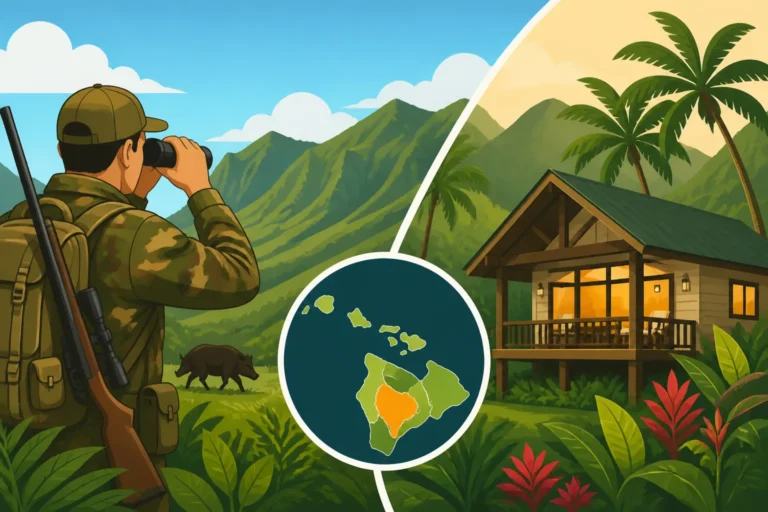
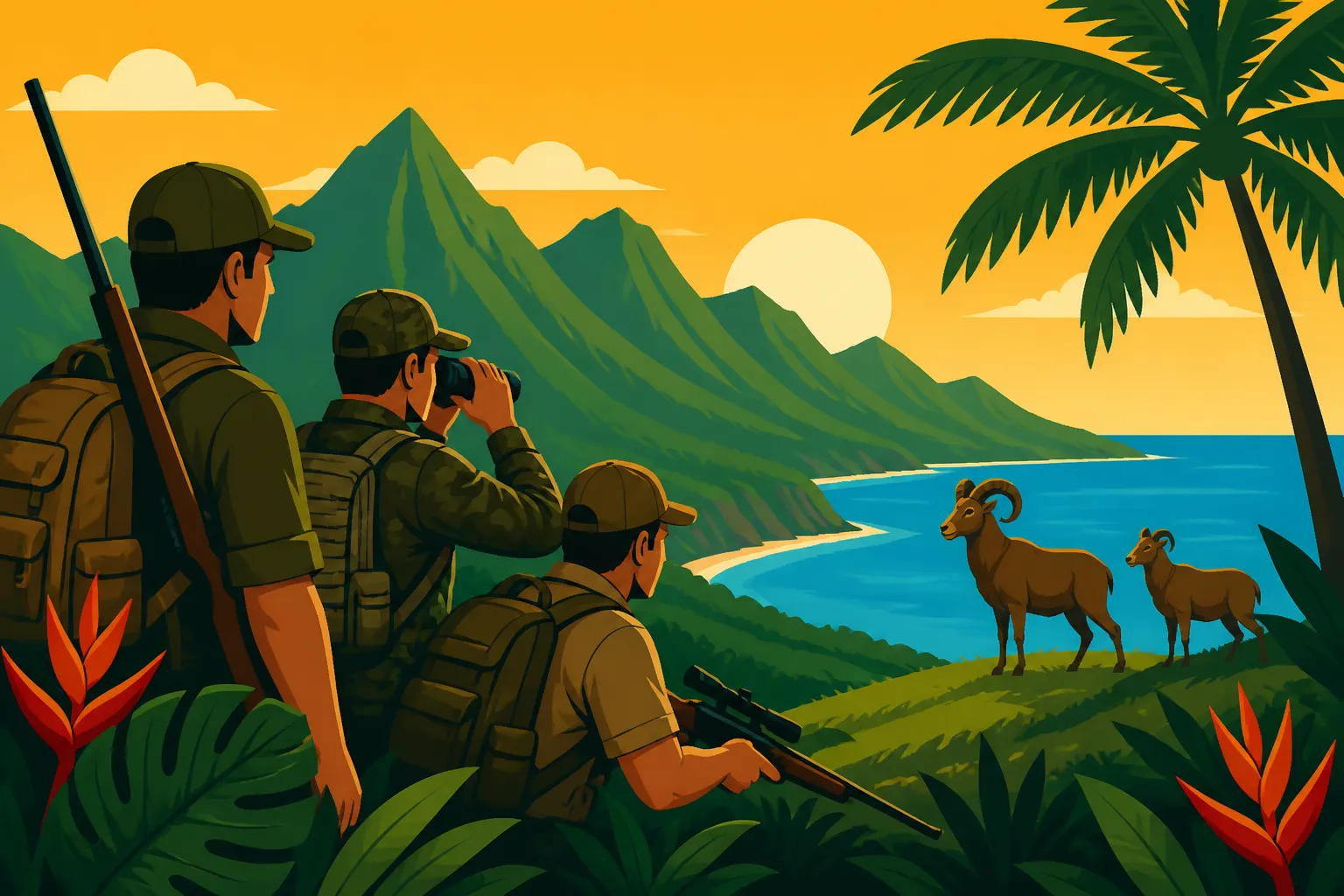
Imagine setting up a trip where some members are tracking the elusive Axis Deer, Hawaii's Signature Big Game across arid, open plains on Maui or Molokai, while others are deep in the thick, wet rainforests of the Big Island, pursuing Hunting Hawaii's Feral Pigs with dogs. We also have Mouflon Sheep on Hawaii's Volcanoes on the higher elevations of Mauna Kea, and plenty of Hawaii's Feral Goats and Why They Matter clambering on the sea cliffs or canyon lands. This variety means that every hunter in your group can find a challenge that suits their ability and preference. Outfitters here are incredibly skilled at tailoring experiences, ensuring that no one feels left behind or, conversely, unchallenged. It's about creating an inclusive adventure where everyone feels the thrill of the chase.
Unique Scenery and Team-Building Potential Beyond the Hunt
Beyond the fantastic hunting, Hawaii offers an unparalleled backdrop for team-building and camaraderie. When you're not actively hunting, the islands provide endless opportunities for group activities that strengthen bonds and create shared memories. Think about it: a morning hunt followed by an afternoon of snorkeling with manta rays, or perhaps a deep-sea fishing excursion. The striking contrasts between volcanic landscapes, lush rainforests, and pristine beaches offer a sensory experience unlike anywhere else.
The challenges of hunting in Hawaii, whether it's navigating steep gulches or walking rough lava without wrecking your boots, naturally foster teamwork and reliance on one another. These shared struggles and triumphs in such a breathtaking environment are far more impactful than any corporate ropes course. It’s an opportunity for colleagues or friends to see each other in a different light, overcome obstacles together, and truly connect away from the daily grind. Plus, celebrating a successful hunt with a luau and fresh-caught fish under the stars? That’s team building you won't soon forget.
Planning the Logistics for a Corporate or Group Hunt
Bringing a group to Hawaii for a hunting trip requires careful planning. It's not just about showing up; it's about meticulous coordination to ensure everyone has a smooth, enjoyable, and compliant experience. From selecting the right guide to understanding the local regulations, every detail matters.
Choosing the Right Outfitter and Package
The most critical step in planning a successful group hunt in Hawaii is selecting the right outfitter. A good outfitter is your local expert, your guide, and often, your primary logistical coordinator. For groups, you’ll want an outfitter who has experience with larger parties and who can customize packages to meet diverse needs and skill levels. Many reputable outfitters on the Big Island, Maui, and Molokai specialize in handling group bookings for Axis deer, Mouflon, pig, or goat hunts.
When you're searching, platforms like BookYourHunt can be a fantastic resource. You can often filter by location, game species, and even group size, giving you a good starting point for comparison. Look for outfitters who are transparent about their pricing, what's included (guides, transportation, meals, initial meat processing), and what's not (licenses, tags, taxidermy, extensive meat shipping). Don't be shy about asking about their safety protocols, guide-to-hunter ratios for groups, and how they cater to different physical abilities or hunting preferences. A great outfitter will be able to discuss options for Hawaii Combination Hunt Packages or multi-species hunts if your group wants to pursue more than one type of game. Always ask for references from past group clients if possible.
Navigating Licenses, Permits, and Legalities for a Group
Getting everyone in your group properly licensed and permitted is a non-negotiable step and can be one of the trickiest parts of planning a group hunt. Unlike some mainland states, Hawaii has specific requirements, and they can vary by island and unit. Every hunter, regardless of residency, will need a Hawaii hunting license. For many species, like Axis deer and Mouflon, specific permit-tags are also required, often obtained through a lottery system for public land hunts or directly from outfitters for private land excursions.
It's vital to begin this process well in advance. Check out resources on Hawaii Hunting Licenses and What They Cost and How Hawaii's Permit-Tag System Works. If your group includes non-residents, they’ll also need to be aware of the Hawaii Hunter Education Requirements or the process for obtaining a The Nonresident Letter of Exemption. Many outfitters will assist with the paperwork, but ultimately, it’s each individual hunter’s responsibility to be compliant. For corporate groups, having a dedicated point person to collect everyone's information and submit applications can streamline this process. Understanding Hawaii's Legal Weapons by Season is also crucial, especially if members of your group plan to bring their own firearms or rent them from the outfitter.
Travel, Accommodation, and Inter-Island Considerations
Hawaii is made up of multiple islands, and your choice of hunting destination might involve inter-island travel, which adds another layer of logistics for a group. You'll likely fly into a major airport like Honolulu (Oahu) or Kahului (Maui), and then potentially take a smaller commuter flight to Molokai or the Big Island depending on your hunt.
Consider where your group will stay. Some outfitters offer Hawaii Hunting Lodges and Where to Stay or camp accommodations as part of their package, which can simplify things for a group. Others might recommend local vacation rentals or hotels. For those bringing firearms, you'll need to understand the rules for Flying to Hawaii With Firearms and Inter-Island Flights With a Firearm. Renting vehicles that can handle Hawaiian terrain, especially if you're planning any self-guided excursions or need to transport gear, is another consideration. For a large group, booking transport like vans or SUVs well in advance is essential, as availability can be limited, especially during peak travel seasons. Always check the specific access requirements for your chosen hunting unit, as some may require a four-wheel drive. Hawaii Road Access and 4WD Requirements can vary greatly.
| Aspect of Planning | Key Considerations for Group Hunts | Potential Challenges |
|---|---|---|
| Outfitter Selection | Experience with group sizes, custom packages, transparent pricing, safety protocols, guide ratios. | Finding availability for large groups, varying expectations on service level. |
| Licenses & Permits | Hunter education for all, individual licenses, specific permit-tags by island/species, early application. | Deadlines, understanding nuances of Hawaii law, coordinating information from all. |
| Travel & Logistics | Inter-island flights, firearm transport rules, accommodation, group ground transportation, unit access. | Cost of multiple flights, firearm registration, limited vehicle rentals, remote units. |
| Skill & Fitness | Accommodating varied experience levels and physical abilities, managing expectations. | Ensuring enjoyment for novices and veterans, potential for some to feel excluded. |
| Post-Hunt | Meat processing, cooling, inter-island shipping, taxidermy, trophy care, local regulations. | High costs for shipping, agricultural inspections, limited local processors. |
Ensuring a Successful and Enjoyable Group Experience
Once the planning is underway, the focus shifts to ensuring that the actual hunt and the overall trip are successful and enjoyable for every member of your group. This involves managing diverse expectations, addressing individual needs, and handling the practicalities of post-hunt activities.
Managing Expectations and Skill Disparities
A group hunt often means a mix of personalities, experience levels, and physical capabilities. Some members might be seasoned big game hunters, while others might be first-timers just looking for a unique adventure. It’s important to acknowledge these differences upfront and communicate openly with your outfitter. A good guide can often split a larger group into smaller parties with different objectives or paces. For instance, some might prefer a more challenging Spot-and-Stalk Axis Deer in Hawaii experience, while others might be happier with a less strenuous hunt focusing on opportunity.
Encourage a supportive atmosphere within the group. Emphasize that success isn't just about harvesting an animal, but about the shared experience, the challenge, and the beauty of being in Hawaii's wild places. Discussing What a Hawaii Guide Cannot Do for You with the group beforehand can help set realistic expectations about the guide's role. Some members might benefit from a Hawaii Youth and First-Timer Guided Hunts approach, even if they aren't youth, simply to ease them into the experience. Remember that for many, the thrill of the chase, the stunning views, and the camaraderie will be just as valuable as any trophy.
Handling Meat Processing, Shipping, and Trophies
The success of a hunt doesn't end with the shot; it extends to how you handle the meat and any trophies. This is especially true in Hawaii's warm climate, where Field Care in Hawaii's Heat and Humidity is paramount. For a group, coordinating meat processing and transportation can be a big undertaking. Most outfitters will assist with initial field dressing and getting the animal back to a cooler, but further processing, vacuum-sealing, and shipping are usually additional services.
If your group plans to take meat home, research the costs and logistics of Shipping Game Meat Between Hawaii Islands or Flying Home With Game Meat From Hawaii well in advance. Agricultural regulations are strict, so ensuring all meat is properly prepared and inspected is crucial. For trophies like Axis deer antlers or Mouflon rams, consider contacting a local Hawaii taxidermist. They can handle the cape and horns, ensuring they're properly prepped for shipping to your home taxidermist or completing the work themselves. Having a plan in place for everyone's harvest will prevent last-minute stress and ensure that the fruits of your group's labor are preserved properly.
Disclaimer
This article is for general informational purposes only and does not constitute professional advice. Laws, prices and regulations vary by location and change over time. Consult a qualified professional for guidance on your specific situation.