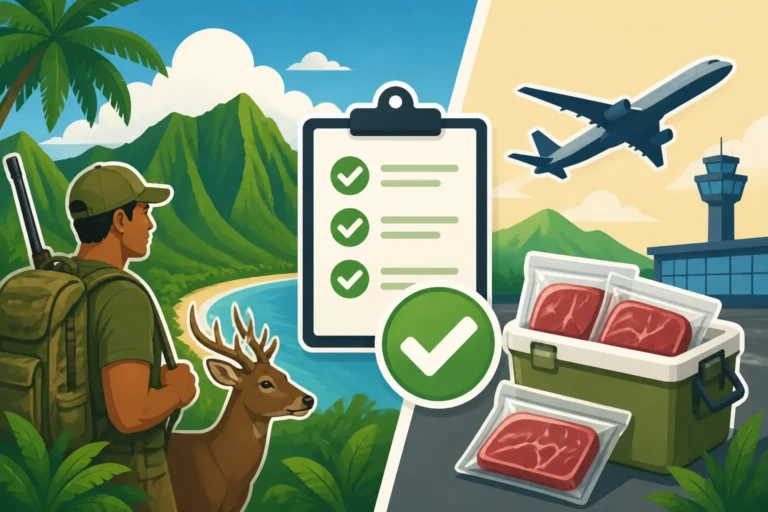
Combining a Hawaii Hunt With a Family Trip
The dream of hunting in Hawaii often conjures images of solo adventures, tracking game through pristine wilderness. But for many of us, that dream bumps up against the reality of family life – and the desire to share a truly special place with our loved ones. Trying to combine a serious hunting trip with a memorable family vacation can feel like an impossible puzzle, leaving you worried about disappointing either your hunting aspirations or your family's vacation dreams. This guide is here to show you how to blend these two desires seamlessly, ensuring both you and your family have an incredible Hawaiian experience.
The Delicate Balance: Managing Expectations for Both Sides
Let's be real: trying to squeeze a dedicated hunting trip into a family vacation schedule without careful planning is a recipe for stress, resentment, and probably not much success on either front. The key to making it work lies in managing expectations, not just your own, but your family's as well. It’s about creating a shared understanding of what this unique trip will entail.
Communicating Your Hunting Goals Clearly
Before you even book your flights, sit down with your family and talk openly about your desire to hunt. Explain what game you're hoping to pursue, how much time you realistically anticipate needing, and what that might look like in terms of early mornings or specific days away. This isn't about asking for permission, but rather fostering understanding and buy-in. When your family knows upfront that you plan to spend two full days chasing pigs, or that you'll be up before dawn most mornings to glass for Axis Deer, Hawaii's Signature Big Game, it prevents surprises and feelings of being neglected later on.
It’s also crucial to set realistic harvest expectations, especially when you’re on a tighter schedule than a dedicated solo hunt. Hawaii hunting can be challenging, with steep terrain and elusive animals. Emphasize that the experience of being out in the field is a huge part of the draw, and while harvesting an animal is a goal, it's not the only measure of a successful hunt. This mindset can take a lot of pressure off, making the entire trip more enjoyable for everyone. Remember, this isn't just a hunting trip; it's a family vacation where hunting happens to be a component.
Planning Activities for the Non-Hunters
While you’re out on the mountain, what will your family be doing? This is perhaps the most critical question to answer to ensure everyone has a fantastic time. If your partner and kids are left bored or feeling like an afterthought, your hunting experience will be tainted, and future trips might be a hard sell. Start researching activities that genuinely excite them. Is it snorkeling in pristine bays, exploring volcanoes, learning to surf, or simply relaxing on a beautiful beach? Hawaii offers an incredible array of options.
Consider pairing your hunting days with activities that are easy for your family to access independently or with a pre-arranged tour. For example, if you're hunting on Maui, while you're chasing Hunting Maui's Year-Round Axis Deer Units on the slopes of Haleakala, your family could be enjoying the beaches of Wailea or exploring the quaint shops of Paia. On the Big Island, perhaps they'd be visiting a coffee farm or exploring the lava fields of Volcanoes National Park. Pre-booking tours or activities can give them structure and excitement for their "non-hunting" days, making them feel just as much a part of the adventure.
Strategic Scheduling: Making Every Day Count
Successfully combining a hunt with a family trip demands meticulous scheduling. You can't just wing it and hope for the best. It requires a thoughtful approach to maximize both your time in the field and your quality time with loved ones. It’s about finding those sweet spots in the day and the week that allow both worlds to thrive.
Leveraging Early Mornings and Late Evenings
Hawaii's game animals, especially deer and pigs, are often most active during the cooler parts of the day: dawn and dusk. This works perfectly for the hunter trying to balance family time. You can often be out in your chosen unit well before your family even stirs, getting in a solid 3-4 hours of prime hunting during the Hunting Axis Deer at First Light in Hawaii. Imagine: you've already glassed a ridgeline or still-hunted a gulch by the time your family is sitting down for breakfast. You can then return, shower, and join them for a full day of family activities.
Similarly, an evening hunt can provide another window. After a day spent at the beach or exploring, you might slip out for the last couple of hours of daylight, hoping to catch animals moving to feed or water. This strategy means you're not sacrificing entire days of family togetherness. It's about optimizing those "fringe" hours. However, be realistic about how much sleep you'll get. Early mornings and late evenings are taxing, and you don't want to be a grumpy hunter or a tired parent. Build in some rest days where you skip the morning hunt and just enjoy breakfast with the kids.
The Art of the "Hunt Day / Family Day" Rotation
A common mistake is trying to hunt every single day, even if it's just for a few hours. This can lead to exhaustion for you and frustration for your family. A more sustainable and enjoyable approach is to implement a clear "hunt day / family day" rotation. Perhaps you dedicate one full day to hunting, followed by two full days focused entirely on family excursions. Then, you might take an early morning hunt the next day, followed by a full family day, and so on. This rhythm creates anticipation for both sides.
A full "hunt day" might involve a guided trip, where an outfitter handles the logistics and you're truly immersed in the hunt for Hunting Hawaii's Feral Pigs or Mouflon Sheep Hunting on Hawaii Island. Companies like BookYourHunt can be a great resource for finding reputable guides that offer day hunts, allowing you to easily slot them into your vacation schedule without committing to a multi-day expedition. On your family days, you can put away all hunting thoughts and be 100% present, making memories that have nothing to do with camouflage or tracking. This balance ensures that neither aspect of your trip feels rushed or compromised.
| Aspect | Dedicated Hunt Day | Dedicated Family Day | Hybrid Day (Morning/Evening Hunt) |
|---|---|---|---|
| Hunter's Focus | Full immersion in hunting. Potential for longer treks, deeper into units. | No hunting activities. Fully present with family. | Quick, focused hunt during prime hours; rest of day with family. |
| Family's Focus | Independent activities planned (tours, beach, shopping, etc.). | Full day of shared activities (snorkeling, sightseeing, relaxing). | Shared activities during main daylight hours. |
| Pros | Maximizes hunting opportunity; deeper pursuit. Family gets dedicated independent time. | Maximizes family bonding; no divided attention. | Good balance; some hunting action without sacrificing full family day. |
| Cons | Less time with family that day; can feel disconnected. | No hunting at all that day. | Less intense hunting time; early mornings can be tiring. |
| Best For | Targeting specific animals or longer stalks. | Recharging and ensuring family feels prioritized. | Getting quick hunting in while keeping family schedule flexible. |
Practical Logistics: Keeping Everyone Happy and Organized
The practicalities of a Hawaii hunt are already unique, but when you add a family to the mix, things get even more complex. You’ll need to think about everything from where you all lay your heads at night to how you’ll handle a harvested animal without turning off your non-hunting companions.
Choosing Accommodations Wisely
Your choice of lodging can make or break a combined trip. A cramped hotel room designed for a couple might not be ideal when you're also trying to store hunting gear and keep a family comfortable. Vacation rentals, like those found on platforms like Airbnb or VRBO, often offer more space, separate bedrooms, and a full kitchen. This allows for early morning departures without waking everyone and a place to relax and spread out after a long day. Look for rentals that are strategically located – perhaps within a reasonable drive of your chosen Hawaii's Hunting Units and How They Work but also close to family-friendly attractions, beaches, or towns.
Consider amenities: does the rental have a lanai (porch) where you can quietly lay out gear to dry? Is there an outdoor shower to rinse off mud and sweat before coming inside? A rental with a good cooler or freezer space would also be a huge bonus if you're planning on harvesting an animal. If a vacation rental isn't feasible, look for hotels that offer connecting rooms or suites. Also, research specific Hawaii Lodging Near the Hunting Units to see if there are any options that cater to hunters but are still comfortable for families.
Handling Gear and Game Discreetly
Hunting gear can be bulky and, let's face it, sometimes a bit muddy or smelly. Integrating it into a family vacation requires a thoughtful approach. Keep your gear organized and out of the way. Invest in a good waterproof gear bag that can be easily stowed. Make sure to clean your boots and clothing before you return to the family’s shared space, especially if you've been pig hunting in Hawaii's wet, muddy forests.
The real challenge comes if you're successful. Field Dressing Axis Deer in Hawaii Heat is a sweaty, messy business, and you probably don't want to bring a fresh carcass back to the family's rental. Plan ahead: know where the nearest game processor is, or have a dedicated plan for field dressing and cooling your animal quickly. Many hunters will debone an animal in the field to make transport easier and cleaner. If you plan to bring meat home, research Hawaii’s rules on Shipping Game Meat Between Hawaii Islands or Flying Home With Game Meat From Hawaii well in advance. Your family might be intrigued by the process, but they'll appreciate you keeping it as clean and respectful as possible, especially if younger children are present.
Finding the Right Hunt Experience for a Combined Trip
Not all Hawaii hunting experiences are created equal when it comes to blending them with a family vacation. Some hunts are inherently more demanding and require longer commitments in the field, making them less suitable for this dual-purpose trip. Choosing the right type of hunt can make a world of difference in your success and your family's happiness.
Guided vs. Self-Guided: Weighing the Trade-offs
This is often the biggest decision when combining a hunt with a family trip. A guided hunt, especially one focusing on Hawaii Private Ranch Hunts or specific species like Axis Deer Hunting in Hawaii, can significantly simplify the process. A good guide knows the land, the animals, and the regulations. They can put you on game quickly, which means less scouting time away from your family and a higher chance of success in a shorter window. The outfitter often handles unit check-ins, transportation to the hunting area, and even initial field care of the animal. This means you just show up, hunt, and then return to your family with minimal logistical headaches. Booking through a platform like BookYourHunt or searching for specific Hunting Guides and Outfitters in Hawaii can connect you with experienced professionals who understand how to facilitate these kinds of trips.
On the other hand, a self-guided hunt offers more flexibility and is generally less expensive, which can be a factor when planning a family vacation. You have the freedom to decide exactly when and where you hunt, adapting to family schedules as needed. However, it requires a lot more pre-trip planning, including researching Hawaii Hunting Licenses and What They Cost, understanding Hawaii's Hunting Units and How They Work, and navigating challenging terrain. If you're new to Hawaii hunting, a self-guided trip might demand more of your time and attention than you can afford to spare from your family. Tools like GoHunt can be invaluable for self-guided hunters, providing detailed unit maps and regulatory information that helps streamline your planning. Ultimately, the choice depends on your budget, experience, and how much time you're willing to dedicate to logistics versus family time.
Shorter Hunts and Accessible Units
When you're trying to weave hunting into a family trip, multi-day backcountry excursions are probably out. Instead, focus on units that offer day-hunt opportunities and are relatively accessible. Look for areas with established trails, roads (even if 4WD is required), or relatively open terrain that doesn't demand hours of bushwhacking just to reach your starting point. Units that are known for good populations of Hawaii's Feral Goats on coastal cliffs or Hunting Hawaii's Feral Pigs in certain forest reserves might offer quicker opportunities for a successful hunt.
Consider hunts that don't require extensive physical exertion or technical skills, unless that's a key part of your personal hunting passion and you know you can still be present for your family later. Think about what kind of hunt fits into a few hours in the morning or late afternoon, rather than an all-day epic. Researching specific island units and their accessibility can be done through resources like the Hawaii Department of Land and Natural Resources (DLNR) website or by checking out articles on topics such as Getting the Most From a Hawaii Weekend Unit or Hunting Hawaii on Foot Without a Truck. The goal is to maximize your hunting enjoyment without completely depleting your energy or patience for your family.
Disclaimer
This article is for general informational purposes only and does not constitute professional advice. Laws, prices and regulations vary by location and change over time. Consult a qualified professional for guidance on your specific situation.