Hunting Hawaii on Foot Without a Truck
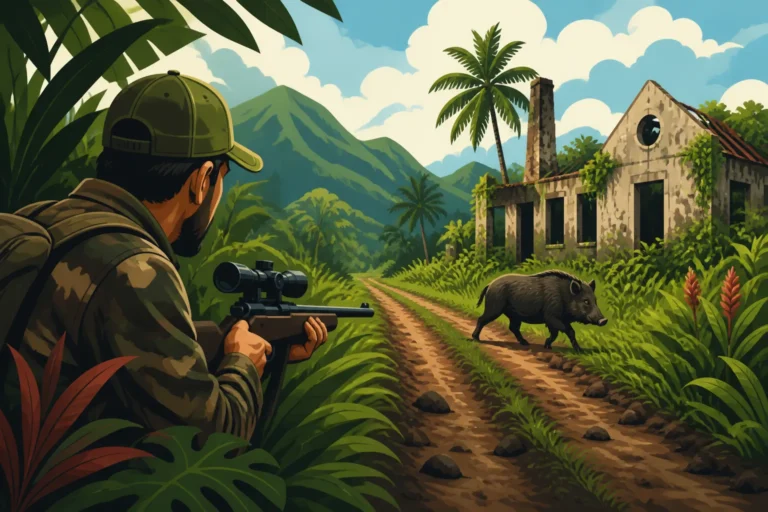
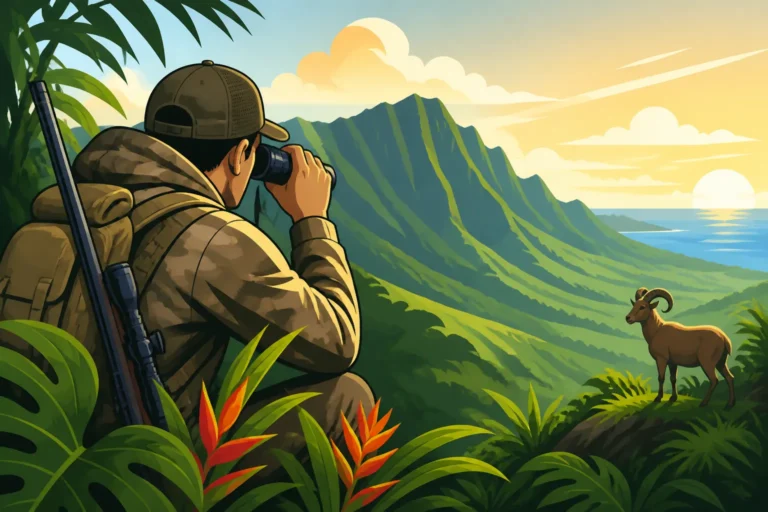
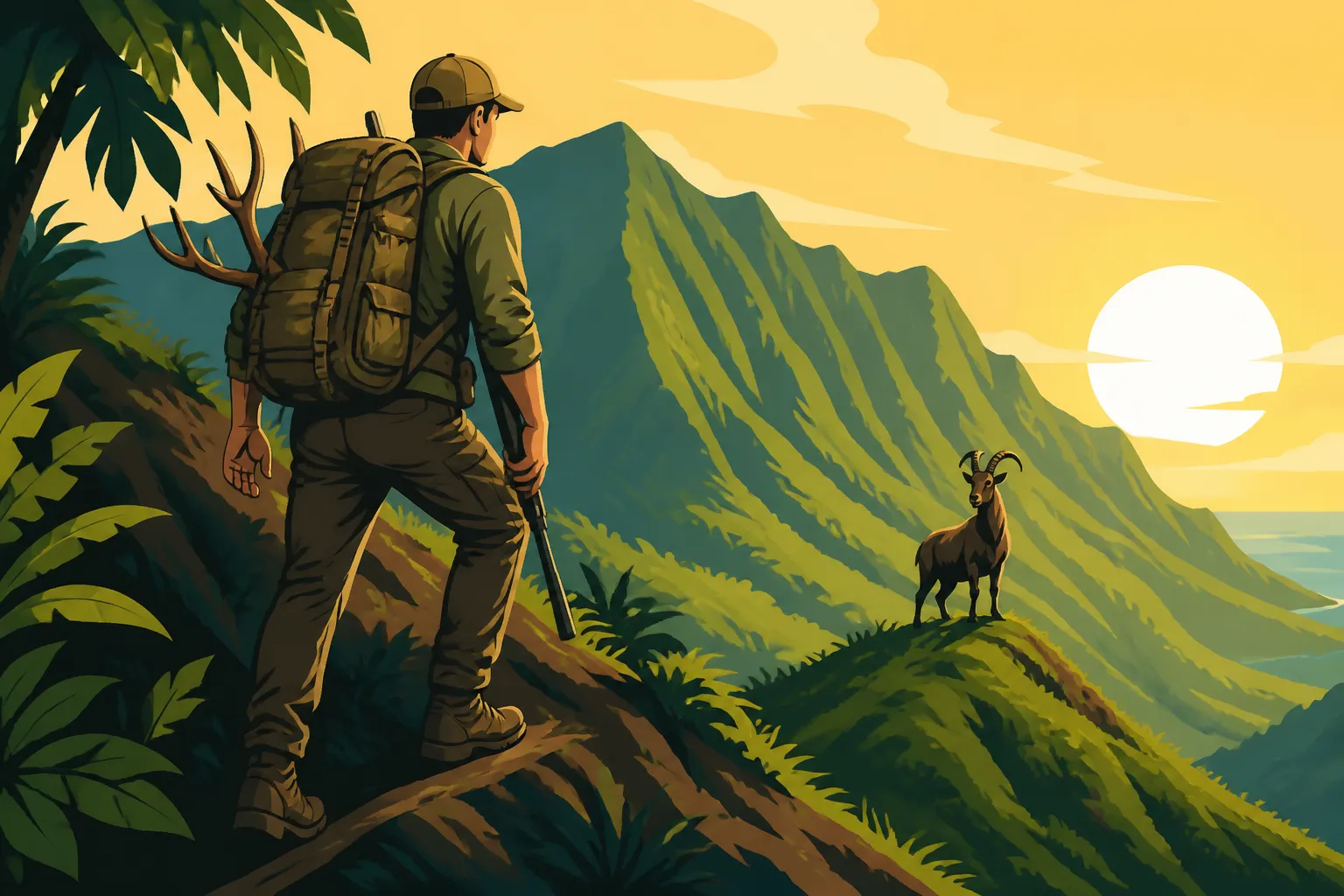
It's a common dilemma for hunters arriving in Hawaii, or even local folks who don't own a heavy-duty 4×4: how do you even think about hunting these islands without a truck? Many of Hawaii's most promising public hunting units are accessed via rough, unpaved roads that will chew up a rental sedan in minutes. But don't despair! This guide is for the determined hunter who plans to explore Hawaii's diverse hunting grounds on foot, proving that a reliable pair of boots can be just as effective as four-wheel drive.
The Reality of Hunting Hawaii Without a Vehicle
Let's face it, when you look at maps of Hawaii's hunting units, especially on the larger islands, the access roads often look daunting. You're thinking of lava fields, deep ruts, and slippery mud. It's easy to assume that if you don't have a lifted rig with aggressive tires, you're out of luck. But that's not the full picture, and with the right strategy, you can absolutely have a successful hunt.
Why Most Units Seem to Require 4WD
Many public hunting areas across the Hawaiian islands, from the Big Island's Saddle Road country to Maui's remote Kahikinui slopes, are indeed a serious challenge for anything less than a sturdy 4×4. These aren't your manicured national forest roads. We're talking about old plantation roads that haven't seen maintenance in decades, volcanic rock trails that will shred tires, or slippery, muddy tracks on the windward side that turn into bogs with the slightest rain. This is often by design, limiting access to reduce hunting pressure in certain areas or simply due to the sheer cost and effort of maintaining roads in such rugged, wet, and rapidly eroding environments.
The perception that a truck is essential isn't just an illusion; for many of Hawaii's units, it absolutely is. If you're looking to drive deep into a Game Management Area (GMA) like Kaohe or parts of the Puu Anahulu Game Management Area on the Big Island, a truck is non-negotiable. These areas cover vast expanses, and driving in allows hunters to cover more ground, reach distant areas, and, crucially, retrieve game far more easily. Without a vehicle, packing out a whole pig or a large axis deer from miles back in can feel like an impossible feat. This is where the notion of hunting entirely on foot gets its challenge, but also its unique reward.
Identifying Walk-In Friendly Units
Despite the prevalence of 4WD-dependent units, there are plenty of diamonds in the rough for the foot hunter. The trick is to identify units or specific sections of units that have accessible parking areas right off paved or well-maintained gravel roads. These might be smaller units, or segments of larger units that hug main thoroughfares. You'll often find these areas around the fringes of larger game management areas or within forest reserves closer to towns.
For example, on Oahu, many of the public hunting ridges and valleys, like those found in the Ewa Forest Reserve or the Waianae Kai, are primarily accessed on foot from designated trailheads or parking spots near public roads. Similarly, parts of the Kula Forest Reserve and Polipoli on Maui offer good foot access from paved routes. Even on the Big Island, there are segments of units, particularly on the periphery, where you can park a regular vehicle and hike in. When you're researching potential spots, look for detailed maps (many are available through the state's Department of Land and Natural Resources – DLNR, or via apps like OuterSpatial) that clearly mark parking areas and access points that don't immediately plunge into 4WD-only territory. Pay close attention to the rules for each unit; some may even explicitly state "walk-in access only" or prohibit vehicles beyond a certain point. These are your golden tickets!
Essential Gear for the Foot Hunter
Hunting Hawaii on foot, especially without a vehicle to retreat to, demands a minimalist yet robust approach to gear. Every ounce counts when you're hiking miles, often in challenging terrain and tropical heat, with the prospect of carrying out meat. Thinking through your kit thoroughly will make or break your hunt.
Footwear and Clothing for Varied Terrain
Hawaii's terrain is notoriously diverse and often brutal on gear. One moment you might be traversing slick, moss-covered volcanic rock, the next slogging through thick, sticky mud in a rainforest gulch, and then climbing through dry, abrasive kiawe flats. This is why your footwear is paramount. Invest in high-quality, waterproof, and supportive hunting boots. Brands like Kenetrek, Crispi, or even sturdy Merrells or Salomons designed for heavy backpacking can hold up. Look for good ankle support to prevent twists on uneven ground and a stiff sole to protect your feet from sharp lava. Remember that volcanic terrain can chew through boots quickly, so durability is key.
Your clothing needs to be versatile. Layers are crucial. Even though it's Hawaii, high-elevation units like those on Mauna Kea can get surprisingly cold, especially at dawn or dusk. Conversely, lower elevation units can be stiflingly hot and humid. Quick-drying, breathable synthetics or merino wool are your best friends. Avoid cotton, as it retains moisture, making you cold in the wet and miserable in the heat. Blaze orange requirements are in effect in many units, so make sure you have a vest or hat to comply with safety rules. Don't forget a lightweight rain jacket – even on the dry side, pop-up showers are common, and getting soaked miles from your car is no fun. A wide-brimmed hat and good sunglasses are also essential for sun protection.
Pack Systems for Hauling Meat
This is arguably the most critical piece of gear for the foot hunter. If you succeed, you'll need to get that meat out, often a considerable distance. A small daypack simply won't cut it. You need a dedicated hunting pack system designed for heavy loads, ideally one with a sturdy external or internal frame. Brands like Kifaru, Mystery Ranch, or Stone Glacier are popular for a reason – they're built to comfortably carry 50-100+ pounds of meat, gear, and water.
Look for a pack with a dedicated meat shelf or a design that allows you to expand the main compartment to place game bags directly against the frame, keeping the blood off your gear. Game bags are non-negotiable. breathable, washable game bags (like those from Argali or even sturdy cheesecloth bags) will protect your meat from flies and allow it to cool properly. Before you even head out, practice packing weight in your pack and hiking with it. Getting used to the feel and balance of a loaded pack will pay dividends when you're tired and facing a long walk out with a fresh hindquarter. Think about how you'll break down an animal in the field; knowing how to quarter an axis deer or a feral pig efficiently is crucial when every pound must be carried out.
Navigation and Communication Tools
Losing your way in Hawaii's dense jungle or vast lava fields can quickly turn a fun hunt into a dangerous situation, especially when there's often no cell signal on a Hawaii hunt. A reliable navigation system is non-negotiable. While a traditional topographic map and compass are always smart backups, modern GPS devices or smartphone apps are incredibly powerful. Apps like Gaia GPS or, specifically for Hawaii, the OuterSpatial app are fantastic. The OuterSpatial app to check in on public lands also allows you to download offline maps, track your route, and mark points of interest like your vehicle, water sources, or a downed animal.
Consider a satellite communication device like a Garmin inReach or a Zoleo. These devices allow you to send and receive text messages even when out of cell service, providing a crucial lifeline in an emergency. They also often have an SOS button that can summon help if you or a hunting partner gets injured. Don't rely solely on your phone; batteries die, and screens crack. A power bank to recharge your electronics is also a wise addition. Finally, a good headlamp with fresh batteries is a must, especially if you plan to hunt at first light or last light, or expect to pack out after dark.
Strategies for Successful Foot Hunts
Hunting Hawaii on foot isn't just about the gear; it's about a mindset and a strategic approach that maximizes your efficiency and increases your chances of success. It requires a different kind of planning than a hunt where you can rely on a truck to ferry you to prime spots.
Scouting and Planning Your Route
Pre-hunt scouting is paramount, especially when you're relying solely on your feet. Before you even step into the field, spend time poring over maps – both physical and digital. Use tools like Google Earth, Gaia GPS, or the Hawaii DLNR's online mapping portals to identify terrain features, potential bedding areas, feeding zones, and crucially, water sources in dry country. Look for old trails, natural funnels, or areas of varied vegetation that might hold game.
When you're walking into a remote Hawaii unit, you need a clear route planned, but also a backup plan. Identify landmarks, note changes in elevation, and anticipate where animals might move. Consider the wind and thermals; Hawaii's trade wind patterns can be tricky, often shifting with topography and time of day. Your plan should include an assessment of how far you're willing to go and, more importantly, how far you can realistically pack an animal out. For example, if you plan to target feral pigs in Hawaii's rainforest gulches, understand that a successful shot deep in a valley means a monumental climb out. Be realistic about your physical capabilities and adjust your penetration depth accordingly.
Carrying What You Need, Leaving What You Don't
The golden rule of foot hunting is "ounces equal pounds." Every item in your pack should justify its weight. While it's important to be prepared, it's equally important not to overpack. This means making smart choices about multi-use items and leaving luxuries at home. Do you really need that heavy spotting scope for dense jungle, or would a good pair of binoculars suffice?
Focus on essentials: water (or a water filter for reliable sources), first-aid kit, emergency shelter (even a lightweight tarp or bivy sack), knife, headlamp, fire starter, navigation tools, and enough food for your planned duration plus a buffer. Consider lightweight cooking options if you're out for multiple days. For water and heat planning for a Hawaii hunt, remember that even relatively short walks can deplete your reserves in the tropical climate. Carry more water than you think you'll need, or plan your route to hit known, safe water sources where you can filter. Packing meat out of a Hawaii gulch will be tough enough without being dehydrated and carrying extra unnecessary weight.
Managing the Harvest on Foot
Congratulations, you've connected with an animal! Now the real work begins. Field dressing and meat care are critical, especially in Hawaii's heat and humidity. You won't have the luxury of dragging an animal to your truck. The minute you have an animal down, get it gutted immediately to start the cooling process. Skinning and quartering the animal right where it falls is often the most practical approach. This reduces weight significantly, making it feasible to pack out.
Have plenty of game bags ready. Once the meat is in bags, separate it so air can circulate, which is crucial for cooling meat fast on a Hawaii hunt. If possible, find a shady, breezy spot to hang the meat while you prepare your pack for the heavy load. If you're on a multi-day hunt, consider boning out the meat to further reduce weight. Remember, proper field care in Hawaii's heat and humidity is essential to prevent spoilage. Plan your pack-out route carefully, prioritizing downhill sections where possible, and take frequent breaks. Don't be afraid to make multiple trips if the animal is large and the terrain is rough – your safety and the quality of your meat are worth the extra effort.
Maximizing Your Chances on Walk-In Hunts
Hunting without a truck isn't a limitation; it's an opportunity to approach hunting with a different perspective. It often forces you into areas that see less pressure, rewarding effort with unique experiences and sometimes bigger game.
Focusing on Smaller, Overlooked Areas
When everyone else is driving past the "No 4WD Beyond This Point" sign, you're just getting started. Many public units have pockets or corners that are less accessible to vehicles but are within a reasonable walk from a main road or a designated parking area. These are often where older, wiser animals hold up, having learned to avoid the noise and disturbance of vehicles.
Look for areas marked on maps as "kipuka islands of forest" within lava flows, or steep, brushy sections that deter even seasoned hunters with trucks. These might be smaller units or just sections of larger ones, like particular ridges in Hunting Oahu's Public Ridges or a specific gulch in Hunting Hawaii's Wet Forest Boundary Trail. Hunters with vehicles often drive past these "fringe" areas, focusing on deeper penetration. Your advantage is that you can slip into these overlooked spots quietly and thoroughly, often surprising game that feels secure from vehicle-based pressure. These might not be vast, open plains, but tight, difficult areas that pigs or goats love to bed in.
Timing Your Hunts for Cooler Conditions
Hawaii's tropical climate means heat can be a major factor, both for hunter comfort and meat preservation. If you're hunting on foot and facing a long pack-out, timing your hunts for cooler conditions can be a game-changer. This often means hunting at first light, focusing on the coolest hours of the morning, and again in the late afternoon as the sun begins to set. Not only are animals often more active during these times, but the cooler temperatures provide a window for field dressing and initial cooling of meat before the midday heat sets in.
Consider hunting during the "winter" months (roughly November to March) when average temperatures are a bit lower, or after a good rain. A cool, rainy day might seem unpleasant for hunting, but it can make hiking more comfortable, dampen sounds, and most importantly, keep meat cooler for longer during the pack-out. Also, fresh rain can make game sign more obvious. When you're planning your trip using resources like GoHunt, pay attention to local weather patterns and forecasts. This will allow you to plan for optimal conditions, especially if you're hunting species like axis deer, which can be particularly sensitive to heat.
Physical and Mental Preparation
Hunting Hawaii on foot, especially without the convenience of a truck, is as much a mental game as it is physical. You're going to push your limits, both in terms of endurance and problem-solving. Start preparing months in advance. Regular cardio, strength training, and especially hiking with a weighted pack will build the necessary stamina. Focus on exercises that strengthen your core, legs, and shoulders – everything you'll need to navigate steep, uneven terrain and carry heavy loads.
Mentally, you need to be resilient. There will be frustrating moments: missed opportunities, unexpected terrain, or simply feeling exhausted miles from your vehicle. Develop a positive, determined attitude. Break down long hikes into smaller, manageable segments. Hydrate relentlessly and fuel your body properly. Understand that success often comes down to perseverance. Embrace the challenge, knowing that the animals you pursue in these less-traveled areas are often harder earned and more rewarding. Getting the most from a Hawaii weekend unit means being ready to put in the physical and mental work to access and extract game.
| Feature / Access Type | Truck-Dependent Units (e.g., Deep GMA) | Foot-Friendly Units (e.g., Fringe Areas) |
|---|---|---|
| Road Condition | Unpaved, rough, rocky, muddy, often 4WD-only | Paved access to parking, then foot trails or unimproved tracks |
| Typical Terrain | Vast expanses, varied, can be very remote | Smaller, often steeper, dense pockets, closer to main roads |
| Hunting Pressure | Moderate to high (accessible to many with 4WD) | Potentially lower (deters vehicle-bound hunters) |
| Pack-Out Challenge | High (long distances, heavy loads, requires planning) | Manageable (shorter distances, but still challenging) |
| Gear Focus | Heavy-duty vehicle recovery, large game carriers | Lightweight, durable pack, essential navigation/survival |
| Scouting Strategy | Driving in, then shorter hikes, glassing from vehicle | Extensive pre-hike map study, on-foot reconnaissance |
| Suitable Species | Axis Deer, Mouflon Sheep, Feral Pigs, Feral Goats | Feral Pigs, Feral Goats, Game Birds, smaller Axis Deer areas |
| Ease of Access | Requires specific vehicle, potentially gated/locked | Often public parking, direct access to trailheads |
Disclaimer
Hunting in Hawaii involves inherent risks. Always consult the most current regulations from the Hawaii Department of Land and Natural Resources (DLNR) Division of Forestry and Wildlife (DOFAW) before planning any hunt. Ensure you have all necessary licenses, permits, and tags. Safety should always be your top priority. This guide is for informational purposes only and does not supersede official regulations or personal responsibility.