Beating the Crowd on a Weekend Unit
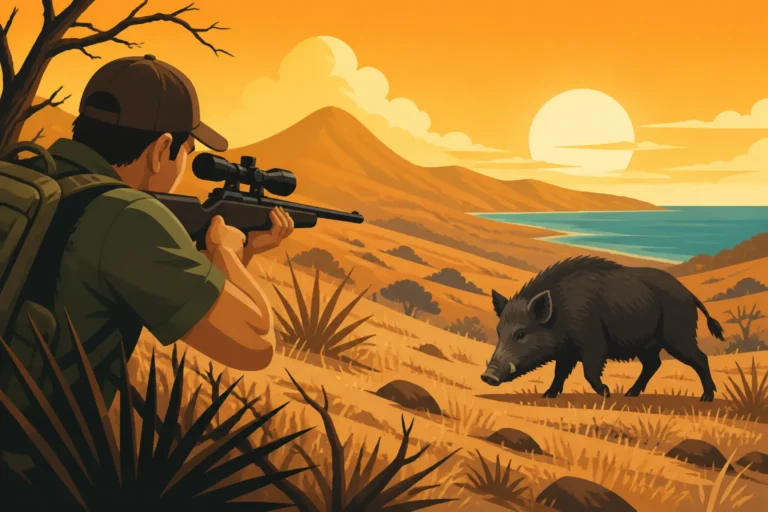
There's nothing quite like the excitement of a Hawaii hunting weekend, the anticipation of heading out into the ōhia forest or dry kiawe flats. But let's be real, that excitement can quickly turn into frustration when you pull up to the hunter check station only to see a dozen other trucks already there, or you hear shots ringing out from every direction as soon as the sun peeks over the horizon. Public land on the weekends in Hawaii can feel incredibly crowded, making it tough to find that solitude and unpressured game we all dream of. This guide is all about giving you the strategies and mindset to navigate those busy weekend units and still find success, even when it feels like everyone else has the same idea.
Understanding the Weekend Rush in Hawaii
It’s no secret that hunting opportunities in Hawaii, especially on public land, are often concentrated on weekends and state holidays. This isn't just a quirk; it's a fundamental aspect of how the state's Department of Land and Natural Resources (DLNR) Division of Forestry and Wildlife (DOFAW) manages hunting. This system, while providing access for many local hunters who work during the week, inherently creates bottleneck situations where a lot of people are trying to access the same limited resources at the same time.
Why Weekend Units Get Crowded
Let's face it, most folks have jobs and families, and the only real time they can dedicate to hunting is on the weekend. This simple fact means that any unit designated for weekend hunting is going to see a surge in activity. Consider places like some of the units on Maui or the Big Island – they might offer fantastic opportunities for Axis deer, feral pigs, or even mouflon sheep. But because these units are often only open on Saturday and Sunday, you can bet your bottom dollar that a good portion of the island's hunting community will be trying their luck there.
The sheer volume of hunters is compounded by the actual amount of accessible public hunting land. Compared to vast tracts of wilderness on the mainland, Hawaii's public hunting units can feel relatively small and sometimes fragmented. This creates a higher hunter density in certain areas. It's not just about the numbers, though; it's about the patterns. Most hunters will hit the easiest access points, drive the main roads, and stick to the well-worn trails. This predictability is a huge factor in why those "easy" spots feel so picked over so quickly. Understanding these dynamics, especially the specific rules for Hawaii's Weekend and Holiday Hunting Rules, is the first step to figuring out how to work around them.
The Impact on Game Behavior
Animals aren't dumb, especially when it comes to survival. Increased human presence and hunting pressure during the weekends drastically alter their behavior. Where they might be out and about in open areas during quieter weekdays, come Saturday morning, those same animals will likely become more nocturnal, seeking refuge in the thickest, nastiest cover they can find.
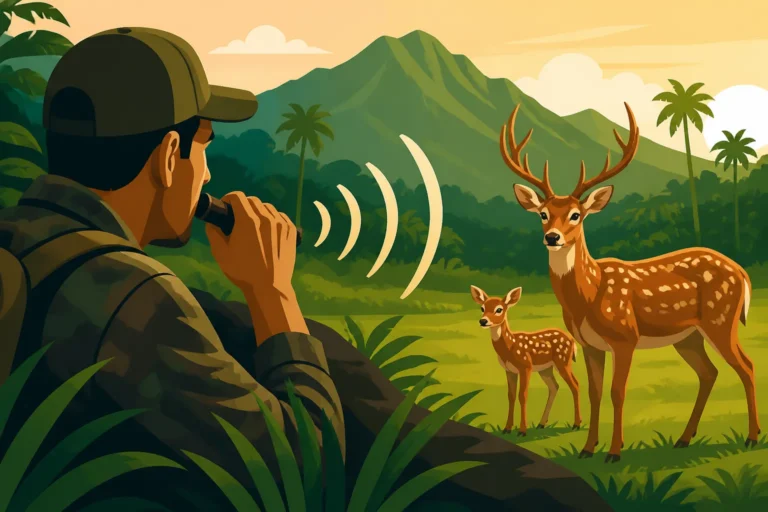
Imagine an Axis deer herd that normally grazes along a particular ridge at dawn. If that ridge sees multiple hunters walking it every weekend, those deer will quickly learn to move deeper into the kiawe thickets before daylight, only emerging after dark. Pigs, already masters of concealment, will become even more reclusive, hunkering down in dense guava or uluhe fern patches, only venturing out for food and water under the cloak of darkness or during the absolute quietest parts of the day. Mouflon sheep, often found on more open, exposed slopes, might shift their feeding times to early morning or late evening, or retreat to higher, steeper, and more inaccessible terrain where hunters are less likely to venture. This change in behavior means you can't hunt them the same way you would during a midweek hunt with less pressure. You have to anticipate their response to the crowd, almost thinking like the animal itself.
Strategic Planning for a Less Crowded Experience
Success on crowded weekend units isn't about luck; it's about putting in the homework before you even step foot in the field. This pre-hunt preparation is crucial for identifying those overlooked pockets where game might be holding tight, away from the throngs of other hunters.
Pre-Hunt Scouting Beyond the Obvious
The days of just showing up and hoping for the best are long gone, especially on Hawaii's popular weekend units. Your best friend here is detailed scouting, both from your computer and on the ground. Start with online resources. The Hawaii DLNR website and platforms like GoHunt offer invaluable access to maps, unit boundaries, and sometimes even recent harvest data. Dive deep into these maps, looking at topography, vegetation changes, and potential access points. Don't just look for the obvious roads; zoom in and find old trails, faint game paths, or natural funnels that might lead to areas less explored. Think about terrain features that might deter most hunters – a steep gulch, a dense lava flow, or a particularly thick patch of forest. These are often the places animals retreat to when the pressure is on.
Once you have some potential spots identified, if possible, do some physical scouting during the week or on an off-season day. Walk those trails, climb those ridges, and get a feel for the terrain. Look for fresh sign – tracks, scat, rubs, and bedding areas – well away from the main access roads. Pay attention to water sources in dry country or preferred food sources in wet areas. Remember, game animals are creatures of habit, but they adapt to pressure. Finding their new habits when the pressure is high is the key. Learning how to effectively read a Hawaii Unit Boundary Map is a skill that will pay dividends here, allowing you to identify those hidden corners.
Timing Your Entry and Exit
While you might be limited to weekend hunting, how you utilize those hours can make a massive difference. Most hunters roll in right at first light and head out around midday, or they might arrive mid-morning and hunt until evening. If you want to beat the crowd, you need to break that pattern.
Consider getting to your chosen unit well before dawn. We're talking seriously early. This allows you to hike in under the cover of darkness, reaching deeper into the unit before anyone else has even parked their truck. You can be set up in a prime location, waiting for legal shooting light, while others are still walking in. This early advantage can be crucial, as deer and pigs are often most active in the very first hour of daylight before human activity sends them scurrying. Similarly, don't be afraid to stay out later. Many hunters pack up an hour or two before dark. Those last minutes of daylight can be incredibly productive as animals start to move out of their bedding areas to feed.
And if your schedule truly allows, consider trying to hunt during a midweek window, even if it means taking a personal day. Hunting Midweek Where Hawaii Allows It can drastically reduce the hunter density and dramatically increase your chances of encountering undisturbed animals. While it’s not always feasible, it’s arguably the single most effective way to avoid the weekend crowds altogether.
Tactical Approaches in the Field
Once you've done your planning, it's time to execute. This is where your in-field tactics really come into play, helping you navigate the physical and behavioral challenges of crowded units.
Hunting the Hard-to-Reach Places
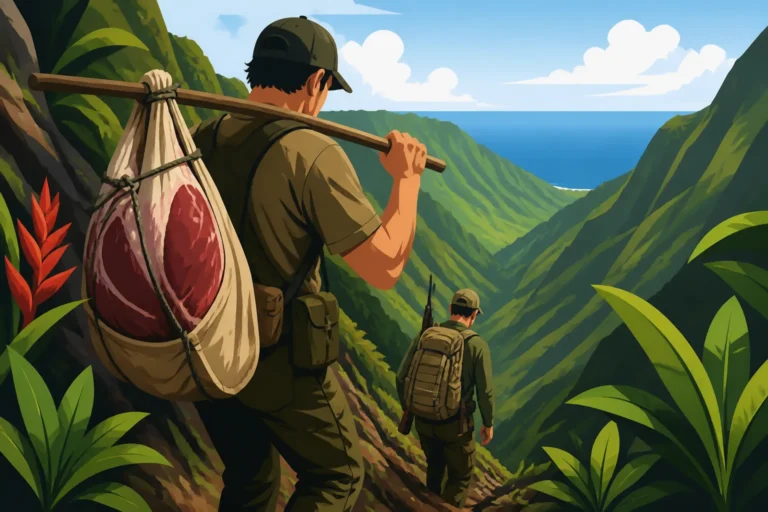
This is perhaps the most fundamental tactic for success on busy weekends: go where others won't. This often means walking further, climbing higher, or descending into terrain that looks daunting. While everyone else is sticking to the easily accessible trails or glassing from the roadside, you need to be willing to put in the physical effort to get beyond the immediate pressure.
Think about those steep gulches cutting through the landscape. Most hunters will look at them and decide it's too much work or too dangerous. But those gulches are often natural sanctuaries, offering thick cover, cooler temperatures, and escape routes for game. Learning Hunting Pigs in Hawaii's Rainforest Gulches can be a game-changer for pig hunters, as these areas often hold undisturbed animals. Similarly, on volcanic terrain, a nasty aā lava field or a remote kipuka – an island of vegetation surrounded by barren lava – can be incredibly challenging to navigate, but they also act as natural barriers to most hunters. Learning to navigate Hunting Hawaii's Volcanic Terrain will allow you to access untouched pockets of game. This might involve slow, methodical still-hunting through dense vegetation or picking your way carefully across rough ground, but the reward of finding unpressured game is often worth the extra effort. The key is to embrace the challenge of the difficult terrain, not shy away from it.
Adapting to Pressure-Induced Animal Movement
When a unit is full of hunters, game animals will move differently. They might become more crepuscular (active at dawn and dusk) or even entirely nocturnal. They'll use dense cover as security and travel corridors that offer maximum concealment. Your strategy needs to adapt to this.
Instead of hunting open clearings where you expect to see animals feeding, focus on the transition zones and escape routes. If you know where common access points are, try to anticipate where game will go when pressured. Often, this means animals will move away from the noise and activity, using the path of least resistance through thick cover to reach a more secure area. This might involve setting up an ambush point along a well-used game trail that leads from a pressured area to a bedding sanctuary. Still-Hunting Pigs in Hawaii's Wet Forest, for example, requires a slow, deliberate approach, picking apart the dense undergrowth, looking for subtle signs of movement, or listening for the rustle of leaves that indicates a pig is on the move. Animals may also move downhill into valleys or up to higher elevations, so thinking vertically about their escape routes is crucial. They will use the topography to their advantage, and you should too.
Using Topography to Your Advantage
Hawaii's volcanic and erosional landscapes offer incredible topographical features that you can leverage to find unpressured game. Ridges, valleys, saddles, and small kipuka can all create micro-habitats and travel corridors that influence where animals go and, crucially, where other hunters don't.
When scouting, identify prominent ridges that offer good glassing opportunities into valleys or gulches that are difficult to access. Animals often travel along these ridges or use them to cross from one drainage to another. A kipuka, literally an "island" of vegetation surrounded by lava, can be a magnet for game, offering food, water, and shelter in an otherwise barren landscape. Hunting a Hawaii Lava Kipuka can be incredibly rewarding, as these isolated pockets often hold game that feels secure. Similarly, if you find yourself on a main ridge that's getting a lot of foot traffic, consider dropping down into the adjacent valley or gulch. While the climb back out might be strenuous, the quiet and solitude can often lead to unpressured game. Learning to hunt Hunting a Ridge Above a Hawaii Valley offers a different perspective and allows you to potentially intercept animals moving between feeding and bedding areas. Understanding the lay of the land, and how animals use it for security, is paramount.
Gear and Mindset for Success on Busy Weekends
When you're pushing into harder-to-reach areas and hunting under pressure, your gear and your mental game become even more important. Cutting corners here can lead to discomfort, inefficiency, or even unsafe situations.
Essential Gear for Remote Access
You're going to be putting in the miles, often over unforgiving terrain, so having the right gear is non-negotiable. First and foremost, invest in high-quality, sturdy hiking boots that are well broken in and suitable for Hawaii's diverse landscapes. This means good ankle support and a robust sole that can handle everything from sharp lava to slippery, muddy trails. Read up on Boots for Hawaii Lava and Wet Forest to ensure you're making the right choice. Your feet are your most important asset when you're walking miles away from the truck.
Next, reliable navigation is key. While cell service can be spotty in many remote hunting areas (No Cell Signal on a Hawaii Hunt), a dedicated GPS unit or a smartphone with downloaded offline maps (like those offered by GoHunt or Using the OuterSpatial App to Check In) is crucial for staying found and keeping track of your route. Don't rely solely on paper maps; combine them with technology. Hydration is also paramount in Hawaii's heat and humidity. Carry more water than you think you'll need, or bring a quality water filter if you know there are reliable sources in your unit. Rain gear is another must-have, as pop-up showers are common, especially in the mountains or on the windward side. A lightweight, packable rain jacket and pants can save you from a miserable, chilled hunt. Don't forget a good headlamp, especially if you plan on hiking in before dawn or out after dark.
The Patient and Persistent Hunter
Perhaps more than any specific tactic or piece of gear, the most important tool you'll bring on a crowded weekend hunt is your mindset. You will hear other shots. You will see other hunters' trucks. You will likely encounter areas where game has been pushed out. None of this should deter you.
Success on pressured public land requires an immense amount of patience and persistence. It means being willing to walk further than everyone else, to sit longer, and to hunt slower and more deliberately. It means being comfortable with the idea that you might not see an animal for hours, but knowing that by sticking it out in those overlooked areas, your chances are steadily increasing. It's about being observant, picking up on subtle signs that others might miss, and constantly adjusting your plan based on what the animals (and other hunters) are doing. Don't get discouraged if the first few hours are quiet; remember, you're hunting animals that are being actively pursued. They're going to make you work for it. Embrace the challenge, enjoy the solitude you find in those remote pockets, and trust that your effort and strategy will eventually pay off.
Disclaimer
Hunting in Hawaii involves inherent risks, including but not limited to challenging terrain, unpredictable weather, and encounters with wildlife. Always prioritize safety, understand and follow all local hunting regulations, and be prepared for emergencies. The information provided in this guide is for informational purposes only and does not supersede official Hawaii Department of Land and Natural Resources (DLNR) Division of Forestry and Wildlife (DOFAW) regulations. Always check the most current regulations before planning any hunt.