Opening Weekend on a Hawaii Hunting Unit
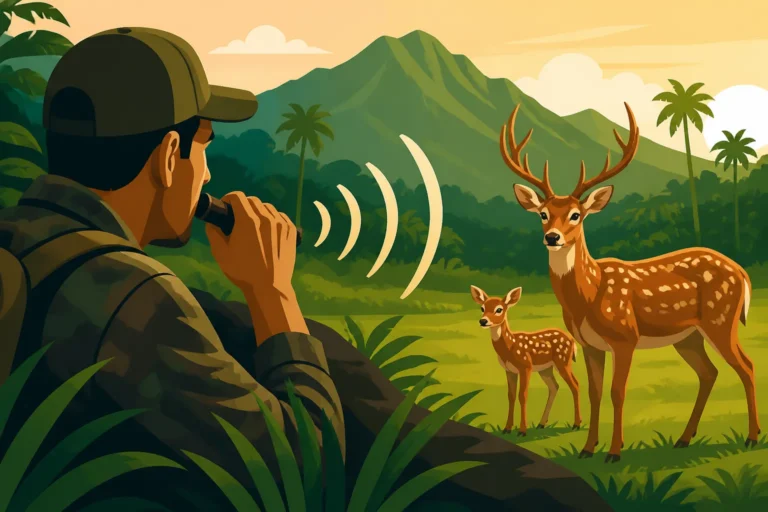
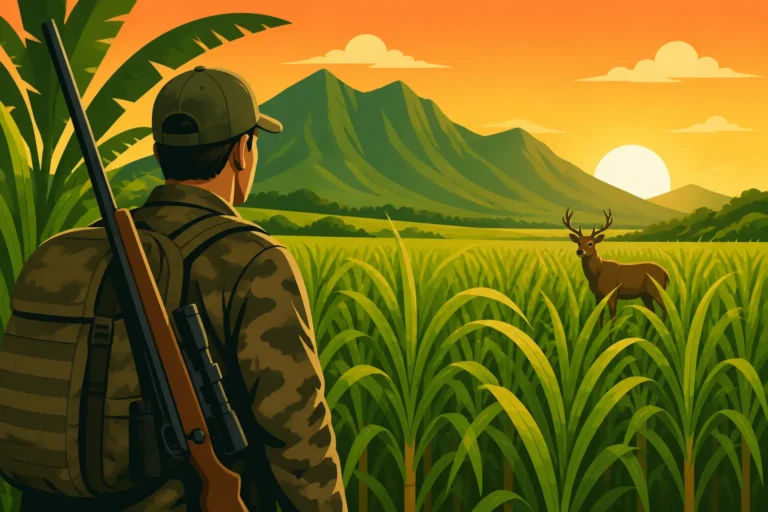
That first morning of a new hunting season in Hawaii… there's nothing quite like it. The air is still, the expectations are sky-high, and if you're like most of us, you're also bracing for the inevitable crowd. Opening weekend on many of Hawaii's public hunting units can feel less like a peaceful pursuit and more like a foot race, often leading to frustration if you're not prepared. This guide will help you understand the unique dynamics of opening weekend in the islands and equip you with practical strategies to make your hunt successful and, dare I say, enjoyable, despite the increased pressure.
Understanding the Opening Weekend Dynamics
Opening day, especially the very first weekend of a new season for a popular species or unit, holds a special allure for many hunters. That excitement is palpable in the air, but it also translates into crowded parking lots, busy check stations, and more boots on the ground than any other time. If you go into it expecting solitude, you're likely to be disappointed. Instead, it's crucial to understand why this phenomenon occurs and what challenges it presents, so you can adapt your approach and find success.
Why Opening Weekends Are So Busy
The appeal of opening weekend is universal: the season is fresh, hopes are high, and every hunter dreams of tagging that first animal. In Hawaii, this intensity is often amplified by the limited public access days for many of the state's hunting units. A significant number of prime hunting units, especially those on Oahu, Maui, and some parts of Hawaii Island, operate only on weekends and state holidays. This regulatory structure, detailed in resources like our guide to Hawaii's Weekend and Holiday Hunting Rules, funnels a large concentration of hunters into a relatively small window of time and space. Everyone has the same idea: get out there as soon as possible. This creates a bottleneck effect, making areas near access roads or popular trails particularly congested.
Beyond the calendar restrictions, there's also the element of tradition and camaraderie. For many local hunters, opening weekend is a social event, a chance to reconnect with friends and family in the field. This communal aspect, while wonderful, further contributes to the sheer number of people present. The desire to be among the first to "break the ice" on a new season is a powerful draw, often outweighing the potential for a less crowded experience later in the season.
Common Challenges You'll Face
The most immediate challenge you'll encounter is often the sheer volume of other hunters. Imagine arriving at a popular trailhead well before dawn, only to find the parking area already overflowing. This isn't an exaggeration; it's a common scenario in places like Maui's Kahikinui or some of Hawaii Island's game management areas. This translates directly to increased competition for prime hunting spots, as well as the game itself. Animals that might be visible and somewhat relaxed during mid-week scouting will be on high alert from the sound and scent of human activity.
Furthermore, the process of checking in and out of a unit can become a bottleneck. Many units require hunters to physically sign in at a designated station or use the OuterSpatial App to Check In. On opening weekend, these stations can have lines, or the digital system can be slower due to heavy traffic. This eats into valuable hunting time and can add to frustration. You might find yourself sharing ridge lines with multiple hunting parties, hearing distant shots, or even bumping into other hunters unexpectedly. The animals, in turn, become warier, often retreating deeper into cover or adopting more nocturnal patterns very quickly. Expect the unexpected, and prepare for a dynamic environment where adaptation is key.
Strategies for a Successful Opening Weekend
Navigating the crowds and increased pressure of opening weekend requires a deliberate strategy. You can't just show up and expect the same experience as a quiet Tuesday hunt. Instead, think about how you can zig when others zag, how to be more prepared, and how to outsmart both the game and, at times, the human element. It's about working smarter, not just harder, in a high-pressure situation.
Pre-Season Scouting and Planning
Your success on opening weekend often begins long before the first shot is fired. Thorough pre-season scouting is absolutely paramount. Don't just rely on what you know from previous seasons, as animal patterns and trails can shift. Use online mapping tools like those offered by GoHunt, or a physical map and compass, to identify areas that are off the beaten path. Look for alternative access points that might require a longer walk or a 4WD vehicle, as these tend to filter out a significant portion of the hunting crowd. Identifying natural funnels, bedding areas, and water sources that are farther from main roads will be crucial. Our comprehensive guide on Scouting a Hawaii Hunting Unit Before Opening dives deep into this, but for opening weekend, pay special attention to areas that are difficult to reach.
Consider overlooked terrain features that most hunters might avoid. Are there exceptionally steep gulches? Dense, thorny kiawe flats? Lava flows that are a pain to walk? These challenging areas are often where game will retreat when pressure mounts. Plot out multiple entry and exit strategies, and have a backup plan for your primary spot in case it's already occupied. Knowing exactly where you're going and having a contingency plan will save you precious time and reduce stress when daylight arrives and the rush begins.
Timing Your Approach and Tactics
While the instinct is often to be in your spot well before first light, sometimes a slightly different approach can pay off on opening weekend. Yes, the early bird often gets the worm, but if everyone else is also the early bird, you might find yourself in a chaotic situation. Consider starting a little later, allowing the initial burst of activity to subside. As other hunters push game, animals might move into areas you've identified as less pressured. This doesn't mean sleeping in, but perhaps waiting until the sun is fully up before entering certain areas, especially if you're "Walking In to a Remote Hawaii Unit" where the walk itself will take time.
When you're out there, actively avoid main roads, well-used trails, and obvious clearings. Instead, focus on still-hunting slowly and quietly through the thickest cover you can find. This is where pressured animals will seek refuge. Imagine yourself as a pig hunter still-hunting a guava thicket for pigs, even if you're targeting deer. That same methodical, stealthy approach is invaluable. Move into the wind, constantly scanning ahead and listening for any sign of movement. Pay close attention to subtle terrain features like small ridges or draws that offer concealment. Think about hunting a Hawaii's Fenced Conservation Boundaries, where animals might feel a sense of security from the perceived threat beyond the fence line, drawing them into specific areas you can target.
Adapting to Pressure and Animal Behavior
Game animals in Hawaii are incredibly resilient and quick to adapt to hunting pressure. On opening weekend, expect them to be significantly warier than they might be later in the season. They'll likely become more nocturnal, move through thicker cover, and be much less tolerant of human presence. Your tactics need to evolve with their behavior. Instead of trying to ambush animals in open areas, focus your efforts on dense bedding cover during daylight hours. This might mean slow, deliberate pushes through kiawe thickets for Axis Deer Hunting in Hawaii, or meticulously still-hunting through rainforest gulches for Hunting Hawaii's Feral Pigs.
Recognize that other hunters, even unknowingly, can be a tool. As they move through the unit, they might push animals towards you, especially if you're positioned intelligently in a pinch point or escape route. Conversely, be mindful of how your own movements might affect other hunters and the game. If you encounter another party, offer a friendly wave and consider moving to a different area to avoid interfering with their hunt. In areas like Hunting Hawaii's High Elevation Alpine Ground, where visibility can be vast, recognizing how distant hunters are moving can give you clues as to where game might be heading. This adaptive mindset, combined with a deep understanding of animal behavior under pressure, will dramatically increase your odds.
Essential Gear and Mindset for Opening Weekend
When you're heading out for opening weekend in Hawaii, it's not just about your rifle or bow. It's about having the right gear to ensure safety and comfort in potentially crowded and rugged conditions, and just as importantly, having the right attitude. A positive, patient, and safety-conscious mindset can make all the difference between a frustrating bust and a memorable experience.
Gear for Crowded Conditions and Remote Areas
Safety is paramount, especially when there are more people in the field. Always wear blaze orange, as required by Hawaii Blaze Orange and Safety Rules in many units. This isn't just a recommendation; it's a critical safety measure that makes you visible to other hunters. Beyond that, communication devices are key. While cell service can be spotty in many Hawaii hunting units, a satellite messenger or a two-way radio can be invaluable for staying in touch with your hunting partners or for emergencies. GoHunt offers features on their app that can help with offline mapping and communication planning.
Navigation is another critical component. Even if you've scouted thoroughly, the excitement of opening morning or the pursuit of an animal can lead you off course. A reliable GPS unit, or a hunting app like the one offered by GoHunt on your smartphone (with downloaded offline maps), combined with a physical map and compass, will prevent you from getting lost. Furthermore, be prepared for the physical demands. Hawaii's terrain can be brutal – steep gulches, thick vegetation, and unforgiving lava fields. Good quality hiking boots are non-negotiable. And, of course, once you've been successful, you'll need the right gear for Field Care in Hawaii's Heat and Humidity, especially if you find yourself Packing Meat Out of a Hawaii Gulch, which can be an exhausting endeavor.
| Aspect | Pros of Opening Weekend Hunting | Cons of Opening Weekend Hunting |
|---|---|---|
| Excitement/Atmosphere | High energy, sense of new beginnings, camaraderie with fellow hunters. | Can feel rushed or competitive, less solitude. |
| Game Availability | Animals less pressured initially, potentially more active. | Animals quickly become wary, pushed into thick cover. |
| Access/Crowds | First shot at prime spots. | Crowded trailheads, limited parking, busy check stations. |
| Success Rate | Often higher due to less wary animals (briefly). | Lower due to increased competition and noise. |
| Logistics | Standard check-in/out procedures (e.g., Using the OuterSpatial App to Check In). | Longer waits at check stations, more human interference. |
| Experience | Thrill of the chase, often a social event. | Potential for frustration with other hunters. |
Maintaining a Positive and Safe Mindset
Opening weekend can test your patience. You might hear more shots than usual, see other hunters in "your" spot, or find game more elusive than anticipated. It's vital to maintain a positive and patient mindset. Remember why you're out there: to enjoy the challenge, the beauty of Hawaii, and the unique experience of hunting. Frustration will only detract from your experience and potentially impact your decision-making.
Prioritize safety above all else. This includes not only your personal safety but also the safety of others. Be absolutely sure of your target and what lies beyond it before taking any shot. Respect property boundaries and other hunters' space. If you encounter another hunting party, communicate clearly and courteously. If you find yourself in a particularly crowded unit, consider shifting to a less popular area, perhaps one of the Hawaii Hunting Units That Need a Long Walk In, even if it means more physical effort. The reward of a more serene hunt, away from the immediate crush, can be well worth the extra miles. Ultimately, a successful opening weekend isn't just about punching a tag; it's about having a safe, respectful, and enjoyable time in Hawaii's stunning wilderness.
Disclaimer
Hunting is an inherently dangerous activity. This guide provides general information and recommendations but cannot account for all individual circumstances or specific unit regulations, which can change frequently. Always consult the most current Hawaii Department of Land and Natural Resources (DLNR) Division of Forestry and Wildlife (DOFAW) regulations before planning any hunt. Personal responsibility, adherence to safety protocols, and respect for the land and other users are paramount.