Hunting an Abandoned Plantation Track
Finding productive hunting ground in Hawaii can feel like a constant puzzle, especially when popular units get pressured. It’s easy to overlook the less obvious spots, but sometimes, the best opportunities lie hidden in plain sight. This guide will take you deep into the world of hunting abandoned plantation tracks, revealing how these forgotten arteries of old Hawaii can be prime territory for pigs, goats, and even axis deer, offering a unique and often less-pressured hunting experience.
Why Abandoned Plantation Tracks Are a Hawaii Hunter's Secret Weapon
When you think of hunting in Hawaii, you might picture vast lava flows, dense rainforests, or wide-open pastures. But tucked away, often swallowed by encroaching jungle or dry kiawe scrub, are the ghost roads of Hawaii's agricultural past: abandoned plantation tracks. These old routes, once bustling with cane haulers or pineapple trucks, are now silent, offering a unique hunting environment that many overlook, and that's exactly why they can be so good.
The Hidden Bounty of Overlooked Terrain
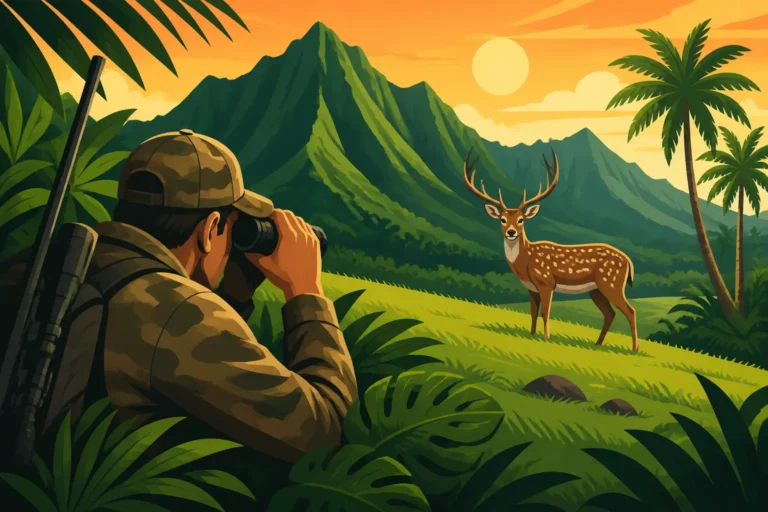
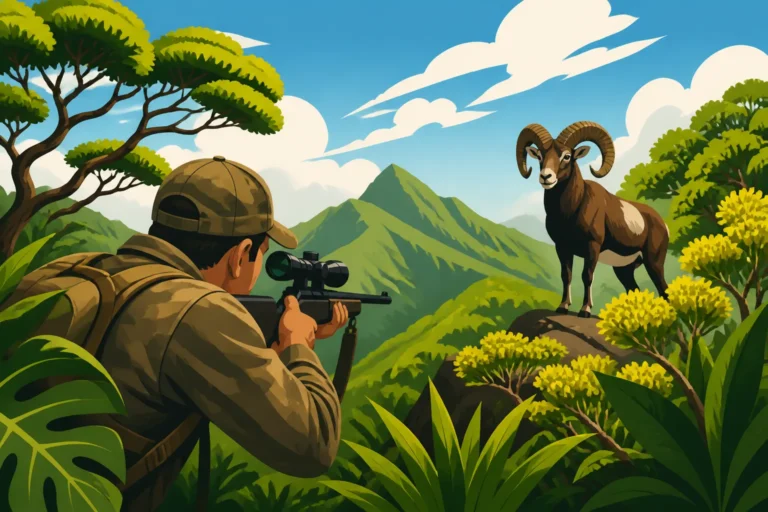
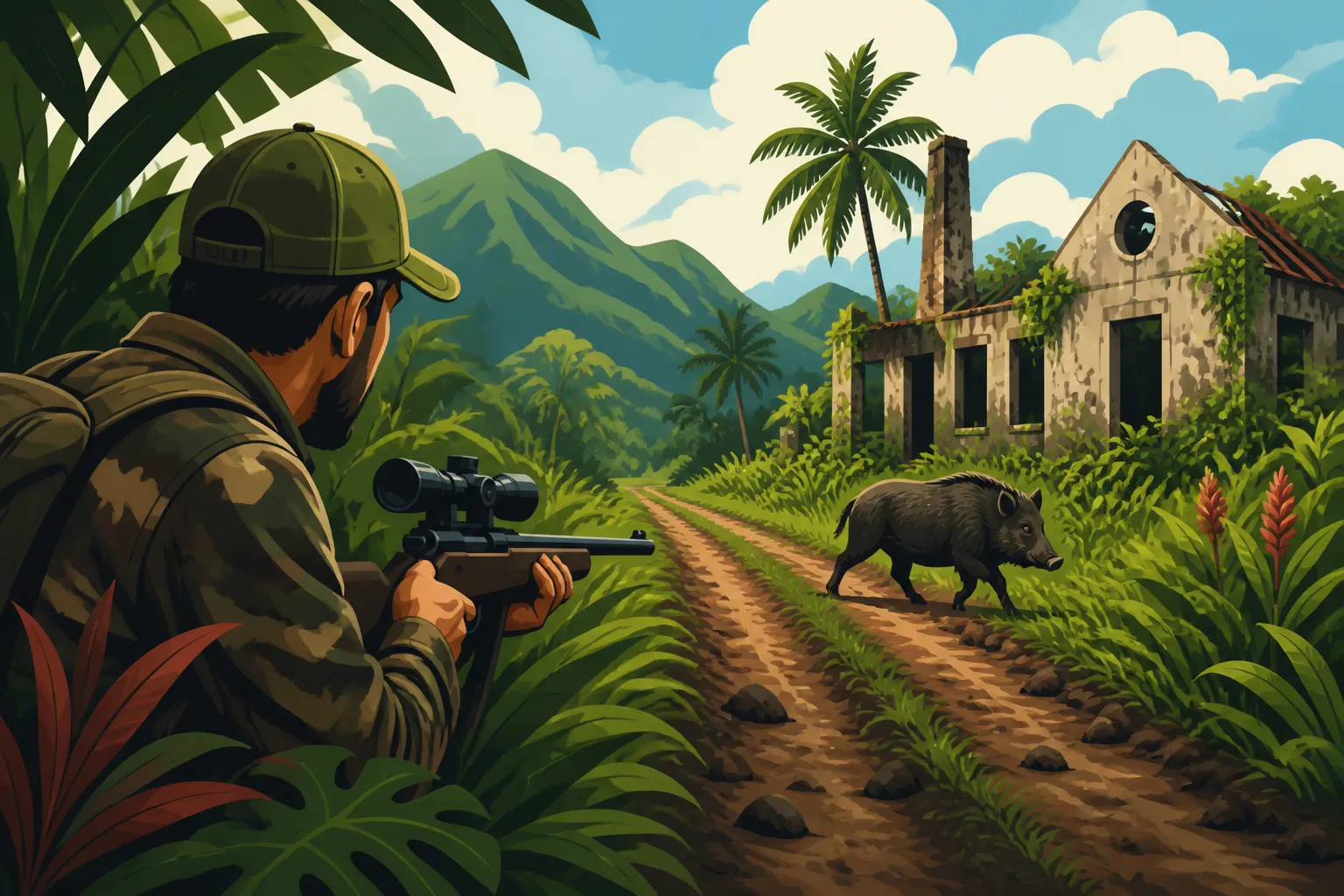
The beauty of hunting an abandoned plantation track lies in its neglect. These are not manicured trails; they are wild, overgrown ribbons of asphalt, dirt, or gravel, often choked with invasive species. This disarray, however, creates an incredible haven for game. Think about it: animals thrive on cover, food, and water, and these forgotten tracks, especially those bordering diverse ecosystems, often provide all three in abundance. Pigs, for instance, love the thick tangles of guava, haole koa, and Java plum that often reclaim these areas, providing both food and impenetrable bedding cover. You'll find them rooting along the soft edges of the old roadbed, turning over soil in search of tubers and fallen fruit. Goats, too, are drawn to the browse available on the edges, especially in drier, leeward areas where kiawe and other thorny bushes flourish. And if you're on Maui, Molokai, or Lanai, Axis deer will readily use these tracks as travel corridors, especially where they connect different types of habitat, like a dense thicket to an open feeding ground. The lack of consistent human traffic means these animals can feel safer, often moving during daylight hours closer to these old paths than they would on a more frequently used trail. This makes them ideal for a patient hunter willing to go the extra mile, literally, into areas others might dismiss as too much trouble.
Navigating the Relics of Old Hawaii
Hunting these tracks isn't like walking a maintained game trail. You're stepping back in time, often into areas where nature has aggressively reclaimed its domain. These old tracks might be cracked, eroded by rain, or completely swallowed by dense vegetation. You might encounter collapsed culverts that are now deep, hidden ditches, or sections where the original roadbed has completely washed away. It’s a challenge, no doubt, but one that adds to the adventure. Identifying what type of plantation it once was can also give you clues. An old sugar cane track, for instance, might be found in wetter, flatter areas, leading to dense, swampy gulches where pigs thrive. A former pineapple field track might traverse rolling hills, with more open areas transitioning into kiawe forest, ideal for Axis deer. Coffee plantations, typically found on the slopes of volcanoes like Mauna Loa or Hualalai, often mean steeper terrain and tracks that wind through a mix of native and introduced forest, excellent for pigs and sometimes goats. Always be aware of your surroundings, both for game and for your own safety. A good GPS unit or a mapping app like GoHunt is absolutely indispensable here, helping you stay oriented when the "path" seems to disappear. You’ll be navigating through history, and that takes respect and preparation.
Scouting and Strategy for Plantation Track Success
Success on an abandoned plantation track often hinges less on sheer luck and more on meticulous scouting and a well-thought-out approach. These areas are not always about covering miles quickly; they're about understanding the subtle ways animals interact with these linear features and exploiting those patterns.
Reading the Land: Signs and Movement Patterns
Before you even think about loading your rifle or nocking an arrow, you need to become a detective. Walk the tracks, observing every detail. Look for fresh pig rooting along the soft dirt edges, especially after rain, or distinctive rubs where Axis bucks have scraped velvet from their antlers on low-hanging branches. Pay close attention to crossing points – where game trails intersect or parallel the old track. These are high-traffic zones. In dry country, an old stock pond or even a muddy seep near the track can be a magnet for thirsty animals. For example, if you're hunting an old pineapple track on Molokai, you might find Reading Axis Deer Sign in Dry Country where deer have been feeding on kiawe pods or lauhala fruit, their droppings and fresh tracks telling a story. On the wetter side of Hawaii Island, an old sugar cane route might lead directly to a pig wallow, muddy and pungent, indicating recent activity. Animals often use the overgrown edges of these tracks as secure travel corridors, moving from bedding areas to feeding grounds. They know these old paths offer easier travel than busting through thick jungle, but they also use the dense cover to stay out of sight. Learning to recognize these subtle patterns is key to positioning yourself for a successful encounter. You might even discover that a particular section of track serves as a natural funnel, channeling game movement through a narrow pinch point, making it an ideal ambush location.
Approaching the Hunt: Stealth and Patience
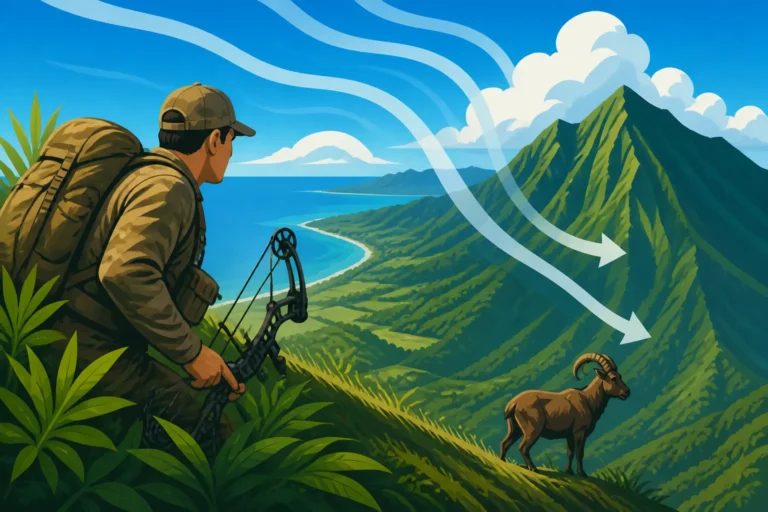
Once you've done your scouting, it's time to put a plan into action. Still-hunting is often the most effective method on these overgrown tracks. This involves moving slowly, taking a few steps, then pausing to glass and listen for extended periods. Think of it as a silent crawl rather than a brisk walk. The dense vegetation along the track's edge provides excellent cover for both you and the animals, so you need to pick apart every shadow and every rustle. Always be mindful of the wind – it's your most important hunting tool, especially in Hawaii's shifting thermals. If you're Still-Hunting Pigs in Hawaii's Wet Forest along a track, the damp air can carry scent far, so keeping the wind in your face is paramount. Dawn and dusk are prime times. Animals feel most secure moving onto or along these tracks during low light. As the sun rises, look for pigs crossing from bedding areas deeper in the thicket to feeding spots. In the evening, watch for deer cautiously emerging from cover to browse along the edges. Set up in a spot that offers a clear shot, but also good concealment. Sometimes, the best strategy is to find a vantage point overlooking a long, relatively open stretch of track, or to sit quietly at a junction where multiple game trails converge. This often requires significant patience, but the rewards of encountering an animal that feels secure in its habitat can be immense.
Essential Gear and Safety Considerations
Hunting abandoned plantation tracks in Hawaii is not a casual stroll. It’s an adventure into rugged, often unforgiving terrain that demands the right gear and a serious commitment to safety. You're entering areas where help might be a long way off, and the landscape itself presents unique challenges.
What to Carry When the Path Disappears
Your gear list for these hunts needs to be robust. First and foremost, sturdy, ankle-supporting boots are non-negotiable. You’ll be walking over uneven ground, loose rock, slippery mud, and potentially through thorny vegetation like kiawe. Consider boots with good waterproofing if you’re in a wet forest environment. Next, navigation is absolutely critical. While a paper map is a good backup, a reliable GPS device or a robust smartphone app like OuterSpatial or the GoHunt app is essential for tracking your progress, marking sign, and finding your way back, especially if the track disappears completely or you decide to leave the path to follow game. Given the dense, often thorny growth, a machete or a good pair of heavy-duty pruners can be a game-changer for clearing shooting lanes or making a path through an exceptionally thick section. You'll need plenty of water – more than you think – as Hawaii's heat and humidity, even in shaded areas, can lead to rapid dehydration. A good first-aid kit, a headlamp, and emergency signaling devices (whistle, satellite messenger) are also vital. For clothing, durable long pants and long-sleeved shirts made from tough, quick-drying material will protect you from scratches, thorns, and insects. A lightweight rain jacket is also smart, as weather in Hawaii can change in an instant, turning a sunny morning into a torrential downpour. You can find a more comprehensive list in articles like What to Pack for a Hawaii Hunt.
Common Hazards and How to Mitigate Them
The very nature of abandoned tracks creates hazards. Hidden holes, loose rocks, and slippery mud are common. Always watch your footing. Dense thorny brush, particularly kiawe, can quickly turn a walk into a painful ordeal if you're not properly dressed. Beyond the terrain, consider the wildlife itself. While most game animals are shy, feral pigs can be dangerous, especially a sow with piglets or a cornered boar. Always be aware of your surroundings, listen for sounds of movement, and give animals space. Lack of cell service is another major concern in many remote track areas. Never rely on your phone for communication or navigation; have backups. If you're going alone, leave a detailed hunt plan with someone responsible, including your route, expected return time, and contingency plans. Better yet, hunt with a partner. Even if you don't hunt with dogs, you might encounter feral dogs, which can be unpredictable. Finally, always confirm land ownership and access before you go. Even old tracks often cross private property or restricted areas. Respecting boundaries and being familiar with Hawaii Hunting Licenses and What They Cost and unit rules ensures you're hunting legally and safely. The State of Hawaii Department of Land and Natural Resources (DLNR) Division of Forestry and Wildlife (DOFAW) provides maps and information on public hunting units, often accessible via services like GoHunt, helping hunters confirm where they can legally be.
| Plantation Type | Typical Terrain | Common Vegetation | Primary Game Species | Challenges |
|---|---|---|---|---|
| Sugar Cane | Flat to gently rolling, often near streams | Guava, Java Plum, tall grasses, dense thickets | Feral Pigs, Feral Goats (occasionally) | Very dense cover, mud, difficult visibility |
| Pineapple | Rolling hills, drier slopes | Kiawe, Haole Koa, grasses, occasional open patches | Axis Deer (Maui, Molokai, Lanai), Feral Goats, Pigs | Thorny brush, less water, exposed areas |
| Coffee/Macadamia | Steeper slopes, mixed forest | Native trees, introduced fruit trees, dense ferns | Feral Pigs, Feral Goats (especially at higher elevations) | Steep climbs, slippery conditions, deep gulches |
| Ranch Pasture | Open to moderately vegetated, often fenced | Grasses, scattered trees, thorny shrubs | Axis Deer, Feral Goats, occasionally Pigs | Private land access, less cover for stalking |
Hunting these tracks is about more than just finding an animal; it's about connecting with a forgotten piece of Hawaii's history and experiencing the land in a way few others do. Whether you're carefully navigating through a kiawe flat for Axis deer or Hunting Pigs on Hawaii's Wet Windward Side along a choked old road, these hidden gems offer a truly authentic and challenging hunt.
Disclaimer
Please remember that hunting regulations, unit boundaries, and access rules can change frequently in Hawaii. Always consult the most current Hawaii Department of Land and Natural Resources (DLNR) Division of Forestry and Wildlife (DOFAW) regulations and maps before planning any hunt. Safety should always be your top priority in the field.