Reaching a Hawaii Unit by 4WD Road
Trying to access those prime Hawaii hunting grounds can often feel like you need a secret handshake and a monster truck, right? You've got your permits, you've scouted the maps, but then you hit that "road" sign that looks more like a suggestion than an actual path, and your sedan just isn't going to cut it. This guide is all about navigating those challenging 4WD roads, helping you understand what it takes to get to your hunting unit safely, and making sure you’re prepared for whatever Hawaii's unique terrain throws at you.
The Reality of Hawaii's Hunting Roads
Let's be real, Hawaii's "roads" to hunting units are often a far cry from paved highways. We're talking about paths carved out by generations of hunters, cattle, and the sheer force of nature. These aren't always maintained, and conditions can change drastically with a single rainstorm, leaving you facing mud bogs, washed-out sections, or fields of unforgiving lava rock. It's enough to make even seasoned off-roaders pause and think twice.
Why 4WD is Often Non-Negotiable
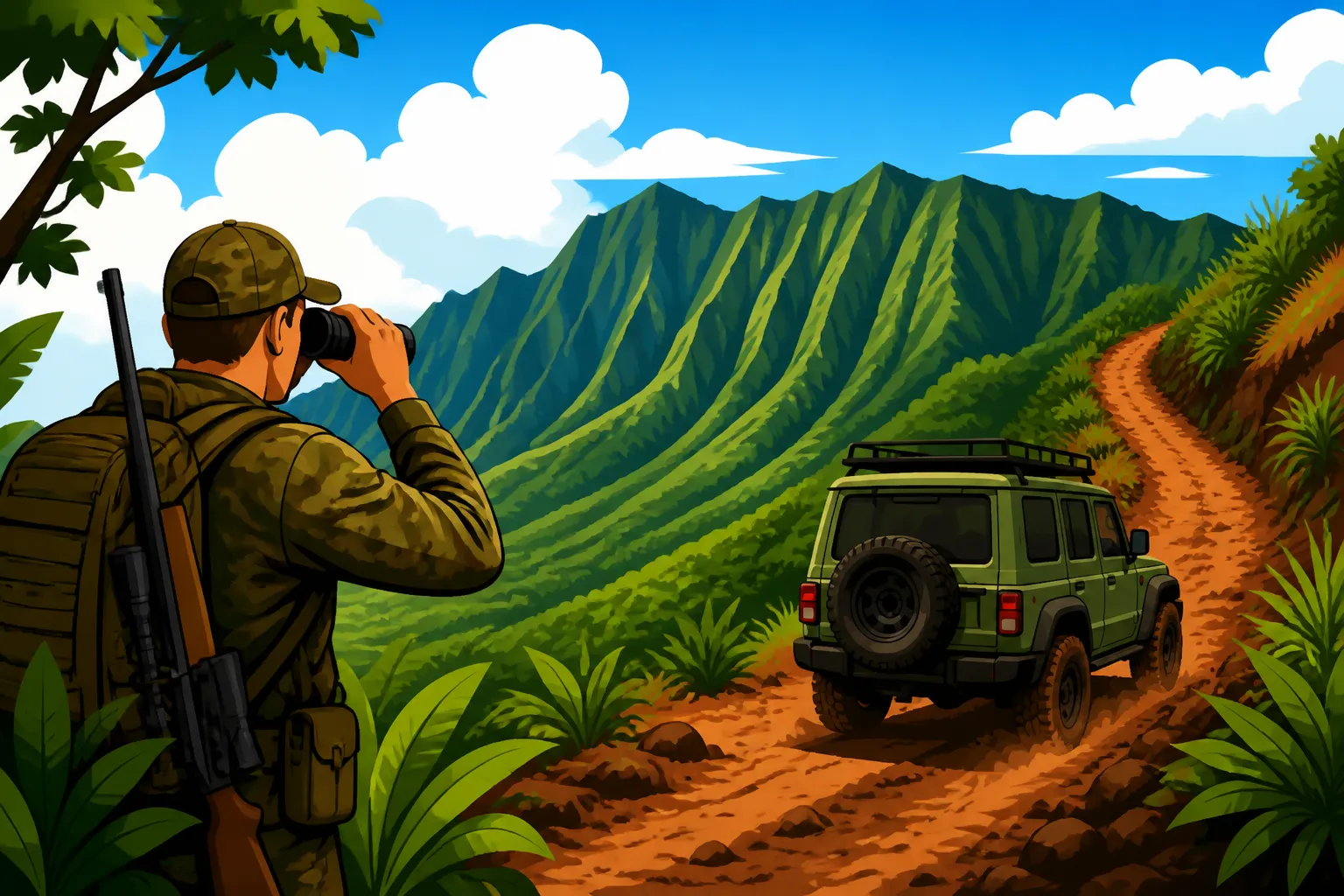
When you look at a Hawaii hunting unit map, those lines representing roads can be deceiving. What appears as a simple track might be a gauntlet of gnarly obstacles. Picture this: you've planned a hunt in the back country of the Big Island, maybe up towards Mauna Kea or deep into a remote section of Kahikinui on Maui. You arrive at the trailhead in your rental SUV, only to find the "road" quickly devolves into a rock-strewn track, followed by a steep, muddy climb. A two-wheel-drive vehicle, or even an all-wheel-drive crossover, simply won't have the ground clearance or the traction to make it through.
The truth is, much of Hawaii's public hunting land, especially the really productive spots, is only accessible via true 4-wheel-drive. This isn't just about getting stuck in mud; it's about navigating sharp, tire-shredding lava fields, crossing loose cinder, or climbing incredibly steep, rutted inclines. Without the low-range gearing and robust suspension of a proper 4WD, you'll either damage your vehicle, get stuck, or simply be forced to turn back, wasting precious hunting time and effort. It’s a frustrating reality when you know the game is just beyond your reach because your vehicle can't get you there.
Navigating Unit-Specific Vehicle Restrictions
Adding another layer of complexity are the specific rules and regulations that Hawaii's Department of Land and Natural Resources (DLNR) Division of Forestry and Wildlife (DOFAW) places on vehicle access within different hunting units. It’s not just about what your vehicle can do, but what it's allowed to do. Many units have designated parking areas beyond which only foot traffic is permitted, or specific roads that are closed seasonally or permanently to motorized vehicles.
For example, certain sections of the Mauna Kea hunting units on Hawaii Island have locked gates or require special permits for vehicular access beyond a certain point, even if you have a capable 4WD. The same goes for parts of the Forest Reserves on Maui, where only specific access roads are open to hunters, and even then, they might be subject to closure if conditions are too wet. You might find yourself wanting to hunt a promising area that you can see on a map, only to discover that the only way to get in is by foot, carrying all your gear for miles. This is why checking the latest DOFAW announcements and unit-specific rules before you go is absolutely critical. Imagine driving all the way out there, only to be stopped by a locked gate and a sign stating "No Vehicular Access Beyond This Point." It happens more often than you think, and it's a huge time-waster if you haven't done your homework. Using resources like GoHunt Hawaii or the official DOFAW website can save you a lot of headache here. For a detailed breakdown of how these areas operate, you might want to read our guide on Hawaii's Hunting Units and How They Work.
Preparing Your Vehicle and Yourself for Hawaii's Backcountry
So, you've decided a 4WD is the way to go. Smart move. But simply having a 4WD vehicle isn't enough; you need to ensure it's up to the task and that you're equipped to handle potential issues far from any roadside assistance. Hawaii's remote hunting units aren't the place to find out your spare tire is flat or your tow strap is missing.
Essential 4WD Vehicle Features and Maintenance
Let's talk brass tacks about what makes a 4WD vehicle truly suitable for Hawaii's hunting roads. First and foremost, ground clearance is king. Those exposed lava rocks, deep ruts, and downed branches will make quick work of a low-slung undercarriage, damaging fuel tanks, differentials, and suspension components. A truck or SUV with good factory clearance, or even a modest lift kit, will fare much better.
Next, tires are absolutely crucial. Stock highway tires are practically an invitation for a puncture on lava or a slip-and-slide event in the mud. All-terrain (AT) tires are a minimum, with mud-terrain (MT) tires being highly recommended for units with significant rainfall and muddy trails. Hawaii's volcanic rock and ubiquitous kiawe thorns are notorious for deflating tires, so robust sidewalls are a huge plus. Always, always carry a full-size spare tire in good condition, along with a reliable jack and lug wrench. A tire plug kit and a portable air compressor can be lifesavers for minor punctures or airing down for traction.
Before you even leave your driveway, perform a thorough vehicle check. This means inspecting all fluids (oil, coolant, brake fluid), checking brake pads, ensuring all lights work, and testing your 4WD system (both 4-high and 4-low). If you're renting a vehicle, specify that you need a true 4WD, not just an AWD. Many rental companies offer Jeep Wranglers or Toyota 4Runners, which are generally good choices for this type of terrain. Ensure you know how to engage the 4WD system and any lockers if present. A well-maintained vehicle is your best friend in the backcountry.
Packing for Self-Sufficiency on Remote Roads
Once your vehicle is prepped, it's time to think about what goes inside it. Because cell service is practically nonexistent in many Hawaiian hunting areas, being self-sufficient isn't just a good idea; it's a necessity. Imagine breaking down miles from the nearest paved road, with no bars on your phone. It's a real and dangerous possibility. Our guide on No Cell Signal on a Hawaii Hunt covers this in more detail.
Here’s a checklist of essential items for remote 4WD access:
| Category | Essential Items | Notes |
|---|---|---|
| Recovery | Heavy-duty tow strap (30ft+), D-ring shackles, shovel, traction boards (Maxtrax) | Essential for self-recovery from mud or getting over obstacles. |
| Navigation | GPS device (Garmin InReach/Spot), physical maps, compass, extra batteries | Don't rely solely on phone. Download offline maps on apps like onX or OuterSpatial. |
| Tire Repair | Full-size spare, reliable jack, lug wrench, tire plug kit, portable air compressor | Kiawe thorns and lava rock are brutal on tires. |
| Communication | Satellite messenger (Garmin InReach, Spot X), fully charged cell phone (for emergencies if service found) | Critical for emergencies when out of cell range. Let someone know your plans. |
| Vehicle Tools | Basic tool kit, duct tape, zip ties, jumper cables, extra fluids (oil, coolant) | For minor field repairs. |
| Survival | Plenty of water (gallon per person/day minimum), high-energy food, first-aid kit, headlamp, fire starter, rain gear, warm layers, extra fuel | Hawaii's weather can change fast, and dehydration is a serious risk. Check out Water and Heat Planning for a Hawaii Hunt. |
Remember, this isn't just about getting your truck unstuck; it's about being prepared to spend an unexpected night or even two out in the elements if a major breakdown occurs. It's a different kind of preparation than you might be used to if you hunt closer to civilization.
Strategies for Successful 4WD Access and Navigation
Alright, you've got the right rig, and it's loaded with the essentials. Now, how do you actually use it effectively to get to those hunting hot spots? It’s not just about mashing the gas; it's about smart planning and careful driving.
Pre-Trip Scouting and Map Reconnaissance
The hunt begins long before you even turn the key in the ignition. Thorough pre-trip scouting and map reconnaissance are paramount when venturing into Hawaii's 4WD-only units. Don't just glance at a general map; dive deep into detailed topographic maps, satellite imagery, and aerial photos. Apps like onX Hunt or OuterSpatial are invaluable for this, as they often show specific roads, trails, and land ownership boundaries. You can download maps for offline use, which is critical given the lack of cell service. Pay close attention to elevation changes, potential water crossings, and any features that might indicate difficult terrain, such as lava flows or dense vegetation.
Beyond digital tools, check the official DOFAW website frequently for any road closures or changed conditions for your specific unit. Hawaii's weather can be unpredictable, and a heavy rain event can quickly render a previously passable road completely impassable. Local forums or online hunting groups can also provide invaluable, up-to-date information on current road conditions. Sometimes, a quick call to the local DOFAW office can yield crucial insights into the current state of a particular access road. It's all part of doing your homework to avoid disappointment and potential danger. For more tips on getting ready, check out Scouting a Hawaii Hunting Unit Before Opening.
Driving Techniques for Diverse Hawaiian Terrain
Once you're on the ground and heading in, adapting your driving technique to the specific Hawaiian terrain you encounter is key. This isn't a race; it's a careful dance with the landscape.
- Lava Fields: These are perhaps the most unique challenge. Go slow. Pick your lines carefully, aiming for the smoothest path to avoid sharp edges that can shred tires and large bumps that can high-center your vehicle. Maintain a consistent, low speed. Engaging 4-Low can give you better control and torque for crawling over obstacles without excessive throttle input. If you're going to be traversing a lot of volcanic rock, our article on Hunting Hawaii's Volcanic Terrain has some critical advice.
- Muddy Ruts: After even a light rain, many dirt roads in Hawaii's wetter regions turn into slick, boggy messes. Keep your momentum up, but not so much that you lose control. If you encounter deep ruts, try to straddle them or drive with one set of wheels on the high ground, if safe. Avoid sudden braking or steering inputs. If you start to slip, gently steer into the slide and maintain steady throttle. If the mud is really deep, it's often better to stop, assess the situation, and perhaps use traction boards if you anticipate getting stuck.
- Steep Grades: Whether ascending or descending, use 4-Low. For climbs, maintain steady power, avoid stopping mid-hill if possible, and keep your wheels pointed straight. For descents, let your engine braking do most of the work, using the brakes sparingly to maintain control. Never descend a steep grade faster than you'd be comfortable climbing it.
- Narrow Trails & Blind Corners: Many access roads are single-lane, winding through dense vegetation or around blind corners. Drive defensively, anticipate oncoming traffic (other hunters, ranch vehicles, hikers), and be prepared to stop or yield. Honking before blind turns can alert others to your presence.
The general rule is: slow and steady wins the race. Haste leads to mistakes, breakdowns, and potentially dangerous situations. Patience is a virtue, especially when navigating Hawaii's challenging backcountry roads.
Contingency Planning for Getting Stuck or Breaking Down
Even with the best preparation and careful driving, things can still go sideways. Getting stuck or breaking down in a remote Hawaii hunting unit is a serious situation, and having a contingency plan is non-negotiable.
First, if you find yourself stuck, don't panic. Assess the situation calmly. Can you self-recover using your traction boards or winch? Are you high-centered, or simply lacking traction? If you can't self-recover, consider your communication options. This is where your satellite messenger like a Garmin InReach becomes invaluable. You can text for help, give your precise GPS coordinates, and explain your situation. Remember, cell phones often won't work.
Always, always let someone reliable know your hunting plan – your exact unit, your intended access route, and your estimated return time. This "float plan" is your insurance policy. If you don't check in, they'll know where to start looking. The reality is that recovery services in remote Hawaiian areas are expensive, time-consuming, and can be difficult to coordinate. You might be waiting hours, or even a full day, for assistance.
In the event of a breakdown that you can't fix, the safest option is often to stay with your vehicle. It provides shelter, and it's easier for search and rescue to locate a vehicle than an individual trying to walk out. Make sure you have enough water, food, and warm clothing to safely weather an overnight stay. Your emergency gear isn't just for short fixes; it's for survival.
Real-World Scenarios and Unit Examples
Let’s get specific. Knowing the general challenges is one thing, but understanding how they apply to actual hunting units across the islands can truly help you prepare. Hawaii's islands, while small, offer incredibly diverse terrain, each with its own set of 4WD requirements.
The Big Island's Diverse 4WD Challenges
Hawaii Island, the largest and youngest of the chain, boasts some of the most dramatic and challenging hunting terrain, and consequently, some of the most demanding 4WD access roads.
- Mauna Kea's Cinder Roads and Lava Fields: Heading up to the high elevations of Mauna Kea for mouflon sheep means tackling a mix of rough, rocky roads and loose cinder tracks. The main access road, while often graded, can be washed out after heavy rains, revealing sharp, embedded rocks. Branching off into hunting units like Hunting Unit A on Mauna Kea will quickly take you onto much rougher terrain, including extensive lava flows. Here, high ground clearance and robust tires are absolutely essential. The air also thins out at these elevations, which can affect engine performance, especially if your vehicle isn't naturally aspirated or properly tuned.
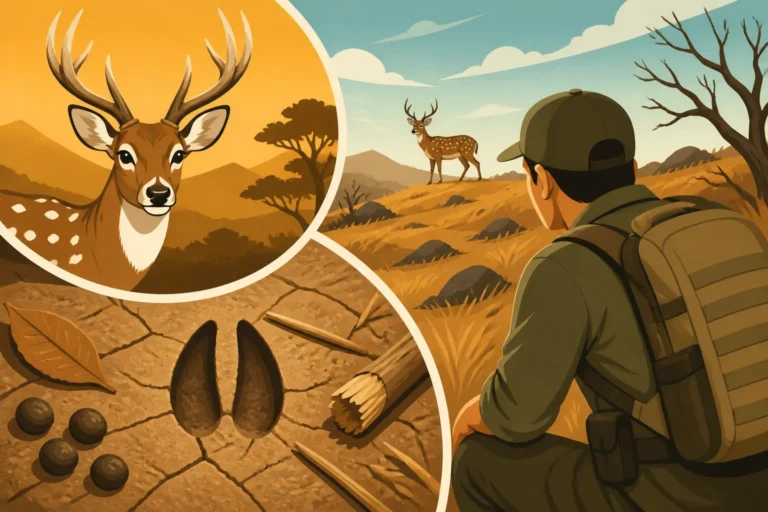
- Puu Anahulu GMA's Rough Ranch Roads: On the leeward side, the Puu Anahulu Game Management Area (GMA) offers axis deer and feral goats. Access here is typically via old ranch roads that can be heavily rutted, dusty when dry, and incredibly slick and muddy after rain. These roads often wind through kiawe forests, where thorns are a constant threat to tires. You might also encounter cattle guards that require a careful approach. While not as high-elevation as Mauna Kea, the sustained rough driving can still take a toll on your vehicle.
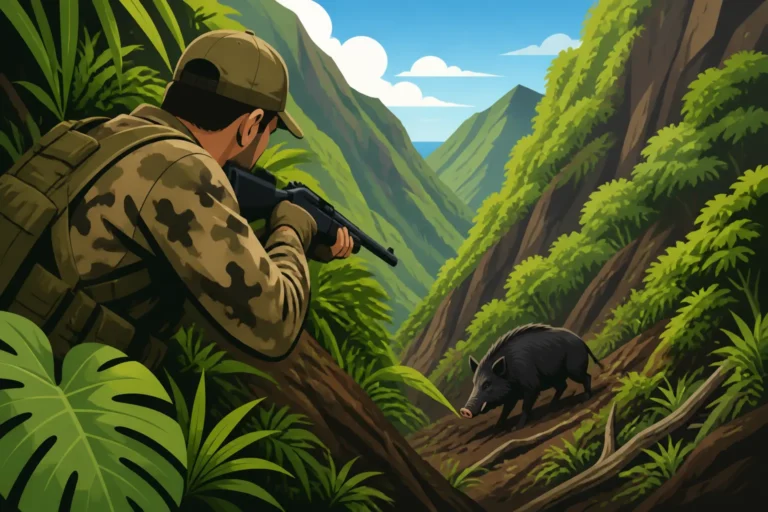
- Wet Forest Roads in Hilo Forest Reserve: If you're after pigs in the dense, wet forests on the windward side, such as the Hilo Forest Reserve, expect mud, mud, and more mud. The roads here are often unpaved and shaded, meaning they rarely dry out completely. Deep ruts, slick clay, and downed trees are common obstacles. A vehicle with aggressive mud-terrain tires and a winch would be a huge asset in these areas. The constant moisture also means you'll want to be extra vigilant about keeping your muzzleloader powder dry if that's your weapon of choice, something we detail in Keeping Powder Dry on a Wet Forest Hunt.
Maui Nui's Specific Access Points
Maui, Molokai, and Lanai, collectively known as Maui Nui, also present their own unique 4WD challenges, especially given the density of axis deer on these islands.
- Kahikinui's Sometimes Treacherous Lower Roads (Maui): On the south slope of Haleakala, the Kahikinui area on Maui offers spectacular hunting for axis deer and goats. The upper roads tend to be a bit better maintained, but venturing onto the lower, more remote tracks can involve steep, rocky descents and ascents, often through thick brush and loose cinder. These roads can become impassable after heavy rains, making some of the best hunting pockets inaccessible without a serious 4WD rig. Check out Hunting Maui's Upcountry Forest Reserves for more on this region.
- Lanai's Unit One and its Rocky Trails: Lanai is renowned for its axis deer, and while some of the main arteries are decent, much of the productive hunting ground in Hunting Lanai's Unit One requires capable 4WD. The island's terrain can be a mix of dry, rocky hillsides, deep gulches, and red dirt roads that turn to greasy mud after rain. The volcanic rock and dense kiawe can be brutal on tires, so robust rubber is a must. Many of the trails are narrow, winding through kiawe thickets, making turnarounds difficult. Accessing the interior of the island on your own often requires a solid understanding of its road network.
- Molokai's Lesser-Known, Rougher Access Points: Molokai offers some fantastic axis deer hunting, often with bigger-bodied bucks, but much of the private land access and even some public access roads can be incredibly rough. These are often unmaintained dirt tracks used by ranchers, requiring serious ground clearance and an experienced 4WD driver. The island's remote nature means you're often far from help if you get stuck. Accessing areas like the West End ranch lands might require local knowledge or a guide to navigate the labyrinth of unpaved roads effectively.
Getting to these units is half the adventure, but it’s an adventure that requires respect for the land, proper preparation, and the right vehicle. Don't underestimate Hawaii's "roads" – they're part of the wilderness experience itself.
Disclaimer
The information provided in this guide is for general informational purposes only and does not constitute professional advice. Hunting regulations, unit access, and road conditions in Hawaii can change frequently. Always consult the official Hawaii Department of Land and Natural Resources (DLNR) Division of Forestry and Wildlife (DOFAW) website, local hunting regulations, and current weather forecasts before planning any hunting trip. Hunter safety and responsible outdoor practices are paramount.