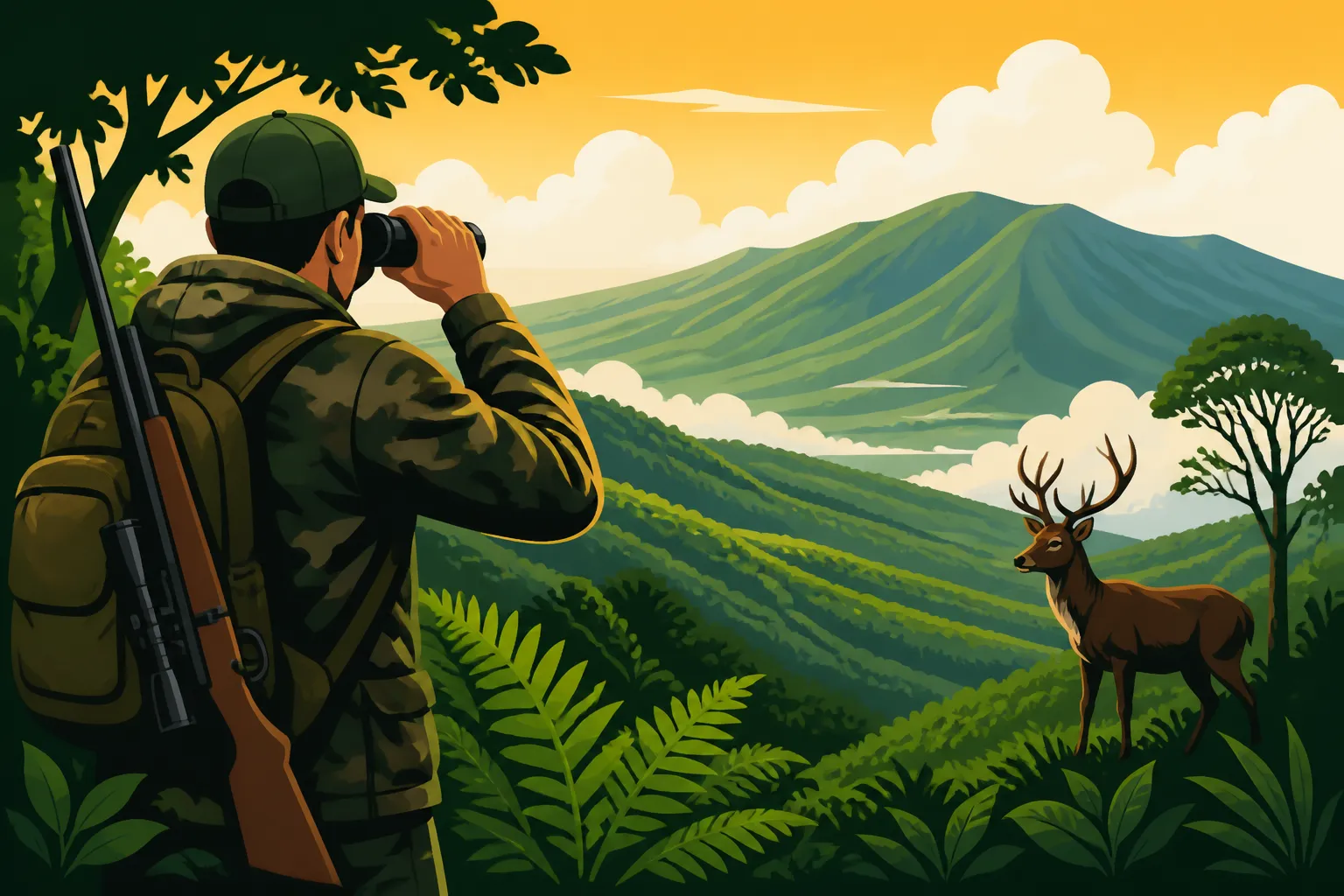
Hunting Maui’s Upcountry Forest Reserves
For many hunters arriving on Maui, the idea of pursuing game in the island's unique upcountry forest reserves can feel like trying to solve a complex puzzle without all the pieces. Between understanding fluctuating regulations, deciphering unit maps, and preparing for the surprisingly rugged terrain, it’s easy to feel overwhelmed before you even set foot in the field. This comprehensive guide aims to demystify hunting in Maui's Kahikinui, Kula, and other high-elevation reserves, equipping you with the knowledge needed to plan a successful and rewarding hunt.
Understanding Maui's Upcountry Forest Reserves for Hunting
Maui's upcountry isn't just a picturesque agricultural landscape; it's home to vast tracts of public hunting land, managed by the Department of Land and Natural Resources (DLNR) Division of Forestry and Wildlife (DOFAW). These reserves offer a drastically different experience than the coastal plains, with varied elevations, climates, and vegetation. They present unique challenges and opportunities, making them a favorite for local hunters and a sought-after destination for visitors willing to put in the effort.
Overview of Kahikinui and Kula Forest Reserve
When we talk about Maui's upcountry hunting, two primary areas often come to mind: Kahikinui Forest Reserve and Kula Forest Reserve, which includes Polipoli Spring State Recreation Area. Both are situated on the slopes of Haleakalā, but they each offer distinct ecosystems and hunting experiences.
Kahikinui, located on the drier, leeward slopes of Haleakalā, is characterized by open grasslands, dense kiawe thickets, and scattered eucalyptus stands at lower elevations, transitioning to more diverse forest types as you climb. This area is vast and rugged, often requiring significant hiking to access prime hunting grounds. Axis deer are the main attraction here, though feral pigs and goats can also be found, particularly in the deeper gulches and wetter pockets. The landscape can be unforgiving, with sharp lava rock, thorny vegetation, and extreme heat, demanding robust gear and physical endurance from hunters.
Kula Forest Reserve, including the Polipoli area, sits on the wetter, cooler slopes. Here, you'll find stands of introduced trees like eucalyptus, Monterey pine, cypress, and native ʻōhiʻa and koa at higher elevations. This denser, often damp forest provides excellent cover for feral pigs and, to a lesser extent, goats. While axis deer might occasionally venture into the fringes of Kula, they are far more prevalent in Kahikinui. The terrain is often steep, muddy after rain, and can be disorienting due to the thick canopy, requiring careful navigation. Understanding the specific nuances of each area is key to successful planning and executing a hunt.
The Unique Challenges of Upcountry Hunting
Hunting in Maui's upcountry comes with its own set of hurdles that mainland hunters, and even those from other Hawaiian islands, might not anticipate. The dramatic elevation changes mean that thermals can shift rapidly, making wind a constant factor to monitor, especially on the leeward side of Haleakalā where winds often funnel. The weather can also be incredibly fickle; you might start your day in bright sunshine only to be engulfed by dense fog or torrential rain within an hour, particularly in the Kula side.
Furthermore, the vegetation itself poses a challenge. Kahikinui's kiawe thorns are notorious for puncturing tires and shredding pants, while Kula's wet forests can turn trails into slick, muddy slides. Water sources are often scarce in Kahikinui, making hydration a critical concern, especially during the hotter months. On the flip side, Kula's constant moisture can make keeping gear dry a battle. Hunters must be prepared for extreme physicality, long walks, and the mental fortitude required to navigate areas with limited visibility and steep, uneven footing.
Key Species and Their Habitats in Maui's Upcountry
Maui's upcountry forest reserves are prime habitat for several introduced game species, each with its own preferences for terrain, vegetation, and behavior patterns. Understanding these can significantly increase your chances of a successful hunt. The primary targets here are Axis deer, feral pigs, and feral goats.
Axis Deer: Behavior and Preferred Areas
Axis deer (Axis axis), often considered Hawaii's signature big game, thrive in the open, drier environments found at lower to mid-elevations of Maui's upcountry, making Kahikinui a prime location. These elegant animals prefer areas where they can browse on grasses, forbs, and leaves, but also have access to thick cover for bedding and shade during the hotter parts of the day. In Kahikinui, you'll find them frequenting the expansive kiawe flats, the edges of eucalyptus groves, and the more open grassy ridges where they can easily spot predators (or hunters).
Unlike many deer species, Axis deer do not have a set rutting season, meaning bucks can be in hard antler and breeding almost year-round. This adds an interesting dynamic to hunting, as mature bucks can be encountered at any time. They are often found in herds, which can range from a few individuals to dozens, with a mix of does, fawns, and bucks. Early mornings and late afternoons are the best times to find them actively feeding, but in hot weather, they will often bed down in dense cover or seek shade near water sources during the middle of the day. Understanding their patterns and how they react to pressure is vital for a successful hunt. If you're looking for more general information on these animals, consider checking out our in-depth guide to Axis Deer, Hawaii's Signature Big Game.
Feral Pigs: Where to Find Them in the Forest
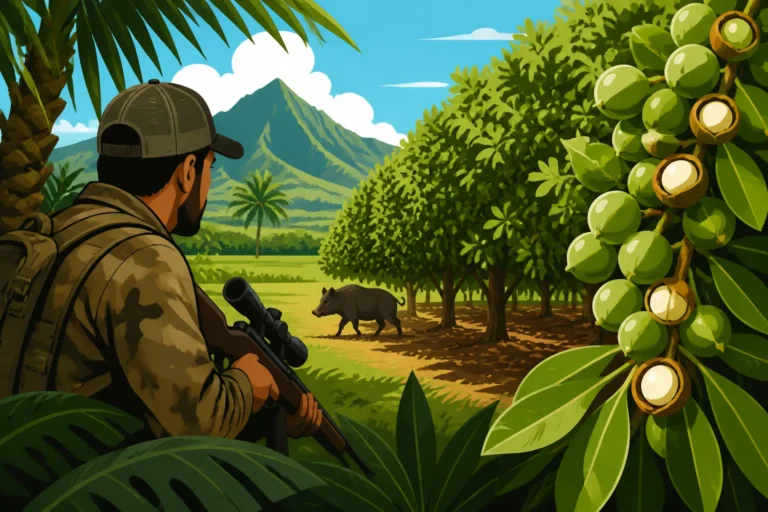
Feral pigs (Sus scrofa) are ubiquitous across Maui's upcountry, though their distribution varies based on moisture and vegetation density. They are highly adaptable and can be found from the dry lower slopes to the wet, high-elevation forests. However, they particularly favor the denser, wetter environments of the Kula Forest Reserve, including Polipoli, where there's abundant rooting material, perennial water sources, and thick cover.
Pigs are opportunistic omnivores, feeding on roots, tubers, fruits, invertebrates, and even small vertebrates. Their presence is often indicated by extensive rooting damage in the forest floor, muddy wallows, and trails worn through dense vegetation. In Kula, look for pigs in the thick undergrowth, along stream beds, and in areas with guava, 'uluhe fern, or other dense vegetation where they can feel secure. On the drier Kahikinui side, pigs will be more concentrated around the few reliable water sources and deeper gulches that retain moisture. Hunting pigs often involves still-hunting through dense cover or, for those who prefer it, utilizing dogs, a method explored further in Dog and Knife Pig Hunting in Hawaii.
Feral Goats: Rocky Slopes and Gulches
Feral goats (Capra aegagrus hircus) are another common sight in Maui's upcountry, particularly favoring the rugged, rocky terrain and steep gulches where they can easily evade predators and find sparse browse. In Kahikinui, you'll encounter them on the sheer cliffs and slopes of the deeper gulches, as well as on rocky outcroppings and less accessible ridges. They are masters of navigating steep, loose ground, making them a challenging target for hunters.
Goats are primarily browsers, feeding on a wide variety of plants, including those that other animals might avoid. They are incredibly resilient and can thrive in very dry conditions, often going for extended periods without surface water by obtaining moisture from their forage. Look for them at first light and last light, moving between bedding areas on high, secure ledges and feeding grounds in the gulches or on less steep slopes. Their white or light-colored coats can sometimes make them stand out against the darker volcanic rock, but they can disappear into the terrain with surprising speed. Hunting goats in these challenging environments demands keen eyesight and steady footing, which is detailed in Hunting Hawaii's Feral Goats.
Navigating the Terrain and Access Points
Getting into Maui's upcountry hunting units can be an adventure in itself. The remote nature of these areas often means challenging road conditions, limited parking, and the necessity of navigating complex trails. Planning your access thoroughly is just as important as planning your hunt itself.
Road Access and Parking Limitations
Access to Maui's upcountry hunting units, especially Kahikinui, often requires a high-clearance, four-wheel-drive vehicle. Many of the access roads are unpaved, deeply rutted, and strewn with sharp volcanic rock, not to mention the ever-present kiawe thorns that love to puncture tires. It's not uncommon to encounter washouts or impassable sections, especially after heavy rains. Before heading out, always check the latest road conditions with DOFAW or local contacts. You don't want to find yourself stranded miles from anywhere with a flat tire and no cell service.
Parking can also be limited, often consisting of small pull-offs along the main access roads. These spots fill up quickly on popular hunting days, particularly on weekends. Always ensure your vehicle is parked completely off the main thoroughfare and does not block any gates or access points, as these are frequently used by land managers or local ranchers. Be mindful of private property boundaries, which can often be unmarked or poorly signed along the roadsides. Respecting these boundaries is crucial for maintaining hunting access in these areas.
Hiking Trails and Remote Unit Access
Once you've navigated the roads and parked, much of Maui's upcountry hunting requires significant walking. In areas like Kahikinui, official marked trails are scarce, and hunters often rely on old ranch roads, game trails, or simply navigating cross-country. This means being proficient with a map and compass, or a reliable GPS device with updated topo maps and satellite imagery. The terrain can be deceptively rugged, with deep gulches, steep ascents, and dense vegetation that can quickly disorient an unprepared hunter.
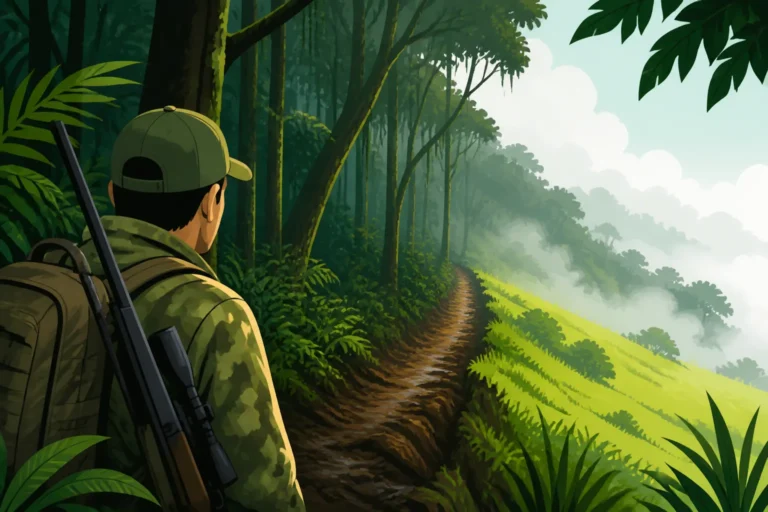
For areas within Kula Forest Reserve, like Polipoli, there are more established trails, but they can still be steep, muddy, and slick, particularly during the wet season. These trails often lead into very dense forest, which is excellent for pig hunting but requires careful attention to stay on track. If you plan on going deep into these units, be prepared for an all-day hike, and perhaps even an overnight stay if you get a late start or have a long pack-out. Remote access demands self-sufficiency and a good understanding of your physical limits. For those who enjoy the challenge, Walking In to a Remote Hawaii Unit offers more insights on planning such an endeavor.
Understanding Boundaries and Private Land
One of the biggest frustrations for hunters in Hawaii, and particularly on Maui, is navigating the patchwork of public and private land. Hawaii's hunting units often abut private ranches or conservation easements, and boundaries are not always clearly marked. While the GoHunt Hawaii website and the OuterSpatial app provide excellent digital maps that delineate public hunting unit boundaries, physical signs on the ground can be sparse or missing.
Always double-check your position against a reliable map before pursuing game, especially if you're near a boundary. Trespassing onto private land is a serious offense and can jeopardize future hunting opportunities for everyone. Look for fences, cairns, or other subtle markers that might indicate a boundary. If in doubt, back out and find another area. Some private lands may offer guided hunts or require specific private land access permits, but these are separate from public hunting opportunities. Being aware of and respecting these lines is paramount to ethical and legal hunting in Maui's upcountry.
Regulations, Permits, and Planning Your Hunt
Before you even think about packing your boots and rifle, understanding Hawaii's hunting regulations and permit system is absolutely essential. The rules can be complex and island-specific, and Maui's upcountry units have their own unique requirements. Ignoring these details can quickly turn a dream hunt into a frustrating, or even illegal, experience.
Obtaining Your Hawaii Hunting License and Permits
First and foremost, every hunter in Hawaii, resident or nonresident, must possess a valid Hawaii Hunting License. You can purchase these licenses online through the GoHunt Hawaii portal, which is a fantastic resource. While you're at it, don't forget the required Wildlife Conservation Stamp. For game bird hunting, you'll also need a Game Bird Stamp. It’s always best to acquire your license well in advance of your trip to avoid any last-minute hiccups. Remember that Hawaii's hunting licenses expire annually, usually on June 30th, regardless of when you purchase them, so always check the expiration date. More details on costs and requirements can be found in our guide on Hawaii Hunting Licenses and What They Cost.
Beyond the general license, specific permit-tags are often required for certain game animals on certain islands or in particular units. For Maui's upcountry, while Axis deer are present, the primary public hunting units (like Kahikinui) don't typically operate on a drawn-tag system for Axis deer in the same way Lanai does. However, regulations can change, and specific special hunts may require drawn permits. For feral pigs and goats, general hunting regulations usually apply, but it's crucial to consult the current DOFAW hunting regulations for Maui County, which are updated annually. The GoHunt Hawaii website is your single best source for the most up-to-date information, including season dates, bag limits, and any special requirements for specific units.
Checking In and Out of Upcountry Units
Many of Hawaii's public hunting units, including Maui's upcountry reserves, require hunters to check in and out. This isn't just a bureaucratic formality; it's a critical safety measure and helps DOFAW monitor hunter effort and game populations. For upcountry Maui, this often means checking in at designated hunter check stations, usually located at the entrance to the main hunting roads or trailheads. You’ll need to fill out a hunt card with your license number, vehicle information, and planned hunting area.
In recent years, DOFAW has introduced the OuterSpatial app, which many hunters find incredibly convenient. This app allows you to check in and out digitally from your smartphone, even in areas with limited cell service (it caches data when you have reception). It's an absolute game-changer, especially when traditional paper check stations might be out of cards or require a long drive to access. For a deeper dive into this process, read our guide on Checking In and Out of Hawaii Hunting Units and Using the OuterSpatial App to Check In. Always make sure you check out after your hunt, whether digital or physical, as failing to do so can result in penalties and inaccurate data for wildlife management.
Season Dates and Bag Limits Specific to Maui
Season dates and bag limits are highly specific to each game species and hunting unit on Maui, and they can change year to year based on wildlife population assessments and management goals. For Axis deer in Kahikinui, seasons are typically year-round, often with liberal bag limits for either-sex animals, reflecting the management need to control their rapidly growing population. This makes Maui's public lands a unique opportunity for hunters. Our article, Hunting Maui's Year-Round Axis Deer Units, provides specific insights.
Feral pigs and goats in both Kahikinui and Kula Forest Reserves also tend to have very generous, often year-round, seasons with no daily bag limits in most public units. This approach is rooted in the fact that these animals are considered invasive and destructive to native ecosystems, and active hunting helps mitigate their impact. However, there can be exceptions for specific management areas or during special youth hunts, so again, always consult the most current Maui County hunting regulations document from DOFAW. It's available on the GoHunt Hawaii website and is your official source for all legal hunting information.
| Hunting Unit/Area | Primary Species | Typical Season | Bag Limit (General) | Terrain Overview |
|---|---|---|---|---|
| Kahikinui Forest Reserve | Axis Deer, Feral Goats, Feral Pigs | Year-Round | Liberal/No Limit | Dry, open kiawe flats, eucalyptus, steep gulches, rocky slopes |
| Kula Forest Reserve (Polipoli) | Feral Pigs, Feral Goats | Year-Round | Liberal/No Limit | Wet, dense eucalyptus, pine, native koa/ʻōhiʻa, steep and muddy |
| Kanaio (Lower Kahikinui) | Axis Deer, Feral Goats | Year-Round | Liberal/No Limit | Very dry, open kiawe, lava flows, coastal cliffs |
Effective Hunting Strategies for Upcountry Maui
Hunting Maui's upcountry isn't about sitting in a blind and waiting; it's an active, physically demanding pursuit that requires adapting your strategy to the specific landscape and target species. Different areas and conditions call for different approaches.
Spot-and-Stalk in Open Grasslands and Eucalyptus
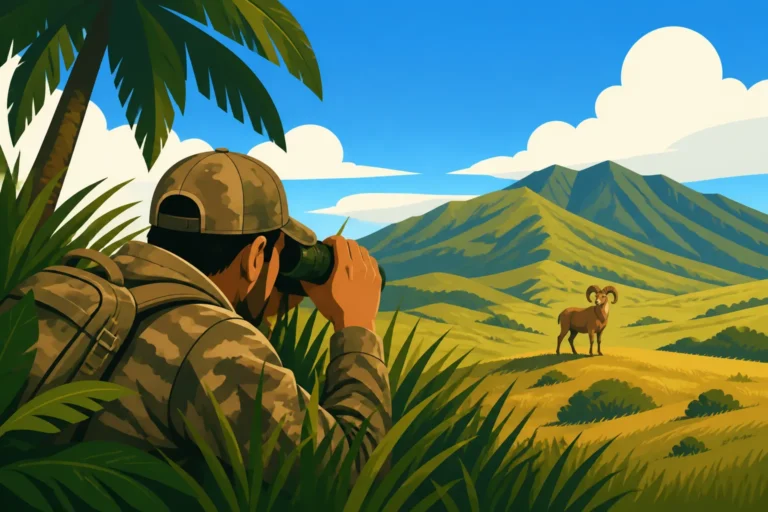
For Axis deer in Kahikinui, spot-and-stalk is often the most productive method. The more open terrain, particularly the expansive grassy areas interspersed with kiawe and eucalyptus, allows for glassing large areas to locate animals. A good pair of binoculars or a spotting scope is indispensable here. Start at first light, finding a vantage point where you can survey potential feeding areas and bedding grounds. Pay close attention to the edges of dense cover, as deer will often move between these areas.
Once you spot a herd or a specific animal, the challenge begins. Axis deer have excellent eyesight and hearing, and the wind in Kahikinui can be shifty. A careful, slow approach, utilizing terrain features like gulches, ridges, and vegetation for cover, is critical. You'll need to pay constant attention to wind direction, as the swirling thermals on the slopes of Haleakalā can give you away in an instant. This method requires patience, stealth, and often long crawls through thorny kiawe or over sharp lava rock. It's a true test of a hunter's skill, but incredibly rewarding when it comes together. For more detailed techniques, our guide on Spot-and-Stalk Axis Deer in Hawaii is a fantastic resource.
Still-Hunting in Dense Forest Cover
When pursuing feral pigs in the Kula Forest Reserve, or even goats and pigs in the denser gulches of Kahikinui, still-hunting becomes your primary tactic. This involves moving incredibly slowly and deliberately through the forest, pausing frequently to listen and observe. Pigs, while not known for their eyesight, have an incredible sense of smell and good hearing. You'll need to move into the wind, placing each foot carefully to avoid snapping twigs or rustling leaves.
Focus on areas with fresh rooting, wallows, or heavily used game trails. Pigs often bed down in the densest thickets during the day, so approaching these areas with extreme caution is key. The thick canopy and dense undergrowth in Kula can limit visibility to mere yards, making close-quarters encounters common. A quiet, fast-handling rifle or bow is advantageous here. This method demands immense patience and a deep understanding of pig behavior and how they use the terrain. Success often comes down to who can move more silently and read the subtle signs of recent animal activity. If you're keen on targeting these elusive animals in their natural habitat, consider reading about Still-Hunting Pigs in Hawaii's Wet Forest.
Hunting Water Sources and Feeding Areas
In the drier parts of Maui's upcountry, particularly Kahikinui, water sources become natural magnets for all game, especially during prolonged dry spells. While true perennial streams are rare, small seeps, stock ponds, or natural catchments can draw Axis deer, pigs, and goats in for a drink. These spots become critical pinch points and excellent places to set up for an ambush or to focus your still-hunting efforts.
Similarly, specific feeding areas will attract game. Axis deer will gravitate towards fresh green-ups after rain or areas with preferred browse. Pigs will root intensively in areas rich in tubers or fallen fruits like guava or strawberry guava. Goats will seek out their preferred browse on rocky ledges or in areas with specific plant species. Identifying these key resources on your map or through scouting and then concentrating your efforts around them can be a highly effective strategy. Remember, however, that these areas might also see higher hunting pressure, so planning for early morning or late evening visits might be more productive. Our article on Hunting a Water Source in Dry Hawaii Country offers more insights into this tactic.
Essential Gear and Safety Considerations
Maui's upcountry is a beautiful but demanding environment. The right gear can make the difference between an enjoyable, safe hunt and a miserable, potentially dangerous one. Prioritizing safety and preparedness is not just good practice; it's non-negotiable in these remote Hawaiian landscapes.
Footwear and Clothing for Varied Terrain
Your choice of footwear is paramount when hunting Maui's upcountry. The terrain is relentlessly rugged – sharp lava rock, loose scree, thorny kiawe, and potentially slick, muddy trails. A sturdy pair of broken-in hiking boots with good ankle support and stiff soles is essential. Waterproofing is a bonus, especially if you plan to hunt Kula or during the rainy season in Kahikinui's gulches. Avoid flimsy trail runners or soft-soled boots; they won't hold up to the abuse, and your feet will pay the price.
Clothing should be durable, breathable, and capable of handling fluctuating temperatures. Layering is key, as mornings can be cool, days can get hot, and higher elevations can see significant temperature drops and wind. Long pants and long-sleeved shirts are highly recommended to protect against thorns, sharp vegetation, and sun exposure. Camouflage patterns are effective, but blaze orange is often required or strongly recommended in many public hunting units for safety, so always check the current DOFAW regulations. Don't forget a wide-brimmed hat for sun protection and a lightweight rain jacket, even if the forecast looks clear. The weather changes fast here.
Navigation and Communication in Remote Areas
Cell phone service is notoriously spotty to non-existent in much of Maui's upcountry. Relying solely on your phone for navigation or communication is a recipe for disaster. A dedicated GPS device, loaded with detailed topographic maps and satellite imagery, is a critical piece of gear. Familiarize yourself with how to use it before you go. Even better, carry a traditional map and compass and know how to use them as a backup. Mark your vehicle's location and any key features like gulches, ridges, or water sources.
For communication, consider carrying a satellite messenger device (like a Garmin InReach or Zoleo) for emergency communication. These devices allow you to send and receive text messages and, more importantly, trigger an SOS call to emergency services even without cell service. A whistle for signaling is also a simple but effective safety item. Always tell someone your exact hunting plan, including your intended unit, access points, and estimated return time. This "hunt plan" is crucial for search and rescue efforts if you don't return as planned. Remember, No Cell Signal on a Hawaii Hunt is the norm, not the exception.
Heat, Hydration, and Emergency Preparedness
Hawaii's tropical climate means heat and humidity can quickly lead to dehydration and heat exhaustion, even at higher elevations. Carry significantly more water than you think you'll need – a minimum of 3-4 liters for a day hunt in Kahikinui is a good starting point, and more if you're pushing deep. Electrolyte supplements can also be beneficial. Learn to recognize the signs of dehydration and heat stroke in yourself and your hunting partners.
Beyond hydration, a well-stocked first-aid kit is essential. Include basics like bandages, antiseptic wipes, pain relievers, and any personal medications. Also, consider items specific to the Hawaii environment: mole skin for blisters, heavy-duty tweezers for thorns, and maybe even a snake bite kit (though snakes are not native to Hawaii, it's good practice for any remote hunting scenario). A small headlamp, a knife, fire-starting materials, and emergency shelter (like a space blanket) should always be in your pack. Packing out an animal from a deep gulch in Hawaii's heat is no small feat, and proper Field Care in Hawaii's Heat and Humidity is crucial to salvaging your hard-earned meat. Being prepared for the unexpected is the hallmark of a responsible upcountry hunter.
Disclaimer
Hunting is an inherently dangerous activity. This guide is for informational purposes only and does not supersede local, state, or federal laws and regulations. Always consult the most current Hawaii Department of Land and Natural Resources (DLNR) Division of Forestry and Wildlife (DOFAW) regulations for specific season dates, bag limits, and legal requirements before planning any hunt. The author and publisher are not responsible for any accidents, injuries, or legal infractions incurred while hunting. Hunt safely and ethically.