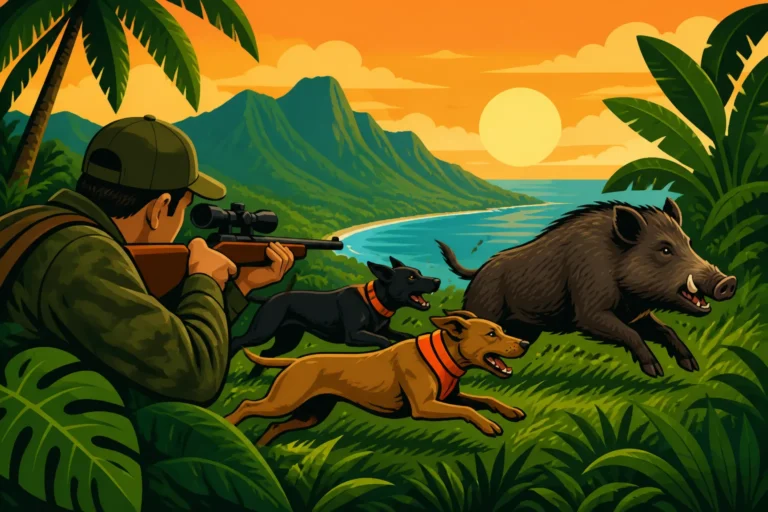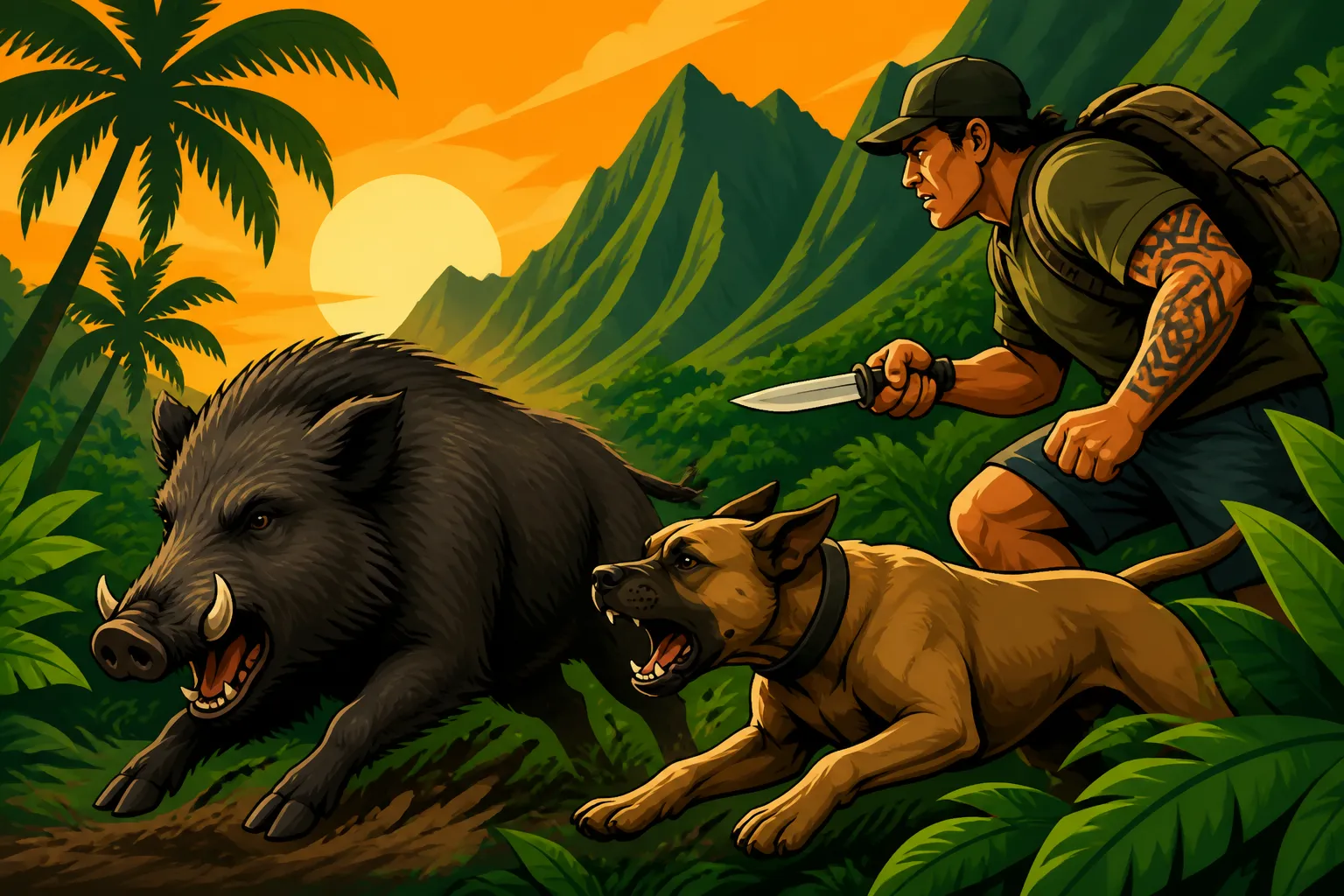
Dog and Knife Pig Hunting in Hawaii
Hunting feral pigs in Hawaii's dense, tangled forests is a challenge unlike almost any other. The thick, unforgiving undergrowth and steep, broken terrain can turn a simple stalk into an exhausting, fruitless ordeal, leaving even the most seasoned hunters wondering if they'll ever catch a glimpse of an ol' kalakoa boar. But there's a thrilling, time-honored method that cuts through the chaos and connects you directly with the chase: dog and knife pig hunting. This guide will walk you through every aspect of this intense, rewarding pursuit, from understanding your hounds to navigating the wild Hawaiian landscape.
The Irresistible Pull of Dog and Knife Pig Hunting in Hawaii
There's something raw and primal about hunting pigs with dogs and a knife in Hawaii. It’s not just a method; it’s a deeply ingrained part of the local hunting culture, passed down through generations. When you venture into the ulu (forest) with your pack, you're not just chasing game; you're participating in a dynamic dance between hunter, dog, and wild boar, a testament to skill, courage, and a deep respect for the land and the animals it sustains. This isn't a passive sit-and-wait kind of hunt; it's an immersive, adrenaline-fueled experience that few other forms of hunting can match.
Why This Method Thrives in Hawaii's Unique Landscape
Hawaii's terrain is a beast all its own. We're talking about incredibly dense rainforests, often draped over steep gulches and ancient lava flows, where visibility can drop to mere feet. Traditional spot-and-stalk or still-hunting, while possible, becomes incredibly difficult and often inefficient. Pigs, being the intelligent, adaptable animals they are, use this cover to their immense advantage, melting away into the undergrowth long before a human hunter can get close. This is where dogs become indispensable. Their superior scenting ability, stamina, and persistence allow them to penetrate these thickets and locate pigs that would remain hidden to the human eye. They bring the hunt to you, or rather, guide you to the hunt.
A Deep-Rooted Cultural Practice and Thrilling Challenge
For many kama'aina (locals), dog and knife pig hunting isn't just recreation; it's a way of life, a skill learned early and honed over decades. It connects you to the land, provides sustenance, and offers an unmatched thrill. The camaraderie among hunting buddies, the silent communication with your dogs, the sudden explosion of a bay, and the final, decisive action – it’s an intense, visceral experience that creates bonds and memories that last a lifetime. It demands physical fitness, quick decision-making, and an unwavering commitment, making every successful hunt a profound achievement. It’s also a vital part of the broader effort to control Hawaii's Feral Pigs, Island by Island, which are considered an invasive species and pose significant threats to native ecosystems.
Understanding the Indispensable Roles of Your Hounds
In dog and knife pig hunting, your dogs aren't just pets; they are highly specialized partners, each with a crucial role to play. A successful hunt relies on a well-balanced team, typically composed of "bay dogs" and "catch dogs." Each type brings distinct skills to the table, and understanding these roles is fundamental to building an effective and safe hunting pack.
The Bay Dog: The Finder and the Voice of the Hunt
Bay dogs are the heart of your hunting operation. Their primary job is to locate pigs using their incredible sense of smell and then "bay" them. To bay means to hold the pig at a distance, circling and barking relentlessly, preventing the pig from escaping or charging the dog. A good bay dog will keep a safe distance from the pig, agilely avoiding its charges and creating enough noise and commotion to alert the hunter to their location.
These dogs are typically high-energy, tenacious breeds known for their vocalization and agility. Popular choices in Hawaii include local mixes, cur breeds, or hounds, valued for their ability to navigate rough terrain and stay on a scent. Their training focuses on developing a strong "nose," maintaining a safe distance from aggressive pigs, and, crucially, not catching the pig. A bay dog that tries to catch a pig too early is a liability, risking injury to itself and potentially losing the pig. They are the navigators, leading you through the dense jungle to the heart of the action.
The Catch Dog: The Stopper and the Holder
Once the bay dogs have located and held a pig, the catch dog's role comes into play. The catch dog's job is to move in swiftly and decisively, grabbing the pig by the ear or neck and holding it firmly, allowing the hunter to approach safely and dispatch the animal. This is a critical and potentially dangerous role, requiring immense strength, courage, and a calm, focused demeanor.
Catch dogs are typically larger, stronger breeds or crosses, often with a significant component of breeds like pit bulls, bulldogs, or mastiffs, chosen for their power and determination. They are equipped with heavy-duty Kevlar or Cordura "cut vests" to protect them from the pig's formidable tusks. Fitting a Cut Vest on a Catch Dog correctly is paramount, as a poorly fitting vest can offer little protection. Their training emphasizes a firm, secure hold without causing unnecessary harm to the pig, and releasing on command. A well-trained catch dog understands its role is to hold the pig, not to fight it. Without a strong, reliable catch dog, approaching a bayed pig in dense cover with a knife would be incredibly risky.
The Importance of a Balanced, Communicative Team
Ideally, a hunting party will have a mix of bay and catch dogs. A team might consist of two or three bay dogs to effectively range and locate pigs, backed up by one or two strong catch dogs. The synergy between them is beautiful to witness: the bay dogs find, harass, and signal, while the catch dogs move in for the secure hold.
Communication within the team – both human and canine – is vital. Hunters must be able to understand their dogs' barks, know when a bay is solid, and anticipate the pig's movements. Dogs, in turn, learn to trust their handler's commands and work together fluidly. This teamwork is what makes Pig Hunting With Dogs in Hawaii such a highly effective and unique method.
Essential Gear for the Dog and Knife Hunter
Embarking on a dog and knife pig hunt in Hawaii requires more than just courage and good dogs; it demands specialized gear designed for safety, efficiency, and navigating the challenging environment. Forgetting a crucial piece of equipment can turn a thrilling hunt into a dangerous ordeal.
Protecting Your Hounds: Cut Vests, Collars, and GPS
The first priority is protecting your canine partners. Feral pigs, especially large boars with sharp tusks, can inflict severe injuries on dogs in an instant.
- Cut Vests: These are non-negotiable for catch dogs, and many bay dog owners also opt for them. Made from tough materials like Kevlar, Cordura, or layered ballistic nylon, they protect the dog's chest and vital organs from tusks. Ensure the vest fits snugly but allows full range of motion. Regularly inspect vests for damage.
- Heavy-Duty Collars: Wide, durable collars with D-rings for leashes are essential. Some hunters prefer collars with embedded GPS units.
- GPS Collars and Handhelds: GPS Collars for Pig Dogs in Thick Cover are absolutely vital in Hawaii's dense jungle. It's incredibly easy for dogs to disappear into a thicket, and without GPS tracking, finding them can be impossible, especially if they're on a hot trail. Brands like Garmin Alpha or Tri-Tronics are popular choices. A good GPS system allows you to track your dogs' movements, see their status (baying, running, treed), and navigate directly to them, even without cell service. Always carry spare batteries!
Hunter's Essential Tools: Knife, Spear, and Navigation
Your personal gear list is equally critical for safety and success in the field.
- The Knife/Spear: This is your primary dispatch tool. A sturdy, sharp hunting knife with a blade length of 6-8 inches, preferably full tang, is standard. Some hunters prefer a purpose-built pig sticking spear, especially for larger boars, as it offers greater reach and safety. Always ensure your knife is razor-sharp and easily accessible.
- Navigation Tools: Beyond your dog's GPS, you need personal navigation. A handheld GPS unit with topo maps is excellent. Many hunters use smartphone apps like GoHunt or OnX, but remember that cell service is often nonexistent in Hawaii's remote units. Always carry a physical map and compass as a backup, and know how to use them.
- Headlamp/Flashlight: Hunts can extend into low light or darkness, especially if you're pulling a pig out of a deep gulch. A reliable headlamp keeps your hands free.
- First Aid Kit (Human and Canine): A comprehensive kit for both yourself and your dogs is paramount. This should include bandages, antiseptic wipes, medical tape, pain relievers, and any personal medications. For dogs, include blood clotting agents (like Kwik Stop), gauze, vet wrap, and saline solution for cleaning wounds.
- Water and Hydration: Hawaii's heat and humidity are no joke. Carry ample water for yourself and your dogs, and consider electrolyte supplements.
- Appropriate Clothing and Footwear: Durable, breathable clothing that can withstand thorns and moisture is crucial. Good quality, waterproof hiking boots with excellent ankle support are a must for traversing Hawaii's Volcanic Terrain and slippery, uneven ground.
- Communication Device: A satellite messenger (like a Garmin InReach or Zoleo) is a lifesaver in areas without cell service, allowing you to send emergency messages or check in with loved ones.
Gear Checklist for a Hawaii Pig Hunt
To help you organize, here's a quick checklist of essential gear for a dog and knife pig hunt. Adjust as needed for specific conditions and personal preferences.
| Category | Item | Notes |
|---|---|---|
| Dog Gear | Cut Vests | Essential for catch dogs, recommended for bay dogs |
| Heavy-Duty Collars | Wide, durable with D-rings | |
| GPS Collars & Handheld Unit | With spare batteries; Garmin Alpha/Tri-Tronics recommended | |
| Dog Leashes/Tie-Outs | For control before/after the hunt | |
| Dog Water & Bowls | Essential for hydration | |
| Hunter Gear | Hunting Knife (6-8") or Spear | Razor-sharp, easily accessible |
| Handheld GPS & Maps | With spare batteries, physical map & compass backup | |
| Headlamp/Flashlight | With spare batteries | |
| First Aid Kit (Human & Dog) | Comprehensive for wounds, pain, hydration | |
| Water Bottles/Hydration Bladder | 2-3 liters minimum for self, plus dog water | |
| Durable Hiking Boots | Waterproof, ankle support | |
| Long Pants & Long-Sleeve Shirt | Thorn/moisture resistant, quick-drying | |
| Rain Gear | Lightweight, packable jacket/pants | |
| Backpack | For carrying gear, water, and eventually meat | |
| Satellite Messenger (e.g., InReach) | For emergency communication in remote areas | |
| Personal Snacks | High-energy bars, nuts, dried fruit | |
| Blaze Orange (Hat/Vest) | Recommended for visibility, especially if other hunters are around | |
| Post-Kill | Game Bags | Lightweight, breathable for meat transport |
| Cordage/Rope | For dragging or packing out |
Training Your Hawaiian Pig Dogs for Success
Training pig dogs is an art and a science, requiring patience, consistency, and a deep understanding of canine behavior. It’s not about breaking a dog's spirit, but rather shaping its natural instincts into a disciplined, effective, and safe hunting partner. Training Pig Dogs in Hawaii is a continuous process that begins when they are puppies and continues throughout their hunting careers.
Starting Young: Socialization and Basic Obedience
The foundation of any good hunting dog is a well-socialized, obedient companion. Start early with puppies: expose them to different environments, sounds, and people. This builds confidence and adaptability. Basic obedience commands – sit, stay, come, heel – are non-negotiable. A dog that won't recall reliably is a danger to itself, other dogs, and the hunter, especially when navigating dense terrain or near roads.
- Leash Training: Essential for control, especially when traversing areas where you don't want dogs running freely.
- Confidence Building: Expose them to the types of terrain they'll hunt in – rocky trails, thick brush, muddy areas. Make it a positive experience.
- Scent Work Introduction: While formal tracking might come later, early games involving finding hidden treats can tap into their natural scenting abilities.
Developing a Solid Bay: Controlled Exposure and Encouragement
Developing a strong, consistent bay is the most crucial aspect for your bay dogs. This is typically done through controlled exposure to live pigs.
- Small, Young Pigs: Start with small, non-aggressive pigs in a fenced area. This allows the dogs to gain confidence and learn to bay without the immediate danger of a large, tusked boar.
- Encouragement and Praise: When a dog barks and holds the pig at a distance, offer enthusiastic praise and rewards. You want them to associate baying with positive reinforcement.
- Simulating Real Conditions: Gradually increase the difficulty. Move to larger, more active pigs, or introduce obstacles in the pen to mimic natural cover. The goal is for the dog to learn to "respect the pig" – keeping a safe distance while maintaining the bay.
- Managing Drive: Some dogs are naturally more aggressive. You might need to teach them to temper their drive to ensure they don't try to catch the pig prematurely, which can lead to injury.
Refining the Catch: Safety, Technique, and Release
For catch dogs, training focuses on a safe, decisive hold and, critically, a controlled release.
- Protection for Dogs and Pigs: When training, use a pig with blunted tusks or a training dummy. Always ensure your catch dog is wearing its cut vest.
- Teaching the Hold: Start by encouraging the dog to grab the pig firmly by the ear or neck. Practice this repeatedly. The hold should be secure but not meant to injure the pig unnecessarily.
- Hunter Intervention: This is where the hunter's role in training is vital. You need to simulate approaching the bay and intervening. The dog must learn that its job is to hold the pig until you arrive, and then to release when commanded.
- The Release Command: This is perhaps the most important command for a catch dog. They must immediately release the pig upon hearing your signal. This ensures safety for both the hunter and the dog after the dispatch. Practice this until it's second nature.
- Working with Bay Dogs: Eventually, you'll integrate the bay and catch dogs in training, so they learn to work as a cohesive unit. The bay dogs should give way to the catch dog, and the catch dog should only move in when the bay is established and the pig is committed.
Remember, every dog is an individual. Some will take to training quickly, others will require more time and different approaches. Consistency, patience, and positive reinforcement are your greatest tools in molding a reliable pig dog.
Navigating Hawaii's Challenging Terrain with Dogs
Hawaii's landscape is breathtakingly beautiful, but it can be incredibly brutal on hunters and dogs alike. Successfully hunting with dogs here means understanding and respecting the terrain, weather, and unique challenges of the islands. Whether you're hunting Pigs on Hawaii's Wet Windward Side or the Dry Leeward Side, preparedness is key.
Reading the Land: Gulches, Thickets, and Lava Flows
The islands present a mosaic of challenging environments:
- Rainforest Gulches: These are often steep-sided, choked with dense vegetation like uluhe fern, guava, and invasive ginger, making movement excruciatingly slow. Water sources are common here, often attracting pigs. Navigating a Hawaii Gulch System requires sure footing and good communication with your dogs, as they can quickly disappear into the depths.
- Thick Kiawe Flats: On the dry leeward sides, kiawe (mesquite) forms impenetrable thickets, its thorns capable of puncturing tires and skin. Pigs often bed down in these thorny fortresses.
- Lava Flows: Ancient lava fields can be incredibly sharp and uneven, quickly shredding boots and paws. Moving quietly here is next to impossible. You'll often find kipuka – islands of vegetation surrounded by lava – which can be prime pig habitat.
- Ohia and Koa Forests: While offering more open ground in places, these forests can also have dense undergrowth and downed trees, creating obstacles.
Your dogs need to be physically conditioned for this. Their paws must be tough, and even then, regular checks for cuts and thorns are crucial. Using onX or other mapping apps can help you visualize the contours of the land, but nothing beats actual scouting and experience.
Dealing with Heat, Humidity, and Dense Vegetation
Hawaii's climate adds another layer of difficulty:
- Heat and Humidity: Even in winter, temperatures can be high, and the humidity is constant. This quickly dehydrates both hunters and dogs. Carry plenty of water and plan your hunts for early morning or late afternoon when it's cooler. Look for shaded areas for breaks. Overheating is a serious risk for dogs.
- Dense Vegetation: Moving through head-high uluhe or tangled ginger is physically exhausting. It restricts visibility, muffles sound, and can make it disorienting. Always know which direction you came from.
- Lack of Visibility: In many areas, you won't see your dogs until you're right on top of them. This makes the audio cues from their baying and your GPS invaluable. You rely almost entirely on sound and technology to locate the action.
Staying Found and Communicating Effectively
Getting lost in the Hawaiian jungle is a real danger. The terrain can look identical in every direction, and trails often disappear.
- Reliable GPS: As mentioned, GPS collars for your dogs are non-negotiable. For yourself, a handheld GPS with pre-loaded maps or a robust mapping app is essential. Don't rely solely on your phone, as batteries die and signals drop.
- Staying with Your Dogs: While your dogs might range, your goal is to stay within earshot or a reasonable distance so you can respond quickly to a bay.
- Hand Signals and Whistles: Develop communication methods with your dogs beyond verbal commands, especially if they are out of earshot.
- Group Communication: If hunting with others, two-way radios are vital, especially when you split up or when one hunter is moving in on a bay while others hold back.
- Leave a Trail: In particularly dense areas, use flagging tape (and remember to remove it on your way out) or a "breadcrumb" feature on your GPS to mark your route.
Navigating this environment successfully comes down to preparation, fitness, trust in your gear, and, most importantly, trust in your dogs.
The Hunt Itself: From Scent to Strike
The moment the dogs hit a fresh scent and the hunt begins in earnest is unlike any other. It’s a rapid escalation of sensory input, where instinct and training take over. Understanding the flow of the hunt, from the initial locate to the final dispatch, is key to success and safety.
Locating Pig Sign and Scenting Conditions
Before the dogs even hit the ground, a smart hunter looks for signs of pigs. This includes:
- Rooting: Freshly turned earth where pigs have been digging for roots and invertebrates.
- Wallows: Muddy depressions where pigs cool off and remove parasites. These indicate recent activity.
- Tracks and Trails: Look for pig tracks along game trails, especially near water sources or feeding areas.
- Scat: Pig droppings can indicate how recently pigs have been in an area.
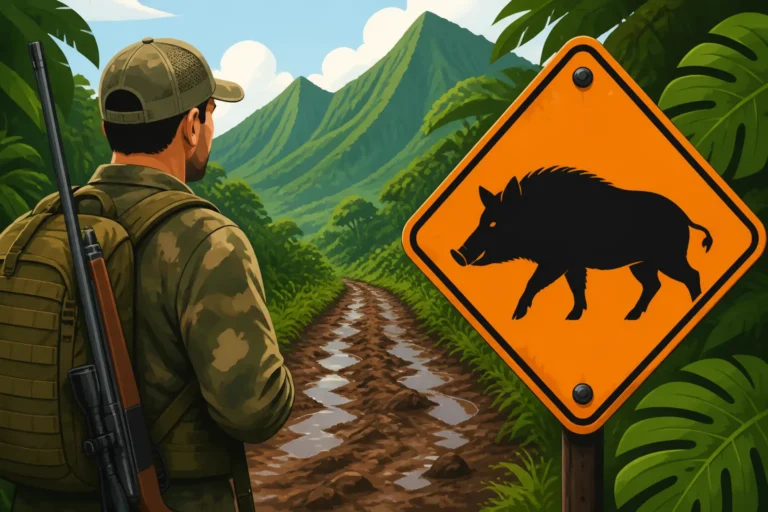
The best scenting conditions are typically cool, humid mornings with a light breeze. Strong winds can scatter scent, while hot, dry conditions can make it dissipate quickly. Hunters often start their dogs in areas known for pig activity, giving them the best chance to pick up a fresh trail. This is where Reading Pig Sign Along a Muddy Trail becomes an invaluable skill.
Releasing the Dogs and Tracking the Chase
Once you're in promising country, the bay dogs are typically released. They will fan out, working the ground, noses to the earth, searching for scent. You'll listen intently for any change in their behavior – a sudden increase in speed, a focused line, or the distinct "chop" bark that indicates they're on a hot trail.
Your job as the hunter is to follow, using your GPS to track your dogs. Keep an ear out for changes in the type of barking. A "cold trail" bark might be intermittent and questioning, while a "hot trail" will be more urgent and continuous. When they've cornered a pig, the barking will become frantic, localized, and sustained – the classic "bay." This signals it's time to move quickly and decisively toward the sound.
The Bay, the Catch, and the Dispatch
As you close in on the bay, the excitement is palpable. You'll hear the frenzied barking of your bay dogs, often mixed with the grunts and charges of the pig. Your GPS will guide you to the exact spot, but the dense cover means you'll still be navigating by sound in the final approach.
- Approaching the Bay: Move carefully and quietly as you get close. Assess the situation. Where are the dogs? Where is the pig? Is it a single pig or a sounder? Identify any potential dangers (e.g., steep drops, dense thorns).
- Releasing the Catch Dog: Once you have a visual, and the bay dogs have the pig held, you can send in your catch dog. The catch dog should move swiftly, grab the pig, and hold it firmly.
- The Dispatch: With the pig held by the catch dog, you can safely approach. The dispatch should be swift and humane. A well-placed thrust with a sharp knife or spear, targeting the heart or jugular, ensures a quick kill. This is not a drawn-out struggle; it's a decisive, respectful end to the hunt.
- Controlling the Dogs: Immediately after the dispatch, bring your dogs under control. Praise them for their work, but ensure they release the pig when commanded. Leash them if necessary to prevent them from engaging other unseen pigs or wandering off while you begin field dressing.
This sequence of events is fast, intense, and requires practiced coordination between hunter and hounds. The rush of adrenaline, the primal sounds, and the satisfaction of a successful, ethical harvest make this form of hunting truly unique.
Safety, Ethics, and Adhering to Regulations
Dog and knife pig hunting is an exhilarating pursuit, but it carries inherent risks for both hunters and dogs. Prioritizing safety, practicing ethical hunting, and strictly adhering to Hawaii's hunting regulations are non-negotiable aspects of this demanding sport.
Hunter and Dog Safety in the Field
The dangers in the Hawaiian jungle are manifold:
- Pig Aggression: Feral pigs, especially large boars, are powerful and can be extremely aggressive when cornered. Their tusks can cause serious, life-threatening injuries to dogs and humans. Never get between a dog and a pig, and always approach a bay with extreme caution.
- Terrain Hazards: Steep gulches, loose rocks, thorny vegetation, and hidden lava tubes all pose tripping and falling hazards. Sprains, cuts, and broken bones are real possibilities. Always watch your footing.
- Dehydration and Heat Stroke: As discussed, Hawaii's climate is taxing. Stay hydrated, recognize the signs of heat exhaustion in yourself and your dogs, and take breaks in the shade.
- Getting Lost: The dense jungle can quickly disorient you. Always carry reliable navigation tools and know how to use them. Let someone know your hunting plan and expected return time.
- Dog Injuries: Despite cut vests, dogs can still be injured. Know basic canine first aid and carry the necessary supplies to treat cuts, punctures, or heat exhaustion.
Ethical Dispatch and Animal Welfare
Ethical hunting practices are paramount. The goal is a quick, humane dispatch of the animal.
- Clean Kill: Your knife or spear must be sharp, and your technique practiced, to ensure the pig is dispatched swiftly. A prolonged struggle is unfair to the animal.
- Respect for the Animal: Even though feral pigs are an invasive species, they are still living creatures. Treat them with respect throughout the hunt, and ensure their death is as painless as possible.
- No Unnecessary Harm to Dogs: The use of cut vests and proper training aims to minimize harm to your dogs. They are partners, and their welfare is a hunter's responsibility.
Hawaii's Specific Rules for Dog Hunting
Hawaii has specific regulations governing hunting with dogs, and it is crucial to be familiar with them. You can find detailed rules on the Division of Forestry and Wildlife (DOFAW) website, or by using resources like the GoHunt Hawaii portal, which provides access to licensing and regulatory information.
- Legal Weapons: While this method emphasizes the knife, understanding Legal Weapons When Hunting Pigs With Dogs is important, as some units might have specific rules for backup firearms or other tools. Generally, a knife or spear is used for the dispatch once the pig is bayed and held.
- Bag Limits: Hawaii has Hawaii Bag Limits for Feral Pigs, but in many units where pigs are considered a nuisance, the bag limit is quite generous or even unlimited, reflecting the need for population control. Always check the current regulations for the specific unit you plan to hunt.
- Dog Registration: Some units or areas may require hunting dogs to be registered with DOFAW. Always check the latest administrative rules.
- Unit-Specific Rules: Each hunting unit in Hawaii can have unique rules regarding seasons, access, and permissible hunting methods. Before every hunt, verify the regulations for your chosen unit through the DOFAW website or the OuterSpatial app, which is often used for checking in and out of units.
- Blaze Orange: While not always strictly mandated for dog hunting in all units, wearing blaze orange (a hat or vest) is always a good safety practice, especially if other hunters might be in the area.
Ignoring regulations can lead to citations, fines, and the loss of hunting privileges. Be a responsible, informed hunter.
Field Care and Packing Meat Out of Hawaii's Wilds
The hunt doesn't end when the pig is down. The real work of field care and meat recovery begins, and in Hawaii's hot, humid environment, this process needs to be swift and efficient to preserve your hard-earned meat.
Quick and Efficient Field Dressing
As soon as the pig is dispatched, begin field dressing. Heat and humidity are the enemies of fresh meat, accelerating spoilage.
- Move Quickly: Don't delay. The internal heat of the animal, combined with ambient temperatures, will start to degrade the meat rapidly.
- Gutting: Carefully open the abdominal cavity from the sternum to the pelvis, taking care not to puncture the intestines. Remove all internal organs. Some hunters will also split the sternum and remove the lungs and heart.
- Cleanliness: If possible, use clean water (carry some for this purpose, or find a stream if you're in a wet area) to rinse out the cavity. Wipe it dry with clean cloths or paper towels. The goal is to remove any blood or fecal matter that could contaminate the meat.
- Head and Feet: Depending on your preference and the regulations, you might remove the head and feet at this stage to lighten the load, especially if you're not planning a skull mount.
Cooling Meat Fast in Hawaii's Climate
This is perhaps the most critical step for meat preservation in Hawaii.
- Maximizing Airflow: After gutting, prop the carcass open to allow maximum airflow into the body cavity. This helps dissipate heat. If you're quartering the animal, spread the pieces out to cool.
- Getting to Shade: Immediately move the carcass or quarters into the deepest shade you can find. A brisk breeze in the shade is ideal.
- Game Bags: As soon as the initial heat has dissipated (usually 30-60 minutes, depending on conditions), place the quarters or entire carcass into breathable game bags. These protect the meat from flies and dirt while still allowing air circulation. You can find options like the Kuiu, Exo Mountain Gear, or TAG Bags which are designed for this purpose.
- Ice/Coolers: The ultimate goal is to get the meat on ice as soon as humanly possible. If you're close enough to a vehicle, have coolers packed with ice ready. Layer meat and ice, ensuring the drain plug is open so the meat isn't soaking in bloody water. This is crucial for Cooling Meat Fast on a Hawaii Hunt and preventing bacterial growth.
Getting the Pig Out of Difficult Country
This can be the most physically demanding part of the hunt. Pigs, especially large boars, are heavy, and Hawaii's terrain is unforgiving. Getting a Pig Out of a Hawaii Gulch can be an epic task.
- Quartering the Animal: For larger pigs or long pack-outs, quartering the animal is almost always necessary. Separate the four quarters, backstraps, and tenderloins. This makes the load manageable for carrying in a backpack.
- Pack Frames: A good external frame backpack is invaluable for packing out heavy loads. Distribute the weight evenly and secure the meat firmly.
- Teamwork: If hunting with a group, divide the load. Having multiple people to relay packs or even just pull on ropes can make a huge difference.
- Route Planning: When packing out, stick to the easiest routes possible, even if it's longer. Avoid steep climbs or dense thickets that could lead to injury or further exhaustion.
- Hydration and Breaks: Take frequent breaks, rehydrate, and snack. Don't push yourself to the point of exhaustion, which can lead to accidents.
The quality of your wild game meat is a direct reflection of your post-harvest care. By acting quickly and smartly, you ensure that the delicious pork makes it from the jungle to your dinner table in prime condition.
Disclaimer
Hunting in Hawaii involves inherent risks, including but not limited to challenging terrain, unpredictable wildlife, and varying weather conditions. The information provided in this guide is for informational purposes only and should not be considered a substitute for professional training, personal experience, or adherence to all current local, state, and federal hunting laws and regulations. Always prioritize safety, obtain all necessary licenses and permits, and consult the Hawaii Division of Forestry and Wildlife (DOFAW) for the most up-to-date rules and unit specific details before embarking on any hunt. The author and publisher assume no responsibility for accidents, injuries, or legal infractions incurred while hunting.