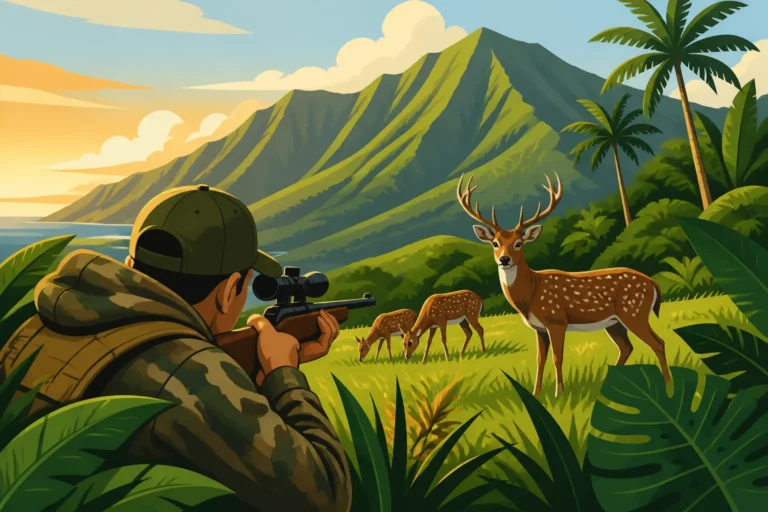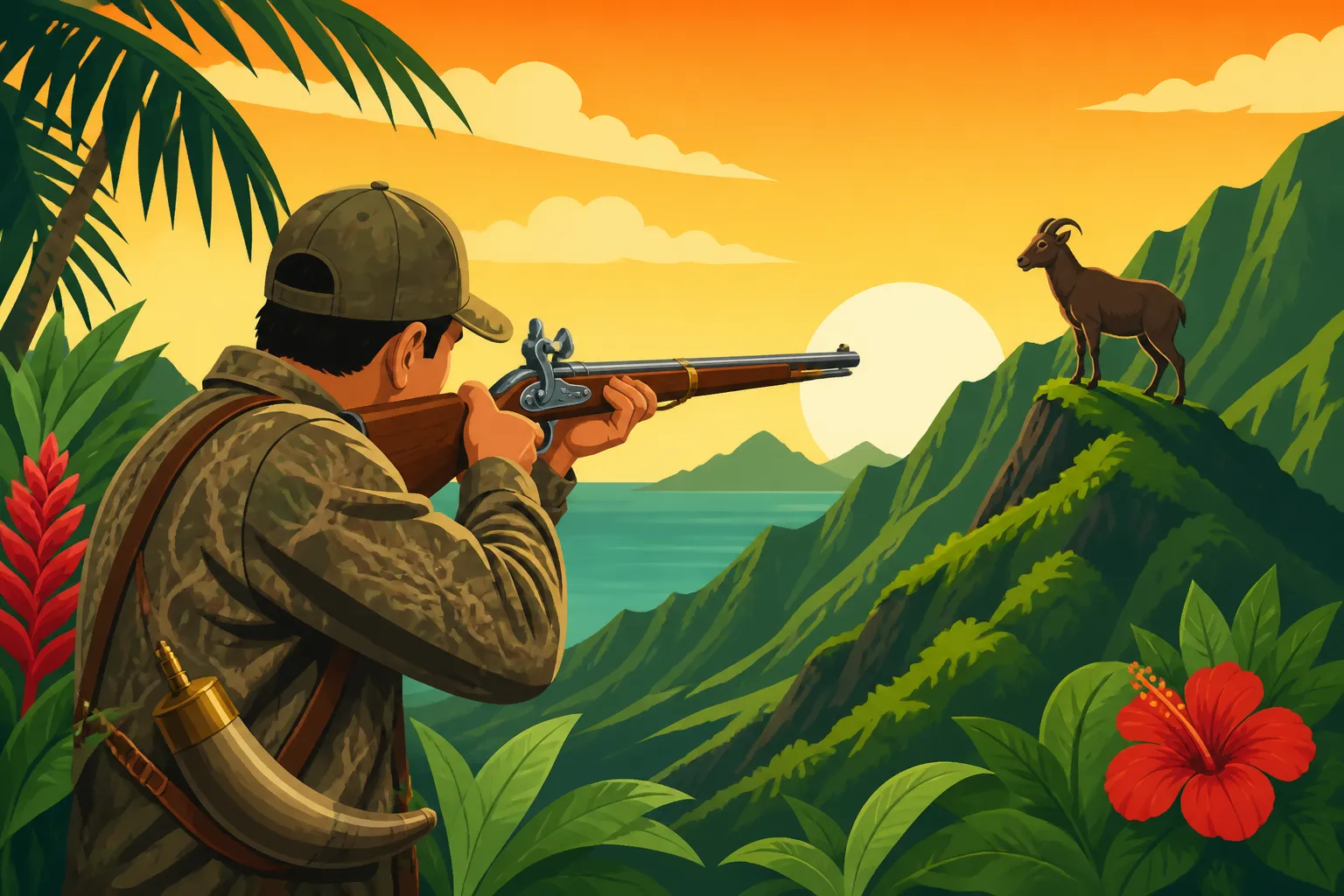
Muzzleloader Hunting in Hawaii
There’s something truly special, almost primal, about hunting with a muzzleloader. It strips away some of the modern conveniences, forcing you to slow down, get closer, and truly connect with the experience. But bringing that passion to the unique challenges of Hawaii's diverse terrain and species can feel like navigating a maze of unfamiliar rules and opportunities. This comprehensive guide will untangle the specifics of muzzleloader hunting across the Hawaiian islands, from understanding the local regulations and necessary gear to mastering the tactics for our unique game animals, ensuring you're well-prepared for an unforgettable hunt.
Why Choose a Muzzleloader in Hawaii?
For many hunters, the appeal of muzzleloader hunting goes beyond just the mechanics of the firearm. It's about embracing a different pace, a different set of challenges, and finding a deeper connection to the hunt itself. In Hawaii, where hunting opportunities can be fiercely competitive and animals wary, a muzzleloader adds a unique layer to that pursuit.
The Unique Challenge and Reward
Let's be real, modern rifles are incredibly efficient. They offer multiple shots, extended range, and quick follow-ups. A muzzleloader? Not so much. You're typically looking at a single shot, maybe two if you're quick and skilled with a double-barrel, and the reloading process is far from instantaneous. This inherently limits your opportunities, forcing you to become a more patient, more precise hunter. Imagine spending hours stalking an Axis deer across a kiawe flat on Maui, or slowly working through a wet gulch on the Big Island for a feral pig, knowing you might only get one chance. That single shot becomes paramount, every step in the stalk meticulously planned. When it all comes together, and that one shot finds its mark, the feeling of accomplishment is profoundly rewarding. It’s not just about taking an animal; it’s about proving your skill and patience within a more demanding framework.
Specific Muzzleloader Seasons and Opportunities
One of the most practical reasons to embrace a muzzleloader in Hawaii is the expanded hunting opportunities. While some units have rifle seasons, others might have specific muzzleloader-only seasons or windows that precede or extend beyond the general rifle hunts. This can mean less hunting pressure, allowing you to access areas that might otherwise be overrun during peak rifle season. For example, islands like Lanai and Kauai often have dedicated muzzleloader seasons for their deer species, giving you a chance to hunt when fewer people are in the field. This also plays a role in permit-draw hunts, where a muzzleloader tag might have slightly better odds of being drawn compared to a general rifle tag for highly sought-after species like Axis deer or Mouflon. It's an incentive to explore a different weapon system, potentially unlocking access to prime hunting days you might otherwise miss.
Connecting with Traditional Hunting
There's a deep historical resonance with muzzleloader hunting. It harks back to an era when hunting was less about technology and more about woodcraft, tracking, and close-range proficiency. In a place like Hawaii, where the traditions of hunting have deep cultural roots, connecting with this older method can feel particularly fitting. While the modern muzzleloaders we use today are far more advanced than their 18th-century counterparts, the core principles remain: the deliberate loading, the cloud of smoke, the single-shot challenge. It forces you to rely more on your innate hunting skills—reading sign, understanding animal behavior, and mastering the art of the stalk—rather than solely on the ballistic advantage of contemporary firearms. It's a way to slow down, appreciate the process, and honor the traditions that continue to shape how we interact with the land and its resources.
Hawaii's Muzzleloader Regulations and Legalities
Navigating hunting regulations can feel like deciphering ancient scrolls, and Hawaii is no different, especially when you factor in the specific rules for muzzleloaders. Before you even think about packing your powder horn, it's absolutely critical to understand the legal framework governing these unique firearms across the islands. Missteps here can ruin a hunt and lead to serious consequences.
Approved Calibers and Ignitions
The Hawaii Department of Land and Natural Resources (DLNR), Division of Forestry and Wildlife (DOFAW), outlines specific requirements for muzzleloaders used to hunt big game. Generally, you're looking at a minimum caliber of .45 for all game mammals. This means your trusty .50 caliber or even a larger .54 caliber muzzleloader will usually be perfectly acceptable for everything from Axis deer to feral pigs and Mouflon sheep. The key is ensuring it’s a true muzzleloader, meaning it’s loaded from the muzzle, not a breech-loading black powder rifle.
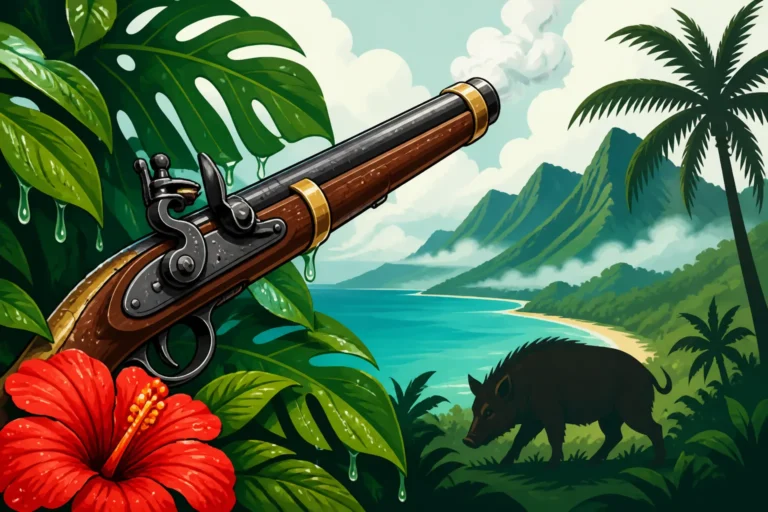
When it comes to ignition, most modern inline muzzleloaders using 209 primers are widely accepted. Flintlock and percussion cap systems are also legal, though less common among contemporary hunters heading to Hawaii. It's paramount that whatever system you use, it functions reliably in potentially wet and humid conditions, as a misfire can mean a lost opportunity or a wounded animal. Always double-check the latest Hawaii's Legal Weapons by Season information published by DOFAW, as regulations can occasionally be updated.
Powder and Projectile Restrictions
Hawaii has some clear guidelines regarding what you can shove down the barrel of your muzzleloader. For powder, it must be black powder or an approved black powder substitute like Pyrodex or Triple Seven. Smokeless powder, common in modern cartridge firearms, is strictly forbidden in muzzleloaders. This is a critical distinction and one that can easily be overlooked by those new to muzzleloading or unfamiliar with Hawaii's specific rules. Always verify your powder type before heading into the field.
Regarding projectiles, there's a bit more flexibility, but the general rule is that it must be a single projectile, not shot. This means saboted bullets, conical bullets, and round balls are typically permitted. The goal is to ensure a humane kill for big game, which a single, heavy projectile is designed to achieve. Using multiple projectiles, like buckshot, in a muzzleloader intended for deer or pigs is not allowed. Furthermore, some units may have restrictions on projectile weight or material, though this is less common than the caliber and powder rules. Always ensure your chosen bullet meets the minimum energy and expansion requirements for the game you are pursuing, prioritizing ethical hunting.
Hunter Education and Licensing
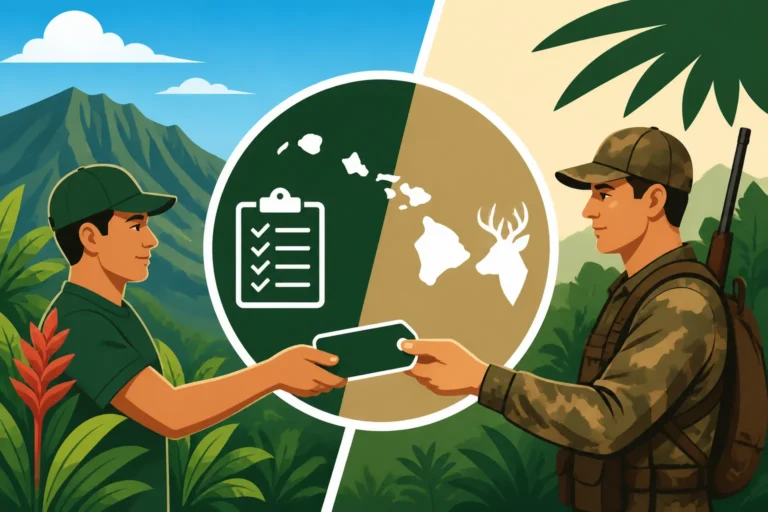
Just like with any other hunting method in Hawaii, proper hunter education and a valid hunting license are non-negotiable. If you're a Hawaii resident, you'll need to complete the state-mandated hunter education course, which covers firearms safety, hunting ethics, and wildlife management. For non-residents, an exemption letter from your home state's hunter education program, demonstrating you've completed a recognized course, is usually sufficient. There's no separate muzzleloader endorsement required; once you've met the general hunter education requirements, you're good to go.
Beyond education, obtaining your Hawaii hunting license is the next crucial step. You can purchase these licenses through the state's online portal, often facilitated by services like GoHunt. This license is your ticket to hunt all legal game in Hawaii, including those animals pursued with a muzzleloader. Remember, in addition to the general hunting license, many big game species, especially on islands like Lanai, Molokai, and the Big Island, require specific permit-tags. These are often obtained through a lottery system or purchased directly. You'll need to consult the Hawaii Hunting Licenses and What They Cost and How Hawaii's Permit-Tag System Works to ensure you have all the necessary documentation for your target species and unit.
Essential Muzzleloader Gear for Hawaii's Climate
Hawaii’s climate is undeniably beautiful, but it presents a unique set of challenges for muzzleloader hunters. The combination of humidity, rain, and salty air can wreak havoc on black powder firearms if you’re not prepared. Having the right gear and knowledge to protect it is just as crucial as knowing how to shoot straight.
Keeping Powder Dry in Humidity and Rain
Humidity is the silent killer of reliable muzzleloader performance. Black powder and its substitutes are hygroscopic, meaning they readily absorb moisture from the air. Even a tiny amount of moisture can lead to hangfires or, worse, complete misfires. This is especially true in Hawaii's rainforest areas or during the frequent passing showers on the windward sides of the islands. Your first line of defense should be waterproof containers for your powder and pre-measured charges. Small, sealed vials are excellent for individual charges, ensuring that only the powder you’re about to load is exposed to the elements.
Beyond storage, protecting the firearm itself while in the field is paramount. A good waterproof gun case for transport and a rain cover or even a simple plastic garbage bag for when you’re actively hunting can make a huge difference. Consider using a weather-resistant primer or sealing the breach plug and nipple with a dab of grease or beeswax, which acts as a barrier against moisture. Many experienced Hawaii hunters will even carry a spare set of pre-measured charges and primers in a completely separate, airtight container, just in case their primary supply gets compromised. Remember, a dry powder is a happy powder, and a happy powder means a successful hunt.
Corrosion Prevention in Salt Air
The Hawaiian islands are surrounded by saltwater, and that salty air isn't just corrosive to metal; it's practically a sworn enemy of it. Muzzleloaders, with their intricate mechanisms and susceptibility to rust, require diligent care to prevent rapid corrosion. After every hunt, and ideally even during multi-day hunts, a thorough cleaning is essential. Don't wait until you get home; a quick field strip and wipe-down can prevent significant damage.
Specific rust-preventative oils and waxes are your best friends here. Products like Eezox or Renaissance Wax can create a protective barrier on metal surfaces. Pay particular attention to the bore, breach plug, and any exposed screws or springs. When storing your muzzleloader, even for a short period, ensure it's lightly oiled and kept in a moisture-free environment. Desiccant packets in your gun safe or case can help absorb ambient humidity. Neglecting this step in Hawaii's environment can turn a beautiful muzzleloader into a pitted, rusted relic surprisingly quickly.
Optics and Sighting Systems for Long Shots
While muzzleloaders might conjure images of close-range encounters, many modern inline models are capable of surprising accuracy at extended ranges. When hunting species like Mouflon sheep on the open slopes of Mauna Kea or Axis deer across wide-open pastures, having reliable optics is crucial. A quality scope with good light-gathering capabilities and a clear reticle is often preferred, especially during the low-light conditions of dawn and dusk when game is most active. Make sure your scope is waterproof and fog-proof – qualities that will be severely tested in Hawaii.
For those who prefer open sights or who hunt in extremely thick cover where long shots are unlikely, fiber optic sights can significantly improve visibility in challenging light. The bright, contrasting colors make for quicker sight acquisition, which is vital when a fleeting opportunity presents itself. Regardless of your chosen sighting system, zeroing your muzzleloader accurately at various ranges is imperative. Knowing your ballistic drop for different loads and projectile types will allow you to make ethical shots when those longer opportunities arise. Remember, practice is key, especially given the unique ballistics of black powder firearms.
Muzzleloader Tactics for Hawaii's Diverse Game
Hunting with a muzzleloader is all about strategy, patience, and getting close. In Hawaii, where game animals vary wildly in habitat and behavior across the islands, adapting your tactics is crucial. From wide-open plains to dense rainforests, your muzzleloader hunt will demand different approaches.
Stalking Axis Deer and Mouflon
Axis deer, especially on islands like Maui and Lanai, often inhabit open country, from dry kiawe flats to rolling pastures. This terrain, combined with their keen eyesight, makes stalking a true challenge. For muzzleloader hunters, getting within ethical range (typically 100-150 yards for most setups) requires exceptional stealth and patience.
When hunting Axis deer, focus on using terrain features, kiawe thickets, and even the subtle undulations of the land to break up your silhouette. Move slowly, deliberately, and take advantage of any wind to mask your scent. Early mornings and late evenings are prime times, as deer are often out feeding. You might find success by glassing from a distance, identifying a target animal, and then planning a detailed stalk. Patience is key; it might take hours to close the distance on a wary buck. Consider using a rangefinder to precisely determine your shot distance, eliminating guesswork when that hard-earned opportunity finally arises. Learning to read Axis Deer Sign in Dry Country can give you an edge in these environments, showing you where to focus your efforts.
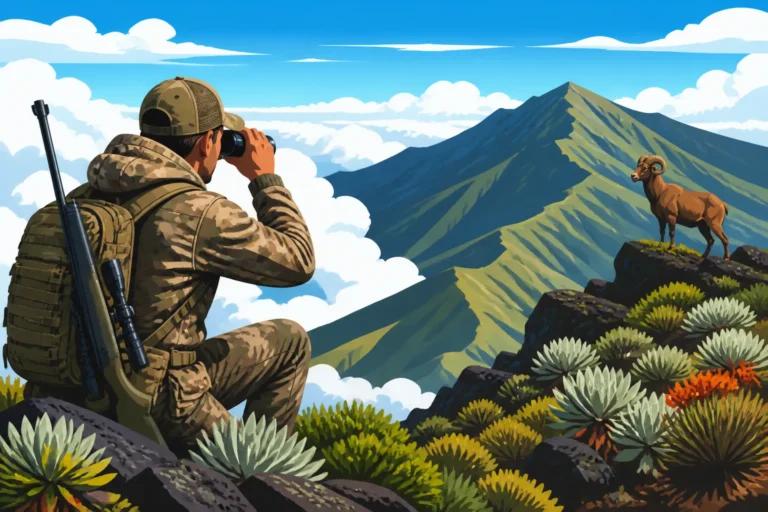
Mouflon sheep, typically found on the Big Island's higher elevations, present a different kind of challenge. These animals inhabit rocky, often sparse terrain, where cover is minimal, and the air is thin. Spot-and-stalk is the primary method here. You'll spend a lot of time glassing vast areas, sometimes for hours, using high-quality binoculars or a spotting scope. Once you locate a ram, the real work begins. The terrain can be brutal, with steep ascents, loose volcanic rock, and sudden gulches. A muzzleloader hunt for Mouflon is as much a test of physical endurance as it is hunting skill. Approaching from above, using the contours of the land, and ensuring you have a steady rest are vital for making a clean shot in such challenging conditions. For more on these elusive sheep, check out our guide on Mouflon Sheep Hunting on Hawaii Island.
Pig and Goat Hunting in Thick Cover
Feral pigs and goats are abundant on many Hawaiian islands and often inhabit dense, unforgiving terrain. Pigs particularly love the wet, thick rainforests and gulches on islands like Oahu and the Big Island. Goats, on the other hand, can be found in a variety of habitats, from steep sea cliffs to dry canyon country. For muzzleloader hunting these animals, close quarters are the norm.
When pursuing pigs in their preferred dense cover, still-hunting or even hunting with dogs (where legal and appropriate) can be effective. Still-hunting involves moving incredibly slowly, pausing frequently to listen and scan your surroundings. You're looking for subtle movements, the flick of an ear, or the glint of a tusk. The vegetation can be so thick that visibility is often limited to mere yards, making a muzzleloader perfectly suited for these close-range encounters. Your senses become your most valuable tool, as you'll often hear pigs before you see them. Knowing how to interpret Reading Pig Sign Along a Muddy Trail can help you focus your efforts.
For goats, particularly in canyon or cliff country, extreme caution is necessary. They often frequent treacherous areas, and getting into a safe shooting position can be difficult. Patience and a steady hand are paramount. Often, you’ll be hunting them in areas with sheer drops or unstable footing. A muzzleloader works well here because shots are typically close, and the ability to make a precise, single shot is all that matters. In these environments, you'll want to prioritize shot placement to prevent a wounded animal from falling into an unrecoverable area. Remember that hunting for Hunting Hawaii's Feral Goats can be physically demanding and potentially dangerous.
Understanding Shot Placement and Range Limitations
The single-shot nature of a muzzleloader amplifies the importance of precise shot placement and knowing your weapon's effective range. Unlike a rifle where a quick follow-up might correct a slightly off-center hit, with a muzzleloader, that first shot is often your only shot. This means practicing diligently, understanding your muzzleloader's trajectory with your chosen load, and confidently knowing your maximum ethical range.
For Axis deer and Mouflon, a broadside shot aiming for the heart-lung area is almost always preferred. Their vitals are similar to other deer species, and a well-placed shot will ensure a quick, humane kill. For pigs, their shoulder shield can be incredibly tough, so a shot placed slightly behind the shoulder, quartering away, or a head shot (if you are very confident and close) can be more effective. Goats also offer a good broadside target to the vitals.
Never take a shot beyond the range you’ve confidently practiced at. Environmental factors like wind, elevation, and even humidity can affect a muzzleloader's ballistics more profoundly than modern cartridge rifles. Stick to ranges where you can consistently hit a dinner plate-sized target, or even smaller, as a clean kill is always the goal. This might mean letting an animal walk if the distance is too great or the angle isn't right, which is part of the discipline and respect inherent in muzzleloader hunting.
Island-Specific Muzzleloader Opportunities and Units
Hawaii's islands each offer their own unique blend of terrain, game animals, and hunting regulations. While the general principles of muzzleloader hunting remain consistent, understanding the specific opportunities available on each island can significantly enhance your planning and success.
Big Island Mouflon and Feral Sheep
The Big Island (Hawaii Island) is renowned for its Mouflon sheep and feral sheep populations, primarily found on the vast, often rugged slopes of Mauna Kea and Mauna Loa. These hunts take place in high-elevation, open, and sometimes brutally challenging terrain. Muzzleloader seasons for Mouflon often coincide with or provide alternative windows to the general rifle seasons, particularly in units like Unit A on Mauna Kea or in the Puu Waawaa Wildlife Sanctuary.
Hunting Mouflon with a muzzleloader on the Big Island demands excellent physical conditioning due to the elevation and strenuous hiking over lava fields and steep grades. The open nature of the terrain means long-range glassing is critical to locate sheep, followed by painstaking stalks to close the distance within ethical muzzleloader range. Success here often hinges on your ability to spot a ram from afar and then navigate the difficult ground silently and patiently. For more details on these magnificent animals and where they roam, refer to our comprehensive guide on Mouflon Sheep Hunting on Hawaii Island. Remember to check specific unit regulations and draw results, which can be accessed via platforms like GoHunt, as these hunts are highly coveted.
Maui and Molokai Axis Deer
Maui and Molokai are famous for their abundant Axis deer populations, which are considered premier game animals in Hawaii. While Lanai also has Axis deer, public hunting there often has specific rules that might restrict commercial guided hunts or specific weapon types. Maui and Molokai, however, offer significant muzzleloader opportunities, often through drawn hunts or specific season windows in their public hunting units and on private ranch lands.
On Maui, units like Kahikinui and Kula Forest Reserve can offer challenging but rewarding Axis deer hunts. The terrain can range from open grasslands to dense dry forest, requiring adaptive stalking techniques. Molokai is known for producing some of the largest Axis bucks in Hawaii, with hunting often taking place on sprawling ranches that may offer guided muzzleloader hunts, or in the island's public lands. The key to muzzleloader success on these islands is often a patient spot-and-stalk approach in the morning and evening, focusing on areas with fresh sign, water sources in dry periods, and travel corridors between bedding and feeding areas. Understanding Axis Deer Hunting in Hawaii is crucial for anyone planning a trip. Always confirm the specific regulations for each unit and island, as they can vary regarding weapon types and season dates.
Kauai Black-Tailed Deer
Kauai is the only Hawaiian island where you'll find Black-tailed deer, a distinct species from the Axis deer on other islands. These deer are found primarily in the rugged Kokee and Na Pali-Kona regions, characterized by deep canyons, dense forests, and steep mountain slopes. Kauai offers both archery and rifle seasons, and muzzleloader hunters will find specific windows within these broader seasons, particularly in units like Kekaha and Puu Ka Pele.
Hunting Black-tailed deer on Kauai with a muzzleloader means embracing the challenge of dense cover and steep, often wet, terrain. Shots are typically at closer ranges than for Axis or Mouflon, emphasizing stealth and quick decision-making. Still-hunting through the thick vegetation, identifying trails, and anticipating deer movement are crucial. The dense canopy can limit visibility, making clear-cutting shooting lanes challenging but necessary. Your physical fitness will be tested navigating the island's famous "Na Pali-Kona" style terrain. Make sure to review the specific season dates and bag limits for Black-Tailed Deer Hunting in Hawaii, as these opportunities are generally limited to specific weekends.
Preparing for Your Hawaii Muzzleloader Hunt
A successful Hawaii muzzleloader hunt isn't just about the shot; it's about meticulous preparation long before you step foot in the field. From physical conditioning to understanding the specific unit logistics, every detail matters when you're relying on a single-shot firearm in unfamiliar territory.
Pre-Season Scouting and Physical Fitness
Hawaii's diverse and often challenging terrain demands a level of physical fitness that can surprise hunters accustomed to flatter, more accessible hunting grounds. Whether you're climbing the volcanic slopes of Mauna Kea for Mouflon, navigating the thick, wet gulches for pigs, or stalking Axis deer across hot, dry pastures, you'll be covering significant ground, often off-trail. Pre-season, focus on cardiovascular endurance, strengthening your legs, and building core stability. Hiking with a weighted pack, especially on inclines, is excellent training. Don't underestimate the impact of humidity and heat on your stamina; acclimatization might be necessary if you're coming from a colder climate.
Beyond physical prep, scouting, even if done remotely, is invaluable. Utilize online mapping tools like Google Earth or dedicated hunting apps like onX Hunt to study unit boundaries, identify potential access points, water sources, bedding areas, and feeding grounds. Look for terrain features that could funnel game or provide advantageous stalking routes. If possible, a boots-on-the-ground scouting trip before the season opens, as detailed in Scouting a Hawaii Hunting Unit Before Opening, can significantly increase your success odds. For muzzleloader hunting, understanding the terrain that will allow you to get within 100-150 yards is crucial.
Packing Smart: Water, Food, and Emergency Gear
Hawaii's weather can be unpredictable, often swinging from intense sun to sudden torrential downpours within hours, sometimes even minutes. This makes smart packing a non-negotiable aspect of your hunt. Water is paramount; dehydration can set in quickly in tropical heat and during strenuous activity. Carry more water than you think you'll need, and consider a water filter or purification tablets for emergency resupply if you're in areas with natural water sources.
Nutrient-dense, non-perishable snacks are also essential to maintain energy levels throughout the day. Beyond sustenance, a well-stocked emergency kit is a must. This should include a first-aid kit, a reliable form of communication (satellite phone or inReach device, as cell service is often nonexistent in remote units), a headlamp, emergency shelter (like a space blanket or lightweight tarp), fire-starting tools, and a multi-tool. A GPS device or a mapping app on your phone (downloaded for offline use) is critical for navigation, especially in dense forests or lava fields where trails may be faint or non-existent.
Understanding Check-In/Check-Out Procedures
Most public hunting units in Hawaii require hunters to check in and out, whether physically at a hunter check station or digitally via an app like OuterSpatial. This system is crucial for safety, wildlife management, and accountability. Failing to check in or, more commonly, failing to check out, can result in penalties or even losing future hunting privileges.
Before your hunt, research the specific check-in/check-out requirements for your chosen unit. Some units have designated stations that are only open during certain hours, while others might allow 24/7 digital check-ins. If using an app like OuterSpatial, ensure your phone is fully charged and you understand how to use it before you lose cell signal. These procedures are not mere formalities; they are designed to track hunter presence, gather harvest data, and ensure everyone exits the field safely. Being familiar with Checking In and Out of Hawaii Hunting Units is a fundamental part of responsible hunting in the islands.
Field Care and Meat Preservation with Muzzleloaders
Harvesting an animal with a muzzleloader in Hawaii is a monumental achievement, but the work doesn't end there. The warm, humid climate poses immediate challenges to meat preservation. Proper field care is paramount to ensuring your hard-earned venison makes it to the dinner table.
Quick Field Dressing in Tropical Heat
Unlike colder climates where you might have a little more leeway, meat spoilage in Hawaii's tropical heat can happen alarmingly fast. As soon as you've harvested an animal, the clock starts ticking. Rapid and thorough field dressing is absolutely essential. This means getting the guts out immediately to allow the carcass to cool down from the inside out. For a large Axis deer or a substantial feral pig, this might involve opening up the chest cavity to aid cooling, or even splitting the pelvis if you're prepared.
Every minute counts. The goal is to remove internal organs and any external heat as quickly as possible. If you’re hunting in a wet area, try to keep the meat as clean as possible, avoiding contact with mud or excessive dirt. Some hunters even carry a small, portable game bag or cheesecloth to immediately protect the field-dressed carcass from flies and debris. This initial step sets the stage for whether your meat will be palatable or spoiled.
Cooling Meat Fast and Transport Challenges
After field dressing, the next critical step is rapid cooling. This is often the biggest hurdle in Hawaii. In many mainland hunting scenarios, you can hang a carcass overnight in cooler temperatures. That's rarely an option in Hawaii. If you're fortunate enough to hunt close to your vehicle, getting the carcass into a cooler filled with ice immediately is the best approach. Break down larger animals into quarters or deboned sections to fit them into coolers more efficiently. Always use plenty of ice, and consider freezing plastic water bottles beforehand for a longer-lasting cool source.
If you're deep in a gulch or miles from a road, the challenge intensifies. This is where a good pack frame and game bags become invaluable. Quarter the animal in the field, place the meat in breathable game bags, and then get it out to your vehicle and ice as fast as humanly possible. Some hunters carry insulated game bags or blankets to wrap the meat during the pack out to provide some temporary insulation. Remember that Packing Meat Out of a Hawaii Gulch can be incredibly strenuous, and planning for it before the shot is vital. For more in-depth advice on keeping your harvest pristine, refer to our guide on Field Care in Hawaii's Heat and Humidity.
Hawaii's Rules on Transporting Game Meat
Once you've cooled your meat, understanding the regulations for transporting it is the final piece of the puzzle. Within an island, you'll generally need to ensure your permit-tag (if required for the species) remains attached to a portion of the carcass until it's processed or consumed. This ensures compliance with harvest reporting requirements.
If you plan to transport meat between islands, or even back to the mainland, agricultural inspection rules come into play. You'll need to ensure the meat is properly processed, frozen, and packaged. Often, it must be fully deboned and thoroughly cleaned. Avoid transporting any parts that could carry invasive pests or diseases, such as hooves or unprocessed hides, without checking specific agricultural regulations. Reputable meat processors in Hawaii are familiar with these rules and can often assist with proper packaging for shipping. Never attempt to bypass these regulations, as violations can lead to hefty fines and confiscation of your meat. Understanding these rules ensures that your successful muzzleloader hunt culminates in a delicious, safely transported bounty.
| Component | Minimum Caliber | Powder Type | Projectile Type | Common Ignition |
|---|---|---|---|---|
| Big Game | .45 | Black Powder or Approved Black Powder Substitute (e.g., Pyrodex, Triple Seven) | Single Projectile (e.g., Sabot, Conical, Round Ball) | 209 Primer |
| (Deer, Pig, Goat, Sheep) | Percussion Cap | |||
| Flintlock |
Note: Always consult the latest Hawaii DOFAW regulations for specific unit rules or recent changes.
Disclaimer
Please be aware that hunting regulations, seasons, and unit boundaries in Hawaii can change. Always consult the most current official publications from the Hawaii Department of Land and Natural Resources (DLNR), Division of Forestry and Wildlife (DOFAW) before planning and executing any hunt. This guide is for informational purposes only and does not supersede official state regulations.