Hunting a Hawaii Pineapple Field Edge
Finding good hunting spots in Hawaii can be a real head-scratcher, especially when you’re trying to navigate dense jungles or steep volcanic slopes. Many hunters, myself included, often overlook some truly productive areas that might not seem like traditional hunting grounds at first glance. We're talking about the edges of Hawaii's pineapple fields – places that, surprisingly, offer fantastic opportunities for both Axis deer and feral pigs. This guide will walk you through why these agricultural zones are animal magnets and how you can effectively and safely hunt them.
Why Pineapple Field Edges Are Game Magnets
You might picture pineapple fields as neatly cultivated rows, devoid of wildlife, but that couldn't be further from the truth. These agricultural landscapes, particularly their fringes, create an irresistible haven for various game animals across the Hawaiian islands. It's all about the perfect combination of food, cover, and water, often lacking in other, more barren parts of the islands.
A Bounty of Food and Protective Cover
Think about it: pineapple plants, especially younger ones or those not yet harvested, offer a surprisingly succulent and nutritious forage. For animals like Axis deer and feral pigs, it's like a buffet. The tender leaves and even the occasional dropped fruit become a prime food source, especially during drier seasons when natural vegetation is less abundant. Beyond the direct food value, the sheer density of a pineapple field offers incredible cover. A mature pineapple field can be remarkably thick, providing a dense, low-lying canopy where animals can bed down unseen, escape the heat, or simply feel safe from predators (of which there are few natural ones for these introduced species in Hawaii). This makes the edge of the field particularly potent – animals can step out to feed and quickly retreat back into the safety of the rows if they sense danger. It's a classic edge habitat scenario, providing the best of both worlds.
Target Species: Axis Deer and Feral Pigs
While other game might occasionally pass through, the primary draws to a pineapple field edge are undoubtedly Axis deer and feral pigs. These two species thrive in environments that offer accessible food and dense cover, precisely what these fields provide.
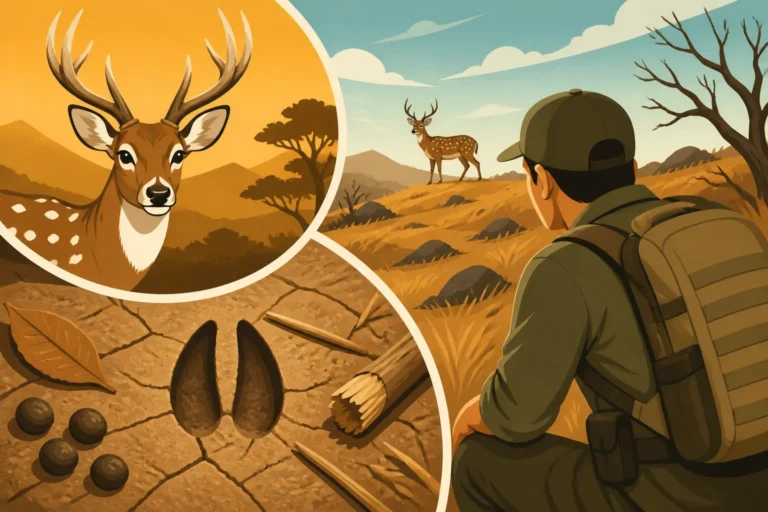
Axis Deer: These beautiful deer, found predominantly on Maui, Molokai, and Lanai, are grazers and browsers by nature. They are constantly seeking tender shoots and palatable leaves. The younger pineapple plants or newly tilled areas around the edges offer just that. You’ll often find Axis deer venturing out from dense kiawe or dryland forests adjacent to these fields, especially in the cooler parts of the day. They use the field edges as travel corridors and feeding grounds. If you've ever spent time trying to read Axis deer sign in dry country, you'll know they gravitate towards any green browse, and a pineapple field is a huge green oasis. Their activity picks up significantly around these edges, particularly at first light and last light, when they feel safest to feed in the open.
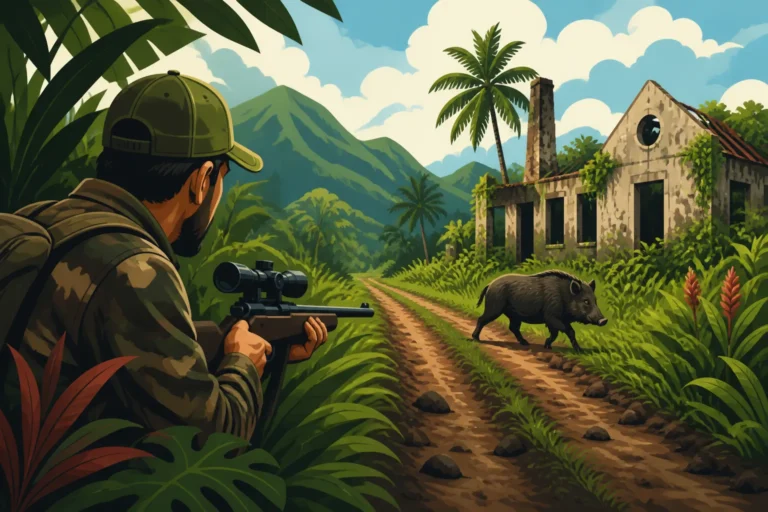
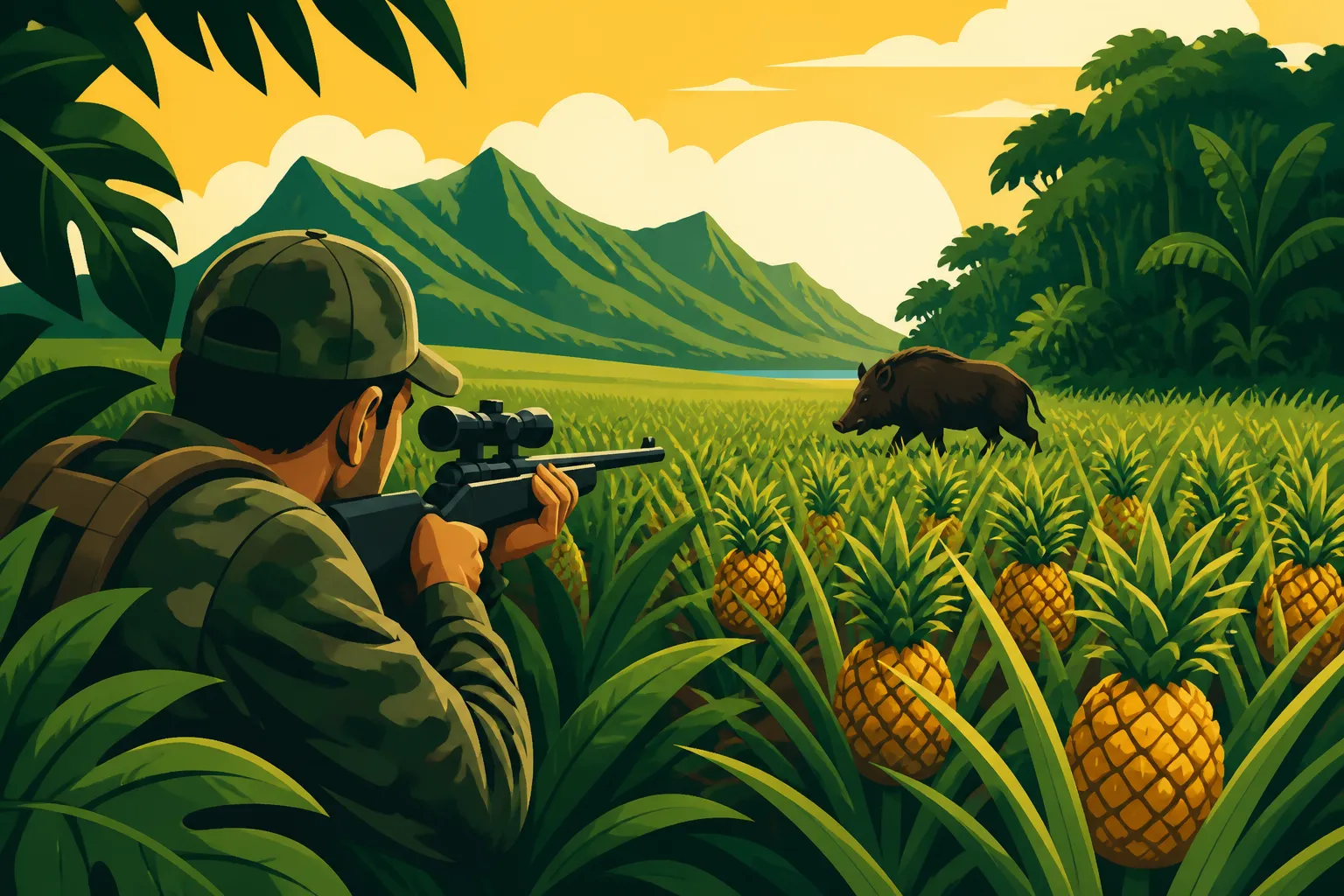
Feral Pigs: Pigs are opportunistic omnivores, and a pineapple field is a veritable feast for them. They'll root up the soil for tubers, munch on fallen fruit, and even chew on the pineapple plants themselves. The dense cover also provides ideal farrowing areas for sows and security for boars. If you're wondering what feral pigs eat in the islands, the answer is pretty much anything, and pineapples are definitely on the menu. Their rooting can even cause significant damage to the crop, which is why landowners might be more receptive to hunters helping with population control. When hunting pigs without dogs in Hawaii, focusing on these field edges, especially where they meet thick gulches or forested areas, can be incredibly productive.
Essential Tactics for Hunting Pineapple Field Edges
Hunting the edge of a pineapple field isn't like hunting deep woods or open plains; it requires specific strategies tailored to this unique agricultural environment. Success often comes down to meticulous scouting, understanding animal movement patterns, and adapting to the rhythm of the farm itself.
Scouting and Reading the Edges
Before you even think about setting up, you need to put in the legwork. Drive or walk the perimeter of the pineapple fields you're interested in. Look for the "soft" edges – areas where the field transitions into natural brush, a gulch, or a tree line. These transition zones are where animals feel most comfortable moving between cover and feed.
What to Look For: Keep your eyes peeled for tell-tale signs:
- Tracks: Fresh tracks entering or leaving the field, especially along fence lines or worn trails. Look for both deer and pig tracks.
- Scat/Droppings: Axis deer droppings are pellet-like, while pig scat is more varied, often cylindrical and containing bits of vegetation. The freshness of the droppings tells you how recently animals were there.
- Wallows and Rubs: Pigs love to wallow in muddy spots, and their activity will be evident. Axis bucks will rub their antlers on small trees or branches along the edge.
- Worn Trails: Animals, especially pigs, will create discernible trails leading into and out of the dense field cover. These become natural funnels.
- Damage: Evidence of rooting by pigs within the first few rows of the field or nibbled pineapple plants can confirm recent feeding activity.
Remember to check both ends of the field and areas where the pineapple rows meet different types of vegetation, such as a koa forest edge or a kiawe flat.
Stalking and Ambush Strategies
Once you’ve identified active areas, it's time to plan your approach. Given the open nature of some fields, a careful stalk or a well-placed ambush are usually your best bets.
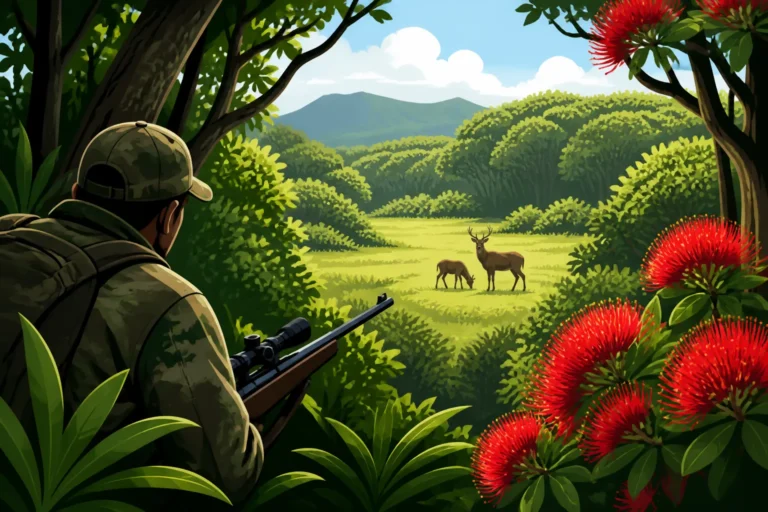
Ambush Points: Focus on natural funnels. This could be a small draw that runs up to the field, a dense patch of tall grass bordering the pines, or even a strategic cluster of trees that provides cover and an elevated vantage point. Setting up early in the morning, before dawn, or in the late afternoon, as the sun begins to set, will give you the best chance of catching animals as they move to or from the field. Consider the prevailing wind direction; animals will almost always approach a feeding area with the wind in their favor, so set up downwind. For Axis deer, the first hour of light is often the most productive time, as they filter out to feed after a night of resting.
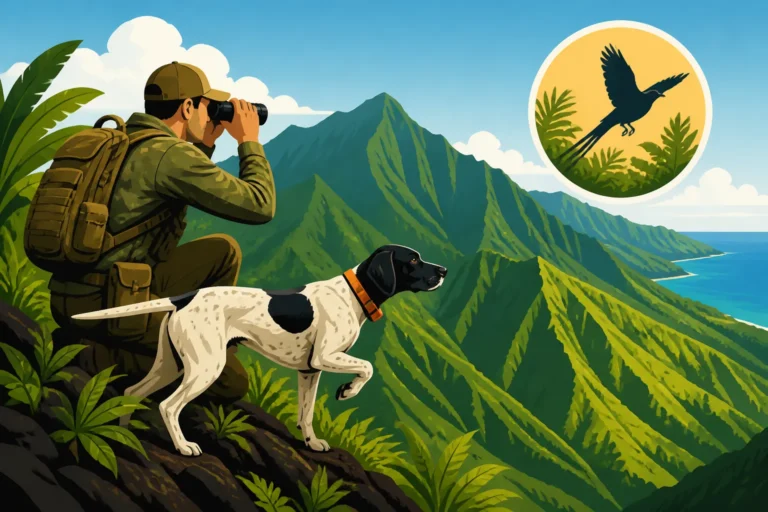
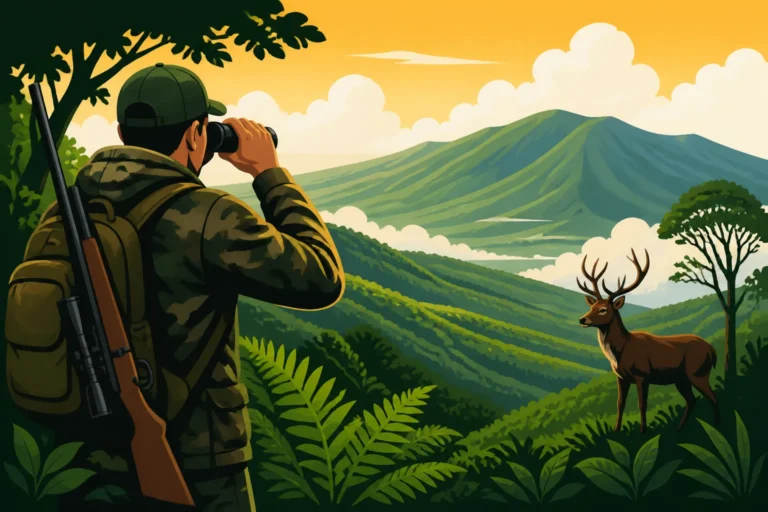
Spot-and-Stalk: If the terrain allows and you have good visibility, spot-and-stalk can be incredibly effective. Get to a high point overlooking the field edge early. Use good binoculars or a spotting scope to scan the fringes. Once you spot an animal, plan your stalk, using any available terrain features like small hills, fence lines, or dense vegetation for concealment. Be mindful of the uniform rows of pineapple plants themselves – while they offer some visual break, they also provide very little actual cover once you're inside the field. Your best bet is to stalk along the edges, remaining in the natural cover, rather than attempting to navigate the rows themselves. This is where patience truly pays off.
Understanding Field Operations
This is crucial for both safety and success. Pineapple farms are working agricultural environments. Harvesters, irrigation teams, and maintenance crews will be present at various times.
Farm Activity & Animal Movement: Animals quickly learn the rhythm of farm operations. During active work hours, game animals will generally retreat deeper into cover or move to less disturbed areas. This means your best hunting opportunities are almost always during non-working hours – typically early mornings, late evenings, weekends, or during periods when a specific field section is fallow or between planting cycles. Knowing when workers are out can help you plan when not to be there, not just for your safety but also to avoid disturbing the farm's operations and to maximize your chances of seeing game when things are quiet. Always respect "no trespassing" signs and operational zones.
Navigating Regulations and Safety in Agricultural Areas
Hunting around pineapple fields isn't just about knowing animal behavior; it's also about understanding the specific rules and safety protocols that come with hunting near agricultural operations, which are often private lands.
Access and Permit Requirements
This is perhaps the most critical aspect of hunting pineapple field edges. The vast majority of pineapple fields in Hawaii are on private land. This means you absolutely must obtain explicit permission from the landowner or leaseholder before stepping foot on the property. Hunting on private land without permission is trespassing and can lead to serious legal consequences.
Gaining Access:
- Direct Contact: The most straightforward way is to identify the owner or manager of the pineapple farm and politely request permission. Be respectful, explain your intentions (e.g., helping with pig control), and offer to share some of the harvested meat. Building a good relationship can open up long-term opportunities.
- Guided Hunts: Some larger ranches or agricultural operations might have agreements with local outfitters who can guide you onto their land. While not directly managing pineapple fields, places like Molokai Ranch or certain Maui operations might have pineapple fields adjacent to their hunting areas, or the guide might have connections.
- DOFAW Collaboration: In some cases, if damage from pigs or deer is severe, the Department of Land and Natural Resources (DLNR) Division of Forestry and Wildlife (DOFAW) might work with landowners to organize special hunts or issue permits for pest control. Keep an eye on DOFAW announcements regarding Hawaii's Hunting Units and How They Work, as sometimes cooperative agreements are formed. For checking in and out of Hawaii hunting units, especially public ones, the OuterSpatial app is becoming standard, but for private lands, it's all about direct communication.
Hawaii Hunting Licenses and What They Cost: Regardless of where you hunt, you'll need a valid Hawaii hunting license and any required permits or tags for the species you pursue. Make sure your paperwork is in order before you even ask for private land access.
Safety Considerations Near Farms
Hunting near active agricultural land carries unique safety challenges beyond typical wilderness hunting. You must be hyper-aware of your surroundings.
Know Your Backdrop: When taking a shot, always, always be certain of what lies beyond your target. Pineapple fields are often near roads, farm buildings, homes, or other cultivated areas. A stray bullet can travel a long distance. Use appropriate legal rifle calibers for big game and ensure your shot placement is ethical and safe, minimizing the risk of ricochets or over-penetration into unintended areas. Never shoot towards farm structures, roads, or where you can't clearly see a safe backdrop.
Blaze Orange and Visibility: Even if not strictly required by law on private land, wearing blaze orange in Hawaii is always a smart idea, especially when hunting close to human activity or when other hunters might be present. In pineapple fields, where cover is low, standing up in blaze orange can make you visible to farm equipment operators or other hunters who might not expect someone to be there. For Hawaii blaze orange and safety rules, it's always best to err on the side of caution.
Farm Equipment and Personnel: Be constantly aware of farm vehicles, equipment, and workers. Tractors, sprayers, and harvesting machinery can be loud and operators may have limited visibility. Stay clear of active operations, and if you see personnel, make your presence known calmly and clearly from a safe distance. Never approach operating machinery. It's a working environment first and foremost.
Optimizing Your Hunt: Timing and Environmental Factors
Even with access secured, understanding the subtle nuances of timing and the environment can dramatically increase your chances of success when hunting a Hawaii pineapple field edge. It's not just about being there, but being there when the animals are.
Best Times to Hunt the Edge
As with most hunting, prime time revolves around when game animals feel most secure to move and feed. In the context of a pineapple field, this means leveraging low light and understanding human activity.
Dawn and Dusk Dominance: This is almost universally true for Axis deer and feral pigs, and it's especially critical around human-influenced areas like farms. Animals will use the cover of darkness to move into the field edges, feeding as the sun rises, and then retreat back into denser cover once the day heats up and human activity begins. They'll repeat this pattern in the late afternoon, emerging as the sun dips. For Axis deer, especially, hunting at first light in Hawaii often yields the best results. Setting up an hour before legal shooting light and staying until an hour after sunrise, then repeating the process from late afternoon until dark, offers the highest probability.
Post-Harvest and Fallow Periods: The period immediately after a section of pineapple has been harvested can be surprisingly good. The ground has been disturbed, potentially exposing roots and insects for pigs, and deer might browse on any remaining tender plant material. Conversely, fallow fields – those resting between planting cycles – can also attract game if some natural vegetation has sprung up. Keep in mind that heavy machinery often follows harvest, so always verify current farm operations. A water source in dry Hawaii country nearby will concentrate animals even more during these times.
Midday Lulls: While you might spot an occasional pig or deer moving during the middle of the day, especially if pressured or if the weather is cool and overcast, it's generally less productive. Animals tend to bed down in the thickest available cover during these hours. If you choose to hunt midday, focus on still-hunting thick transition zones or the densest natural cover immediately adjacent to the pineapple fields.
Wind and Weather Influences
Hawaii's unique microclimates and constant trade winds play a significant role in how animals move and where they'll be found, even around something as structured as a pineapple field.
The Constant Trade Winds: Hawaii's prevailing trade winds, typically blowing from the northeast, are your primary concern. Always try to hunt into the wind or with a crosswind. Animals, particularly Axis deer with their keen sense of smell, will detect you quickly if your scent drifts towards them. These winds can sometimes swirl or be blocked by terrain features, so pay close attention to local wind currents, especially in gulches or valleys bordering the fields. Your scent discipline is paramount.
Rain and Drought:
- Rainy Conditions: Light rain can sometimes work in your favor, as it muffles sound and can encourage animals to move more freely, thinking human activity is reduced. Heavy downpours, however, will usually send animals to seek dense cover, reducing visibility and making hunting difficult. Pigs, being tough animals, might still be out and about, especially if they can find muddy wallows.
- Drought Conditions: During prolonged dry spells, the green, succulent vegetation of pineapple fields becomes even more attractive. Animals will concentrate in areas where food and moisture are available. This can be a boon for hunters, as animals might become more predictable in their movements to and from these green oases. Keep an eye on local conditions; if other areas are parched, pineapple field edges will likely be hotspots.
By understanding the intricate relationship between game animals, agricultural practices, and environmental factors, you can turn a seemingly ordinary pineapple field edge into an extraordinary hunting opportunity. It’s a challenge that rewards patience, respect for private land, and a keen eye for detail. Remember, sites like GoHunt can provide valuable insights into general Hawaii hunting regulations, but specific private land access always requires direct communication and permission.
| Factor | Best Practices for Pineapple Field Edge Hunting | Impact on Hunt Success |
|---|---|---|
| Time of Day | Early morning (pre-dawn to 1 hr post-sunrise), late evening (last 2 hrs) | Maximizes chances when animals are actively feeding/moving |
| Wind Direction | Hunt with wind in your face or a crosswind, never downwind | Prevents animals from scenting you |
| Scouting | Look for fresh tracks, scat, trails, and feeding signs along edges | Identifies active areas and animal patterns |
| Cover | Utilize natural vegetation adjacent to the field for concealment | Aids in stalking and ambush; helps avoid detection |
| Farm Activity | Avoid hunting during active farm operations; prioritize quiet times | Minimizes disturbance, increases animal confidence |
| Access | Always obtain explicit landowner permission before entering | Crucial for legal and ethical hunting |
| Safety | Confirm safe backdrop for every shot; wear blaze orange | Prevents accidents and ensures responsible hunting |
Disclaimer
Hunting in Hawaii involves inherent risks. This guide is for informational purposes only and does not substitute for checking current Hawaii Department of Land and Natural Resources (DLNR) Division of Forestry and Wildlife (DOFAW) regulations, landowner agreements, or professional guide advice. Always prioritize safety, ethical hunting practices, and respect for private property and the environment.