Water and Heat Planning for a Hawaii Hunt
Hunting in Hawaii offers breathtaking landscapes and unique game, but it also presents a formidable adversary that can quickly turn an exciting trip into a dangerous ordeal: the relentless heat and the ever-present challenge of staying hydrated. Many hunters, especially those new to the islands, underestimate how quickly the tropical sun and high humidity can deplete your body's reserves, leading to fatigue, dehydration, and even serious heat-related illnesses. This guide is here to walk you through everything you need to know about planning for and mitigating the heat and water challenges on your next Hawaii hunt, ensuring you're prepared for whatever the islands throw at you.
Understanding Hawaii's Climate Extremes on a Hunt
Hawaii isn't just one type of climate; it's a tapestry of microclimates, often within just a few miles, that can dramatically impact your hunting experience. While you might envision sun-drenched beaches, the hunting units range from arid, sun-baked lava fields to dense, humid rainforests, each with its own set of heat and hydration challenges.
The Double Whammy: Heat and Humidity
The first thing mainland hunters often notice when they step off the plane in Hawaii isn't just the warmth, but the humidity. This isn't your average dry heat where sweat evaporates easily, cooling you down. Here, the air is often saturated with moisture, which means your sweat has nowhere to go. It just sits on your skin, making you feel sticky and preventing your body's natural cooling mechanism from working effectively. What might be a comfortable 80 degrees Fahrenheit in a dry climate can feel like 95 degrees or more in Hawaii's high humidity. This significantly increases your body's core temperature and accelerates fluid loss, even if you don't feel like you're sweating profusely. It's a silent energy drainer that can catch you off guard if you're not used to it, leading to quicker fatigue and impaired decision-making in the field.
Imagine still-hunting through a thick guava patch in the low elevation units of Maui or the Big Island, perhaps targeting feral pigs. The air is still, dense, and heavy. Every step is an effort, and within minutes, your clothes are clinging to you. That sensation isn't just discomfort; it's your body struggling to regulate its temperature. This kind of environment demands a proactive approach to hydration and heat management, not a reactive one. Waiting until you feel thirsty or overheated is already too late, and in remote areas, that can spell serious trouble.
Microclimates and Sudden Changes
One of the most fascinating, yet challenging, aspects of hunting in Hawaii is its incredible diversity of microclimates. You could start your day in a dry, open kiawe forest on the leeward side of an island, like those found in parts of Molokai or Lanai, where the sun beats down relentlessly and water sources are scarce. Just a few hours later, after traversing a ridge or moving into an upland area, you might find yourself in a dense, cloud-shrouded rainforest on the windward side, like those in the Hilo Forest Reserve. While the rainforest might offer more shade, the humidity can be even higher, and sudden torrential downpours are common, soaking you to the bone despite the warmth. This constant flux means your heat and water planning can't be one-size-fits-all for the entire island, let alone for a single day's hunt.
Consider a hunt for Mouflon sheep on Mauna Kea on the Big Island. You might begin in the relatively dry, higher elevation mamane-naio forest, where the air is thinner but the sun is intense. As you climb higher, you could enter cooler, often windy, alpine tundra conditions, but still face significant UV exposure. Then, if you transition to the lower slopes or into a gulch, the humidity could surge again. This rapid change in conditions requires adaptable gear and a flexible mindset. You need to be prepared for the intense sun of the leeward side and the soaking dampness that often accompanies the humidity on the windward side, both of which impact your body's ability to stay regulated. Being aware of these distinct zones is crucial, as Hunting Hawaii's Dry Kiawe Forest demands different planning than hunting Hawaii's wet windward side.
Essential Hydration Strategies for the Field
You simply cannot overstate the importance of proper hydration when hunting in Hawaii. This isn't just about carrying enough water; it's about understanding your body's needs in extreme conditions and proactive replenishment. Many hunters get into trouble by underestimating their fluid loss.
Calculating Your Daily Water Needs
When planning your hunt, estimating your water needs is critical, and for Hawaii, you should always err on the side of carrying more than you think you'll need. A good baseline for active hunting in temperate climates is often 3-4 liters per day. In Hawaii's heat and humidity, especially during strenuous activity like Spot-and-Stalk Axis Deer in Hawaii or navigating steep terrain, that number can easily climb to 5-7 liters or more for a full day afield. For instance, if you're planning a full day of hunting in a unit like Kahikinui on Maui, known for its challenging terrain and often intense sun, you should anticipate needing a significant amount of water.
Think about the effort involved in covering ground, climbing gulches, or packing out meat from a remote area. Each of these activities dramatically increases your metabolic rate and, consequently, your sweat rate. For example, if you're out from pre-dawn to dusk, moving consistently, you could be losing liters of fluid an hour. It’s also wise to consider any unique physical demands of a specific unit; Hunting Hawaii's High Elevation Alpine Ground might involve thinner air, which also increases respiration and water loss. When calculating, always add a buffer for emergencies – a sprained ankle, a longer-than-expected stalk, or getting temporarily disoriented can extend your time in the field, making extra water invaluable.
Water Sources and Purification in Hawaii
While Hawaii is surrounded by ocean, fresh water in the hunting units can be surprisingly tricky to find and almost always requires purification. On the dry, leeward sides of the islands, natural water sources like springs or streams are often intermittent, seasonal, or completely nonexistent. Hunting a Water Source in Dry Hawaii Country becomes a critical skill here. You might encounter stagnant pools, cattle troughs, or runoff areas, none of which are safe to drink directly. In these areas, carrying all your water is usually the only reliable strategy, or caching water ahead of time if permitted and feasible.
On the wetter, windward sides, you'll find more perennial streams and gulches, but don't be fooled by their appearance. Surface water in Hawaii, even in seemingly pristine rainforests, is often contaminated by various pathogens, including Leptospira bacteria (which causes leptospirosis, a serious illness endemic to Hawaii), giardia, and other bacteria from feral pigs, goats, and cattle. Therefore, a reliable water filtration and purification system is an absolute non-negotiable piece of gear. This should be a robust filter that removes bacteria and protozoa, followed by a purification method (like chemical tablets or a UV pen) to address viruses. Never, ever drink untreated water in Hawaii, no matter how clear it looks. A personal filter, like those from Sawyer or Katadyn, combined with purification tablets or a UV sterilizer, offers the best peace of mind.
Electrolytes and Preventing Hyponatremia
Just drinking plain water isn't always enough to combat the intense fluid and mineral loss you'll experience in Hawaii's heat and humidity. When you sweat profusely, you're not just losing water; you're also losing essential electrolytes like sodium, potassium, and magnesium. Replenishing only with plain water can dilute the remaining electrolytes in your bloodstream, leading to a dangerous condition called hyponatremia. This can manifest with symptoms like nausea, headaches, confusion, muscle cramps, and in severe cases, seizures and coma. It's a real danger that often gets overlooked by hunters.
To prevent this, actively integrate electrolyte supplements into your hydration strategy. Carry electrolyte packets, tablets, or powders that you can add to your water. Brands like Liquid I.V., Nuun, or LMNT are popular choices. Start drinking these before you even hit the field, especially the day before and the morning of your hunt. Continue to sip on electrolyte-enhanced water throughout the day, alternating with plain water. This ensures your body's mineral balance stays in check, allowing you to sustain your energy levels and cognitive function, which are crucial for safe and successful hunting in challenging environments. It's a small addition to your pack that can make a huge difference in your safety and performance.
Beating the Heat: Gear, Tactics, and Self-Care
Beyond hydration, there are numerous other ways to combat the heat and humidity, from smart clothing choices to how you approach your hunt. Being mindful of these factors can greatly improve your comfort and endurance.
Clothing Choices for Tropical Hunting
Forget the heavy wool or insulated gear you might wear for hunting in colder climates. For Hawaii, your clothing strategy revolves around three key principles: lightweight, breathable, and moisture-wicking. Opt for synthetic fabrics like polyester or nylon, or blends that excel at pulling sweat away from your skin, helping it evaporate (even if slowly in high humidity) and promoting a cooling effect. Cotton, while comfortable in dry heat, is a major no-go in Hawaii. Once wet, it stays wet, becomes heavy, and can lead to chafing and discomfort, hindering your ability to stay cool.
Long sleeves and pants, paradoxically, are often better than shorts and t-shirts. They protect your skin from the intense Hawaiian sun (preventing sunburn, which itself can dehydrate you and reduce your body's ability to cool itself) and offer crucial protection from sharp kiawe thorns, abrasive lava rock, and dense underbrush. Look for UPF-rated clothing to maximize sun protection. A wide-brimmed hat is also essential for shading your face and neck. Colors should be light to reflect sunlight, but still blend with the environment, so earth tones are best. Your footwear is also paramount; Boots for Hawaii Lava and Wet Forest should be breathable but also offer excellent ankle support and traction for varied terrain.
Smart Hunting Tactics for Hot Weather
The sun rises quickly in Hawaii, and the heat can become oppressive surprisingly fast. This means adjusting your hunting schedule and tactics. The golden hours of dawn and dusk are not just for animal activity; they're also the most forgiving times for hunters. Start your hunt well before first light, allowing you to cover ground and be in position during the coolest part of the day when game is most active. Similarly, focus on hunting the last few hours before sunset. During the middle of the day, when the sun is highest and hottest, consider taking a strategic break. Find a shady spot under a large koa or mango tree, rehydrate, eat a snack, and conserve energy. This isn't laziness; it's a smart tactical move to avoid overheating and maintain stamina.
Additionally, pay close attention to the wind, or lack thereof. Reading Hawaii's Trade Wind Patterns is vital, as consistent breezes can offer some relief, but shifting thermals in gulches or valleys can quickly betray your presence. When moving, adopt a slower, more deliberate pace. Pushing yourself too hard too fast will only accelerate fatigue and dehydration. If you're on a multi-day hunt, plan your itinerary to tackle the most demanding areas or expose yourself to the most intense sun during the cooler parts of the day or on days when weather forecasts predict slightly milder conditions.
First Aid for Heat-Related Illnesses
Despite your best efforts, heat-related illnesses can strike, and knowing the signs and how to react is critical, especially since No Cell Signal on a Hawaii Hunt is a common reality in remote units. Heat exhaustion is a milder form but still serious. Symptoms include heavy sweating, cold, clammy skin, fast, weak pulse, nausea, muscle cramps, dizziness, headache, and fatigue. If you or a hunting partner experience these, immediately get to a cool, shady spot, lie down, elevate feet, loosen clothing, apply cool, wet cloths, and sip water or an electrolyte drink. Do not give plain water if the person is nauseous or vomiting.
Heatstroke is a medical emergency and can be fatal. It occurs when the body's temperature regulation system fails. Symptoms include a body temperature of 104°F or higher, hot, red, dry or moist skin, a strong, rapid pulse, throbbing headache, dizziness, nausea, confusion, and loss of consciousness. If you suspect heatstroke, call for emergency help immediately. While waiting, try to cool the person rapidly by any means available: move them to shade, apply ice packs to armpits and groin, or immerse them in cool (not cold) water if possible. Your first aid kit for Hawaii should include rehydration salts, pain relievers, and moleskin for blisters, as damp, hot feet are prone to them.
Packing Smart for a Hot-Weather Hawaii Hunt
What you bring in your pack can make or break your comfort and safety when hunting in Hawaii's challenging conditions. Every item should be considered for its weight, utility, and heat-mitigating properties.
Essential Gear for Staying Hydrated
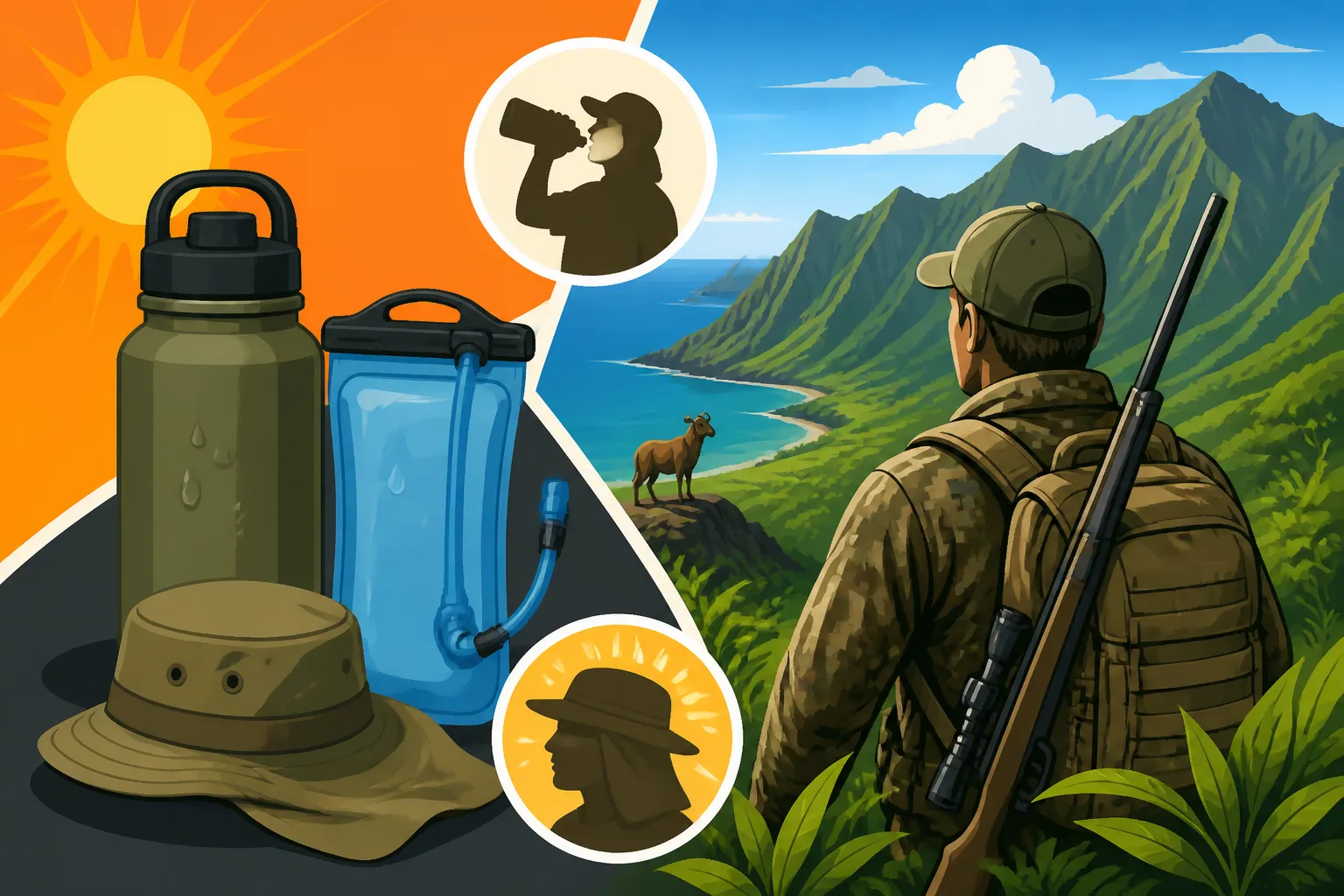
Beyond the water itself, the tools you use to carry and access it are paramount. A reliable hydration bladder (2-3 liter capacity minimum) in your backpack is essential for hands-free, continuous sipping throughout the day. Supplement this with at least one or two sturdy water bottles (like Nalgene or insulated Hydro Flasks) for extra capacity or for mixing electrolyte drinks. Having multiple ways to carry water reduces the risk of being caught without if one system fails. As mentioned, a high-quality water filter and purification tablets are non-negotiable for refilling. The Sawyer Squeeze filter is a popular, lightweight choice.
Another often overlooked item is a small, packable towel. Even a microfiber camping towel can be invaluable for wiping sweat, cooling down your neck, or drying off after a sudden downpour, which is common in areas like Hawaii's rainforest gulches. Consider a small, battery-operated personal fan if your hunt involves long periods in a stand or blind, though for active stalking, it might be more weight than benefit. Crucially, practice with all your hydration gear before your hunt to ensure it's comfortable, accessible, and functions reliably. Many hunters find that a chest rig or bino harness can also carry smaller water bottles or a few electrolyte packets for easy access.
Food Choices and Preservation
When it's hot and humid, food planning takes on a new dimension. You need calorie-dense options that won't spoil quickly and are easy to consume on the go. Avoid anything that requires refrigeration or melts easily. Think about dried fruits, nuts, jerky, energy bars, and hard crackers. Protein bars with higher calorie counts are excellent for sustained energy. While sugary snacks can provide a quick boost, too much can lead to a crash, so balance them with complex carbohydrates and healthy fats.
For multi-day trips, Cooling Meat Fast on a Hawaii Hunt becomes a major consideration immediately after a kill. While you're afield, focus on non-perishables. If you're bringing food for your camp, an insulated cooler with quality ice (or dry ice if accessible) is critical. Pack food in airtight, waterproof bags to prevent moisture and insects from getting in. Consider bringing a small, personal stove and dehydrated meals for dinner if camping, as they are lightweight and provide a hot, morale-boosting meal without the worry of spoilage. Planning for Field Care in Hawaii's Heat and Humidity starts with proper food choices for yourself.
Advanced Planning and Contingency
Even with the best gear and intentions, unexpected challenges can arise. Comprehensive planning for Hawaii's unique environment includes scouting, communication, and emergency preparedness.
Scouting and Water Point Identification
Before you ever set foot in a Hawaii hunting unit, thorough scouting is paramount, and identifying potential water sources should be high on your list, especially if you plan to rely on natural refills. Use online mapping tools like Gaia GPS or onX Hunt (and remember the "GoHunt" platform often provides excellent unit-specific information) to study topography, locate gulches, streams, and any marked water features. Satellite imagery can sometimes reveal areas with denser vegetation, which might indicate a hidden spring or perennial seep. However, always treat these as potential sources, not guaranteed ones, as many will be dry or stagnant depending on the season, especially during Hunting a Hawaii Unit in Drought.
If possible, make a reconnaissance trip to the unit ahead of time to physically verify water points. Even if you plan to carry all your water, knowing where emergency sources might be located provides an invaluable backup. Mark these waypoints on your GPS. Remember that in some of the drier regions, like parts of Unit A on Mauna Kea, reliable water sources might be hours apart, if they exist at all. Understanding the local water dynamics – whether it's an ephemeral stream that only runs after heavy rains or a spring that flows year-round – will greatly influence your carrying capacity decisions and overall hunt plan.
Communication and Emergency Plans
Remote hunting in Hawaii means facing the harsh reality of limited to non-existent cell service in many units. Relying on your smartphone for emergencies is a risky gamble. This makes robust communication and emergency planning absolutely essential. A satellite messenger device, such as a Garmin inReach or Zoleo, is highly recommended. These devices allow you to send and receive text messages, share your location, and, critically, trigger an SOS call to emergency services even when off-grid. They offer a vital lifeline for any serious heat-related illness, injury, or getting lost.
Always share your detailed hunt plan with a trusted person who is not with you. This plan should include your intended unit, start and end dates, expected routes, and when you anticipate checking back in. If you don't check in by a certain time, that person should know to initiate a search. Familiarize yourself with how to Check In and Out of Hawaii Hunting Units, as this is a crucial safety protocol that helps wildlife officials know who is in the field. Beyond technology, carry a physical map and compass and know how to use them. GPS units can fail, batteries can die, and in dense, wet forest conditions or vast lava fields, a reliable compass and map are irreplaceable for Staying Found in Dense Hawaii Rainforest. Being prepared for the worst allows you to focus on the hunt, knowing you have a safety net.
Disclaimer
Hunting is an inherently dangerous activity. This guide provides general information for educational purposes only and is not a substitute for professional advice, local regulations, or proper training. Always consult the Hawaii Department of Land and Natural Resources (DLNR) for the most current hunting regulations, season dates, and unit-specific rules. Be sure to obtain all necessary licenses and permits. Hunt at your own risk and always prioritize safety.