Maui Outfitters and What They Offer
Embarking on a hunting adventure on Maui can feel like stepping into an entirely different world, especially for those accustomed to mainland hunting experiences. The sheer variety of terrain, the unique species, and the sometimes-complex public land access rules can leave even seasoned hunters feeling overwhelmed. This guide is designed to cut through that confusion, giving you a comprehensive look at what Maui outfitters offer, helping you understand how they can streamline your hunt and maximize your chances of success on the Valley Isle.
Understanding the Appeal of a Maui Outfitter
Maui, with its stunning landscapes ranging from dry kiawe flats to misty upcountry forests, presents both incredible opportunities and significant challenges for hunters. While the idea of a self-guided hunt has its romantic appeal, the realities of hunting on an island like Maui often lead hunters to consider the expertise of a local outfitter. It’s not just about finding game; it’s about understanding the land, the weather patterns, and the intricate web of regulations that govern these unique ecosystems.
Navigating Maui's Unique Hunting Challenges
Maui's hunting landscape is unlike many places in the world. You have a blend of public hunting units, vast private ranch lands, and areas that can shift from dense, wet forest to open, arid plains in a matter of miles. For an uninitiated hunter, deciphering unit boundaries, understanding access points, and recognizing prime habitat can be a massive undertaking. The terrain itself is often steep, uneven, and can be brutal on equipment and stamina, demanding specialized knowledge for safe and effective navigation.
Moreover, the climate plays a huge role. One side of the island might be soaked by trade winds, creating muddy, slick conditions, while another side experiences perpetual drought, concentrating animals around limited water sources. Learning these nuances through trial and error can eat up valuable hunting time. An outfitter has spent years, often decades, observing these patterns, knowing where animals seek refuge during a downpour or where they'll be headed when the dry season hits. Their experience provides a crucial shortcut through this learning curve.
Accessing Private Lands and Exclusive Opportunities
One of the biggest advantages of working with a Maui outfitter is gaining access to private lands. While Hawaii does offer public hunting opportunities, many of the most desirable hunting areas, particularly for larger Axis deer and trophy pigs, are found on private ranches and agricultural lands. Securing direct permission to hunt these private parcels can be incredibly difficult, often requiring established relationships or substantial fees, neither of which is easily obtained by an individual hunter from afar.
Outfitters often have long-standing agreements with landowners, granting them exclusive or semi-exclusive access to prime hunting grounds. This means you might be hunting on thousands of acres of private ranch land that holds healthy populations of game, free from the pressure of public land hunting. These areas are frequently managed with conservation and game quality in mind, leading to better opportunities for mature animals. For instance, some of the largest Axis deer taken on Maui come from these privately managed lands, which an outfitter can open up for you. Getting Permission on a Hawaii Ranch can be a complex process, and an outfitter often serves as the crucial bridge.
Leveraging Local Knowledge and Expertise
A good Maui outfitter isn't just a guide; they're a repository of local knowledge. They know the habits of the animals, the best times of day to be in certain areas, and how to read the subtle signs of movement and feeding. They understand how the moon phase might affect Axis deer activity or where pigs prefer to wallow after a rain. This insight extends beyond animal behavior to include practical considerations like where to park, which trails are passable, and how to avoid sensitive areas.
Their expertise also covers safety and logistics. They know the potential hazards of the terrain, from loose volcanic rock to dense thickets of guava, and can guide you through them safely. They also handle the intricate details of licensing, permits, and check-in procedures for specific units, ensuring you're compliant with all local regulations. This local savvy allows you to focus purely on the hunt, rather than getting bogged down in unfamiliar administrative or navigational challenges.
Primary Game Species Offered by Maui Outfitters
When you think of hunting on Maui, one species undoubtedly comes to mind first. However, the island offers more than just its iconic deer, and many outfitters will offer combination hunts or specialized trips for other exciting game animals.
Focusing on Axis Deer: Maui's Signature Hunt
Axis deer, often called Chital, are undeniably the main draw for hunters coming to Maui. These stunning deer, with their vibrant spotted coats and impressive antlers, were introduced to the Hawaiian islands and have since thrived, particularly on Maui. They offer a unique hunting experience, combining elements of open-country stalking with the challenges of dense cover. Maui is renowned for its robust Axis deer populations, making it a prime destination for those seeking this beautiful animal. Axis Deer, Hawaii's Signature Big Game describes them in detail.
Maui outfitters specialize in Axis deer hunts because it's what most clients seek. They know the distinct rutting cycles, which can occur almost year-round but peak at certain times depending on food and water availability. Guides understand how Axis deer utilize different habitats throughout the day – from bedding down in thick kiawe stands to feeding in open pastures at dawn and dusk. They employ various tactics, from spot-and-stalk on open ridges to still-hunting through brushy draws or waiting patiently at water sources. Their goal is to put you in the best position for a shot at a trophy Axis buck, making the most of your valuable hunting time.
Pursuing Feral Pigs in Varied Terrain
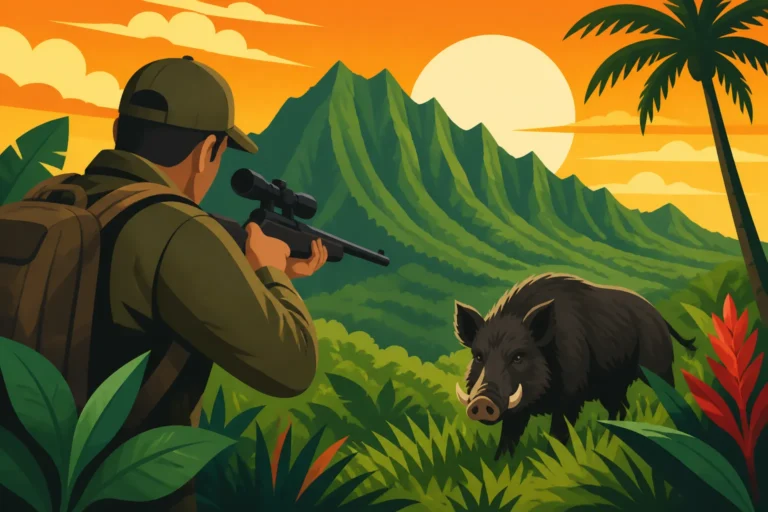
Beyond Axis deer, feral pigs represent another significant hunting opportunity on Maui. These wild pigs, descendants of domestic stock introduced centuries ago, are abundant and provide an exhilarating hunt, often favored by those looking for a more physical, action-packed experience. Maui's pigs can be found in a wide range of habitats, from the dense, wet forests of the windward side to the drier, brushier areas of the leeward slopes, presenting different hunting challenges. Hawaii's Feral Pigs, Island by Island gives a great overview.
Maui outfitters offer pig hunts that can vary greatly in style. Some specialize in traditional dog-and-knife hunting, a highly physical and adrenaline-fueled method where trained dogs track, bay, and hold a pig for the hunter to dispatch with a knife or spear. Other outfitters might offer spot-and-stalk rifle or bow hunts for pigs, especially in areas where they feed in more open settings. These hunts often take place in thick, unforgiving terrain, requiring a guide who knows the land intimately and can safely navigate you to where the pigs are rooting and feeding. The chance to harvest a substantial boar with impressive tusks is a significant draw.
Opportunities for Feral Goats and Game Birds
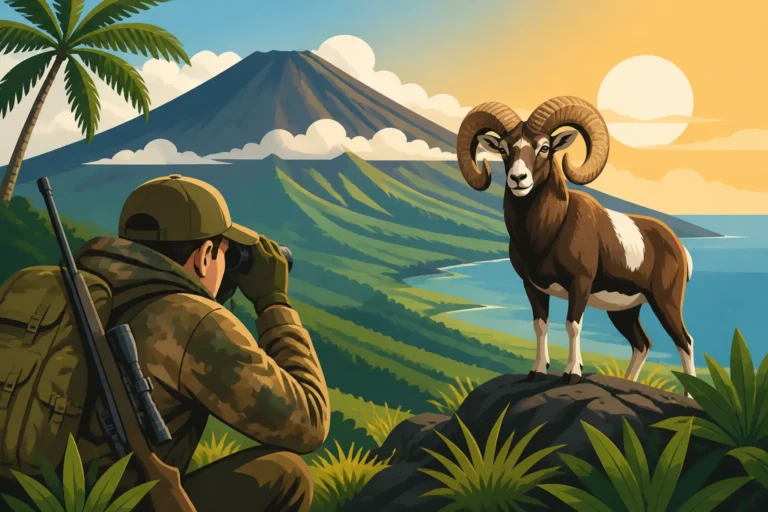
While less commonly sought after than Axis deer or pigs, feral goats also offer a challenging and rewarding hunt on Maui. These agile animals inhabit some of the most rugged and remote parts of the island, particularly the steep, rocky slopes and coastal cliffs. Hunting goats often involves significant physical exertion, ascending and descending challenging terrain, but the reward is a unique trophy and breathtaking views. Outfitters can guide you to areas where goats are present, helping you stalk these wary creatures in their difficult-to-reach strongholds.
Additionally, some Maui outfitters might offer guided game bird hunts, though these are less prevalent than mammal hunts. Depending on the season and available private land access, opportunities for species like francolin, pheasant, or doves may arise. These bird hunts typically involve walking large tracts of land with a shotgun, often in conjunction with a trained bird dog. It's a different pace than big game hunting but can offer a fantastic complementary experience, especially for those looking to maximize their time afield or introduce younger hunters to the sport.
Types of Guided Hunt Experiences on Maui
Just as the terrain and species vary, so do the types of guided hunt experiences offered by Maui outfitters. Understanding these options is key to choosing the adventure that best fits your budget, skill level, and expectations.
Full-Service vs. Semi-Guided Packages
When considering a guided hunt on Maui, you'll generally encounter two main categories: full-service and semi-guided. A full-service hunt is often an all-inclusive experience. This typically means the outfitter handles everything from field guiding, transportation within the hunting area, and often meals and lodging. Some even include airport transfers or assistance with obtaining licenses and tags. The goal of a full-service package is to provide a seamless experience where the hunter only needs to show up with their personal gear and be ready to hunt. These hunts are ideal for first-time visitors to Hawaii or those who prefer a completely hands-off approach to logistics, allowing them to focus entirely on the hunt itself. They are also usually pricier, reflecting the comprehensive nature of the services.
Semi-guided hunts, on the other hand, offer a balance between support and independence. In this scenario, the outfitter might provide access to private land, basic orientation, and perhaps some initial scouting information or pointers on where to hunt. However, the hunter is largely responsible for their own field navigation, tracking, game retrieval, and often their own lodging and meals. This option is generally more affordable and appeals to experienced hunters who want the advantage of private land access and local insights without the full guiding service. It requires more self-reliance and preparedness but can be a great way to explore Maui's hunting opportunities with a solid foundation.
Private Land Lease and Trespass Fee Hunts
Many of the most productive hunting grounds on Maui are privately owned, primarily by large ranches. Outfitters often secure exclusive or semi-exclusive rights to hunt these properties. When you book a hunt through such an outfitter, part of your fee covers the "trespass fee" or access fee that the outfitter pays to the landowner. This is essentially the cost of being allowed to hunt on prime private land that would otherwise be inaccessible. These fees vary widely depending on the size of the property, the quality of the game, and the exclusivity of the access.
These private land hunts often provide a higher success rate and better opportunities for trophy animals due to lower hunting pressure and active game management by the landowners in conjunction with the outfitter. It's a straightforward way to bypass the complexities of public land draws or crowded public units. Some outfitters might focus almost entirely on these private land arrangements, providing a very specific type of hunting experience. Understanding that a significant portion of the Hawaii Private Ranch Hunting Access you gain comes from these lease agreements is important when comparing costs and services.
Specialty Hunts: Bowhunting, Muzzleloader, or Dog Hunts
Maui outfitters often cater to specific hunting disciplines, offering specialty hunts. For bowhunters, an outfitter can be invaluable, knowing the close-quarters ambush points, animal travel routes, and effective calling techniques necessary for success. They understand the intricacies of getting within bow range of wary Axis deer or fast-moving pigs in dense cover. A bowhunting specific guide will often have a deeper understanding of scent control, camouflage, and silent movement – skills paramount for archery success.
Muzzleloader hunters also benefit from specialized guides, particularly in understanding the nuances of older firearms in Hawaii's sometimes humid conditions. Guides can help with logistics like keeping powder dry and ensuring proper shot placement with a muzzleloader. Muzzleloading in Hawaii's Humidity is a real concern. For dog hunters, finding an outfitter who specializes in pig hunting with a bay dog and catch dog is essential. This is a highly specialized skill set, requiring trained dogs, specific safety protocols, and a deep understanding of pig behavior when pressured. These hunts are intense and require a guide with significant experience and reliable dogs, and they offer a truly unique cultural experience on the islands.
What to Expect During Your Maui Guided Hunt
Going on a guided hunt, especially in a new and exotic location like Maui, means stepping into an unfamiliar routine. Knowing what to expect regarding daily logistics, gear, and game handling can help you prepare mentally and physically for the adventure.
Typical Daily Schedule and Logistics
A typical day on a guided Maui hunt often starts well before dawn. Your outfitter will likely pick you up from your accommodation or a pre-arranged meeting point while it's still dark, allowing you to be in position before first light. The early morning hours are prime time for hunting Axis deer, as they are most active feeding and moving before the heat of the day sets in. You might drive to a specific area on private ranch land or a public unit, then proceed on foot, often with a significant walk or hike into prime hunting ground.
Morning hunts can involve spot-and-stalk tactics in open country, glassing ridgelines, or still-hunting through kiawe thickets or forest edges. Depending on the outfitter and the game, you might break for a packed lunch in the field, or return to a base camp or vehicle for a more substantial meal. Afternoons might involve glassing bedding areas, focusing on water sources during dry periods, or setting up for an evening stalk as animals become active again. The day typically concludes around last light, followed by the drive back. The exact schedule is always flexible, dictated by animal movement, weather, and the specific hunt plan your guide develops with you.
Gear, Weapons, and Physical Demands
Maui hunting terrain is diverse and can be physically demanding. Expect to walk long distances, often on uneven ground, through dense brush, or up and down steep slopes. Good physical conditioning is paramount. Your outfitter will advise on appropriate gear, but sturdy, broken-in hiking boots are essential. Lightweight, breathable clothing in natural colors is also key, as Hawaii's climate can be warm and humid. Don't forget rain gear, even on the dry side, as weather can change quickly. What to Pack for a Hawaii Hunt is an important read.
Regarding weapons, most Maui outfitters can accommodate rifle, bow, or muzzleloader hunters. If you're traveling from the mainland, flying with your own firearm involves specific regulations and procedures, both federally and within Hawaii. Many outfitters offer the convenience of renting a rifle and ammunition. This can simplify travel logistics immensely. Ensure you discuss your preferred weapon and whether you need to rent well in advance. Renting a Rifle From a Hawaii Guide is a common practice for visitors. Always confirm legal calibers and equipment requirements with your guide and the state regulations.
Field Care, Meat Processing, and Trophy Handling
Once an animal is down, proper field care in Hawaii's heat and humidity is critical to preserving the meat. Your outfitter will guide you through the field dressing process, ensuring the animal is quickly eviscerated and cooled. They often have experience with quartering animals in the field, especially larger Axis deer or pigs, to facilitate packing out. This is where having local expertise shines, as they know how to handle game effectively in tropical conditions to prevent spoilage. Field Dressing Axis Deer in Hawaii Heat is a skill your guide will be proficient in.
After the hunt, meat processing and trophy handling are the next steps. Some outfitters have arrangements with local processors, while others might provide facilities for you to butcher your own animal. If you plan to take meat home, be aware of agricultural inspection requirements and airline regulations for transporting frozen game. For trophies, your outfitter can advise on local taxidermists or prepare capes and skulls for shipment to your preferred taxidermist on the mainland. Discuss these options and associated costs, including shipping, before your hunt, so you have a clear plan for your harvest.
Financial Considerations and Booking Your Maui Hunt
Understanding the financial aspects of a guided hunt on Maui is crucial for planning and budgeting. Beyond the base price, there are other costs and considerations that factor into the total expense.
Understanding the Cost Structure of Guided Hunts
The cost of a guided hunt on Maui varies significantly based on the species, the duration of the hunt, the type of service (full-service vs. semi-guided), and whether it's on public or private land. Axis deer hunts, especially on private ranches, tend to be the most expensive due to demand and the quality of the trophy potential. Pig hunts, particularly dog-and-knife hunts, also command a premium due to the specialized skills and equipment involved. What a Hawaii Guided Axis Deer Hunt Costs can provide a baseline for your research.
Typically, the hunt fee will cover the guide's services, field transportation, and access fees for private land. What's often not included are airfare to Maui, accommodations outside of specific full-service packages, meals (unless specified), your Hawaii hunting license, any required permit-tags, meat processing, taxidermy, or shipping costs for meat and trophies. It's essential to get a detailed breakdown from your outfitter of exactly what is and isn't covered in their package price. Reputable booking platforms like BookYourHunt often provide clear listings of inclusions and exclusions, helping you compare options effectively.
Deposit Policies, Cancellation Terms, and Tipping Etiquette
When booking, outfitters will almost always require a non-refundable deposit to secure your hunt dates. This deposit typically ranges from 25% to 50% of the total hunt cost. The balance is usually due either a certain number of days before the hunt or upon arrival. Be sure to thoroughly understand the cancellation policy. Given the unpredictability of travel and life, knowing what happens if you need to reschedule or cancel is important. Some outfitters might offer partial refunds or credits towards a future hunt, while others might adhere strictly to a non-refundable policy.
Tipping your guide is standard practice and greatly appreciated. The industry standard for guiding services is generally 15-20% of the hunt's cost, assuming you received excellent service. This tip reflects their hard work, local knowledge, and dedication to making your hunt successful and enjoyable. Plan this into your budget. Tipping a Hawaii Guide is a common consideration for visitors. While not mandatory, it's a significant part of the guide's income and a way to show your gratitude for their efforts.
Best Times to Book and Seasonality Factors
Maui's hunting seasons for Axis deer and feral pigs are often year-round on private land, offering flexibility. However, public land units have specific seasons, and some are weekend-only. Even on private land, certain times of the year might offer better hunting conditions or higher trophy potential. For instance, the timing of the Axis deer rut can vary but often sees peaks during specific months, influenced by rainfall and forage availability. Many hunters aim for these periods for the best chance at a mature buck. Best Months to Book a Hawaii Axis Hunt will give you seasonal insights.
It's highly advisable to book your Maui hunt well in advance, especially if you're targeting prime dates or a specific outfitter. Popular guides and ranches can book up a year or more in advance. If you're combining your hunt with a family vacation, factor in school holidays and peak tourist seasons when accommodations and flights might be more expensive. Early booking not only secures your spot but often allows for better planning and preparation. Utilizing resources like GoHunt or other booking agencies can help you find available dates and compare various outfitter schedules.
Choosing the Right Maui Outfitter for Your Adventure
Selecting the right outfitter is arguably the most critical decision you'll make for your Maui hunting trip. A good outfitter can make the difference between a memorable, successful hunt and a frustrating, disappointing experience.
Key Questions to Ask Before Committing
Before you put down a deposit, engage in a thorough conversation with any potential outfitter. Ask about their experience, specifically on Maui, and how long they've been guiding there. Inquire about their typical success rates for the species you're targeting, but also understand that "success" can mean different things (opportunity vs. harvest). Ask about the type of terrain you'll be hunting and the average shot distances. Clarify what's included and excluded in the hunt package – specifically about tags, licenses, processing, and trophy preparation. Hawaii Hunting Licenses and What They Cost and permit-tag requirements should also be discussed.
It's also wise to ask about their guiding philosophy. Do they prioritize trophy quality, or are they more focused on simply getting an animal for the freezer? How do they handle unforeseen circumstances like bad weather or mechanical issues? What is their policy on second opportunities if a shot is missed? Understanding their approach will ensure it aligns with your own hunting style and expectations. Don't be shy about asking direct questions; a professional outfitter will welcome them.
Checking References and Reputation
A reputable outfitter will be happy to provide references from past clients. Take the time to call these references and ask specific questions about their experience. Inquire about the guide's professionalism, knowledge of the area and game, safety protocols, and overall communication. Ask if the hunt lived up to their expectations and if they would book with that outfitter again. Online reviews and forums can also offer insights, but always take them with a grain of salt and prioritize direct references.
Look for consistency in feedback. Were clients generally satisfied with the experience, even if they didn't harvest a trophy? Was the outfitter transparent about costs and expectations? A strong, positive reputation built over time is a good indicator of a reliable and ethical operation. Platforms like BookYourHunt often feature client reviews, which can be a valuable starting point in your research process.
Ensuring Ethical Practices and Compliance
Ethical hunting and full compliance with Hawaii's hunting regulations are non-negotiable. Discuss with your outfitter their understanding and adherence to local laws, including tagging requirements, legal shooting hours, and weapon restrictions. Ensure they prioritize fair chase principles and sustainable hunting practices. A responsible outfitter will be well-versed in Hawaii Hunter Education Requirements and encourage all their clients to be as well.
It's also crucial to understand their stance on conservation. Many outfitters on Maui work in harmony with the Hawaii Department of Land and Natural Resources (DLNR) to manage game populations and control invasive species, contributing positively to the island's ecosystem. Their commitment to ethical hunting and responsible land stewardship is a reflection of their overall professionalism and dedication to the sport. Choosing an outfitter who shares these values ensures your hunt is not only successful but also conducted with respect for the animals, the land, and the local community.
| Outfitter Type | Primary Service | Ideal For | Pros | Cons |
|---|---|---|---|---|
| Full-Service | Guide, transport, often meals/lodging, private land access | First-time Hawaii hunters, convenience-seekers, trophy focus | Max convenience, high success potential, expert handling of logistics | Highest cost, less self-reliance |
| Semi-Guided | Private land access, area orientation, advice | Experienced hunters, budget-conscious, prefer some independence | More affordable, good balance of support & freedom, private land access | Requires more self-sufficiency, less hands-on guiding |
| Specialty Hunts | Bowhunting, Muzzleloader, Dog Hunts | Specific discipline enthusiasts, unique experiences | Tailored expertise, higher chance for specific trophies/experiences | Can be more niche/limited availability, potentially higher cost |
| Private Land Access Only | Exclusive land access, often without active guiding | Very experienced hunters, local hunters, "do-it-yourself" with advantage | Access to prime, low-pressure land, flexibility in hunt style | No guiding support, requires full hunter responsibility |
Disclaimer
This article is for general informational purposes only and does not constitute professional advice. Laws, prices and regulations vary by location and change over time. Consult a qualified professional for guidance on your specific situation.