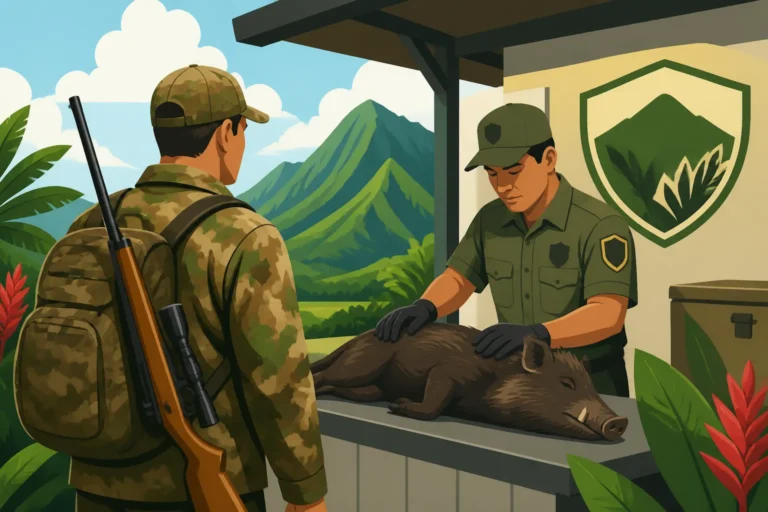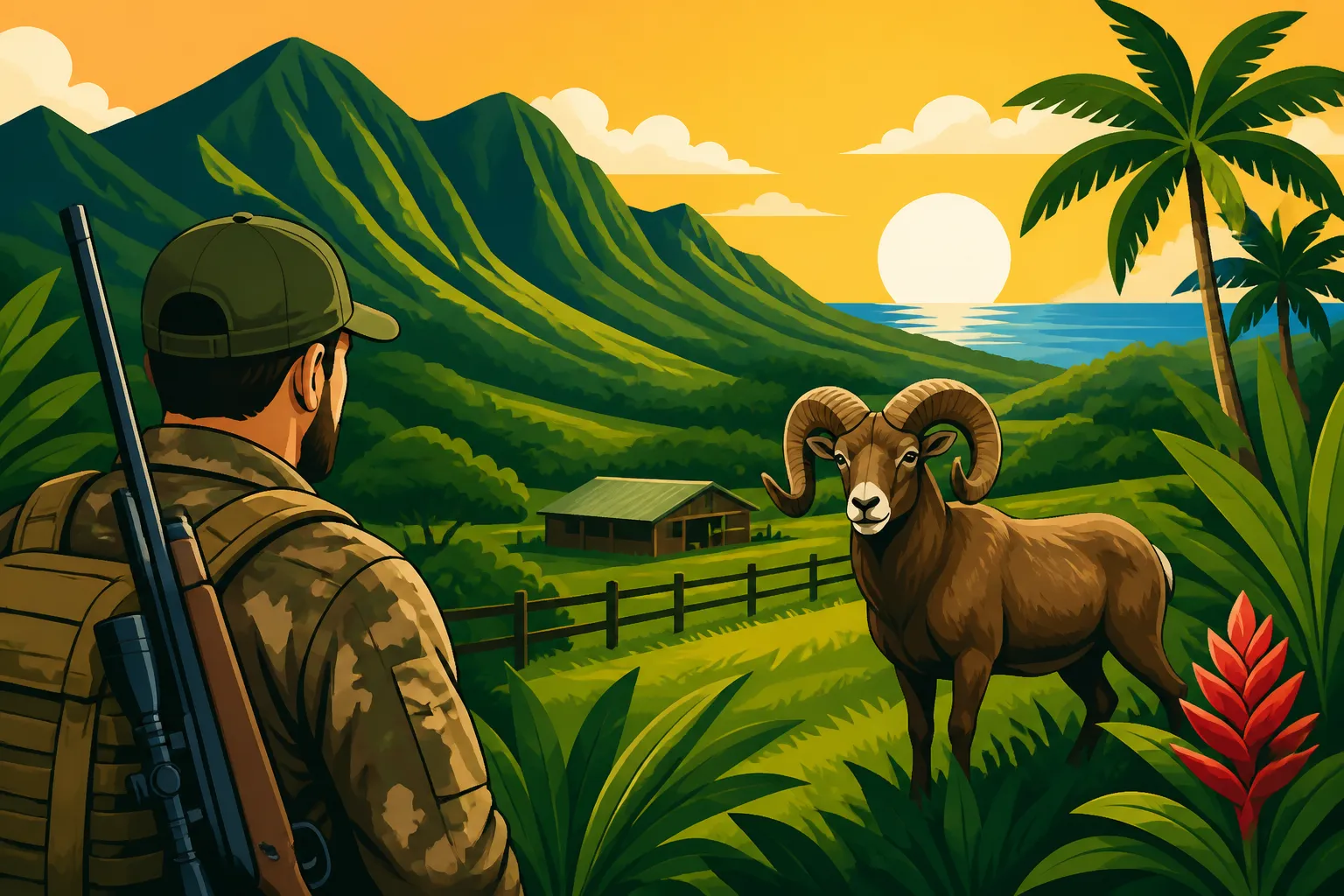
Hawaii Private Ranch Hunting Access
For many hunters arriving in Hawaii, the sheer beauty of the islands is only matched by the often-complex realities of public land access. With limited tags, specific draw windows, and frequently challenging terrain, it can sometimes feel like an uphill battle to find consistent opportunities. This guide is here to shed light on another fantastic avenue for pursuing game in the islands: private ranch hunting, offering insights into how it works, what to expect, and how to make those connections.
The Lure of Private Ranch Hunting in Hawaii
Stepping onto private ranch land in Hawaii opens up a different world compared to the public units. While public hunting is a cherished tradition and offers incredible experiences, private ground often presents unique advantages that can make a huge difference to your overall hunting trip. It’s not just about avoiding crowds, though that's certainly a perk, but about accessing potentially healthier game populations and experiencing different types of terrain.
Why Private Ranches Offer a Different Experience
Imagine hunting without the pressure of other hunters moving through the same gulch, or finding a water source that hasn't been disturbed by human activity for days. This is often the reality on private ranches. These lands, often vast and encompassing diverse ecosystems from dry kiawe forests to lush uplands, are managed with specific goals in mind, which can include wildlife propagation and habitat improvement. The animals on these ranches might behave differently too, often less wary than their publicly hunted counterparts, having fewer encounters with humans.
Furthermore, private landowners often have a deeper, more intimate knowledge of their property and the game it holds. This local insight can be invaluable, sometimes even passed down through generations. They understand the nuances of weather patterns, preferred bedding areas, and seasonal movements of game animals like axis deer or feral pigs, which is something you just don't get from a public land map.
Addressing the Challenges of Public Land Access
Let's be real, public land hunting in Hawaii, while rewarding, comes with its own set of frustrations. You're often limited to specific weekends, dealing with crowded check-in stations, and contending with intense hunting pressure that can make animals extremely skittish. Drawn hunts for coveted species or units can feel like winning the lottery, and even if you draw a tag, the access might be challenging, requiring extensive hiking through rough terrain just to get to huntable ground.
Private ranch access often bypasses many of these issues. While there's a cost involved, it can translate to more flexible hunting dates, fewer (or no) other hunters in your unit, and often easier access to prime hunting areas, sometimes via ranch roads that are otherwise restricted. This isn't to say private land is always easy, but it certainly removes some of the common logistical hurdles and competitive pressure that public hunters face.
The Species and Opportunities on Private Ground
Hawaii's private ranches are fantastic places to pursue the islands' premier game animals. Axis Deer, Hawaii's Signature Big Game are a huge draw, and many ranches on Maui and Molokai, in particular, manage herds for quality. You might find larger bucks on private land due to less pressure and better nutrition. Similarly, Hawaii's Feral Pigs, Island by Island thrive on private agricultural lands or in dense forest reserves within private boundaries, often growing to impressive sizes. You could be hunting pigs in a taro patch one day or in a remote gulch the next, depending on the ranch.
Beyond the big game, some private lands offer excellent opportunities for Hawaii Game Bird Hunting, like pheasants, francolin, and doves, often in managed fields or specific habitats. The variety of terrain and game species available on private ranches means you can often tailor your hunt to specific preferences, whether you're looking for a trophy animal or simply a more relaxed hunting experience.
Understanding Private Land Access Methods
So, you're convinced that private land is worth exploring. But how do you actually get permission to hunt these coveted areas? It's not always as simple as knocking on a door (though sometimes it is!). There are several avenues to explore, each with its own benefits and considerations. Understanding these methods is key to successfully gaining access.
Direct Contact and Landowner Relationships
This is the classic, old-school approach, and in Hawaii, it can still work, especially on smaller, family-owned ranches. It involves respectfully approaching landowners, explaining your intentions, and building a relationship based on trust and mutual respect. This isn't about showing up unannounced on their doorstep with a rifle; it's about making a polite phone call, sending a thoughtful letter, or making connections through local community members. Often, it's about being known as a responsible, ethical hunter who respects their property, their animals, and their 'aina.
The benefits of direct contact are immense: you gain direct access, often at a lower cost than a guided hunt, and you get to truly understand the land from the landowner's perspective. It requires patience, persistence, and a genuine commitment to building rapport. Don't be discouraged by initial rejections; there are many landowners who appreciate hunters who take the time to ask properly and respect their land. You might even find opportunities to offer help with ranch maintenance or other tasks in exchange for hunting privileges, fostering a true partnership.
Guided Hunts Through Outfitters
For many nonresident hunters, or those residents who prefer a turnkey experience, booking a guided hunt through an outfitter is the most straightforward path to private land access. Numerous reputable Hunting Guides and Outfitters in Hawaii operate on leased private ranch land, providing everything from transportation and meals to experienced guides who know the terrain and animal movements intimately. This can be especially appealing for hunters targeting specific trophy animals, like a large axis buck or a mature mouflon ram on ranches that carefully manage their genetics.
Outfitters often have established relationships with multiple landowners, granting them access to thousands of acres that would otherwise be inaccessible. They handle all the logistics, from licenses and permits to field dressing and initial meat care. While the cost is generally higher than self-guided public land hunts or direct landowner access, the convenience, expertise, and higher success rates often make it a worthwhile investment. When considering this option, always ask about what's included in the package, trophy fees, and any additional costs.
Lease Agreements and Hunting Clubs
For those looking for more consistent, long-term access, particularly residents, securing a lease agreement or joining a hunting club can be an excellent option. Lease agreements involve paying a landowner an annual fee for exclusive hunting rights to a specific parcel of their land for a defined period. This gives you the freedom to hunt that property much like your own, within the terms of the lease, of course. Leases can range from small parcels to vast tracts of land.
Hunting clubs in Hawaii also pool resources to lease larger areas, and members pay dues for access. These clubs often have their own internal rules and management plans, fostering a sense of community among hunters. While less common than in some mainland states, these opportunities do exist and can provide exceptional value for dedicated hunters. Both lease agreements and club memberships require a significant commitment, but they offer unparalleled flexibility and consistency, allowing you to really get to know a piece of land and its animals over time.
Navigating the Costs and Logistics
Venturing into private ranch hunting in Hawaii, while rewarding, definitely comes with a different financial and logistical landscape than tackling public lands. It's crucial to understand these aspects upfront so you can plan effectively and avoid any surprises.
The Financial Investment of Private Access
Let's be frank: private ranch hunting generally involves a higher financial investment than public land opportunities. This cost can vary wildly depending on the type of access, the ranch, the species, and whether you're going guided or negotiating direct access. A fully What a Hawaii Guided Hunt Costs for axis deer, for instance, will typically be a significant outlay, encompassing guide fees, lodging, meals, and sometimes trophy fees for specific animals. These prices reflect the exclusive access, expertise, and all-inclusive nature of the experience.
Even with direct landowner access, there might be fees involved, often referred to as "trespass fees" or "access fees." These are paid directly to the landowner for the privilege of hunting on their property, without the services of a guide. These fees help landowners manage their property, mitigate wildlife damage, and maintain roads and fences. For leases, you're looking at an annual payment, which can range from modest to substantial depending on the acreage and game populations. It's essential to get clear, itemized pricing and understand what's included before committing to any private hunting opportunity.
Planning Your Trip: Permits, Licenses, and Travel
Regardless of whether you hunt public or private land, certain baseline requirements remain. You'll still need a valid Hawaii Hunting Licenses and What They Cost, which you can often purchase online through resources like the State of Hawaii’s Go Hunt Hawaii portal. Non-residents will also need to understand the nuances of the Hawaii Hunter Education Requirements or apply for a letter of exemption if they've completed an equivalent course elsewhere. Always make sure your license is current and in your possession when hunting.
Beyond the general license, specific permit-tags may be required for certain species on particular islands, even on private land. While the private landowner or outfitter might assist, it's ultimately your responsibility to ensure you have all the necessary permits. Travel logistics also come into play: if you're flying into Hawaii, especially with your own firearm, there are strict rules to follow. Researching inter-island travel with firearms is also crucial if your hunt spans multiple islands. Many guides offer rifle rentals, which can simplify travel for nonresidents.
Essential Gear for a Private Ranch Hunt
While some outfitters might provide certain gear, you'll still need your own personal hunting essentials. The terrain and climate on Hawaii's private ranches are just as varied and demanding as public lands. Expect everything from rugged, volcanic rock to dense, wet rainforests. Sturdy, broken-in hiking boots are non-negotiable, offering ankle support and good traction. Look for boots that can handle both dry, dusty conditions and muddy, slick trails, as you'll likely encounter both.
Layering your clothing is key, as temperatures can change dramatically from early morning to midday, or from sea level to higher elevations. Moisture-wicking base layers, durable pants, and a good waterproof/windproof outer shell are smart choices. Don't forget a reliable backpack for carrying water, snacks, first-aid, and any game meat you might take. Binoculars or a spotting scope are indispensable for glassing open country, especially for axis deer. And of course, your chosen weapon and ammunition, appropriate for the game you're pursuing. Always confirm with the ranch or outfitter if there are specific caliber or weapon restrictions.
| Feature | Public Hunting (General) | Private Ranch Hunting (General) |
|---|---|---|
| Access Cost | License fees, permit-tag costs | License/permit fees + access/guide/lease fees |
| Crowd Levels | Can be high, especially weekends | Low to none, exclusive access |
| Season Length | Often restricted, specific dates | More flexible, extended seasons possible |
| Game Quality | Varies, high pressure areas | Often managed for quality, less pressure |
| Logistics | Self-reliant, complex check-ins | Guided options simplify, direct landowner contact |
| Required Gear | All personal gear | All personal gear, guide may supply some |
| Success Rate | Varies greatly, often lower | Generally higher due to management |
| Advance Booking | Draws and specific season dates | Highly recommended, especially for guides |
Finding and Vetting Private Land Opportunities
So you've decided private land hunting is for you. Now comes the exciting part: finding those opportunities and making sure they're legitimate and align with your expectations. It's not always advertised on billboards, and a bit of detective work and due diligence can go a long way.
Researching Ranches and Outfitters
Start your search by identifying which islands and specific regions are known for the game you want to hunt. For example, if you're dreaming of axis deer, you'll likely focus on Maui or Molokai. Then, begin looking for established Hawaii Private Ranch Hunts or reputable outfitters in those areas. The internet is a great starting point, but also leverage word-of-mouth. Ask fellow hunters, engage in online forums focused on Hawaii hunting, or even inquire at local sporting goods stores.
Many ranches have websites or social media pages showcasing their hunting opportunities. Pay attention to reviews and testimonials, but also understand that not every experience is the same. Look for outfitters and ranches that clearly communicate their offerings, pricing, and expectations. Check for their licensing or registration, if applicable, to ensure they're operating legally. A good outfitter will be transparent and eager to answer all your questions, not just sell you a hunt.
What to Ask Before Committing
Once you've identified potential ranches or outfitters, it's time to dig deeper. Don't be shy about asking detailed questions. For guided hunts, inquire about the guide's experience, the typical hunter-to-guide ratio, and what a typical hunting day looks like. Ask about success rates, but also understand what those rates truly mean (e.g., opportunity vs. harvest). Find out about Hawaii Meat Processing and Coolers options and if they assist with caping and initial trophy prep. If you're considering a private lease, understand the exact boundaries, any restrictions on guest hunters, and details about access roads and game cameras.
For any private land access, clarify the total cost, including any hidden fees or trophy charges. Ask about deposit and cancellation policies, especially if you're Booking a Hawaii Hunt Months Ahead. A professional outfitter will provide a contract outlining all terms and conditions. If you're working directly with a landowner, get agreements in writing to avoid misunderstandings down the line. It's also smart to ask for references from past clients or other hunters who have used their services.
Leveraging Tools for Land Ownership and Boundaries
Knowing who owns what can be incredibly helpful when researching private land opportunities. While you should never trespass, tools like onX Hunt can be invaluable for identifying land ownership boundaries and parcels. This app, popular with mainland hunters, can display public and private land boundaries right on your phone, often with landowner names. While not always completely up-to-date for every parcel in Hawaii, it can give you a strong starting point for identifying private holdings adjacent to public land, or for researching specific ranches.
Using a tool like onX Hunt in conjunction with detailed topographical maps can help you visualize the terrain and potential game movement corridors on a private ranch. This can empower you to ask more informed questions about a property's features and understand the type of hunting experience being offered. Always remember that these apps are aids, not definitive legal documents, and nothing beats direct communication with the landowner or outfitter about exact boundaries and access points.
Respecting the Land and the Local Culture
Hunting on private land in Hawaii isn't just about the hunt itself; it's about being a respectful guest on someone's property and within the local community. The concept of malama 'aina – caring for the land – is deeply ingrained in Hawaiian culture, and demonstrating that respect will go a long way in building positive relationships and ensuring future opportunities.
Adhering to Ranch Rules and Regulations
Every private ranch will have its own specific set of rules, in addition to state hunting regulations. These might include designated parking areas, specific times for hunting, restrictions on vehicle use, or guidelines about where you can field dress an animal. It's imperative that you understand and strictly adhere to these rules. They are in place for a reason, whether for safety, land management, or to minimize disturbance to livestock or other operations on the ranch.
Disregarding ranch rules is not only disrespectful but can also jeopardize your hunting privileges and potentially those of other hunters in the future. If you're unsure about a rule, always ask for clarification. Remember, you are a guest, and the privilege of hunting on private land comes with the responsibility of being a conscientious and respectful user of the property. This builds trust and shows you value the opportunity you've been given.
Practicing Ethical Hunting and Conservation
Beyond simply following the rules, truly embracing ethical hunting practices is paramount on private land. This means making clean, humane shots, Field Dressing Axis Deer in Hawaii Heat properly and efficiently, and retrieving all game. It also means leaving no trace behind – packing out all your trash, shell casings, and anything else you brought in. Leave the land better than you found it.
Many private ranches actively engage in conservation efforts, managing their lands to support healthy wildlife populations and native ecosystems. By being a responsible hunter, you become a part of that conservation story. This includes being mindful of species limits, not over-harvesting, and reporting any unusual wildlife observations to the landowner. Your actions reflect not just on you, but on the entire hunting community, and demonstrating a commitment to ethical hunting helps secure the future of hunting opportunities on private lands.
Building Relationships for Future Access
The best private land hunting experiences often stem from strong, respectful relationships. Whether it's with a guide, a ranch manager, or the landowner directly, fostering positive connections can lead to repeat opportunities and even access to new areas. This means being communicative, honest, and appreciative. If you said you'd call them after the hunt, call them. If you promised to send photos, send them. A small token of thanks, like a local treat or a handwritten note, can also go a long way.
Remember that Hawaii is a small community, and word travels fast. A reputation as a reliable, respectful hunter can open doors, while a careless or disrespectful attitude can quickly close them, not just for you, but potentially for others. Treat the landowner's property as if it were your own, and show genuine respect for the people, the land, and the culture. This reciprocal relationship is the cornerstone of sustainable private land hunting access in the islands.
Common Misconceptions and Realities of Private Hunting
Private ranch hunting often conjures up images of wide-open spaces, abundant game, and effortless success. While it certainly offers unique advantages, it's crucial to approach it with a realistic understanding. Dispelling some common myths can help you set appropriate expectations and ensure a more satisfying experience.
Is Private Land a "Guaranteed Kill"?
One of the biggest misconceptions about private ranch hunting is that it's a "guaranteed kill" scenario. While private lands often boast healthier game populations and less hunting pressure, leading to higher success rates than many public units, it's still hunting. Animals are wild, they move, they can be elusive, and sometimes, despite the best efforts, they just don't cooperate. Weather can turn, shots can be missed, or the animals simply aren't where you expect them to be.
A good outfitter will never "guarantee" a kill, but rather an "opportunity." They work hard to put you in a position to be successful, but ultimately, the shot and the outcome are up to the hunter. It’s important to manage your expectations and appreciate the challenge of the hunt itself, even on private land. The experience, the tracking, the connection with nature – these are all part of the value, regardless of whether you punch your tag.
Balancing Costs with Expectations
As we've discussed, private ranch hunting comes with a price tag. It's a significant investment for many, and with that investment can come high expectations. While it's natural to want value for your money, it's important to balance those expectations with the realities of hunting. Don't assume that because you've paid a certain amount, a trophy animal will walk out on cue.
Consider what you're truly paying for: exclusive access, a knowledgeable guide, potentially better animal populations, and the peace of mind that comes from a well-planned trip. These elements contribute to a higher probability of success and a more enjoyable experience, but they don't eliminate the inherent unpredictability of hunting. Be clear with your outfitter or landowner about what your goals are, but also be realistic about what nature provides.
The Importance of Flexibility
Hawaii's environment is dynamic. Weather can change in an instant, especially in its varied microclimates. What starts as a sunny morning can quickly turn into a torrential downpour, especially on the windward sides of the islands. Game animals also shift their patterns based on food, water, and pressure. Therefore, flexibility is a key trait for a successful private land hunter.
An outfitter or ranch manager might suggest changing your hunting plan due to weather, animal movement, or other factors. Embrace these changes as opportunities. They have the local knowledge and are making recommendations based on current conditions to maximize your chances. Being adaptable, open to new strategies, and having a good attitude, even when things don't go exactly as planned, will make your private ranch hunting experience in Hawaii much more rewarding.
Disclaimer
This article is for general informational purposes only and does not constitute professional advice. Laws, prices and regulations vary by location and change over time. Consult a qualified professional for guidance on your specific situation.