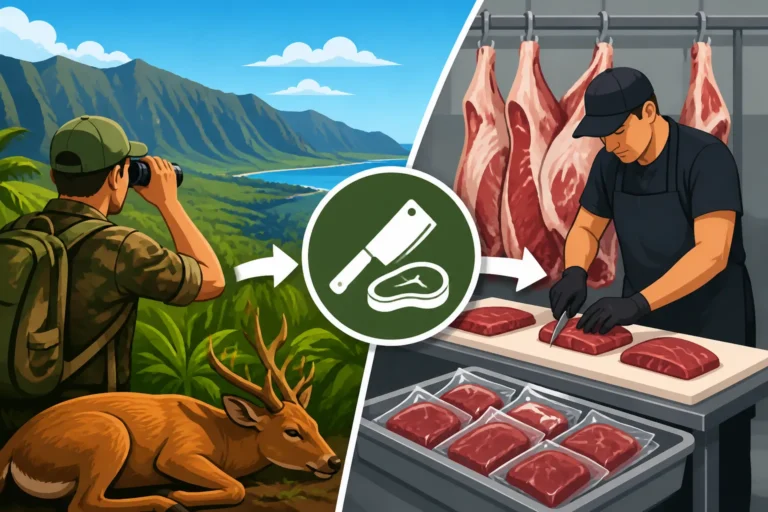
Booking a Hawaii Hunt Months Ahead
Oh, the dream of hunting in Hawaii! It’s something many of us picture: stalking a trophy axis deer through kiawe flats, or tracking a big boar through a steamy rainforest. But the reality can hit hard when you realize how much planning goes into securing one of these coveted hunts, especially if you wait until the last minute. This guide is all about getting ahead of the curve, showing you why and how booking your Hawaii hunting adventure many months in advance is the smartest move you can make to ensure a successful and stress-free trip.
Why Early Booking is Absolutely Essential for Hawaii Hunts
It’s easy to think of Hawaii as a place where you can just show up and things will fall into place, but when it comes to hunting, that couldn’t be further from the truth. The islands operate on their own unique system, with limited resources and immense popularity, making procrastination a hunter’s worst enemy.
Securing Prime Dates and Units
One of the biggest hurdles for any Hawaii hunter, especially non-residents or those with specific dates in mind, is the intense competition for prime hunting dates and access to popular units. Imagine planning a trip around a major holiday or a specific week when your work schedule finally allows, only to find everything is fully booked.
The limited nature of Hawaii’s public hunting units means that dates fill up incredibly fast. Many of the most desirable units, particularly those on Maui or Lanai for axis deer, or even certain pig hunting areas on the Big Island, often have limited seasons or require entry into a lottery system. If you’re eyeing a specific season, like the rifle hunts on Lanai or the archery windows on Maui, you must be thinking months, if not a year, ahead. For example, When Lanai's Axis Deer Rifle Season Runs is a key date, and missing the application window means missing the hunt entirely. Weekends and holidays are always the first to go, making a flexible schedule a huge advantage if you book early enough to plan for it.
Furthermore, many of Hawaii's premier big game opportunities, like certain mouflon sheep hunts on the Big Island, are managed through lottery draws. These draws have strict application deadlines that occur well in advance of the actual season. If you don't submit your application months ahead of time, you simply won't have a chance to secure a tag. Waiting until a few weeks before your desired hunt date could mean missing the application period entirely, forcing you to wait another year. This early planning isn't just about convenience; it's about being eligible to hunt in the first place.
Navigating Limited Outfitter Availability
Unlike some mainland states where guides are plentiful, Hawaii’s outfitting scene is more specialized and, frankly, smaller. The number of truly experienced, reputable guides who know the intricate terrain, game movements, and local regulations is limited. These guides are often small, family-run operations or independent professionals who genuinely love the islands and their craft.
Because of this, the best guides book up incredibly fast. If you're hoping for a guided hunt for axis deer on Molokai, for instance, known for its bigger-bodied bucks, you'll find that guides often have bookings stretching out a year or more. The same goes for highly sought-after pig hunting operations on Oahu or Kauai that specialize in dog and knife hunts. These guides can only take on so many clients, and their calendars fill up with repeat customers or those who plan far in advance. Trying to book a quality guide a month or two out is almost always a recipe for disappointment, leaving you with fewer options or, worse, no hunt at all.
Beyond just the main hunting, many outfitters also help with the complex logistics of hunting in Hawaii, from navigating local regulations to providing gear rentals or even handling initial field care of your animal. Their experience is invaluable, and securing their services early means you can tap into that expertise as you plan your entire trip. A good guide isn't just someone to lead you to an animal; they're a partner in making your Hawaii hunting dreams a reality, and their calendars reflect that demand. You can begin your search on platforms like BookYourHunt to see which outfitters have availability.
The Logistical Maze of Island Travel
Traveling to Hawaii for a hunting trip involves a unique set of logistical challenges that far exceed a typical mainland hunt. You’re not just packing your rifle and driving a few hours; you’re flying over an ocean, potentially multiple times between islands, with all your gear.
Booking flights, especially inter-island flights, months ahead can save you a significant amount of money and ensure you get the times and connections you need. Imagine arriving on Maui only to find that the small plane to Lanai, where your axis deer hunt is scheduled, is fully booked for days. This happens. Furthermore, bringing firearms into Hawaii requires careful adherence to specific airline and local regulations, which can involve registering your firearm upon arrival. Traveling to Hawaii for a Hunt covers many of these details. The earlier you tackle these bookings, the less stress you'll face and the more likely you are to secure preferred seating, luggage allowances, and avoid last-minute price gouging.
Beyond flights, securing lodging can also be a challenge, especially if your hunt is near a popular tourist area or a remote unit with limited options. Many hunters opt for vacation rentals or small local accommodations, which also book up quickly. And then there's the gear: specialized boots for lava fields or wet rainforests, rain gear that can withstand sudden downpours, and proper cooling equipment for your meat in Hawaii’s humidity. Giving yourself ample time to research, purchase, and prepare all these items is crucial. Trying to scramble for essential gear or lodging a few weeks out can add unnecessary expense and anxiety to what should be an exciting adventure.
The Ideal Timeline for Planning Your Hawaii Hunting Adventure
Planning a Hawaii hunt isn't a single event; it's a process. Breaking it down into manageable phases, starting well in advance, will make the experience far more enjoyable and increase your chances of success.
9-12 Months Out: Research and Initial Contact
This is your dream-building phase, but also your foundational research period. This far out, you want to cast a wide net and gather as much information as possible to shape your ideal hunt.
Start by deciding what you want to hunt. Are you dreaming of Axis Deer Hunting in Hawaii, challenging yourself with Mouflon Sheep Hunting on Hawaii Island, or tackling Hunting Hawaii's Feral Pigs? Each species often means different islands, different seasons, and different types of terrain. Once you have a species in mind, research the islands and specific units where those animals thrive. Look into the general seasons for those species, like Hawaii Game Mammal Seasons, to get a sense of when you'll want to be there. This is also the time to begin looking at potential guides. Websites like BookYourHunt can be a great starting point for exploring various outfitters and what they offer across different islands. Contact a few guides to discuss potential dates, what their packages include, and their typical booking lead times. This initial contact will give you a realistic idea of when you need to commit.
Don't forget to begin looking into Hawaii's hunting license requirements. For non-residents, there's often an equivalency process for hunter education, or you may need to plan to take a course. It sounds early, but understanding the timeline for obtaining your Hawaii Hunting Licenses and What They Cost now prevents a mad dash later. This period is also perfect for discussing the trip with any hunting partners to align on dates and budgets, ensuring everyone is on the same page before commitments are made.
6-8 Months Out: Securing Licenses, Permits, and Deposits
This is where the planning becomes tangible, and you start making financial and time commitments. Missing these deadlines can derail your entire trip.
First, focus on the bureaucratic essentials. Apply for your Hawaii hunting license. Remember, for certain game animals and specific units, you'll also need a separate permit-tag. How Hawaii's Permit-Tag System Works can be surprisingly complex, with different rules for different islands and species. Many of Hawaii's most sought-after big game hunts, especially for axis deer on Lanai or certain mouflon areas, involve a lottery or drawn hunt system. These application deadlines typically fall in this 6-8 month window before the hunt date. You'll need to pay close attention to Hawaii's Drawn Hunts and Lotteries schedules and ensure your applications are submitted correctly and on time. Resources like GoHunt can be invaluable during this stage for tracking draw odds and application deadlines.
Once you have a clearer picture of your license and permit status, or at least your application submitted, it's time to put down deposits with your chosen outfitter. Good guides are in high demand, and a deposit secures your spot on their calendar. Be sure to understand their cancellation policies and what is included in the deposit. At this stage, you should have a firm understanding of your hunting dates, the species you'll be pursuing, and the general location. This solidifies your trip and allows you to move on to the next set of logistics with confidence.
3-5 Months Out: Flights, Gear, and Physical Prep
With your hunt secured, this phase is about making sure you and your gear are ready for the unique challenges of hunting in Hawaii.
Now is the ideal time to book your airfare. Prices tend to rise as the departure date approaches, so locking in your flights for both your international and any inter-island travel will save you money and ensure availability. If you plan to bring your own firearm, revisit the airline’s specific policies for transporting firearms and ammunition, as well as the Hawaii Police Department’s requirements for registering your firearm upon arrival. It’s a process, so leave ample time. Consider where you’ll store your firearm while not hunting, and confirm these details with your outfitter or lodging.
This is also when you should start acquiring any specialized gear you might need. Hawaii's terrain can be incredibly diverse, from rugged lava flows to dense, wet rainforests. Your everyday hunting boots might not cut it. You might need waterproof gear that can handle sudden tropical downpours or lightweight clothing that breathes in the humidity. What to Pack for a Hawaii Hunt provides a great starting point. More importantly, begin your physical preparation. Hawaii hunting can be strenuous, with steep climbs, long walks over uneven ground, and intense heat. If you're planning a spot-and-stalk hunt for axis deer on open ridges, you'll want to be in good cardiovascular shape. If it's a pig hunt in dense, muddy jungle, leg strength and endurance are critical.
1-2 Months Out: Final Confirmations and Packing
The excitement is building! This final window is all about tying up loose ends and mentally preparing for your adventure.
Reach out to your outfitter for a final confirmation of dates, meeting points, and any last-minute changes to unit conditions or regulations. Review your itinerary to ensure all flight details, car rentals, and lodging reservations are still accurate. If you haven't already, make arrangements for Cooling Meat Fast on a Hawaii Hunt and potential meat processing, especially if you plan to fly home with venison. Discuss options with your guide or local processors.
Begin your detailed packing. Lay out all your gear and run through your mental checklist. Double-check ammunition counts, first-aid supplies, navigation tools, and personal items. Remember to account for Hawaii’s climate – layers are often key, even in warm weather, due to elevation changes. Ensure you have copies of all your hunting licenses, permits, firearm registration documents, and airline confirmations. Familiarize yourself with the check-in and check-out procedures for the specific hunting unit you'll be in, as outlined in Checking In and Out of Hawaii Hunting Units. This might involve using the OuterSpatial app or a physical check station. The goal is to eliminate any surprises and arrive fully prepared for an incredible Hawaii hunting experience.
Practical Strategies for Early Bird Hunters
Being an early bird isn't just about picking arbitrary dates; it's about employing smart strategies to maximize your chances of success and minimize stress.
Utilizing Online Resources and Platforms
The internet is your best friend when planning a complex hunt like one in Hawaii. There's a wealth of information available if you know where to look.
Government wildlife agency websites are the official source for regulations, season dates, and drawn hunt applications. While they can sometimes be a bit clunky to navigate, the information is definitive. Beyond that, specialized hunting platforms like GoHunt offer incredible value, particularly for understanding drawn hunts, applying for licenses, and often providing insights into unit conditions or harvest success rates. They consolidate information that would take hours to find manually. For finding and vetting guides, BookYourHunt is an excellent resource, allowing you to browse different outfitters, compare packages, and read reviews from other hunters. This can help you confidently choose Choosing the Right Hawaii Outfitter well in advance. These platforms can simplify the initial research phase immensely, helping you identify potential guides and understand the permit landscape before you even make that first phone call.
Beyond dedicated hunting sites, don't underestimate the power of online forums, social media groups, and blogs dedicated to Hawaii hunting. These communities often share invaluable firsthand experiences, tips on local nuances, and even recommendations for local services like meat processors. Just remember to verify any information you find with official sources, as regulations can change.
Understanding Hawaii's Permit-Tag System
This is a critical distinction that often trips up mainland hunters. In Hawaii, a hunting license is typically a general authorization to hunt. However, for many popular big game species like axis deer, mouflon, and often feral goats in specific areas, you'll also need a separate permit or tag for each animal you intend to harvest.
These permit-tags are often limited in number, specific to certain units, and tied to particular seasons or hunt types, such as Hawaii Archery Season Windows or Hawaii Rifle Season Windows. For example, a hunt on Lanai might require you to be drawn for an axis deer permit-tag in addition to holding a valid state hunting license. These tags are a way for the Division of Forestry and Wildlife (DOFAW) to manage game populations and hunting pressure on a very localized level. The application periods for these permit-tags are strictly enforced and often occur months before the actual hunting season. If you miss the application window, you simply won't be able to obtain the necessary tag, even if you have a license.
Your hunting outfitter, if you're using one, will usually guide you through this process, but it's ultimately your responsibility to ensure you have all the correct documentation. Researching Hawaii Game Mammal Seasons and the specific requirements for your target species and island well in advance is paramount. The table below illustrates a typical booking timeline, highlighting these crucial steps.
Communication is Key with Your Outfitter
Once you’ve identified a potential outfitter, or several, open the lines of communication early and keep them open. This isn't just about securing dates; it's about building a relationship and ensuring everyone's expectations are aligned.
Don't be shy about asking detailed questions. What exactly is included in the hunt package? Are meals, lodging, transportation from the airport, and field care of the animal part of the fee, or are they extra? What's the typical What Happens on a Hawaii Hunt Day Actually Looks Like? What specific gear do they recommend you bring? Are there any hidden costs or unexpected fees? It's also important to discuss their success rates, what happens if you don't harvest an animal, and their policies regarding changes or cancellations due to unforeseen circumstances like weather or unit closures.
A good outfitter will appreciate your thoroughness and be happy to answer all your questions. This early and consistent communication helps prevent misunderstandings down the road and builds trust. It also gives them a better understanding of your experience level and expectations, allowing them to tailor the hunt to you as much as possible. Remember, the earlier you communicate, the more options you'll have, and the more likely you are to secure the ideal hunt that fits your specific desires and budget.
| Time Before Hunt | Key Actions | Considerations |
|---|---|---|
| 9-12 Months | Research species, islands, units. Contact potential outfitters (e.g., via BookYourHunt). Investigate license & hunter education requirements. | Decide on target animal (Axis, Pig, Mouflon, Goat), preferred island. Get initial availability/pricing from guides. |
| 6-8 Months | Apply for Hawaii Hunting License. Submit applications for drawn hunts/permit-tags. Pay outfitter deposit. | Check specific draw deadlines (GoHunt). Secure your spot with a guide. Understand cancellation policies. |
| 3-5 Months | Book flights (international & inter-island). Plan firearm transport/registration. Purchase specialized gear. Start physical conditioning. | Flights are cheaper. Ensure firearm compliance. Focus on appropriate footwear, rain gear. Build stamina. |
| 1-2 Months | Confirm all bookings (outfitter, lodging, flights). Arrange meat processing/shipping. Finalize packing list. Review unit check-in procedures. | Reconfirm with all parties. Plan for meat preservation in tropical heat. Organize documents. Practice shooting. |
| 1-2 Weeks | Re-confirm with outfitter. Check weather forecast. Ensure all documents are easily accessible. | Final preparation for weather conditions and unit access. Relax and get excited! |
Disclaimer
This article is for general informational purposes only and does not constitute professional advice. Laws, prices and regulations vary by location and change over time. Consult a qualified professional for guidance on your specific situation.