Getting Meat Processed on a Hawaii Hunt
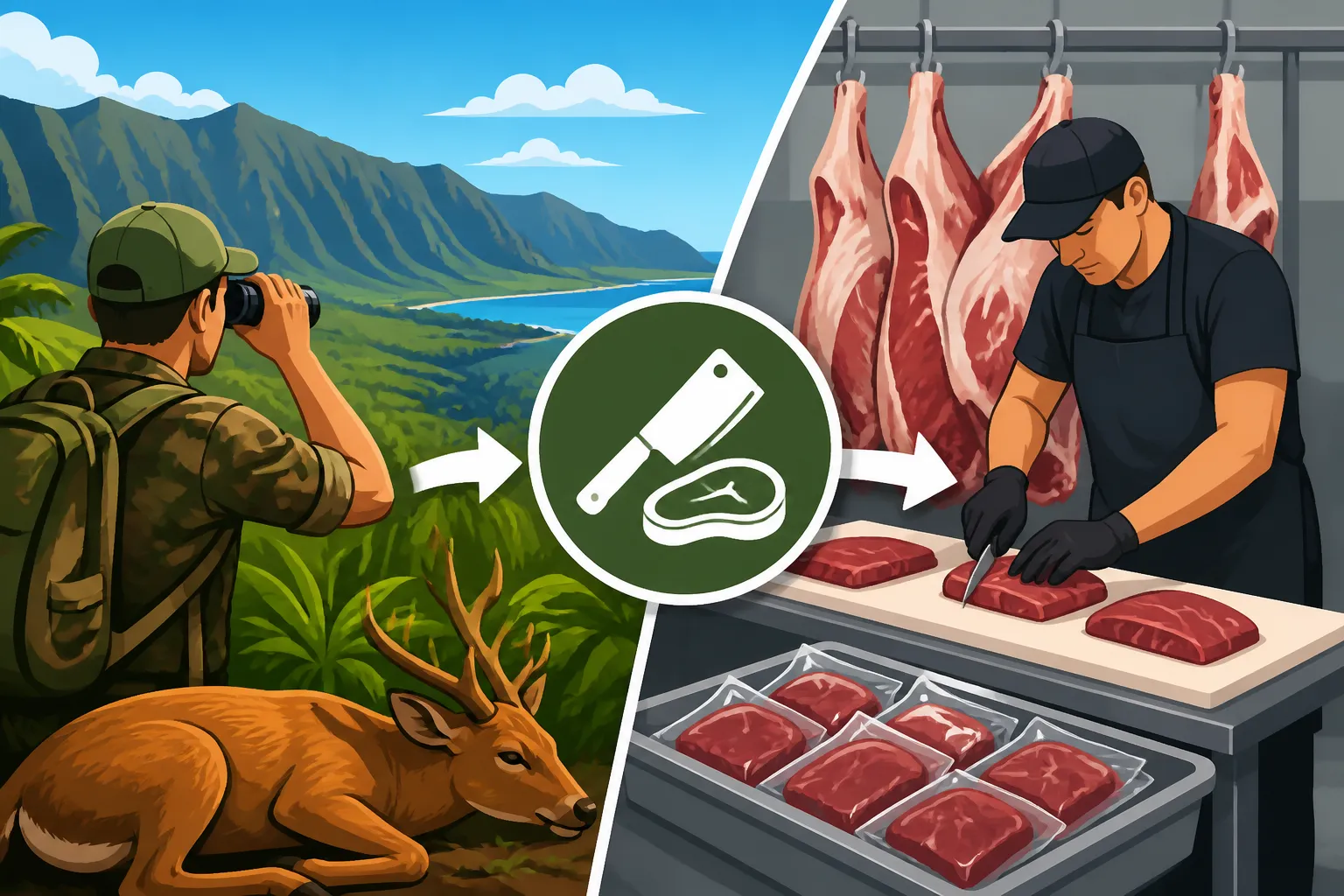
You’ve just dropped an animal in the beautiful, rugged terrain of Hawaii, and the adrenaline is pumping. But as the initial excitement subsides, a different kind of urgency sets in: you've got to get that meat processed, and fast. Unlike hunting in colder mainland climates where you might have hours, the unique combination of tropical heat and humidity in Hawaii means spoilage can set in at an alarming rate. This guide is all about navigating the challenges of getting your hard-earned game meat from the field to your freezer, ensuring none of your efforts go to waste.
The Urgent Reality of Field Care in Hawaii
Let's be real, Hawaii is paradise, but it's also a meat hunter's challenge when it comes to keeping your harvest fresh. The moment an animal is down, the clock starts ticking, and it ticks much faster here than you might be used to. Ignoring the realities of the local climate can turn a prize into a loss quicker than you can say "aloha."
Why Hawaii's Climate Demands Speed
The warmth and humidity that make Hawaii so pleasant for us can be a nightmare for fresh game meat. In typical mainland hunting scenarios, especially during fall or winter, you might have hours, sometimes even overnight, to get your animal out of the field and to a processor or cooler without significant worry. Not so in Hawaii. Temperatures often hover in the 70s and 80s Fahrenheit, even in higher elevations on sunny days, and the humidity can be stifling. This creates a perfect breeding ground for bacteria, which thrive in warm, moist environments.
What this means for you is that decomposition begins almost immediately after death. The internal body temperature of an animal is high, and without rapid cooling, the meat can begin to sour, especially around the bone, within just a few hours. This isn't just about taste; it’s about food safety. Anyone who’s had to pitch game meat due to spoilage knows the heartbreak and frustration, and in Hawaii, that risk is significantly amplified if you’re not prepared and efficient. You really need to understand Field Care in Hawaii's Heat and Humidity before you even head out.
Essential Field Dressing Steps for Island Conditions
Given the rapid onset of spoilage, your field dressing technique and speed are absolutely paramount. The very first step, even before you start thinking about quartering, is to get the animal completely gutted. Remove all internal organs as quickly as possible to allow the body cavity to cool. If you can, hose out the cavity with water (fresh or salt, as long as it's clean) to remove any residual bacteria and cool the internal surfaces further. This is often the most critical action you can take to preserve your meat.
Once gutted, the next immediate goal is to increase airflow and reduce the meat's mass. This usually means skinning and quartering the animal right there in the field, especially for larger game like axis deer or feral pigs. Getting the hide off removes a significant insulating layer, allowing the muscle mass to radiate heat more effectively. Quartering breaks the carcass into smaller, more manageable pieces that can be cooled faster and are easier to Packing Meat Out of a Hawaii Gulch. Wrap these quarters immediately in breathable game bags, never plastic, to protect them from flies and debris while still allowing air circulation. Get the meat elevated off the hot ground, perhaps hanging from a sturdy branch in the shade, if the situation allows. Every minute counts.
Finding a Local Game Processor in Hawaii
So, you’ve done your part in the field, and your game is now quartered and cooling as best it can. Now what? The next hurdle is finding someone to professionally process it, and this can be a real head-scratcher for many visitors and even some residents.
The Scarcity of Dedicated Facilities
Unlike many mainland states where a quick Google search will reveal a dozen deer processors, Hawaii is a different beast. Dedicated game processing facilities, especially those that exclusively handle wild game, are few and far between. Many smaller islands might not have any commercial processors at all. Even on larger islands, the options might be limited to small, often family-run butcher shops that handle domestic animals but might take game, or independent individuals operating out of their homes or garages. These operations are often not widely advertised, and you won't typically find them with a prominent sign on the highway.
This scarcity means you can't just assume you'll find a place easily. It often requires some local knowledge and networking. Before you even set foot on the plane or load up your truck, it's wise to reach out. Check with the Hawaii Department of Land and Natural Resources (DLNR) Division of Forestry and Wildlife (DOFAW) office on the island you plan to hunt. They might be able to provide a list of known processors or suggest local contacts. Hunting guides (even if you're not using one for the hunt itself) can be an invaluable resource, as they deal with this regularly for their clients. Some guides, especially those on private ranches like the ones you might find on BookYourHunt, will even include basic processing or quartering in their services, or have a direct connection to a local individual who can handle it.
What to Ask Your Processor
Once you've managed to track down a potential processor, whether it's a small butcher shop or an individual, you need to ask a lot of questions. Don't be shy; this is your meat, and you want to ensure it's handled properly.
First and foremost, inquire about the specific services they offer. Do they only do basic cut and wrap, or do they offer specialty items like grinding, making jerky, or sausage? Some hunters prefer certain cuts, so confirm if they can accommodate specific requests like backstraps left whole or roasts cut to a particular size. Next, understand their turnaround times. If you're a visitor, you might have a flight out in a few days, so knowing if they can get your meat ready within your window is crucial. This is particularly important for species like Axis deer, where you want to preserve the mild, delicate flavor that makes it so sought after. What Axis Venison Tastes Mild is a great article to get an idea of why you want to keep that meat in top condition.
Then, there's the question of pricing. How do they charge? Is it a flat fee per animal, or a per-pound charge based on hanging weight or packaged weight? Are there extra charges for deboning, grinding, or specialty products? Getting a clear cost breakdown upfront will prevent any surprises. Finally, and this is vital in Hawaii, ask about their cooling capacity and storage options. Do they have a walk-in cooler? Can they hold your meat for a few days if needed? What are their hours for drop-off and pickup? Communication is key, especially if you're coming off a public land hunt during a busy weekend; they might have limited capacity, so call ahead.
DIY Processing and Temporary Storage Solutions
Sometimes, a dedicated game processor isn't an option, either because there isn't one available, or their schedule doesn't align with yours. This means you need to be prepared to handle at least some of the processing yourself, and certainly to manage temporary storage.
The Home Cooler Method for Short-Term
For many Hawaii hunters, especially those on public land or who live on the island, a good set of high-quality coolers is your best friend. After you've quartered your animal in the field and placed the meat in breathable game bags, the goal is to get it on ice as quickly as possible. This isn't just about dumping ice on top; it's about chilling the meat thoroughly without letting it sit in melted water. Block ice lasts longer than cubed ice, so if you can get it, that's preferable. Layer your meat and ice, ensuring meat isn't directly touching the bottom where water collects.
A crucial step is to continually drain any melted water from your coolers. Meat sitting in bloody water can absorb off-flavors and become a breeding ground for bacteria. Some hunters use a false bottom or grate in their cooler to keep the meat elevated from the water. For smaller pieces, like backstraps or tenderloins, wrapping them in cheesecloth before placing them on ice can add a layer of protection. This method can keep meat fresh for several days, giving you time to either transport it, process it yourself, or wait for a processor to have an opening. Just remember the goal: keep it cold and keep it dry. You can dive deeper into Cooling Meat Fast on a Hawaii Hunt for more tips.
Preparing Meat for Transport or Shipment
If you’re a nonresident hunter, or if you’re hunting on one island but live on another, you’ll need to think about transporting your meat. For short inter-island hops, a well-packed cooler with plenty of ice can work, assuming you're flying directly and the meat remains chilled. For longer journeys back to the mainland, or even if you want to store meat long-term, vacuum sealing is almost a necessity. Vacuum-sealed packages remove oxygen, which dramatically slows spoilage and freezer burn.
When preparing for shipment, especially by air cargo, you'll want to use sturdy, insulated shipping boxes. Dry ice is often preferred for long-distance transport because it keeps items frozen solid without creating water, but there are specific regulations regarding dry ice shipment (check with your airline or shipping carrier). Always double-check agricultural regulations for transporting game meat, both inter-island and to the mainland. There might be restrictions on certain parts, or requirements for inspection. Ignoring these rules can lead to your meat being confiscated, which would be a truly heartbreaking end to your hunt. Knowing Agricultural Rules for Taking Meat Off Island is paramount for any hunter traveling.
Costs, Logistics, and Final Considerations
Beyond the physical act of getting the meat ready, there are practical considerations like cost and timing that can significantly impact your Hawaii hunting experience. Being informed about these can save you headaches and ensure a smooth wrap-up to your hunt.
Understanding Processing Costs
The cost of game processing in Hawaii can vary widely, just like anywhere else, but generally, expect to pay a fee per pound for standard cut and wrap services. This fee typically covers deboning, cutting into steaks, roasts, or stew meat, and then wrapping or vacuum sealing. Grinding meat for burger often comes with an additional cost per pound. If you want specialty products like jerky, sausages, or smoked meats, these will almost certainly incur extra charges, as they require more time, ingredients, and specialized equipment.
Because options are limited and demand can sometimes outstrip supply, it’s not uncommon for prices to be a bit higher than what you might find in some mainland states. Always confirm the pricing structure directly with the processor beforehand. Don't be afraid to ask for an estimate based on the anticipated weight of your animal. This helps you budget and avoid any surprises when it's time to pick up your neatly packaged venison or pork. If you're working with an outfitter, discuss whether processing costs are included or if they can recommend cost-effective options. Remember, processing is an investment to protect the valuable meat you've harvested.
Planning Ahead: Booking and Communication
Perhaps the biggest takeaway for anyone hunting in Hawaii, especially if relying on professional processing, is the importance of planning and communication. Do not wait until your animal is on the ground to start looking for a processor. As soon as you finalize your hunt dates, or even as you're researching potential units through resources like GoHunt, make it a point to contact potential processors. Ask about their availability, their capacity, and their preferred method of communication once you've harvested an animal.
If you're hunting during a popular season or on a weekend-only unit, processors can get backed up. A heads-up call saying "I'm heading out to Unit X this weekend, hoping to get a pig, would you have space if I'm successful?" can go a long way. Be realistic about your harvest times; if you shoot an animal late in the day, dropping it off that same evening might not be feasible for a small operation that closes at 5 PM. Have a contingency plan for cooling the meat overnight if you can't get it to a processor immediately. A guided hunt, especially if booked through a reputable service, might include coordination with a local processor, taking some of this burden off your shoulders. However, even then, understanding the process and asking questions is always a good idea. Knowing What a Hawaii Hunt Day Actually Looks Like can help you plan your processing logistics.
Here's a quick comparison to help you weigh your options:
| Feature | DIY Processing (Field to Freezer) | Professional Processing (After Field Care) |
|---|---|---|
| Cost | Minimal (ice, game bags, vacuum sealer bags); initial gear investment | Varies by weight/services; can add significantly to hunt cost |
| Time Investment | High; requires considerable effort and knowledge in the field and at home | Low; drop off and pick up; frees up your time for other activities |
| Skill Required | High; proper cuts, sanitation, packaging knowledge | Minimal; relies on professional expertise |
| Quality Control | Entirely in your hands; direct control over every step | Dependent on processor's reputation and standards |
| Equipment Needed | Knives, sharpener, game bags, coolers, vacuum sealer (optional) | Transportation to processor |
| Convenience | Low; especially for travelers or those unfamiliar with butchering | High; especially if you're on vacation or have limited time |
| Customization | Full control over cuts, grinds, and packaging | Limited to processor's offerings; may have specific requests |
| Storage | Requires freezer space, knowledge of proper freezing techniques | Often includes temporary cold storage; packaged for freezer |
Disclaimer
This article is for general informational purposes only and does not constitute professional advice. Laws, prices and regulations vary by location and change over time. Consult a qualified professional for guidance on your specific situation.