Hawaii Hunting Lodges and Where to Stay
One of the biggest headaches when planning a hunting trip to Hawaii isn't just drawing a tag or figuring out the best unit; it's often finding a suitable place to lay your head down at night. Most folks picture Hawaii with fancy resorts and beachfront bungalows, which are wonderful for a vacation, but not exactly ideal for a hunter getting up before dawn to chase pigs or deer. This guide is all about navigating the lodging landscape in the islands, helping you find a comfortable, practical, and hunter-friendly place to stay, no matter which island you're pursuing game on.
The Unique Challenges of Finding Hunter-Friendly Lodging in Hawaii
Let's be real, Hawaii isn't exactly Wyoming or Montana when it comes to hunting infrastructure. You won't find cozy hunting lodges with roaring fireplaces and walk-in game coolers on every corner. The islands are unique, and so are the challenges of finding a place to stay that truly caters to a hunter's needs. It's not just about a bed; it's about location, logistics, and sometimes, just plain understanding what a hunter goes through.
Beyond the Tourist Resorts: What Hunters Really Need
When you tell friends you're going to Hawaii, they often imagine you sipping mai tais on a lanai overlooking the ocean. While that sounds lovely, a hunter's reality is often quite different. We need early mornings, often a bit of grit, and certainly don't want to track mud through a pristine hotel lobby at 3 AM. A typical resort might balk at the sight of muddy boots, the smell of field-dressed game, or the need for a cooler full of ice. They're designed for relaxation, not rugged adventure.
What a hunter really needs is a place where they can stage their gear without feeling cramped, where an early departure or late return won't raise eyebrows, and ideally, where there's some outdoor space for boot cleaning or even a simple hosing down of equipment. You're looking for practicality over pampering, and sometimes, that's a hard sell in a tourism-driven economy. It's about finding that sweet spot where you can be comfortable without feeling like you're constantly apologizing for being a hunter.
The Remote Nature of Hawaii's Hunting Units
Many of Hawaii's best public hunting grounds, and even some private ranch lands, are tucked away in fairly remote corners of the islands. We're talking upcountry forests, vast lava fields, or deep gulches that are a far cry from the bustling resort towns. This means that staying in a popular coastal area might put you an hour or more away from your hunting unit, adding precious, sleepy time to your already early morning commute.
Think about it: if you're hunting high up on Mauna Kea for mouflon, or deep in the rainforest for pigs, a hotel in Kona or Hilo might mean driving in the dark for an hour or two each way. This not only eats into your sleep but also cuts down on your actual hunting time. The remoteness of the units demands a strategic approach to lodging, pushing you to consider less conventional options closer to the action. It's a trade-off: do you want proximity to hunting or proximity to amenities? Often, for a dedicated hunter, the answer is clear.
Balancing Family Vacation with Hunting Expedition
This is a common dilemma, isn't it? Many hunters try to combine a Hawaii hunting trip with a family vacation. It seems like a great idea on paper: everyone gets to enjoy paradise, and you get to hunt! But finding lodging that satisfies both desires can be tricky. Your family might want a pool, a beach, and easy access to restaurants and shops, while you just want a quiet place with a sturdy bed and enough space to lay out your gear.
If you opt for a family-friendly resort, you might be driving a long way to hunt, and dealing with the logistics of stashing your hunting gear in a room not designed for it. If you go for something more hunter-centric, it might lack the amenities your family expects from a Hawaii getaway. It requires careful planning and honest communication with your travel companions about expectations. Sometimes, two separate accommodations, or a compromise, is the only way to make everyone happy. The key is to acknowledge this balancing act from the start and seek out options that offer a reasonable blend for all involved.
Types of Lodging Options for Hawaii Hunters
When you think about where to stay, Hawaii offers a spectrum wider than just resort hotels. Each option has its own set of pros and cons for the hunter, from budget and convenience to access and amenities. Understanding these can help you pick the best fit for your style of hunt and travel group.
Vacation Rentals: The Home-Away-From-Home Approach
Vacation rentals, like those you find on popular booking sites, have become incredibly popular, and for good reason. They often offer more space, privacy, and amenities than a traditional hotel room. For hunters, this can be a game-changer. Imagine having a full kitchen to cook your own meals, especially if you're on a budget or have specific dietary needs. You can pack your own lunches for the field and cook a hearty dinner after a long day.
Many rentals also have a washer and dryer, which is invaluable for cleaning muddy or sweaty hunting clothes. You might find a garage or outdoor lanai where you can keep your gear, clean your boots, or even start processing a small game animal. The privacy of a rental means you won't get odd looks for leaving at 4 AM or returning with a cooler. Some larger rentals are perfect for groups of hunters, allowing you to split costs and have a communal space to plan the next day's hunt. When considering a rental, specifically look for ones that mention outdoor space, a grill, or even an understanding host, which some listings specifically cater to if you look closely.
Traditional Hotels and Resorts: Convenience with Caveats
Hotels and resorts are abundant in Hawaii, offering a range from budget motels to luxury establishments. Their primary advantage is often convenience: daily cleaning, on-site restaurants, and concierge services. For a hunter, however, these benefits come with significant caveats. The rules around firearms, strong smells, and muddy gear can be quite strict. Many hotels simply aren't equipped or designed to accommodate the unique needs of a hunter.
You might find yourself having to store firearms in a vehicle (which can be risky) or in a hotel safe (if available and large enough). Field dressing game usually means a long drive to a processing facility before returning to your room. While a budget motel might be more lenient, a high-end resort will likely raise an eyebrow if you're trying to sneak a cooler of meat in. These options work best for hunters who are either primarily focused on the "vacation" aspect, or those who are on a guided hunt where the outfitter handles most of the logistics of game and gear. They also can be excellent if you are hunting units close to urban centers, like some areas on Oahu, where accessibility is key.
Camping and Public Land Lodging: Getting Closer to the Action
For the truly adventurous or budget-conscious hunter, camping can be a fantastic option to get as close to the hunting unit as possible. Hawaii offers various state and county campgrounds, and in some specific areas, primitive camping might be allowed closer to the hunting grounds. This is where you really immerse yourself in the natural environment. You're up with the sun, breaking camp, and heading straight into the field. This option minimizes travel time and maximizes your time actually hunting.
However, camping in Hawaii comes with its own set of challenges. The weather can be unpredictable, especially in higher elevations or windward areas with frequent rain. You'll need to be fully self-sufficient with water, food storage (critters are always a concern), and proper gear. Regulations for camping vary significantly by island and specific location, so always check with the Department of Land and Natural Resources (DLNR) for permits and rules. While it's certainly the most rugged option, it's also often the most rewarding for those who want to truly "rough it" and feel like they're living the hunt. Remember that you'll still need to follow rules for Camping Rules on Hawaii Public Land.
Private Ranch Accommodations: The All-Inclusive Experience
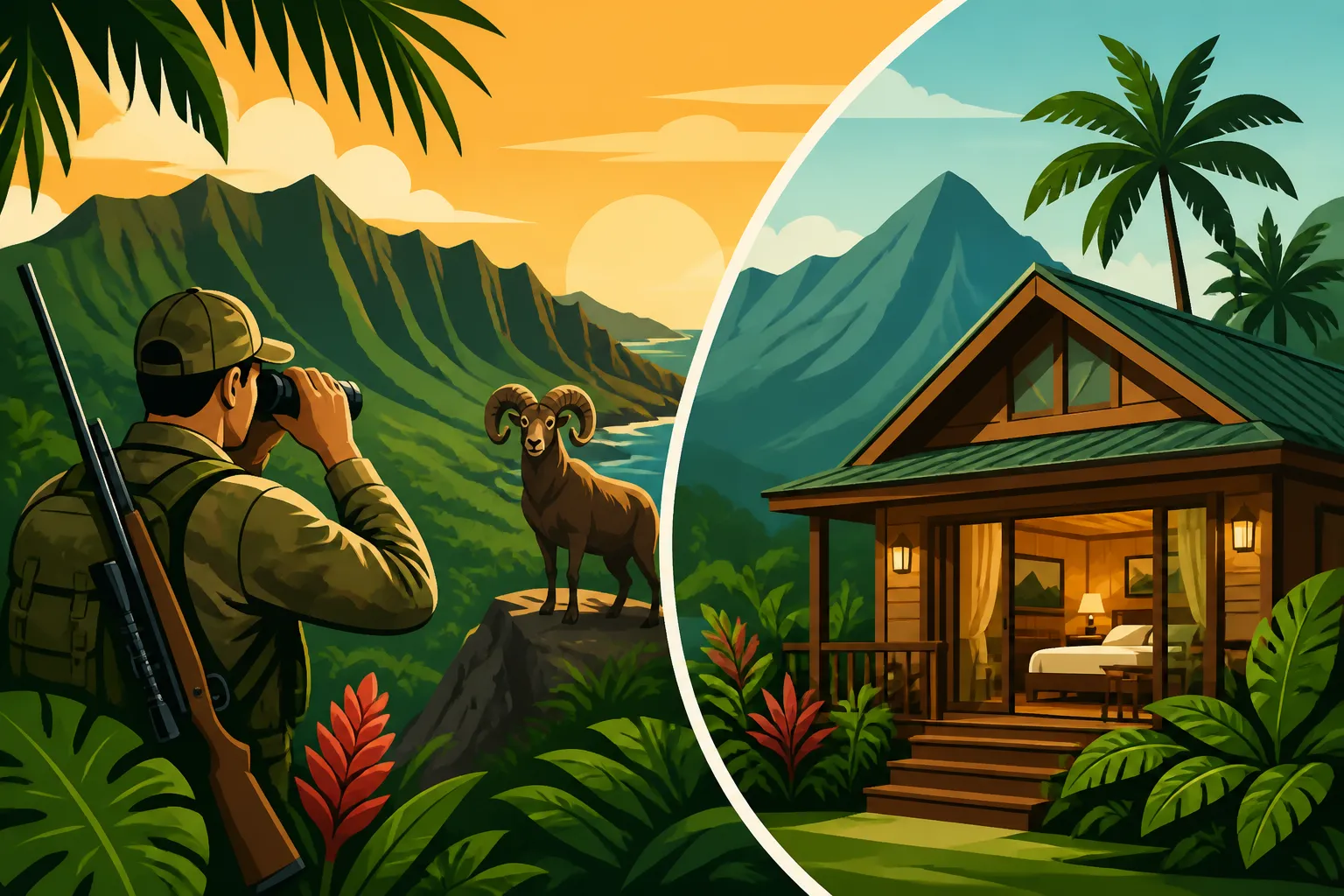
Many of Hawaii's premier hunting opportunities, especially for species like Axis deer or Mouflon sheep, occur on vast private ranches. Some of these ranches, or the outfitters who lease hunting rights from them, offer on-site lodging as part of a guided hunt package. This can range from rustic cabins and bunkhouses to more comfortable lodges. This is often the most hunter-friendly option because it's designed for hunters.
These accommodations usually come with everything a hunter needs: secure storage for firearms, access to walk-in coolers or processing facilities, and meals provided (often at odd hours to accommodate early starts). The guides are right there, making logistics seamless. If you're looking for a hassle-free, immersive hunting experience where all your needs are catered to, a private ranch with on-site lodging is hard to beat. It might be a higher upfront cost, but the convenience and specialized support can be invaluable, especially for out-of-state hunters. You might find packages that include lodging when you search on platforms like BookYourHunt, which specialize in guided trips.
Island-Specific Lodging Considerations for Hunters
Each Hawaiian island offers its own unique hunting experiences and, consequently, different lodging landscapes. What works on Maui might not be ideal for the Big Island, and vice-versa. Understanding these island-specific nuances is crucial for planning your trip effectively.
Big Island: Diversity from Volcanoes to Coasts
The Big Island, Hawai'i Island, is truly diverse, not just in its geography but in its hunting opportunities. From the high-elevation slopes of Mauna Kea and Mauna Loa, home to Mouflon sheep and feral goats, to the dense forests of the windward side for pigs, and the dry leeward areas, your lodging needs will shift dramatically based on your target game. If you're hunting Mouflon, staying upcountry near the Saddle Road or in a small cabin in Waimea might be ideal, reducing the long drives from Kona or Hilo.
For pig hunting in the wet forests near Hilo, a vacation rental in a quieter neighborhood or even a campground can put you closer to the action. If you're targeting goats along the coast, a rental in a smaller town like Ka'u could be perfect. The sheer size of the Big Island means that proximity to your specific hunting unit is paramount. Hawaii Island Hunting Unit Seasons are vast and varied, meaning you'll want to pinpoint your target area before booking a stay. Look for accommodations in towns like Waimea, Kamuela, Honoka'a, or Volcano Village, depending on which side of the island your hunt takes you.
Maui: Axis Deer Country and Upcountry Stays
Maui is synonymous with Axis deer hunting, and much of the public hunting land and private ranches are located in the upcountry areas, particularly on the leeward slopes of Haleakala, like Kahikinui. The popular resort areas of Kihei, Lahaina, or Ka'anapali are lovely, but they're a significant drive from these hunting grounds. If your focus is Axis deer, consider staying in upcountry towns like Kula or Makawao. These areas offer cooler temperatures, stunning views, and a much shorter commute to the deer units.
Vacation rentals are plentiful in these upcountry areas, giving you access to kitchens and space for gear. Some private ranches offering guided hunts on Maui also have their own lodging, which is an excellent option for convenience. Remember that Hunting Maui's Year-Round Axis Deer Units are spread out, so checking your unit's location is key. It's not uncommon for hunters to opt for a small condo or even a tent site at Polipoli Spring State Recreation Area if they're truly dedicated to minimizing drive time to the higher elevations.
Lanai and Molokai: The Secluded Island Experience
Lanai and Molokai offer unique, more secluded hunting experiences, primarily for Axis deer on both islands and Mouflon on Lanai. The lodging options here are far more limited than on Maui or the Big Island. Lanai has a few upscale resorts and some smaller, independent vacation rentals or bed and breakfasts in Lanai City. For a Lanai public hunt, staying in Lanai City is often the only viable option, and you'll still have a drive to the various units. Guides are not allowed on Lanai's public hunts, so you'll be managing your own logistics.
Molokai is even more laid-back and rural. There are fewer hotels, and vacation rentals are typically the most popular choice, often offering a more authentic, local feel. Many private ranches on Molokai, where some of the biggest Axis bucks are found, offer their own lodging as part of their guided packages. If you're Hunting Molokai's Axis Deer Country, working with an outfitter who provides accommodations might be your best bet, as general tourist infrastructure is minimal. These islands demand careful planning well in advance, as options fill up quickly.
Kauai and Oahu: Blending Urban and Wild Hunts
Kauai, the "Garden Isle," primarily offers Black-tailed deer hunting in its stunning Kokee and Waimea Canyon areas, along with good pig and goat hunting. Lodging options range from resorts in Poipu or Lihue to vacation rentals across the island. For deer hunters, finding a rental or cabin closer to Kokee State Park, perhaps in Waimea town, can significantly cut down on travel time to the high-elevation units. Camping is also an option in some state parks. The challenge here is the winding roads and elevation changes, so minimizing drive time is critical.
Oahu, while being the most populated island, still has public hunting grounds for pigs and goats on its ridges and in its forest reserves, particularly in the Waianae Mountains and Kahuku. However, lodging here is predominantly focused on tourism in Honolulu and Waikiki. If you're hunting Oahu, you'll likely be commuting from a more urban area. Look for rentals or hotels on the West Side or North Shore to cut down on your drive if possible. However, given the island's traffic, even those can be a hike. For Oahu, the focus is often on Hunting Oahu's Public Ridges which are less remote than some other islands, making a regular hotel or rental a bit more feasible, though still requiring an early start.
Key Factors to Consider When Choosing Your Stay
Beyond just having a roof over your head, a hunter's accommodation needs are quite specific. Overlooking these details can lead to unnecessary stress, lost time, and even issues with your harvest. Let's dig into what truly matters when you're looking for that perfect hunting basecamp in Hawaii.
Proximity to Your Hunting Unit: Saving Precious Time
This cannot be stressed enough: location, location, location. Hawaii's roads, especially on the less populated islands or heading into mountain terrain, can be slow and winding. What looks like a short distance on a map might translate into an hour or more of driving. Waking up at 3 AM to get to a distant trailhead means sacrificing valuable sleep, which impacts your focus and stamina during the hunt.
When you're comparing options, pull out a map and pinpoint your chosen hunting unit. Then, look at potential lodging spots. How long will it really take to get there in the dark? Are there paved roads all the way, or will you hit rough gravel? Factor in any gate opening times for public access points. Choosing a spot that shaves 30-60 minutes off your daily commute can literally add hours back to your hunting time or your rest. Sometimes, paying a little more for a closer rental or roughing it in a campsite nearby is worth every penny in saved time and increased energy.
Game Processing Facilities and Cooler Space
This is a critical, often overlooked, aspect of hunting in Hawaii. The tropical climate means meat spoils rapidly if not cooled quickly. After you've successfully harvested an animal, the clock starts ticking. Having access to a cool, clean space to do initial field dressing beyond just the immediate gutting, or even full processing, is invaluable. Many regular hotels simply won't have this.
Look for vacation rentals that explicitly mention outdoor hose access, a utility sink, or even a garage. If you're on a guided private ranch hunt, they often have dedicated processing sheds and walk-in coolers. If you're staying in a regular hotel or smaller rental, you'll need to plan for coolers packed with ice and a quick trip to a local butcher or ice supplier. Make sure you have enough cooler capacity for your intended harvest. Some hunters even bring their own portable meat bags to help protect the carcass. Checking out Cooling Meat Fast on a Hawaii Hunt before you go is essential, regardless of your lodging.
Firearm Storage and Security Concerns
Bringing firearms to Hawaii involves a strict registration process, and once you have them, securing them properly is paramount. Most hotels do not offer secure firearm storage, meaning you'll likely have to keep them in your vehicle or in your room. If in your vehicle, ensure it's locked and concealed, and that local laws permit it. If in your room, a good quality gun case with a lock is a must. You definitely don't want to leave firearms unattended or insecure.
Vacation rentals can offer more flexibility. Some might have a secure closet or a less public space where you feel more comfortable storing your cased firearm. When booking a private ranch hunt with lodging, they often have dedicated, secure gun safes or storage areas. Always clarify the policy on firearms with your chosen accommodation before you arrive, whether it's a hotel, rental, or guided lodge. Understanding Hawaii's Rules on Bringing a Firearm to the Islands is a non-negotiable step long before you even consider lodging.
Kitchen Access and Self-Catering for Early Starts
Hunting demands early mornings. Really early. The thought of waiting for a hotel breakfast buffet to open, or driving into town for coffee and a meal before heading out, is often a non-starter. This is where kitchen access becomes a huge advantage. Being able to brew your own coffee, cook a quick, hearty breakfast, and pack a lunch and snacks the night before saves incredible amounts of time and money.
Vacation rentals shine here, offering full kitchens with refrigerators, stoves, and microwaves. Even if you're not a gourmet chef, the ability to store and prepare simple meals and snacks is a massive convenience. It also means you can easily store cold drinks and water for your hydration pack. For hunters, self-catering is often the most practical and efficient way to fuel your early starts and long days in the field, helping you stick to your budget and schedule.
Maximizing Value: Balancing Cost, Comfort, and Convenience
Let's face it, Hawaii isn't the cheapest place to visit, and a hunting trip adds its own expenses. Finding the right balance between how much you spend, how comfortable you are, and how convenient your lodging is to your hunting grounds is key to a successful trip. You want to save money where you can, but not at the expense of a good night's rest or critical hunting logistics.
Budget-Friendly Options: Making Your Dollar Go Further
For hunters looking to keep costs down, there are definitely options. Camping, as discussed, is often the most budget-friendly if you have the gear and are comfortable with it. State and county campgrounds usually charge modest fees, allowing you to allocate more funds to tags, fuel, and food. You're trading comfort for cost savings and direct access to nature.
Another budget-conscious choice might be older, simpler motels or hostels, especially in less touristy towns. While they won't offer luxury, they provide a bed, a roof, and often a more relaxed attitude towards hunters and their gear. Splitting a vacation rental with other hunters is also an excellent way to reduce individual costs while gaining access to kitchen facilities and space. Look for rentals slightly off the main tourist paths, or further inland, as they tend to be more affordable. Remember, a cheaper place to sleep means more money for that dream Axis Deer Hunting in Hawaii trip!
Mid-Range Comfort: The Sweet Spot for Many Hunters
Many hunters find their sweet spot in mid-range accommodations that offer a good blend of comfort and affordability. This often means a well-appointed vacation rental, a smaller locally owned hotel, or a charming bed and breakfast. These options typically provide a private room, a comfortable bed, and frequently some form of kitchen access or at least a mini-fridge and microwave.
This category is ideal for those who appreciate coming back to a clean, quiet space after a long day without breaking the bank. You'll likely have reliable internet, clean linens, and a hot shower – those small luxuries that feel huge after slogging through a gulch. When searching for these, don't just use mainstream travel sites. Explore local property management companies or specialized hunting trip aggregators. Sometimes, asking local hunting forums or guides for recommendations can uncover hidden gems that aren't widely advertised.
Luxury and Guided Hunt Packages: When All-Inclusive Makes Sense
At the higher end of the spectrum, you'll find luxury vacation rentals, boutique hotels, or all-inclusive guided hunt packages that feature premium lodging. For some, especially those seeking a once-in-a-lifetime trip or those with less time to manage logistics, this can be an incredibly appealing option. These packages typically bundle high-quality accommodation with guiding services, meals, and often even assistance with licenses, tags, and game processing.
While the cost is higher, the convenience and peace of mind can be well worth it. You don't have to worry about cooking, cleaning, or navigating unfamiliar terrain alone. Many private ranches offering guided hunts provide excellent, dedicated lodging as part of their package, ensuring all your hunting needs are met without you having to lift a finger beyond the hunt itself. If you're flying in from the mainland, for instance, and want a truly seamless experience, these all-inclusive options can transform a potentially stressful trip into a purely enjoyable adventure. Booking a Hawaii Axis Deer Hunt or a Booking a Hawaii Mouflon Hunt through outfitters often includes these types of lodging arrangements.
Tips for Booking Your Hawaii Hunting Lodge or Accommodation
Booking your lodging in Hawaii, especially with hunting in mind, requires a bit more thought than just picking the prettiest picture online. You need to approach it with a hunter's specific needs and logistical considerations at the forefront.
Researching and Reading Reviews with a Hunter's Eye
When you're scrolling through listings, don't just look at the star rating or the beach view. Put on your hunter's goggles. Read the reviews, but specifically look for comments that might be relevant to your hunt. Does anyone mention noise levels at odd hours? Is there mention of outdoor space, a garage, or a hose? Are previous guests complaining about strict rules on tracking dirt inside?
Sometimes, a seemingly perfect rental might have a small print rule about no "odorous items" or "no sporting equipment inside," which would be a deal-breaker for a hunter. Pay attention to comments about the road leading to the property—is it paved, or will it require a 4×4, especially in wet conditions? Dig deeper than the surface. A critical eye now can save you a lot of grief later. Don't be afraid to reach out to the property owner with specific, polite questions about your hunting needs.
Communicating Your Needs to Property Owners
This is crucial, especially for vacation rentals. Don't assume. Before you book, send a message to the property owner or manager clearly and politely explaining that you are coming for a hunting trip. You don't need to overshare, but mention key points:
- "We will be departing early (before dawn) and returning late."
- "We will have hunting gear (boots, backpacks, etc.) that may need to be stored/cleaned outside."
- "We may have a cooler for game meat and will need access to ice."
- "We will have cased, legal firearms, and need to know about secure storage options."
An honest upfront conversation allows the owner to tell you if their property is suitable or not. Most reasonable owners will appreciate the heads-up. If they sound hesitant or have overly strict rules that conflict with your hunting plans, it's probably not the right fit, and it's better to know that before you're locked into a reservation. Good communication prevents misunderstandings and makes for a smoother trip for everyone.
Booking Through Dedicated Hunting Platforms or Local Connections
While general travel sites are great for standard vacations, they might not always highlight hunter-friendly features. This is where specialized platforms or local knowledge come in handy. Websites like BookYourHunt or GoHunt, which specialize in hunting trips and outfitters, can be invaluable. They often list guided hunts that include lodging specifically tailored for hunters, meaning the host already understands your needs. These platforms can connect you directly with outfitters who offer private ranch accommodations or have arrangements with local, hunter-friendly rentals.
Beyond online platforms, consider reaching out to local hunting communities or forums in Hawaii. Sometimes, local hunters know of specific rentals or even private landowners who rent out cabins that are perfect for hunting groups. These local connections can uncover options you'd never find through a generic web search. They might also give you tips on which areas are best for lodging near your intended Hunting Hawaii's Feral Pigs or Hunting Hawaii's Feral Goats unit.
Planning Ahead for Peak Seasons and Drawn Hunts
Hawaii's hunting seasons, especially for popular species like Axis deer on Lanai, often involve limited drawn hunts or specific weekend dates. Public land hunting can also get busy on opening weekends or holidays. This means that desirable lodging, especially those closer to popular hunting units, can book up fast.
If you're applying for a drawn hunt, it's wise to research lodging options even before results are announced. Many places offer free cancellation up to a certain point, allowing you to tentatively book and then cancel if your draw isn't successful. For general season hunts, booking several months in advance is always a good idea, particularly if your trip falls during popular tourist times or state holidays. Don't leave lodging to the last minute, especially for smaller islands like Lanai or Molokai, where options are inherently limited. Being proactive ensures you get the best spot, not just whatever is left.
Here's a quick comparison of common lodging types for Hawaii hunters:
| Lodging Type | Pros for Hunters | Cons for Hunters | Best For |
|---|---|---|---|
| Vacation Rental | Kitchen, space, privacy, laundry, outdoor gear space | May not allow game processing, can be far from units | Groups, self-catering, longer stays, family combos |
| Traditional Hotel | Convenience, amenities (pool, restaurant), daily cleaning | Strict rules on firearms/game/mud, no kitchens, often far from units | Short stays, guided hunts (outfitter handles logistics) |
| Camping | Closest to units, lowest cost, full immersion in nature | Requires gear, unpredictable weather, limited amenities, self-sufficient | Rugged hunters, extreme budget, remote unit access |
| Private Ranch Lodge | Hunter-specific, secure gear/game storage, meals, guides | Higher cost, less flexibility, tied to specific outfitter | All-inclusive guided hunts, first-timers, convenience |
| B&B / Guesthouse | Personal touch, local insight, sometimes kitchen access | Limited space, variable hunter-friendliness, may be far from units | Solo travelers, couples, local experience, unique charm |
Disclaimer
This article is for general informational purposes only and does not constitute professional advice. Laws, prices and regulations vary by location and change over time. Consult a qualified professional for guidance on your specific situation.