Hawaii Private Ranch Hunts
For many hunters, the dream of chasing game across Hawaii's stunning landscapes often conjures images of challenging public land hunts, navigating complex draws, and competing with other enthusiasts for limited opportunities. While public land hunting certainly has its place, the reality for many is a longing for more consistent access, a less crowded experience, and the chance to focus purely on the hunt itself. This comprehensive guide will explore the world of private ranch hunting in Hawaii, offering a detailed look at what these exclusive opportunities entail, how to access them, and what you can expect from a guided experience.
Why Private Ranch Hunting in Hawaii Appeals to Many
Let's face it, hunting on public land can be a demanding endeavor, especially in a place like Hawaii where regulations are specific, draws are often required, and popular units can see a lot of pressure. This is where private ranch hunting really shines, offering a different kind of experience that draws in hunters looking for more control, consistency, and often, a higher likelihood of success.
Escaping the Public Land Crowds and Draws
Anyone who's ever applied for a limited entry hunt knows the sinking feeling of not getting drawn, or the frustration of arriving at a public unit on opening day only to find multiple trucks already parked. Hawaii's public hunting units, while incredible, often come with the challenge of limited access, specific weekend-only schedules, and the sheer volume of other hunters vying for the same animals. On a private ranch, this dynamic changes dramatically. You're no longer competing with the masses; instead, you're hunting dedicated acreage, often with just your party and guide. This solitude allows for a much more immersive experience, free from the worry of bumping into other hunters or having your stalk interrupted. It's about having the space to truly pursue the game at your own pace, soaking in the unique Hawaiian environment without distraction.
Consistent Access and Longer Seasons
One of the biggest headaches for both resident and visiting hunters is the sometimes-unpredictable nature of Hawaii's public hunting seasons and unit openings. Seasons can be short, specific units might only open for a few weekends, and you're always subject to the state's calendar. Private ranches, however, often operate under different regulations, offering far more flexibility. Many private lands have extended seasons, or even year-round hunting for certain species like feral pigs and goats, depending on their management objectives. This means you can plan your trip with far greater certainty, often choosing dates that best fit your schedule rather than trying to shoehorn your hunt into a narrow public land window. It's a huge benefit for those traveling from afar, as it allows for a more relaxed itinerary and less stress about aligning with stringent public land dates. This extended access also means more time in the field, which translates to more opportunities to learn the land and track your target animal.
The Promise of Larger Animals and Better Success Rates
While there are certainly trophy animals to be found on public land, private ranches often have the advantage of dedicated game management programs. This can include supplemental feeding, habitat improvement, and careful control of hunting pressure, all of which contribute to healthier, more abundant game populations. Many private ranches aim to cultivate larger, more mature animals, especially for popular species like Axis deer. Hunters often report seeing more game, and a higher percentage of mature animals, on private land compared to their public counterparts. This isn't to say it's always easy – hunting Hawaii is never easy – but the odds can be significantly more favorable. For those investing in a hunting trip to Hawaii, the increased potential for a successful harvest, particularly of a desired trophy, is a major draw. It offers peace of mind that your effort and investment are more likely to yield the desired outcome.
Types of Private Ranches Offering Hunts Across the Islands
Hawaii is a land of incredible diversity, and its private hunting opportunities reflect that. From vast, sprawling cattle ranches to intimate family farms, each offers a unique flavor of the Hawaiian hunting experience. Knowing the different types can help you find the right fit for your adventure.
Large Cattle Ranches and Their Diverse Landscapes
When you think of private hunting ranches in Hawaii, often the first image that comes to mind is the expansive cattle operations. Islands like Maui, Hawaii Island, and Molokai are home to truly massive ranches that span thousands of acres, often encompassing a breathtaking array of terrains. One moment you might be traversing open, dry kiawe flats perfect for glassing Axis deer, and the next you're navigating dense, thorny brush or steep volcanic slopes where feral goats thrive. These ranches often have a long history of cattle grazing, which helps maintain open areas and creates diverse forage for game. Hunters on these properties can expect a genuine "big game" feel, with plenty of room to roam and diverse habitats to explore. Many of these larger ranches work with established outfitters who have exclusive access, providing guided hunts that tap into generations of local knowledge about the land and its animals. It's on these large tracts where you often find the biggest herds and some of the most challenging, yet rewarding, hunting scenarios.
Smaller Family-Owned Farms and Agro-Tourism Options
Beyond the colossal cattle ranches, Hawaii also has a vibrant network of smaller, often family-owned farms. These properties might focus on coffee, macadamia nuts, fruit orchards, or diversified agriculture. While smaller in scale, they can offer fantastic hunting opportunities, particularly for feral pigs and sometimes goats, which can be agricultural pests. Hunting on these smaller farms often feels more personal, with a direct connection to the landowners and their efforts to manage wildlife that impacts their crops. Some of these farms have even embraced agro-tourism, offering hunting as part of a broader experience that might include farm tours, lodging, and local food. This can be an excellent option for hunters looking for a more intimate setting, or those interested in combining their hunt with a deeper dive into Hawaii's agricultural heritage. These hunts might be less about glassing vast plains and more about still-hunting thick cover or ambushing pigs near damaged fields.
Dedicated Hunting Preserves
While less common than working ranches, there are also a few dedicated hunting preserves in Hawaii. These properties are often managed specifically for hunting, with an emphasis on maintaining healthy game populations and optimal hunting conditions. They might have managed feeding programs, water sources, and carefully maintained roads or trails for access. Hunting preserves can offer a very high success rate, as the animals are often accustomed to the property and the hunting pressure is carefully controlled. This can be an ideal option for hunters with limited time, those seeking a specific trophy, or individuals who prioritize a comfortable and streamlined hunting experience. The guides on these preserves are typically highly experienced with the specific property, knowing the game's patterns and preferred habitats intimately. While the "wildness" might feel a bit different than a sprawling cattle ranch, the quality of the hunting experience and the opportunity for success can be exceptional.
What Species Can You Hunt on Hawaii's Private Ranches?
Hawaii's unique ecosystem, shaped by its volcanic origins and diverse introductions, offers a compelling array of game animals for private ranch hunters. From the majestic Axis deer to the cunning feral pig, each species presents its own thrilling challenge and a taste of the islands' wild side.
Axis Deer, the Crown Jewel of Island Hunting
Without a doubt, Axis Deer Hunting in Hawaii is the most sought-after big game experience on the islands, and private ranches are often the best places to pursue them. Originally introduced from India, Axis deer have thrived in Hawaii's dry leeward regions, particularly on Maui, Lanai, and Molokai. On private ranches, you'll often find strong populations, and due to careful management, the potential for encountering impressive bucks with mature, sweeping antlers is significantly higher. Imagine glassing a vast pasture at dawn, watching a bachelor group of Axis bucks emerge from the kiawe thickets, their spots vivid against the rising sun. Private ranch hunts for Axis deer typically involve spot-and-stalk tactics across open plains, through dry brush, or along the edges of eucalyptus groves. The rut for Axis deer is unique in that it can occur almost year-round, adding another layer of excitement and opportunity, though peak activity often centers around certain periods depending on the island and local conditions. Hunting these beautiful animals on private land offers a more controlled environment, allowing guides to focus on prime areas and minimize external pressures.
Feral Pigs: The Ultimate Island Challenge
For many local hunters and those seeking a truly rugged experience, Hunting Hawaii's Feral Pigs is the ultimate pursuit. These tenacious animals are found on all the main Hawaiian islands with huntable populations, and private ranches often have significant numbers due to the pigs' destructive impact on agriculture and native ecosystems. Private pig hunts can range from traditional dog-and-knife hunts – a truly adrenaline-pumping, physical endeavor – to still-hunting with a rifle or bow through dense rainforest gulches or dry, kiawe-choked riverbeds. Guides on private land know the intricate trail systems and bedding areas pigs frequent, leading to exciting close-range encounters. The thrill of a pig hunt is unmatched; they are intelligent, tough, and can be notoriously elusive. Whether you're chasing them through a muddy taro patch or tracking them along a coffee farm boundary, feral pigs on private ranches offer an unforgettable and physically demanding hunt.
Mouflon and Feral Goats: Rugged Mountain Pursuits
While Axis deer and pigs tend to steal the spotlight, Hawaii's private ranches also provide excellent opportunities for Mouflon Sheep Hunting on Hawaii Island and Hunting Hawaii's Feral Goats. Mouflon, a wild sheep species, are primarily found in the high, volcanic country of Hawaii Island, with smaller populations on Lanai. Private ranches with acreage stretching into these high-elevation zones can offer exceptional mouflon hunts. These hunts are physically demanding, often involving long stalks over rough, rocky terrain and through mamane forests. Spotting a majestic ram with its impressive curled horns against the stark volcanic backdrop is a truly rewarding experience. Feral goats, on the other hand, are widespread across various islands, often inhabiting steep, coastal cliffs, deep canyons, and dry, rocky slopes. Private ranches with this type of challenging topography often manage healthy goat populations. Hunting goats typically involves glassing cliff faces and steep hillsides, followed by a careful stalk to get within range. Both mouflon and goat hunts offer a chance to experience the more rugged and extreme landscapes of Hawaii, providing a physically engaging and visually spectacular hunting adventure.
Understanding the Costs and Packages of Private Hunts
Embarking on a private ranch hunt in Hawaii is an investment, and understanding the financial aspects and what different packages entail is crucial for planning your trip. Unlike public land where permits might be nominal, private access comes with a premium that reflects the land, management, and guide services provided.
Day Hunt vs. Multi-Day Packages
Most private ranches and outfitters in Hawaii offer a few distinct pricing structures, primarily revolving around day hunts versus multi-day packages. A day hunt is exactly what it sounds like: a single day of guided hunting. This can be a great option for residents or those visiting who only have a short window available, or perhaps for someone looking to add a quick hunt to an existing vacation. Day hunts are generally more affordable upfront but offer less flexibility and less time to adapt to the terrain and animal behavior.
Multi-day packages, on the other hand, are the norm for many non-resident hunters or those seeking a more immersive experience. These packages typically include two, three, or even more days of hunting, often with lodging and meals bundled in. The advantage here is significant: more time in the field means more opportunities to find the right animal, more chances to adapt to changing weather or animal patterns, and a deeper connection with your guide and the land. While the total cost is higher, the per-day value can often be better, and the overall experience is usually richer and less rushed. It's an investment in a more complete and often more successful hunting adventure.
What's Typically Included (and What's Not)
When reviewing private ranch hunt packages, it's essential to scrutinize what's actually included. Most reputable outfitters will provide:
- Guide Services: This is the core of a private hunt, offering expert knowledge of the terrain, animal behavior, and tracking.
- Field Transportation: This usually means a 4×4 vehicle to get you to and from hunting areas on the ranch.
- Field Dressing: Your guide will typically assist with field dressing your harvested animal.
- Trophy Care: Initial caping for a shoulder mount or skull for a European mount, and preparation for transport.
What's often not included, and vital to budget for separately, are things like:
- Hunting License and Permit-Tags: You'll still need to purchase your Hawaii Hunting Licenses and What They Cost and any required tags (like for Axis deer on Maui, Molokai, or Lanai) through the state's system.
- Airfare and Ground Transportation (to the island/ranch): You're responsible for getting yourself to the designated meeting point.
- Lodging and Meals: While often included in multi-day packages, sometimes they are an add-on or require separate booking, especially for day hunts.
- Meat Processing and Shipping: This is a significant expense, particularly if you plan to ship meat back to the mainland. Shipping Meat Home From Hawaii can add substantially to the total cost.
- Taxidermy: If you want a mounted trophy, this is an additional service.
- Gratuities for Guides: Tipping is customary and expected in the guiding industry.
- Rifle Rental and Ammunition: Some outfitters offer these, but it's often an extra fee.
It's crucial to get a detailed breakdown from the outfitter to avoid any surprises.
Factors Influencing the Price Tag
The cost of a private ranch hunt in Hawaii can vary widely based on several key factors:
- Species Targeted: Axis deer hunts, especially for trophy bucks, tend to be the most expensive due to demand and management effort. Pig and goat hunts are generally more affordable.
- Island: Hunts on islands like Molokai, known for producing large Axis bucks, or very remote ranches, might command higher prices.
- Duration: As mentioned, multi-day hunts are more expensive than day hunts.
- Inclusions: Packages that include deluxe lodging, gourmet meals, or additional activities will naturally cost more.
- Trophy Fees: Some outfitters charge an additional "trophy fee" if you harvest an animal above a certain size or specific class (e.g., a "management buck" vs. a "trophy buck"). This system encourages hunters to be selective.
- Demand and Exclusivity: Ranches with limited availability or exceptionally high success rates can charge a premium for their access.
- Guide Experience: Highly experienced guides with a strong track record may work for outfitters that charge a bit more, reflecting their expertise.
Be prepared for a significant investment, but also recognize that you're paying for access to prime habitat, expert guidance, and often a higher quality hunting experience. Many hunters begin their search on platforms like BookYourHunt or by directly contacting ranches after doing some initial research.
Finding and Booking Your Hawaii Private Ranch Hunt
So, you've decided a private ranch hunt is the way to go. Fantastic! Now comes the exciting part: finding the right outfitter and booking your dream Hawaiian adventure. This process involves careful research, clear communication, and making sure all your ducks are in a row.
Researching Reputable Outfitters and Ranches
The first step is diligent research. Not all outfitters are created equal, and finding one with a solid reputation, ethical practices, and a track record of satisfied clients is paramount. Start by looking for outfitters that specialize in the species you're interested in, whether it's Booking a Hawaii Axis Deer Hunt, Booking a Hawaii Pig Hunt, or Booking a Hawaii Mouflon Hunt.
Here are some places to start your research:
- Online Platforms: Websites like BookYourHunt aggregate listings from various outfitters, allowing you to browse different packages, read reviews, and compare offerings. This can be a great starting point to get an overview of what's available.
- Hunting Forums and Social Media Groups: These communities are often a treasure trove of real-world experiences and recommendations. Ask questions, read trip reports, and pay attention to who gets consistently positive mentions.
- Direct Ranch Websites: Many larger ranches will have their own websites detailing their hunting programs, often with direct booking options or contact information for their preferred guides.
- Word of Mouth: If you know other hunters who have been to Hawaii, ask them about their experiences and who they recommend.
When researching, pay attention to consistency in reviews, how long the outfitter has been in business, and what their communication style is like even before you commit.
The Booking Process: From Inquiry to Deposit
Once you've narrowed down your choices, the booking process typically follows these steps:
- Initial Inquiry: Reach out to the outfitter via email or phone. Be clear about what you're looking for: species, preferred dates, number of hunters, weapon choice (rifle, bow, muzzleloader), and any specific trophy goals. The more information you provide, the better they can tailor a recommendation.
- Information Exchange: The outfitter will usually send you detailed package information, pricing, available dates, and potentially a contract or booking agreement. This is your chance to ask all your questions, no matter how small.
- Deposit: To secure your dates, you'll typically be required to pay a non-refundable deposit. This deposit can range from a portion of the total hunt cost to a fixed fee. Make sure you understand the cancellation policy clearly at this stage.
- Confirmation and Preparation: Once your deposit is received, you'll get a confirmation of your booking. At this point, the outfitter will likely provide a packing list, directions to the meeting point, and advice on obtaining your Hawaii Hunting Licenses and What They Cost and any necessary permit-tags. They might also advise on Traveling to Hawaii for a Hunt with firearms.
Remember, the best outfitters book up well in advance, especially for prime season dates. Start your planning early!
Essential Questions to Ask Before You Commit
Before you put down a deposit, ensure you have all your questions answered. This will prevent misunderstandings and ensure your expectations align with what the outfitter provides.
Here's a checklist of vital questions:
- What is the total cost, and what exactly is included (and excluded)?
- Are there any additional trophy fees? If so, what are the criteria?
- What is your cancellation and refund policy?
- How many hunters will be in my group, and what is the guide-to-hunter ratio?
- What is your typical success rate for the species I'm targeting, and what does "success" mean (opportunity vs. harvest)?
- What kind of terrain can I expect? How physically demanding is the hunt?
- What gear do I need to bring? Do you offer rifle rentals?
- What are the nearest accommodations if lodging isn't included?
- What are the arrangements for meat processing and trophy preparation? Do you have recommendations for local processors or taxidermists?
- What is your policy on wounded animals?
- Can you provide references from recent clients?
- How do you handle unforeseen circumstances like bad weather or mechanical issues?
Asking these questions upfront ensures transparency and helps you make an informed decision, setting the stage for a great hunting experience. Before finalizing any plans, always verify the latest hunting regulations with the Hawaii Department of Land and Natural Resources (DLNR) or through resources like GoHunt, as these can change.
Preparing for Your Private Ranch Hunting Adventure
A successful private ranch hunt in Hawaii isn't just about showing up; it's about being prepared. The unique Hawaiian environment, from humid rainforests to arid volcanic slopes, demands specific considerations for your physical condition, gear, and understanding of the legal requirements.
Physical Fitness and Gear Considerations
Hawaii's hunting terrain is notoriously challenging, and while private ranches might offer better access, you'll still be walking, climbing, and potentially dragging game through uneven and often thick cover. It's not a stroll in the park.
- Physical Fitness: Start a fitness regimen well in advance. Focus on cardio, leg strength, and endurance. Being able to comfortably walk several miles with a pack, navigate steep inclines, and handle the heat and humidity will significantly enhance your enjoyment and success. You'll be thankful for every hike you took up a local hill.
- Footwear: This is perhaps the most critical gear decision. You need sturdy, broken-in hunting boots with excellent ankle support and good traction. Waterproofing is a bonus for dew-soaked mornings or potential rain showers. Consider bringing two pairs if possible, so one can dry out.
- Clothing: Think layers. Mornings can be cool, especially at higher elevations, but the mid-day sun can be intense. Lightweight, breathable, moisture-wicking clothing is essential. Camouflage patterns appropriate for the local terrain (greens, browns, grays) are good, but often drab earth tones are sufficient. Don't forget a lightweight rain jacket, especially if hunting on the windward side or in mountainous areas.
- Optics: Good binoculars (10×42 or 10×50) are invaluable for glassing open areas for Axis deer or spotting goats on distant cliffs. A rangefinder is also highly recommended.
- Pack: A comfortable daypack for water, snacks, extra layers, first-aid, and game bags is a must. If you anticipate packing out meat, consider a larger pack frame.
- Water: Hawaii's heat and humidity can lead to rapid dehydration. Carry plenty of water, and consider a water filter or purification tablets if you plan to be in remote areas where natural sources might be available (and safe).
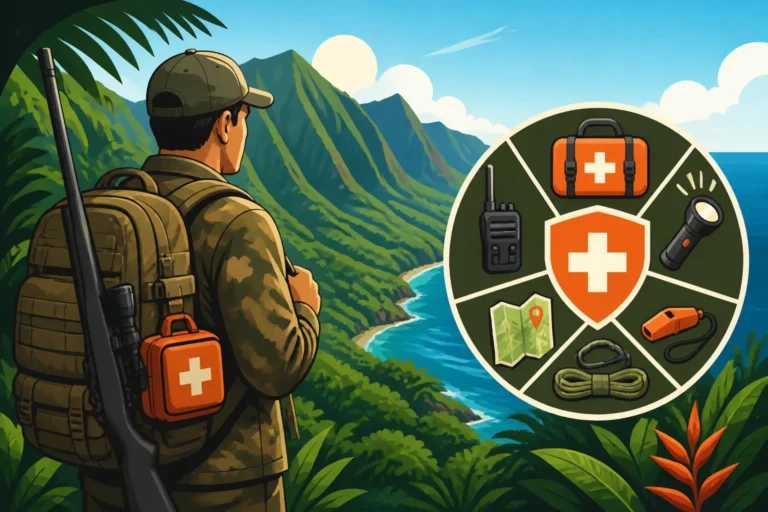
- Safety Gear: A basic first-aid kit, headlamp, compass/GPS (or a reliable hunting app with offline maps), and a way to communicate (satellite messenger if cell service is spotty) are essential. Remember that No Cell Signal on a Hawaii Hunt is a real possibility in many units.
Legalities: Licenses, Permits, and Firearm Transport
Even on private land, you must adhere to all state hunting regulations.
- Hunting License: Obtain your Hawaii hunting license well in advance. Non-residents can purchase a license, but be aware of the requirements, which might include proof of a hunter education course or a Letter of Exemption. You can usually purchase these online through the state's portal, or often through a platform like GoHunt, which can streamline the process.
- Permit-Tags: For species like Axis deer on Maui, Molokai, and Lanai, and Mouflon sheep on Hawaii Island and Lanai, you will need specific permit-tags. These are typically acquired through a lottery draw or direct purchase, depending on the island and unit. Your outfitter will guide you on the specific requirements for their ranch.
- Hunter Education: If you haven't completed a hunter education course, you'll need to do so. Non-residents can sometimes provide proof of a past hunter education certificate from their home state or a signed affidavit. Check the Hawaii Hunter Education Requirements well before your trip.
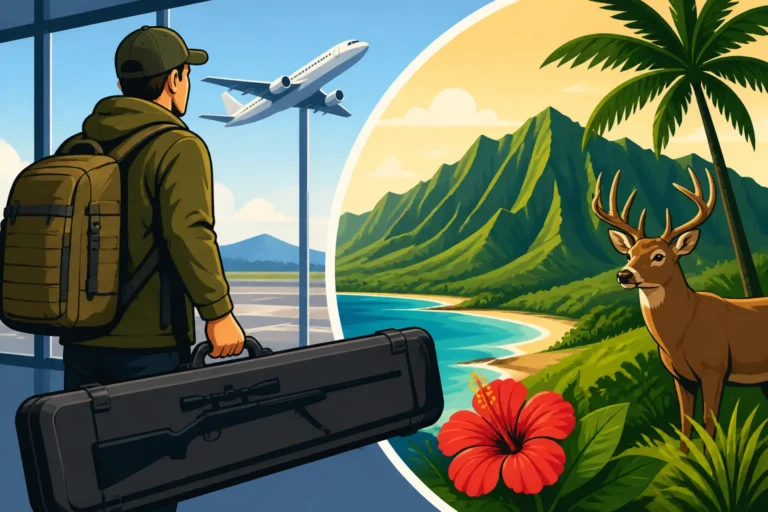
- Firearm Transport: If you plan to bring your own firearm, be prepared for strict rules regarding Bringing a Firearm to the Islands and Registering a Firearm After Arriving in Hawaii. You must register handguns with the county police department within 48 hours of arrival. Long guns also have specific transport rules. Many hunters opt to rent a rifle from their outfitter to avoid the hassle of flying with firearms and registration. If you fly between islands, you'll also have to check firearms and ammo separately again.
Field Care and Trophy Handling Post-Hunt
After a successful harvest on a private ranch, proper field care is paramount, especially in Hawaii's warm climate.
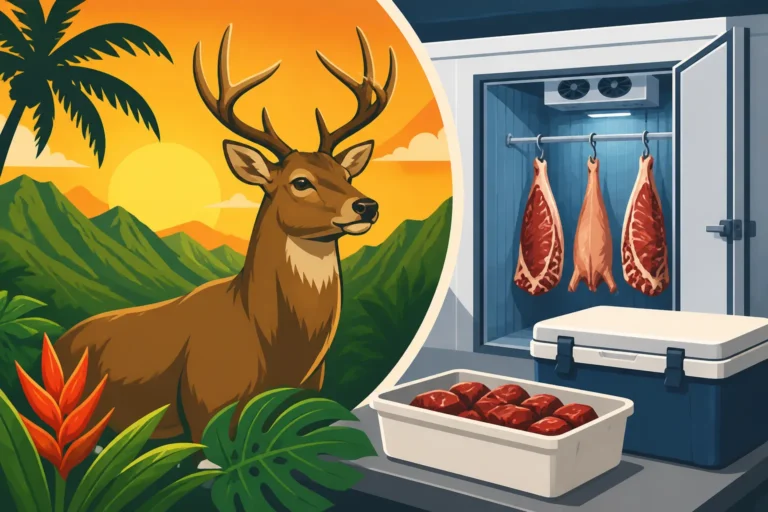
- Cooling Meat Fast: The tropical heat means meat can spoil quickly. Your guide will assist with immediate field dressing to get the animal cooling down as fast as possible. This often means skinning the animal and quartering it for transport back to a cooler. Cooling Meat Fast on a Hawaii Hunt is not just a recommendation, it's a necessity.
- Game Bags: Bring good quality, breathable game bags to protect the meat from flies and debris during transport.
- Transport: The outfitter will typically have coolers on hand for initial transport back to the processing facility or a designated drop-off point.
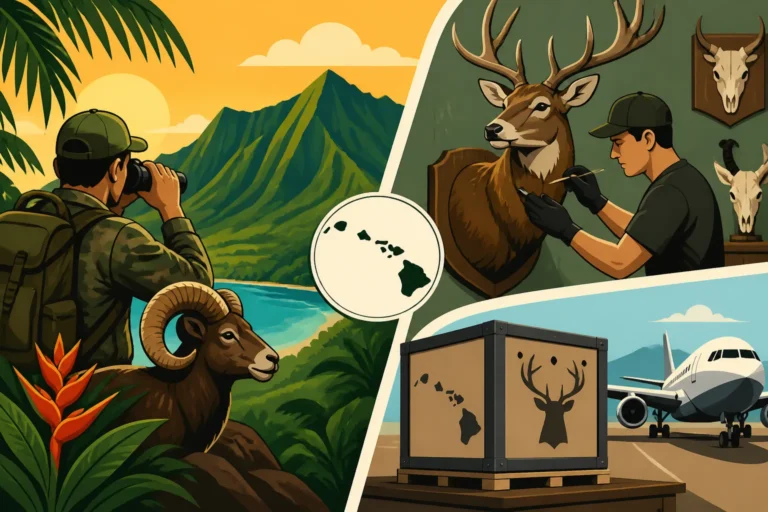
- Trophy Preparation: If you plan to mount your animal, communicate this clearly with your guide beforehand. They can assist with proper caping and skull preparation. Make sure you understand how the trophy will be protected and transported to a taxidermist.
- Meat Processing: Most hunters arrange for local processing of their game. Your outfitter will have recommendations for processors who understand how to handle wild game and prepare it for either local consumption or shipping. Be sure to factor in the cost and logistics of Getting Meat Processed on a Hawaii Hunt and then shipping it to your home.
The Unique Experience of a Guided Private Ranch Hunt
Choosing a guided private ranch hunt in Hawaii offers a profound difference from public land endeavors. It's not just about access; it's about tapping into a wealth of local knowledge, experiencing ethical hunting practices, and immersing yourself in the unique ranch culture of the islands.
Expert Guidance and Local Knowledge
One of the most invaluable aspects of a guided private ranch hunt is the expertise of your guide. These individuals are often lifelong residents, raised on the land or deeply ingrained in the local hunting community. They possess an intimate understanding of the terrain, animal patterns, and weather nuances that only years of experience can provide.
- Reading the Land: Your guide knows where the Axis deer prefer to bed down during the heat of the day, which gulches the pigs use for travel, and where the goats seek shelter from the trade winds. They can read subtle signs – a fresh track, a rubbed tree, a disturbed waterhole – that might be missed by an inexperienced eye. This local knowledge saves you countless hours of scouting and increases your chances of encountering game significantly.
- Hunting Tactics Tailored to Conditions: Whether it's a spot-and-stalk on a dry ridgeline or still-hunting a dense forest, your guide will adapt tactics to the current conditions, ensuring you're in the best position for success. They understand how Reading Hawaii's Trade Wind Patterns affects scent dispersion or how a sudden rain shower can influence animal movement.
- Safety First: Beyond finding game, your guide's primary role is your safety. They know the potential hazards of the terrain, the local flora and fauna (like kiawe thorns or slippery lava rock), and are prepared for emergencies. Navigating steep cliffs for goats or dense jungle for pigs can be dangerous, and a seasoned guide mitigates these risks.
Ethical Hunting and Conservation Practices
Reputable private ranches and outfitters in Hawaii are often deeply committed to ethical hunting and conservation. They understand that sustainable hunting is crucial for the long-term health of both the game animals and the unique Hawaiian ecosystems.
- Responsible Game Management: Many ranches implement active game management programs, which may include managing herd sizes, selective harvesting to improve genetics, and enhancing habitat. Their goal isn't just to sell hunts, but to maintain a healthy and robust game population for years to come.
- Minimizing Environmental Impact: Guides are trained to ensure hunting activities have minimal impact on the environment. This means adhering to specific protocols for vehicle use, waste disposal, and avoiding sensitive ecological areas. They often serve as educators, explaining the importance of controlling introduced species like pigs and goats to protect native Hawaiian plants and birds.
- Fair Chase: A guided hunt on a private ranch still emphasizes fair chase. While the guide puts you in the best position, the shot, the stalk, and the ultimate success are still yours. It's about utilizing their expertise to increase opportunities within ethical hunting boundaries. This approach aligns with the deeper values of hunting, respecting the animal and the pursuit.
Beyond the Hunt: Immersing in Hawaii's Ranch Culture
A private ranch hunt in Hawaii offers more than just the pursuit of game; it's an opportunity to experience a unique facet of Hawaiian culture. Many of these ranches have been operating for generations, carrying on traditions of paniolo (Hawaiian cowboy) life and land stewardship.
- Local Hospitality: You'll often be welcomed with genuine aloha, experiencing the warmth and hospitality that Hawaii is famous for. Guides might share stories of the land, its history, and their own hunting traditions.
- Taste of Local Life: Depending on your package, you might stay on the ranch, experiencing daily life away from the tourist hubs. This could include enjoying local cuisine, learning about ranch operations, or simply soaking in the tranquil beauty of the Hawaiian countryside.
- Cultural Exchange: It's a chance for a true cultural exchange, understanding the deep connection many Hawaiians have to the land (aina) and their efforts to balance tradition with modern conservation challenges. This can make the entire trip far more enriching and memorable, transforming a simple hunt into a profound experience.
Maximizing Your Private Ranch Hunt in Hawaii
You've invested time, money, and effort into this Hawaiian hunting adventure. To truly make the most of it, it's essential to manage your expectations, plan for post-hunt logistics, and leave a positive impression that benefits both you and the outfitters.
Managing Expectations and Embracing the Challenge
While private ranches often boast higher success rates, it's crucial to remember that hunting in Hawaii is still hunting. It's not a guaranteed kill, and the elements can be unforgiving.
- Respect the Wild: Even on a managed ranch, animals are wild and unpredictable. Weather can shift rapidly, making conditions difficult. Embrace the challenge, understanding that the pursuit itself is a significant part of the experience.
- Listen to Your Guide: Your guide is your greatest asset. Trust their judgment, follow their instructions, and be open to their advice. They have the most intimate knowledge of the land and the animals.
- Focus on the Experience: While harvesting an animal is the goal, don't let it overshadow the incredible opportunity to hunt in such a unique and beautiful place. The stunning sunrises, the calls of unfamiliar birds, the scent of wild ginger – these are all part of the magic. Enjoy the camaraderie, the challenge, and the immersion in nature. Be realistic about what a "trophy" means to you; sometimes, a healthy animal taken cleanly is far more valuable than a record-breaker you might never encounter.
Post-Hunt Logistics: Meat Processing and Shipping
The hunt isn't over when the animal is down. Getting your meat and trophy home requires careful planning and execution.
- Processor Coordination: Work closely with your outfitter to coordinate with a local meat processor. Discuss your preferences for cuts, packaging, and whether you plan to ship the meat. Remember, Shipping Game Meat Between Hawaii Islands or back to the mainland can be a complex and costly endeavor. Processors are typically well-versed in preparing meat for shipping, including freezing and packaging for air freight.
- Shipping Options: Research reputable shipping companies that handle frozen goods. This will be an additional expense, but it's often the only way to get your prized venison home. Be aware of agricultural restrictions for importing meat into your home state.
- Taxidermy and Trophy Shipping: If you're bringing a trophy home, your outfitter can connect you with a local taxidermist or prepare the cape and skull for transport. Shipping antlers and capes also requires specific packaging and adherence to airline and agricultural regulations. Ensure the cape is properly salted and dried to prevent spoilage during transit.
Leaving a Positive Impression
Being a respectful and responsible hunter contributes to the long-term viability of private land hunting in Hawaii.
- Gratuities: Tipping your guide is customary and a direct way to show appreciation for their hard work, knowledge, and dedication. While amounts vary, a good rule of thumb is 15-20% of the hunt cost.
- Respect the Land and People: Treat the ranch property, the landowners, and all local residents with respect. Adhere to all rules, leave no trace, and be an ambassador for ethical hunting. Your conduct reflects on all hunters.
- Share Your Story: Once home, share your positive experience. Word-of-mouth recommendations are invaluable for outfitters. Consider writing a review or sending a thank-you note. This reinforces good relations and helps future hunters find reputable operations.
By embracing the unique opportunities, preparing thoroughly, and acting as a responsible ambassador, your private ranch hunt in Hawaii will undoubtedly be an unforgettable adventure, forging memories and possibly a new tradition in one of the world's most beautiful hunting destinations.
Disclaimer
This article is for general informational purposes only and does not constitute professional advice. Laws, prices and regulations vary by location and change over time. Consult a qualified professional for guidance on your specific situation.