Renting a Rifle From a Hawaii Guide
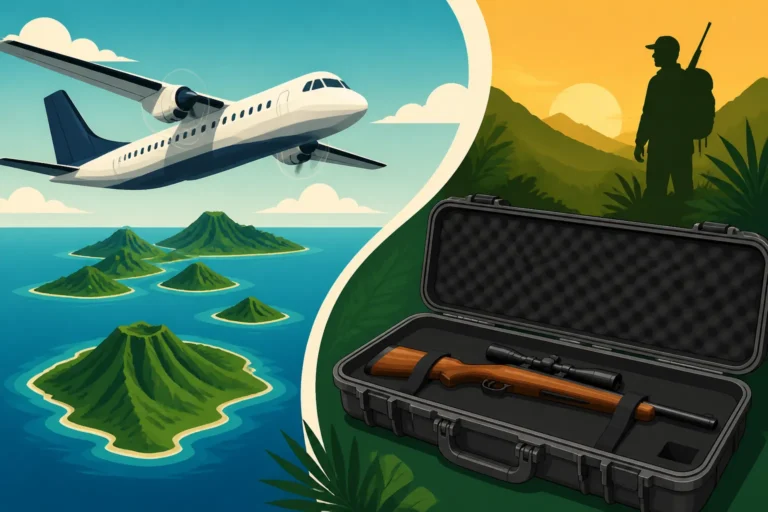
The thought of hunting in Hawaii conjures images of incredible landscapes and unique opportunities, but the practicalities of bringing your own hunting rifle can quickly turn that dream into a logistical nightmare. Between navigating federal airline regulations, intricate state laws, and the sheer hassle of traveling with a firearm, many hunters find themselves overwhelmed before they even pack their bags. This guide is here to walk you through the often-simpler solution: renting a rifle directly from your Hawaii hunting guide, offering peace of mind and ensuring you have the right equipment for your island adventure.
The Logistics Nightmare of Traveling with Your Own Firearm to Hawaii
Let's be real, the idea of traveling with a firearm, especially across state lines and over oceans, can make even the most seasoned hunter break out in a cold sweat. It's not just about getting it to the airport; it's a multi-layered process fraught with potential pitfalls and stress. For many, the dream of a Hawaiian hunt hits a brick wall when they start looking into the rules for their personal hunting rifle.
Federal and Airline Regulations: A Maze of Red Tape
First, you're dealing with federal transportation regulations. The Transportation Security Administration (TSA) has a strict set of rules that govern how firearms and ammunition must be packed for air travel. Your firearm needs to be unloaded and stored in a hard-sided, locked container. The lock must be a TSA-approved lock, or you can use your own non-TSA lock that only you can open. Ammunition has its own rules too – it needs to be in its original manufacturer's packaging or a similar container, separate from the firearm, and often has weight limits. Declare everything at the check-in counter, and be prepared for airline employees who might not be fully versed in their own company's policies, leading to frustrating delays. This initial hurdle alone can deter many.
Then, each airline has its own specific policies, which can sometimes be even stricter than the federal guidelines. One airline might allow ammunition in the same locked case as the firearm, while another might require it to be completely separate. Some have very specific rules about the type of case or the total weight. It's not enough to check the TSA website; you absolutely have to call your specific airline, several times if necessary, to confirm their most current policy for Flying to Hawaii With Firearms. A small misstep here, and your rifle could be left behind, or worse, you could face legal issues. The complexity just multiplies if you're planning any inter-island travel during your trip, as each leg of the journey restarts this whole process, adding more declarations and potential scrutiny.
Hawaii's Strict Local Laws and Registration
Once you land in Hawaii, the federal rules give way to Hawaii's own set of laws, which are known for being among the strictest in the nation. It's not like arriving in many other states where your out-of-state permit might cover you. In Hawaii, all firearms, including rifles, must be registered with the county police department within a certain timeframe of arrival. This isn't a quick process. You'll need to present identification, fill out paperwork, undergo a background check, and potentially wait for approval, which can take days or even weeks. Imagine landing for a week-long hunt only to find your rifle tied up in bureaucracy while you wait for local police clearance.
Furthermore, there are specific rules about which types of firearms are allowed, magazine capacity, and even how they are transported within the state once registered. For instance, open carry of firearms is generally prohibited, and rifles must be unloaded and encased when traveling in a vehicle. These local nuances can be a minefield for visitors. For non-residents, understanding and complying with all these specific requirements can be a significant headache, often requiring extensive research even before leaving home. It’s a lot to wrap your head around, especially when you're just trying to plan an exciting hunt. For more details on what to expect, guides are often helpful with information about What a Guide Tells You About Gun Registration.
The Hidden Costs and Risks of Transport
Beyond the regulatory hurdles, there's a financial and emotional cost to transporting your own rifle. Airlines often charge additional fees for checked firearms, which can add up quickly, especially if you have connecting flights. Then there's the cost of a high-quality, hard-sided travel case that meets all airline requirements – these aren't cheap. And let's not forget the inherent risk of damage or loss. Luggage gets mishandled, cases get dropped, and sometimes, bags just go missing. The thought of your prized hunting rifle being damaged or lost in transit is enough to give anyone pause.
Consider the potential for delays. What if your firearm doesn't arrive on the same flight as you? This isn't uncommon, and it can throw your entire hunt schedule off track. You might spend valuable hunting days tracking down luggage instead of stalking game. All these factors combined make bringing your own firearm a genuinely stressful and often expensive undertaking, sucking some of the joy right out of the adventure before it even begins.
Why Renting from Your Hawaii Guide Makes Sense
Given the gauntlet of regulations and logistics involved with bringing your own firearm, the option of renting a rifle directly from your Hawaii hunting guide truly shines as a practical and stress-free alternative. It's not just about avoiding headaches; it's about optimizing your hunting experience from the moment you step off the plane.
Convenience and Peace of Mind
Imagine landing in paradise, picking up your regular luggage, and heading straight to your accommodation or the guide's meeting point, knowing that your hunting rifle is already there, perfectly legal, and ready for you. That's the primary benefit of renting from your guide. You completely bypass the federal airline regulations, the local registration process, and the anxiety of potential damage or loss during transit. Your guide handles all the legal ownership and registration, ensuring that the firearm you'll be using is fully compliant with Hawaii's laws. This convenience dramatically reduces pre-trip stress and allows you to focus on the excitement of the hunt itself.
From the moment you confirm your guided hunt, you can communicate with your guide about their rental options. They'll typically have everything squared away, from proper storage to ensuring the firearm is legal for use on their property or the public lands they operate on. This level of preparedness on their part translates directly into peace of mind for you. You're not worrying about Inter-Island Flights With a Firearm or police check-ins; you're thinking about the animals and the landscape.
The Right Tool for the Hawaiian Terrain and Species
Hawaii's diverse terrain, from dense rainforests to arid volcanic slopes, and its unique game species like Axis deer, feral pigs, and Mouflon sheep, often call for specific types of firearms. While your trusty deer rifle from the mainland might be adequate, a local guide will often have a selection of rifles optimized for the conditions you'll encounter. For instance, a lighter, more compact rifle might be ideal for navigating thick vegetation or steep, rugged terrain. A specific caliber might be preferred for the size and resilience of Axis Deer, Hawaii's Signature Big Game or Hawaii's Feral Pigs, Island by Island.
Your guide, with their intimate knowledge of the local hunting units and the behavior of the game animals, can recommend and provide a rifle that is perfectly suited for your specific hunt. They know what works best for Hunting Hawaii's Volcanic Terrain or the dense cover where pigs often hide. This isn't just about having a gun; it's about having the right gun, factory-sighted and maintained, giving you the best chance for a clean, ethical harvest. This local expertise is invaluable, far surpassing what you could glean from online research or by relying on your general-purpose hunting firearm.
Ammunition Availability and Local Regulations
Another often-overlooked aspect is ammunition. Traveling with ammunition has its own set of rules and limitations, and finding specific calibers once you arrive in Hawaii can be a challenge. Local sporting goods stores might have limited stock, and what they do have could be more expensive or not the specific bullet weight or type you prefer. When you rent a rifle from your guide, they almost always provide the appropriate ammunition. This ensures you have the correct caliber, load, and enough rounds for your hunt and any pre-hunt sight-in or practice.
More importantly, your guide will ensure the ammunition complies with all local regulations, including any rules specific to the hunting unit or the game species you're pursuing. Hawaii's Legal Weapons by Season outlines specific calibers and weapon types. You won't have to worry about accidentally bringing an illegal projectile or having too many rounds. It's a seamless part of the rental package, removing yet another layer of potential complication and allowing you to focus on ethical hunting practices rather than logistical worries.
What to Expect When Renting a Rifle
So, you've decided that renting a rifle from your guide is the way to go – smart move! Now, let's dive into the specifics of what that process usually looks like. It's not just about handing over some cash and getting a gun; there's a bit more to it, all designed to ensure a safe and successful hunt.
Types of Rifles Commonly Offered by Guides
Most Hawaii hunting guides offering rifle rentals will have a selection of common, reliable, and effective calibers suitable for the island's game. For Axis deer, you'll often find guides with .270, .30-06, 7mm Rem Mag, or .300 Win Mag rifles. These calibers offer a good balance of flat trajectory and sufficient energy for a clean kill on a deer that can sometimes be spotted at longer ranges in open country. For feral pigs, especially in thicker cover, you might see guides offering .30-30, .45-70, or even larger calibers designed for closer-range, harder-hitting performance. For Mouflon sheep, particularly on the Big Island's high, open slopes, flatter shooting calibers like the .270 or .30-06 are popular choices.
The rifles themselves are typically reliable, tried-and-true bolt-action models from reputable manufacturers. Think Remington, Winchester, Ruger, or Savage. They are almost always equipped with quality optics, usually a variable power scope (e.g., 3-9×40 or 4-12×40) that's zeroed and ready to go. Guides understand the importance of reliable equipment, so you can expect well-maintained firearms. Don't be shy about asking your guide which specific models and calibers they have available when you're discussing your hunt. They can advise you on the best choice for the specific area you'll be hunting and the animal you're targeting.
Understanding Rental Fees and Inclusions
Rifle rental fees vary from guide to guide and can depend on the duration of your hunt and whether ammunition is included. Typically, this is a separate cost from the primary guide fee, which you'd learn about when looking into What a Hawaii Guided Axis Deer Hunt Costs or What a Guided Pig Hunt Costs. Some guides might offer a flat daily rate, while others might include it as part of a package if you're booking a multi-day hunt. It's rare for a guide to offer the rifle completely free, as there are costs associated with maintenance, cleaning, optics, and especially the ammunition.
When you're discussing rental with your guide, be very clear about what's included. Does the fee cover all the ammunition you'll need? Will there be extra rounds for a quick sight-in or practice before the hunt? Are ear and eye protection provided? What about a sling for carrying the rifle in the field? Most reputable guides will include ammunition and basic accessories as part of the rental package, but it's always best to confirm upfront. This clarity will help you budget accurately and avoid any surprises once you're on the ground in Hawaii.
Pre-Hunt Familiarization and Safety Checks
A responsible guide will never just hand you a rifle and send you into the field. Before your hunt begins, there should always be a period of familiarization and a safety briefing. This is crucial for your safety and success. Your guide will typically review the rifle's basic operation: how to load and unload it safely, how to operate the safety mechanism, and how to work the bolt action. They'll also go over proper shooting technique, especially if you're unfamiliar with that particular rifle or caliber.
Many guides will take you to a temporary shooting range or a safe backstop area for a few practice shots. This allows you to confirm the rifle's zero, get a feel for its recoil, and practice your shooting form. It's also an excellent opportunity for your guide to assess your comfort level and provide any necessary coaching. This pre-hunt session isn't just about hitting the target; it's about building confidence and ensuring you are completely safe and proficient with the rented equipment. This is a non-negotiable step and a sign of a professional, safety-conscious guide.
Key Questions to Ask Your Guide About Rifle Rental
Before you commit to a hunt and specifically to renting a rifle, it's vital to have a clear conversation with your guide. Asking the right questions upfront can save you a lot of hassle and ensure there are no surprises once you're in Hawaii. Think of it as your due diligence for a smooth hunting experience.
Availability, Caliber, and Condition
The first thing you want to know is what's actually available. Don't just assume. Ask your guide: "What specific rifles do you have available for rent?" Inquire about the calibers offered. If you have a preference or a familiar caliber, see if they can accommodate it. For example, if you're comfortable with a .30-06, ask if they have one. Then, get details on the condition of the rifles. While guides generally maintain their equipment well, it's fair to ask about the age of the rifle, the brand, and the type of optics mounted on it. A good guide will be transparent and proud of their gear.
You might also ask about the typical range at which the rifles are sighted in. For Axis deer on Maui, for instance, shots can sometimes be longer than what you'd typically encounter in dense mainland woods. Knowing if the rifle is zeroed at 100 or 200 yards can influence your confidence and shot placement. Discussing these details upfront will give you a clear picture of the equipment you'll be using and help you feel more comfortable about your shots in the field. This also helps in understanding What a Hawaii Guide Fee Covers.
Ammunition Specifics and Practice Opportunities
A crucial follow-up is about ammunition. Ask directly: "What type and brand of ammunition do you provide with the rental?" Specifics like bullet weight (e.g., 150-grain, 180-grain) and bullet type (e.g., soft point, ballistic tip) can impact performance and accuracy. Most guides will provide quality hunting ammunition, but it's good to know what to expect. More importantly, ask about the quantity of ammunition provided: "How many rounds are included for the hunt, and are extra rounds available for sighting in or practice?" You'll want enough to confidently zero the rifle and have sufficient for the hunt itself.
Equally important is confirming the opportunity for a pre-hunt practice session. Inquire: "Will we have time at a range or designated area to shoot the rented rifle before the hunt?" This is non-negotiable for a safe and ethical hunt. You need to confirm the rifle's zero and get a feel for its ergonomics and recoil. If a guide seems hesitant or unable to provide this, it might be a red flag. A professional guide prioritizes safety and your confidence in the field.
Insurance and Liability for Rented Equipment
While it's not the most exciting topic, understanding the liability for rented equipment is essential. Accidents happen, and gear can get damaged. Ask your guide: "What is the policy regarding damage to the rented rifle or optics?" Will you be held financially responsible for accidental damage beyond normal wear and tear? Is there a deductible? This conversation should ideally happen before your hunt, so you're clear on any potential financial obligations.
Also, ask about the guide's own insurance. It's always wise to ensure you're working with a reputable guide who is properly insured. You can indirectly get a sense of this by asking about their general operating procedures or looking for guides listed on platforms like BookYourHunt or GoHunt, which sometimes have vetting processes for their listed outfitters. While these platforms don't rent rifles directly, finding a guide through them can be a good starting point for finding reputable outfitters who will then be clear about their rifle rental policies. Make sure to choose an outfitter who you can verify by Checking Whether a Guide Is Licensed.
| Aspect | Bringing Your Own Rifle | Renting From a Guide |
|---|---|---|
| Federal Regulations | Complex airline/TSA rules, specific packing/declaration | Handled by guide, no personal transport hassle |
| Hawaii Laws | County registration required, potentially lengthy | Guide handles registration/ownership, ready to use |
| Ammunition | Limited availability, travel restrictions, cost | Typically provided, correct caliber, locally compliant |
| Rifle Suitability | May not be ideal for specific Hawaiian conditions | Optimized for local game/terrain, expert recommendation |
| Cost | Airline fees, hard case purchase, potential delays | Clear rental fee, often includes ammo, no hidden travel costs |
| Risk | Damage/loss in transit, bureaucratic delays | Minimal personal risk for transport/registration |
| Peace of Mind | High stress and logistical worry | Significantly reduced, focus on the hunt |
| Practice/Familiarity | Familiar with your own, but might need re-zeroing | Pre-hunt familiarization, guide coaching, confirmed zero |
Alternatives to Renting a Rifle from Your Guide
While renting a rifle from your Hawaii guide offers undeniable convenience, it's fair to briefly touch on the alternatives. Understanding these options further highlights why guide rentals are often the preferred choice for most visiting hunters.
Bringing Your Own Revisiting the Challenges
As we've thoroughly covered, the primary alternative is bringing your own rifle. For some hunters, there's a deep sentimental attachment to their personal firearm, or they feel they simply shoot better with "their" gun. However, this choice comes with significant challenges: the labyrinthine federal and airline regulations, Hawaii's strict registration requirements (which can include waiting periods and background checks upon arrival), the added costs of specialized travel cases and airline fees, and the ever-present risk of damage, loss, or delay in transit.
Even if you successfully navigate all the paperwork and logistics, the time spent dealing with these issues can eat into your valuable hunting days. For a nonresident, it can also mean navigating complex local laws that you're not accustomed to, such as specific transport rules within the islands. While certainly possible, especially for those who visit frequently or have a specific rifle they cannot part with, it demands meticulous planning and a high tolerance for potential stress. You need to be prepared for every step, from ensuring you have the right Hawaii Hunting Licenses and What They Cost to understanding all firearm transport rules for Hawaii Rules on Bringing a Firearm to the Islands.
Purchasing Locally Highly Impractical, But Worth a Mention
Another theoretical alternative is purchasing a rifle once you arrive in Hawaii. However, this is almost universally impractical and highly discouraged for a visiting hunter. The process of buying a firearm in Hawaii is lengthy and involves multiple steps, including obtaining a permit to acquire a firearm from your local county police department, which requires a background check and a waiting period. For a nonresident, this process is even more complicated and time-consuming, as you typically need to establish residency or navigate additional bureaucratic hoops.
By the time you could legally purchase and possess a rifle, your hunting trip would likely be long over. Moreover, the cost of a new rifle, plus optics, slings, and ammunition, would far outweigh the rental fees from a guide. Unless you're planning to relocate to Hawaii permanently, or you have an unusual circumstance, buying a rifle locally for a short-term hunting trip is simply not a viable or cost-effective option. It's a logistical quagmire that few would willingly step into.
Disclaimer
This article is for general informational purposes only and does not constitute professional advice. Laws, prices and regulations vary by location and change over time. Consult a qualified professional for guidance on your specific situation.