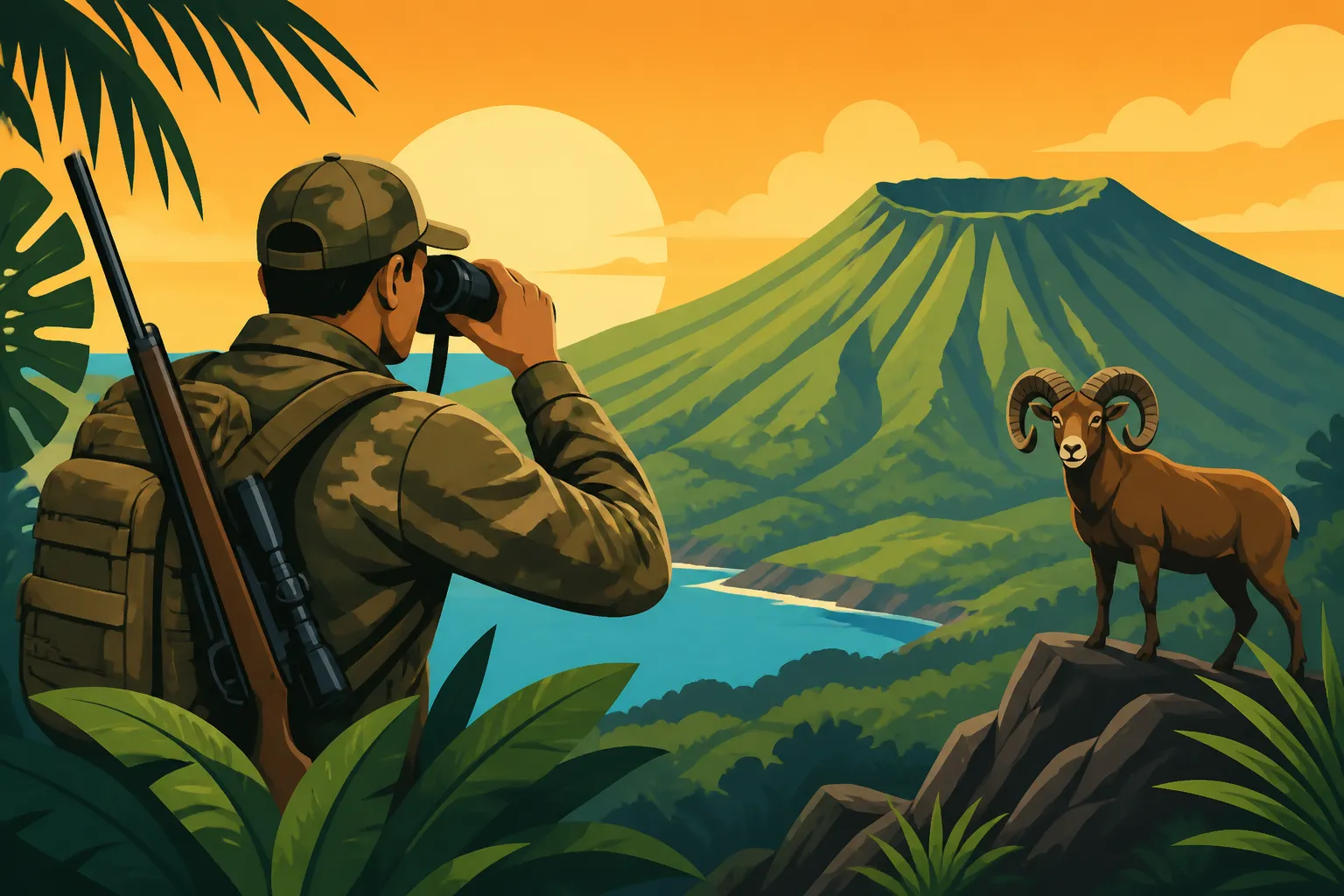
Hawaii Outfitters on the Big Island
Heading out for a hunt on Hawaii's Big Island can feel a bit overwhelming, especially if you're coming from the mainland or just starting to explore the incredible opportunities here. The unique terrain, rapidly changing weather, and specific local regulations mean it's not always as straightforward as you might hope. This guide is all about helping you understand why working with a Big Island outfitter can make all the difference, detailing the types of hunts available, what to look for in a good guide, and how to prepare for an unforgettable adventure.
The Big Island Hunting Landscape: Why a Guide Makes Sense
Hunting on the Big Island isn't like hunting in most other places. It's a land of extremes, from active volcanoes to lush rainforests, arid plains to alpine deserts. This incredible diversity is what makes it so special, but it also presents a myriad of challenges that can quickly turn an exciting trip into a frustrating one without the right knowledge. That's where a local outfitter truly shines, offering an invaluable shortcut to success and safety.
Navigating Diverse Terrain and Microclimates
Imagine starting your day in a cool, misty upland forest, only to find yourself sweating in a dry, thorny kiawe flat by afternoon. Or perhaps you're glassing a vast lava flow, where footing is treacherous and shade is non-existent. The Big Island is a patchwork of microclimates, and animals move between them depending on food, water, and pressure. One moment you're traversing steep, muddy gulches, the next you're walking across sharp, uneven a'a lava. Hunting Hawaii's Volcanic Terrain is an experience unlike any other.
A good outfitter doesn't just know where the animals are; they understand why they're there. They know how the trade winds shift in certain valleys, which ancient trails animals use to move between feeding grounds, and where the hidden water sources are in dry times. This isn't knowledge you can get from a map app alone. It's built on years of experience, hours spent scouting, and a deep, intimate relationship with the land itself. They can guide you through dense guava thickets, over razor-sharp lava, and up steep inclines, always prioritizing your safety and increasing your chances of finding game. Without this local expertise, many hunters find themselves lost, exhausted, and unsuccessful, having underestimated the sheer physicality and navigational complexity of the Big Island.
Understanding Local Regulations and Access
Hawaii's hunting regulations can be a bit of a maze, even for residents. Public hunting areas are managed by the Department of Land and Natural Resources (DLNR) Division of Forestry and Wildlife (DOFAW), and they come with specific seasons, bag limits, and access rules that can change frequently. Some units are weekend-only, others require special permits or keys, and many have complex check-in/check-out procedures. Beyond public lands, much of the best hunting is on private ranches, which often require special permission or guided access.
An outfitter acts as your personal expert on all these details. They'll ensure you have the correct Hawaii Hunting Licenses and What They Cost and understand Hawaii's Permit-Tag System Works for your chosen species. For many of the Big Island's premier mouflon sheep hunts, for example, guides often operate on large private ranches with exclusive access, avoiding the lottery systems and competition often found on public lands. They're up-to-date on any last-minute season changes or unit closures that DOFAW might announce, which is invaluable for planning a trip. They handle the permits, access fees, and all the bureaucratic hurdles, so you can focus on the hunt itself, rather than getting tangled up in paperwork or inadvertently trespassing.
Maximizing Limited Time in Paradise
Let's be real: most folks coming to Hawaii for a hunt are also on a vacation, perhaps with family, and time is precious. You don't want to spend half your trip scouting unfamiliar territory, getting turned around, or chasing ghosts. A guided hunt dramatically cuts down on the learning curve and maximizes your actual hunting time. Instead of guessing, you're following someone who knows exactly where to go and how to get there.
Outfitters have often done the legwork beforehand, knowing where the animals have been seen recently, what their patterns are, and what the current conditions dictate. This pre-scouting and real-time knowledge translates directly into higher success rates and a more enjoyable experience. They'll pick you up, drive you to the hunting grounds, and put you in the best position for a shot, allowing you to focus on the thrill of the chase rather than the logistics. This is particularly beneficial for species like mouflon, where hunting often involves long stalks at high elevations, or for feral pigs, which can be elusive in dense cover. For non-residents, platforms like BookYourHunt or GoHunt can be great starting points to find reputable outfitters who understand the unique needs of traveling hunters, helping you connect with guides who can make the most of your valuable time on the island.
Common Big Island Guided Hunts and Their Quarry
The Big Island is a hunter's dream, offering a variety of challenging and rewarding game species. While Axis deer are found on Maui, Molokai, and Lanai, the Big Island is primarily known for its wild sheep, goats, and pigs. Each offers a distinct hunting experience, often in vastly different parts of the island, and a good outfitter specializes in matching you with the perfect adventure.
Mouflon Sheep Hunts: The High-Altitude Challenge
If you're looking for a truly unique big game experience, Mouflon Sheep Hunting on Hawaii Island is it. These incredible animals, known for their impressive curling horns, live on the high slopes of Mauna Kea and Mauna Loa. Hunting them often means ascending to elevations where the air is thin, the terrain is rugged, and the weather can change from sunny to blizzard-like in minutes. This is not a hunt for the faint of heart, or for the unprepared.
Outfitters specializing in mouflon understand the demands of this alpine environment. They have the vehicles to get you to remote trailheads, the knowledge to navigate the vast lava fields and mamane forests, and the experience to spot sheep camouflaged against the volcanic rock. Many of these hunts take place on large private ranches adjacent to public lands, offering prime habitat and often larger, older rams. Guides will typically employ spot-and-stalk tactics, which require patience, keen eyesight, and the ability to make a precise shot at distance after a strenuous climb. It's a physically demanding hunt, but the reward of a Big Island mouflon ram is unparalleled.
Feral Pig Hunts: Thrills in the Thick Stuff
Hunting Hawaii's Feral Pigs offers a completely different kind of challenge. These tenacious animals inhabit the dense, wet rainforests and drier, scrubbier areas across the Big Island. They're smart, tough, and often elusive, making for an exciting hunt that can range from still-hunting through thick jungle to high-energy dog hunts. Pigs are a year-round quarry on the Big Island, and they play a significant role in the island's ecosystem, often causing considerable damage to native forests and agriculture.
Big Island outfitters often specialize in different methods for pigs. Some prefer still-hunting, patiently tracking fresh sign through dense undergrowth, aiming for a quick, ethical shot when an opportunity arises. Others offer the quintessential "dog and knife" hunt, an adrenaline-fueled experience where trained dogs locate, bay, and hold a pig until the hunter can move in for a dispatch with a knife or spear. These hunts demand physical fitness, quick reflexes, and a willingness to get dirty, as you'll be navigating incredibly thick vegetation, often off-trail. Guides provide the trained dogs, safety protocols, and the know-how to navigate the often-impenetrable cover where pigs thrive.
Feral Goat Hunts: Coastal Cliffs and Deep Canyons
While not as prominent on the Big Island as they are on some other islands, Hunting Hawaii's Feral Goats can still be a thrilling pursuit, particularly in the drier, more rugged coastal or canyon areas. These agile creatures are masters of vertical terrain, often found clinging to impossibly steep cliffs and navigating treacherous rock faces. A goat hunt is less about antlers and more about the challenging stalk and the incredible scenery.
When pursuing feral goats on the Big Island, outfitters typically focus on areas with dramatic elevation changes, like deep gulches or dry, rocky slopes. These hunts require excellent physical condition, a steady hand, and often involve long-range shooting. Guides are crucial for safety in these environments, knowing the stable routes, identifying potential hazards, and helping you retrieve your animal from difficult spots. Like pigs, goats are considered an invasive species and can be hunted year-round in many areas, providing another exciting opportunity for hunters visiting the Big Island.
What to Look for in a Big Island Outfitter
Choosing the right outfitter is perhaps the most critical decision you'll make for your Big Island hunt. It can be the difference between a once-in-a-lifetime adventure and a disappointing, even unsafe, experience. With many options out there, knowing what questions to ask and what qualities to prioritize is essential.
Experience, Reputation, and Local Knowledge
First and foremost, you want an outfitter with deep roots on the Big Island. Look for guides who have been operating for many years, ideally generations, as their knowledge of the land, animal patterns, and local nuances will be unparalleled. These guides often have access to private lands through long-standing relationships with ranchers, giving you opportunities unavailable to the general public. Don't be shy about asking how long they've been guiding on the Big Island specifically, and what their personal connection to the land is.
Reputation is key. Check online reviews, but also ask for references from past clients. A reputable outfitter will be happy to provide contact information for hunters they've guided. Speak to these references about their overall experience, the guide's professionalism, safety practices, and their success rate. Did the guide communicate well? Were they prepared for unexpected situations? Were the animals healthy and the hunt ethical? You'll often find discussions on hunting forums or through booking platforms like BookYourHunt that can give you a good sense of an outfitter's standing in the community. Remember, a guide is not just putting you on an animal; they're also your ambassador to the local hunting culture and environment.
Services Included: From Permits to Packing
Before booking, get a clear, itemized understanding of what your guided hunt package includes. This prevents surprises down the road. Most reputable Big Island outfitters will include:
- Guide Services: One-on-one or small group guidance for the duration of the hunt.
- Transportation: From a pre-determined meeting point to the hunting area, and often return to the meeting point. This can involve specialized 4×4 vehicles for rugged terrain.
- Permit & Access Fees: While you'll still need to purchase your Hawaii Resident Hunting License Options or Hawaii Nonresident Hunting License Options and any required tags (like for mouflon on public land draws), the outfitter should handle any necessary private land access fees or additional permits specific to their operations.
- Field Dressing & Packing: Once an animal is down, the outfitter will handle the field dressing and getting the animal out of the field, often a significant task in Hawaii's tough terrain. Packing Meat Out of a Hawaii Gulch is a skill in itself.
- Basic Meat Care: Initial cooling and transport to a processor or cooler.
- Weapon Rental: Many mainland hunters prefer not to fly with their firearms. Ask if the outfitter offers a suitable rifle, ammunition, and perhaps even a brief sighting-in session.
What's often not included:
- Your personal hunting license and tags (you buy these directly).
- Meat processing or taxidermy fees.
- Shipping of meat or trophies back home.
- Accommodations or meals (unless specifically negotiated as part of a multi-day package).
- Tips for your guide.
- Personal gear and clothing.
Clarifying these details upfront helps you budget accurately and ensures there are no misunderstandings once you're on the ground.
Vetting an Outfitter: Questions to Ask and Red Flags
When you're talking to potential outfitters, ask specific questions to gauge their professionalism and suitability for your hunt. Don't feel pressured to book immediately.
Essential Questions:
- What is your typical success rate for the species I'm interested in, and what factors influence it?
- Can you describe a typical day on this hunt?
- What kind of physical shape do I need to be in for this hunt?
- What Hawaii's Legal Weapons by Season do you recommend, and do you offer rentals?
- What is your policy if an animal is wounded and not recovered?
- What safety precautions do you take, especially in difficult terrain or with dog hunts?
- What happens if weather or unforeseen circumstances cancel or delay the hunt?
- What is your payment schedule, and what is your cancellation/refund policy?
- Can you provide references from recent clients?
Red Flags to Watch For:
- Vague Answers: If an outfitter is evasive about success rates, what's included, or their experience, proceed with caution.
- No References: Any outfitter unwilling to provide references should raise a red flag.
- Unrealistic Guarantees: No ethical outfitter can guarantee a kill. Hunting is hunting, and animal behavior and luck play a part. They can guarantee effort and opportunity, but not the outcome.
- Poor Communication: If it's hard to get a hold of them, or they take an excessively long time to respond, imagine how that will be when you're actually on the island.
- Cash-Only Demands: While some small operations might prefer cash, be wary of anyone pushing exclusively for cash payment without clear receipts or a formal booking process.
- Asking You to Break Rules: An ethical outfitter will strictly adhere to all Hawaii Game Mammal Seasons and other hunting regulations. Anyone suggesting otherwise is a serious red flag.
Tools like BookYourHunt and GoHunt often pre-vet outfitters, offering some peace of mind, but always do your own due diligence.
Costs and Value: Making Sense of Big Island Guided Hunt Pricing
Let's talk money. Hunting Hawaii, especially with a guide, isn't typically a budget vacation. But understanding what drives the costs, what you're actually paying for, and the immense value a good outfitter brings can help you frame your investment wisely.
Understanding Day Rates and Package Deals
Big Island outfitters generally structure their pricing in two main ways: day rates or package deals.
- Day Rates: This is a set fee per day for the guide's services, often for a single hunter or a small group. It typically covers the guiding, transportation to the hunting area, and field dressing. You pay for the days you hunt, regardless of success. This can be appealing for experienced hunters who might want more flexibility or for those targeting specific species on shorter trips. For instance, a one-day pig hunt might be a simple day rate.
- Package Deals: These are more comprehensive, often covering multiple days of hunting, potentially including a specific number of animals (e.g., one mouflon ram), and sometimes even accommodations, meals, or airport transfers. Packages can be more economical for multi-day hunts or for those who prefer an all-inclusive experience. For instance, a 3-day mouflon hunt package might combine guiding, lodging, and a guaranteed opportunity at a ram.
Prices can vary significantly based on the species, the duration of the hunt, the exclusivity of the land (private versus public), and the outfitter's reputation and services. Mouflon hunts, especially for trophy rams on private land, tend to be the most expensive due to the logistics, expertise, and specific access required. Pig and goat hunts can be more accessible, though dog hunts often command a higher price due to the specialized equipment and trained animals involved. Always ask for a detailed breakdown of costs for both options if available.
What's Typically Included (and What's Not)
As mentioned earlier, a detailed understanding of inclusions and exclusions is vital for budgeting.
Typically Included:
- Professional guide service (often 1:1 or 2:1 hunter-to-guide ratio).
- Transportation to and from the hunting area.
- Field preparation of the animal (field dressing, basic cooling).
- Use of the outfitter's firearms (if you don't bring your own).
- Access fees for private land or special permits.
Often Not Included (Budget for these!):
- Flights to and from Hawaii: This is a significant cost for mainland hunters.
- Accommodations: Unless part of an explicit package.
- Meals: Pack your own snacks and water, and plan for meals before/after the hunt.
- Hawaii Hunting License & Tags: You must buy these yourself. Look into Hawaii's Permit-Tag System Works for requirements.
- Meat Processing & Shipping: Expect to pay separately for a butcher to process your meat and for any shipping costs if you want to take it home.
- Taxidermy: If you plan on a mount, this is an additional expense.
- Gratuities for Guides: Tipping is customary in the guiding industry and a great way to show appreciation for hard work. A general guideline is around 15-20% of the hunt cost, adjusted based on your experience.
- Personal Gear: Clothing, boots suitable for Hawaii's terrain, rain gear, etc.
Always confirm these details with your chosen outfitter. A transparent outfitter will provide a clear contract outlining all costs.
The Return on Investment: Beyond Just the Kill
When you invest in a guided hunt on the Big Island, you're paying for much more than just the chance to harvest an animal. You're buying:
- Expertise and Safety: The guide's unparalleled knowledge of the land, animal behavior, and safe hunting practices minimizes risks and maximizes your chances of success.
- Time Efficiency: For busy individuals, a guided hunt streamlines the entire process, eliminating wasted time on scouting or navigating. You show up and hunt.
- Access: Many prime hunting areas, especially for trophy mouflon, are on private lands accessible only through outfitters.
- Equipment and Logistics: You benefit from their specialized vehicles, trained dogs (for pig hunts), and knowledge of meat care in Hawaii's challenging climate. Field Care in Hawaii's Heat and Humidity is critical.
- Cultural Immersion: A good local guide often shares insights into Hawaiian culture, the history of hunting in the islands, and the importance of conservation, enriching your overall experience.
- Memories: The stories, the challenges, and the breathtaking scenery will last a lifetime, regardless of whether you fill your tag.
For many hunters, especially those visiting from afar, the investment in a Big Island outfitter is a worthwhile one, transforming a potentially confusing and difficult venture into a seamless, educational, and ultimately, deeply rewarding adventure.
Preparing for Your Big Island Guided Adventure
Once you've booked your hunt and chosen your outfitter, the real excitement of preparation begins! Hawaii presents some unique challenges, so thoughtful planning is crucial to ensure you're ready for whatever the island throws at you.
Physical Conditioning and Gear Essentials
Hawaii hunting, especially on the Big Island, is often physically demanding. Whether you're stalking mouflon at high altitude, pushing through dense rainforest for pigs, or traversing steep coastal cliffs for goats, you'll be covering rugged, uneven, and often slippery terrain. Don't underestimate the impact of humidity and heat, or the thin air at higher elevations. Start a fitness regimen well in advance focusing on cardio, leg strength, and endurance. Hiking with a pack on varied terrain is excellent preparation.
Your gear choices are equally important:
- Footwear: This is paramount. Invest in high-quality, broken-in waterproof hiking boots with excellent ankle support and aggressive traction. Lava rock will chew up lesser boots, and muddy gulches will test their grip. Consider gaiters to keep out debris.
- Clothing: Layering is key due to rapidly changing microclimates. Lightweight, breathable, moisture-wicking materials are essential. Bring good rain gear – a lightweight, waterproof, and breathable jacket and pants are non-negotiable, especially for windward side pig hunts. Camouflage patterns that blend with greens and browns are generally effective.
- Pack: A comfortable daypack is needed for water, snacks, extra layers, first-aid, and any personal gear.
- Hydration: Bring a hydration bladder or multiple water bottles. You will drink more water than you expect in Hawaii's climate. Your outfitter will advise on water availability during the hunt.
- Sun Protection: Hat, sunglasses, and high-SPF sunscreen are vital, especially when glassing open country or at high altitude where UV radiation is intense.
- First-Aid: A personal kit with blister treatment, pain relievers, and any personal medications is a must.
Your outfitter will provide a detailed packing list, but these are solid starting points. Don't skimp on quality for essential items; your comfort and safety depend on it.
Firearm and License Logistics for Mainland Hunters
For non-resident hunters, navigating the rules around firearms and licenses can seem daunting, but it's manageable with proper planning.
- Firearms: If you plan to bring your own rifle, be aware of strict airline regulations for Flying to Hawaii With Firearms. You'll need a hard-sided, locked case, and ammunition must be stored separately. Upon arrival, you are required to register your firearm with the Honolulu Police Department (even if you're flying directly to the Big Island, HPD handles statewide registration). It's a quick process, but make sure you have all necessary documentation. Alternatively, as discussed, most Big Island outfitters offer rifle rentals, which simplifies travel immensely.
- Hunting License & Permits: You will need a valid Hawaii hunting license. For non-residents, you'll also need a Getting a Letter of Exemption as a Nonresident if you completed hunter education outside of Hawaii. Purchase your license and any necessary tags (like for mouflon drawn hunts, if you're lucky enough to draw one) well in advance through the GoHunt Hawaii portal or directly from a local vendor. Your outfitter can advise on the specifics for your particular hunt, but it's your responsibility to hold the proper credentials. Be sure to carry your license and tag with you at all times during the hunt.
- Hunter Education: Ensure you meet Hawaii's Hawaii Hunter Education Requirements. If you've completed hunter education in another state or country, obtain proof, which is usually a card or certificate.
Respecting the Land and Local Culture
Hunting in Hawaii is not just a recreational activity; it's deeply intertwined with the islands' ecological balance and cultural heritage. The animals you'll pursue are non-native, introduced species that have a significant impact on Hawaii's unique and fragile native ecosystems. Hunters play a crucial role in controlling their populations to protect endangered plants and animals.
- Practice Ethics: Always uphold the highest ethical standards. Ensure clean, quick kills. Respect bag limits and season dates. Your outfitter will reinforce these principles, but it starts with you.
- Leave No Trace: Pack out everything you pack in. Do not leave trash, spent casings, or any other debris. Hawaii's natural beauty is precious.
- Respect Private Property: If hunting near private lands, be absolutely sure of your boundaries. Your guide will ensure this, but always be aware.
- Understand the "Aloha Spirit": Engage with locals respectfully. Be friendly, open, and appreciative of the opportunity to experience hunting in this unique place. Many local hunters have deep cultural ties to the land and the practice of hunting. Learning about these perspectives can greatly enhance your trip.
- Conservation Mindset: Understand that feral pigs, goats, and sheep are managed aggressively in Hawaii because they destroy native forests and watershed areas. Your hunt directly contributes to conservation efforts.
By preparing thoroughly, respecting the land and its people, and embracing the adventure, your guided hunt on the Big Island will be a truly unforgettable experience.
Beyond the Hunt: What to Expect Post-Harvest
So, you've had a successful hunt on the Big Island! Congratulations! But the experience isn't over yet. There are still important steps to manage your harvest, from field care to getting your meat and trophies home. Understanding these logistics beforehand will save you a lot of stress and ensure your hard-earned prize is properly preserved.
Field Care and Initial Processing
The moment an animal is down, especially in Hawaii's warm climate, the clock starts ticking for proper field care. Your outfitter will immediately begin the process of field dressing your animal. This involves gutting the animal promptly to cool the carcass rapidly, which is critical to prevent spoilage. Field Dressing Axis Deer in Hawaii Heat is a relevant skill, even if you're primarily after other species, as the principles of rapid cooling apply across the board.
For mouflon sheep, pigs, and goats, skinning might begin in the field if conditions allow, especially if you plan for a cape and European skull mount. The outfitter will then focus on getting the meat packed out of the hunting area. This can be a strenuous task, often requiring specialized equipment and manpower, particularly if the animal is taken in a deep gulch or remote area. Once out of the field, the carcass will be transported to a cooler. Many outfitters have their own walk-in coolers or arrangements with local facilities to hang the meat while you decide on further processing. It’s a good idea to discuss this stage with your outfitter well in advance so you know what their procedures are and what options you have for the meat.
Meat Processing and Shipping Your Harvest Home
Unless your outfitter offers in-house processing (which is rare), you'll need to arrange for a local butcher or processor. Your outfitter will typically have recommendations for reputable facilities on the Big Island. Be prepared for processing fees, which will vary based on the animal size and how you want the meat cut and packaged.
If you plan to take your meat home, shipping is a major consideration. You generally have two options:
- Checked Luggage (Frozen): If processed, frozen, and properly packaged (often in a dedicated cooler-style travel box), smaller quantities of meat can sometimes be checked as luggage on your flight. Airlines have specific rules regarding weight, packaging, and dry ice, so check with your carrier well in advance. Keep in mind, inter-island flights also have baggage limitations.
- Specialized Shipping: For larger quantities or more complex logistics, you might need to use a specialized frozen shipping service. These services are equipped to handle perishable goods and can ship your meat directly to your home. This is usually the more expensive option but offers greater peace of mind for valuable meat.
It's crucial to understand Hawaii's agricultural regulations for transporting animal products off-island. Generally, thoroughly processed and packaged meat is fine, but raw, unprocessed parts (especially heads with hair/hide) may face stricter scrutiny or require specific permits to prevent the spread of invasive species or disease. Always confirm these regulations before you travel.
Handling Trophies: Mounts and Skull Cleaning
If you've harvested a trophy animal, such as a nice mouflon ram or a pig with impressive tusks, you'll need to decide how to preserve it.
- Capes (for Shoulder Mounts): If you desire a shoulder mount, the outfitter will "cape out" the animal, removing the skin with enough hide for the taxidermist. This cape must then be properly preserved (salted or frozen) and shipped to your chosen taxidermist, either locally or on the mainland.
- European Mounts (Skull Mounts): For a European mount, the skull needs to be cleaned and whitened. Your outfitter might offer basic skull cleaning (boiling or pressure washing) to remove flesh, or they can direct you to a local service that specializes in this. Once cleaned, the skull can be shipped or checked as luggage (again, check airline rules).
- Shipping Trophies: Shipping hides and skulls across state lines or internationally involves customs and agricultural inspections. It's often best to work with a taxidermist or a specialized shipping agent who understands these regulations to ensure your trophy arrives safely and legally. Be prepared for separate shipping costs for your trophy.
Your outfitter should be a valuable resource for recommendations on local meat processors and taxidermists, and they can provide guidance on the logistics of getting your harvest ready for its journey home. Don't hesitate to ask them for their advice, as they've helped many hunters before you navigate these final, but important, steps.
Disclaimer
This article is for general informational purposes only and does not constitute professional advice. Laws, prices and regulations vary by location and change over time. Consult a qualified professional for guidance on your specific situation.