Molokai’s Public Hunting Areas
Molokai, often called the "Friendly Isle," offers a hunting experience unlike any other in Hawaii, but navigating its public hunting areas can feel a bit like trying to read a treasure map written in code. Many hunters dream of pursuing its famous big-bodied axis deer or challenging feral pigs, only to find the information sparse, scattered, and sometimes contradictory. This comprehensive guide aims to cut through that confusion, giving you a clear, realistic picture of Molokai's public hunting landscape and how to successfully plan your adventure.
Understanding Molokai's Unique Hunting Landscape
Molokai is a special place, one that holds onto its traditions and natural beauty fiercely. For hunters, this translates to a landscape that is both incredibly rewarding and undeniably challenging. Unlike some of the other major islands, Molokai's public hunting opportunities are more concentrated and often demand a higher level of preparedness and self-reliance. It's not a place for the faint of heart, but for those willing to put in the effort, the rewards can be truly unforgettable.
The Allure and Challenge of Molokai's Public Hunting
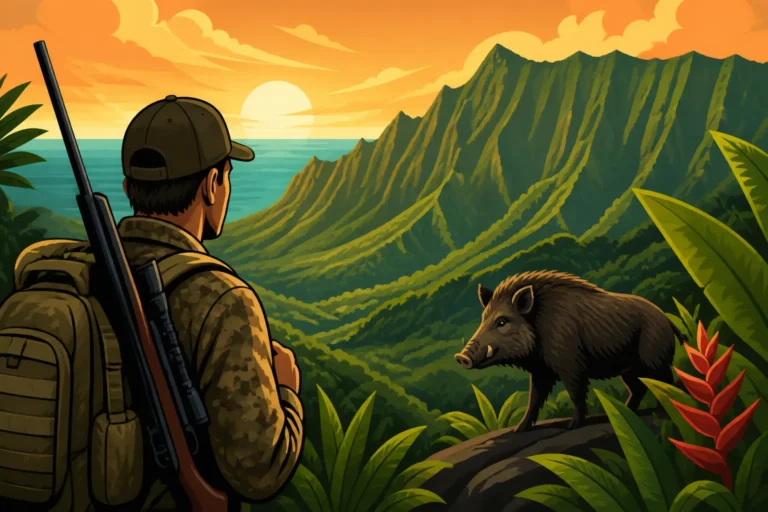
The draw of Molokai is undeniable. Imagine glassing a distant ridge, the morning sun painting the landscape in hues of gold, and spotting a magnificent axis buck, its antlers catching the light. Or perhaps you're deep in a thick gulch, following the fresh tracks of a large boar. This isn't just a hunt; it's an immersion into a unique ecosystem. However, this allure comes with its own set of challenges. Public access can be limited and often involves navigating rugged, overgrown terrain. You won't find sprawling network of easy-to-access roads here. Much of the prime hunting ground requires significant foot travel, often through dense kiawe forests, steep gulches, or thick guinea grass. Hunting Molokai's Big-Bodied Axis Bucks requires a deep understanding of this terrain.
The relative remoteness of Molokai also means that resources can be scarcer than on Maui or Oahu. There aren't as many outfitters, and local knowledge becomes even more critical. You'll need to be prepared for self-sufficiency, from packing in all your water to having a solid plan for game retrieval, especially with Molokai's heat and humidity. This isn't a place where you can just show up and expect everything to fall into place; it demands meticulous planning and respect for the island's unique character and conservation efforts.
Key Game Species on Molokai's Public Lands
When you're planning a hunt on Molokai's public land, you're primarily going after two main game species: axis deer and feral pigs. Both offer distinct hunting experiences and contribute significantly to the island's ecosystem as introduced species. Understanding their habits, preferred habitats, and movement patterns is crucial for a successful hunt.
Axis deer are arguably the most sought-after game animal on Molokai. They are known for their impressive antlers and delicious venison. On Molokai, these deer tend to be larger-bodied than those found on some other islands, which only adds to their appeal. They typically inhabit the drier, leeward sides of the island, often found in kiawe flats, open pastures, and along the edges of dry forest. Their keen senses and often skittish nature make them a challenging quarry, requiring patient spot-and-stalk tactics. Hunters often focus on areas with access to water sources, especially during dry periods, as these become natural congregation points.
Feral pigs are another abundant species, offering a completely different kind of challenge. These intelligent and resilient animals can be found across a wider range of habitats, from the dense, wet forests on the windward side to the drier gulches and thickets further west. Pig hunting often involves tracking, still-hunting through dense cover, or the exhilarating dog-and-knife method, which is deeply rooted in local hunting tradition. Pigs cause significant damage to native ecosystems, making their management a conservation priority, and hunters play a vital role in this. Be prepared for tough conditions if you're chasing pigs in Molokai's thick tangles; these hunts can be physically demanding and demand a high level of situational awareness.
Navigating Molokai's Primary Public Hunting Units
Molokai's public hunting opportunities are primarily concentrated in a few key units, each with its own characteristics, terrain, and challenges. It's essential to understand where these units are located, what kind of access they offer, and what species you're likely to encounter there. Don't just show up hoping to figure it out; detailed planning is paramount.
Unit 1: The General Archery and Rifle Zone
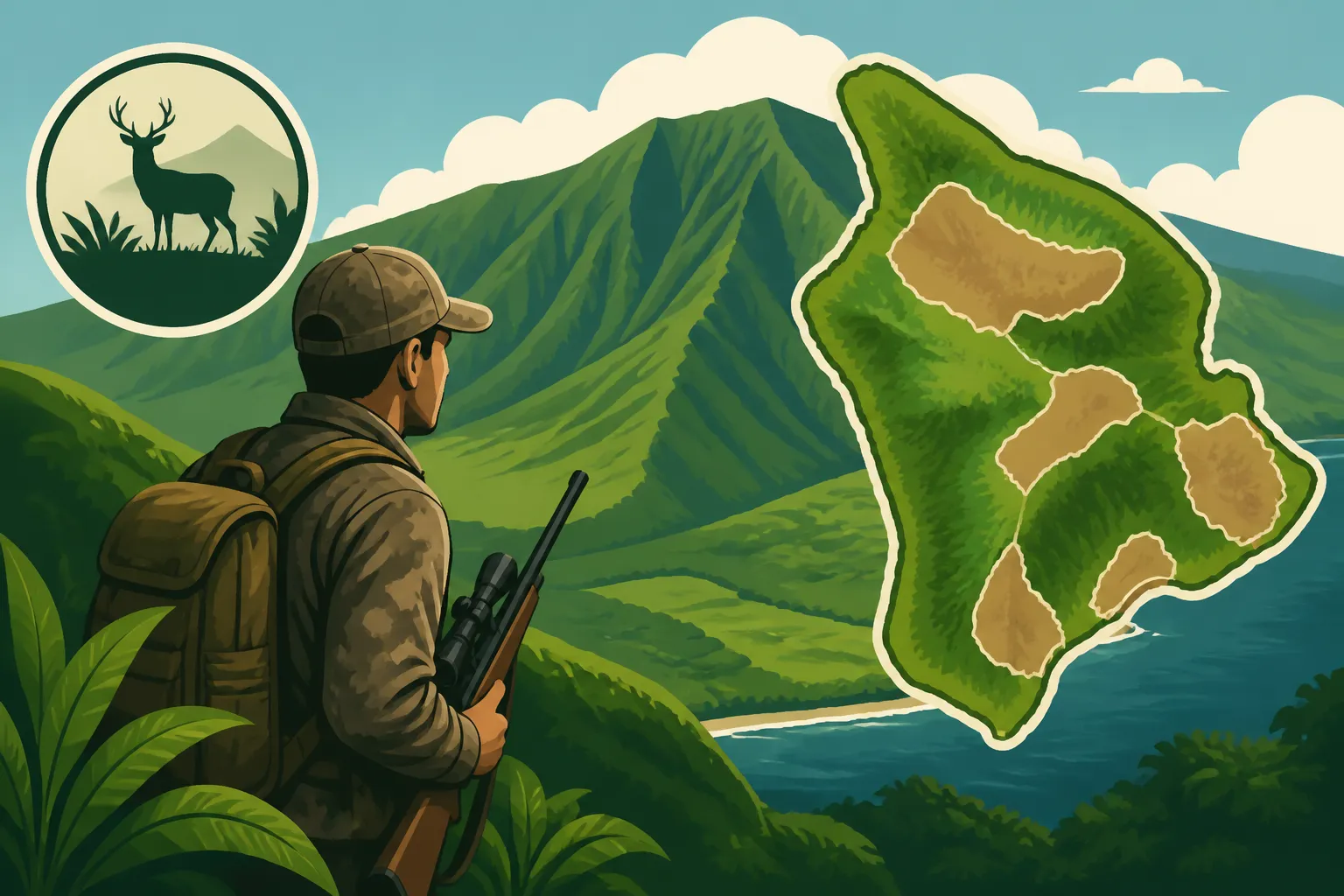
Molokai's Unit 1 is the most extensive public hunting area on the island, covering a significant portion of its western and central regions. This unit is often the primary focus for hunters seeking axis deer and feral pigs on public land. It offers both archery and rifle seasons, though specific dates and regulations can vary, so always double-check with the Hawaii Department of Land and Natural Resources (DLNR) Division of Forestry and Wildlife (DOFAW). Access to Unit 1 can be found off various main roads, but much of the deeper, more productive hunting grounds require walking in. Expect a mix of open, grassy areas, kiawe forest, and deep, brushy gulches that can hold game.
Successful hunting in Unit 1 often hinges on diligent scouting and covering a lot of ground on foot. The landscape can be deceptively open in places, making long-range glassing a critical skill, especially for spotting axis deer. Conversely, the thick kiawe can make stalking challenging, requiring careful attention to wind direction and silent movement. Many hunters find using a reliable mapping app, like onX Hunt, invaluable for navigating unit boundaries, identifying potential water sources, and marking game trails or bedding areas. Remember, game animals on Molokai are accustomed to human presence, but they are also incredibly wary, so patience and stealth are your best allies.
Designated Game Management Areas and Forest Reserves
Beyond the general Unit 1, Molokai also has specific Game Management Areas (GMAs) and portions of Forest Reserves that may offer additional or specialized hunting opportunities. These areas are established to manage wildlife populations and habitats, and often come with their own unique rules, seasons, and access restrictions. While the primary target species remain axis deer and feral pigs, the specific conditions within these managed areas can influence hunting strategies. For instance, some GMAs might have more intensive habitat management, potentially leading to higher concentrations of game or specific types of cover.
It's crucial to consult the official DOFAW regulations and maps for the most up-to-date information on these smaller, often more targeted hunting zones. They might require separate permits or have different check-in/check-out procedures. Sometimes, these areas are part of cooperative agreements with private landowners, so understanding the nuances of access is key. Always verify boundary lines carefully, as trespassing onto adjacent private property can lead to serious consequences. Being informed about these specific areas can unlock additional hunting opportunities and help diversify your Molokai hunting experience.
Molokai's Permit-Tag System and Regulatory Framework
Hunting in Hawaii is regulated by a comprehensive permit and tag system, and Molokai is no exception. Understanding these regulations is not just about staying legal; it's about ensuring sustainable hunting practices and respecting the resources. Ignoring the rules can lead to fines, loss of hunting privileges, and even confiscation of game, so pay close attention.
Obtaining Your License and Molokai Permit-Tags
Before you can even think about stepping into Molokai's hunting units, you need to secure the proper licenses and permits. First and foremost, every hunter must possess a valid Hawaii hunting license. This is a foundational requirement for both residents and non-residents. Once you have your hunting license, you'll need to acquire specific permit-tags for the game species you intend to hunt on Molokai. For axis deer, this typically involves a lottery draw system, especially for antlered animals, due to high demand and conservation efforts. Pig tags are generally over-the-counter, but rules can change. Molokai Permit-Tag Requirements are critical to research well in advance.
The process often involves applying online through the official Go Hunt Hawaii portal or by visiting a DOFAW office. Non-residents, in particular, need to start this process early, as there might be additional requirements such as proving prior hunter education or obtaining a letter of exemption. Missing a deadline for a drawn hunt can mean waiting another year. It's not just about paying a fee; it's about understanding the timing, the specific application periods, and how the lottery system works for highly desired tags like those for axis deer. Always keep physical copies of your license and tags on your person while hunting, as enforcement officers can request them at any time.
Understanding Seasons, Bag Limits, and Legal Weapons
Molokai's hunting seasons are not uniform; they vary by species, weapon type, and often by unit. For axis deer, there are typically archery seasons and rifle seasons, with specific dates that usually fall within certain months of the year. Feral pig seasons tend to be more liberal, often running year-round in many public areas, though specific rules for dog hunting or weapon types can apply. Bag limits are strictly enforced: for axis deer, it's often one antlered and one antlerless animal per tag, but this can change based on the specific hunt year and unit. For pigs, limits are usually more generous, sometimes allowing for multiple animals. Hawaii Game Mammal Seasons provides a broader context for these island-specific rules.
Weapon restrictions are also a crucial part of the regulatory framework. Archery season means only bows and arrows meeting minimum draw weight and broadhead requirements are allowed. Rifle seasons specify legal calibers and bullet types. Muzzleloader hunts have their own set of rules. Shotguns are typically permitted for game birds, but usually not for big game like deer or pigs on Molokai, unless specifically stated. Never assume a weapon legal on one island or for one species is legal for all. It's your responsibility to know and adhere to these rules. Information about specific dates, bag limits, and legal weapons is usually published annually by DOFAW and should be reviewed thoroughly before planning your hunt.
Practical Strategies for a Successful Molokai Hunt
Molokai's hunting isn't just about knowing the rules and where to go; it's very much about how you approach the hunt itself. The terrain, the climate, and the behavior of the game animals all demand specific strategies and gear. Being prepared physically and mentally can make all the difference between a frustrating trip and a successful one.
Essential Gear and Navigating Molokai's Terrain
Molokai's hunting terrain is rugged and unforgiving. Forget flat, open plains; think steep gulches, volcanic rock, dense tangles of kiawe and guinea grass, and often, high humidity. Your gear needs to be up to the task. High-quality, broken-in hiking boots with excellent ankle support are non-negotiable. Waterproofing is a bonus, especially if you venture into wetter areas or after a rain. Long pants and sleeves are crucial to protect against thorns, sharp grass, and insects. A sturdy backpack capable of carrying water, first-aid, food, and then some meat is essential. Consider a lightweight game bag for meat if you're successful. Packing Meat Out of a Hawaii Gulch is a real challenge here.
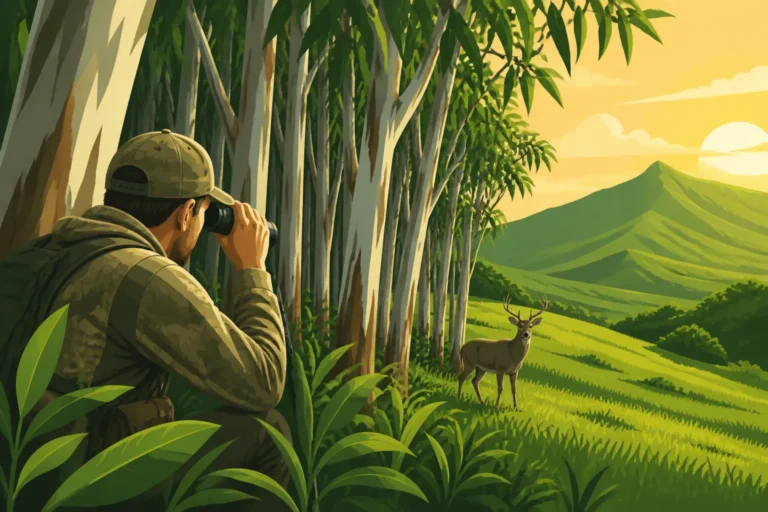
Navigation is another critical component. While paper maps are good backups, a reliable GPS device or a smartphone app like onX Hunt is highly recommended. Cell service can be spotty or non-existent in many hunting areas, so ensure your maps are downloaded for offline use. Familiarize yourself with the topo lines; what looks like a small rise on a map can be a very steep climb in person. Always carry more water than you think you'll need, especially on Molokai's dry leeward side. A good pair of binoculars or a spotting scope will be invaluable for glassing distant ridges for axis deer, saving you countless steps.
Scouting, Spotting, and Stalking Tactics
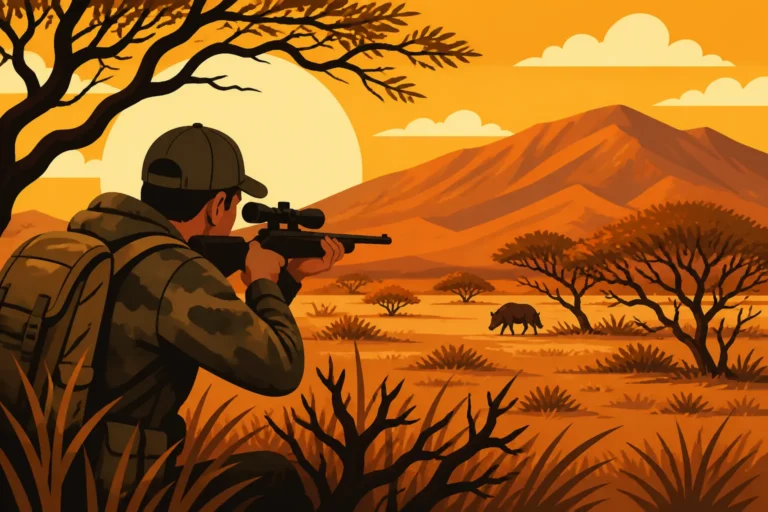
Molokai's axis deer, in particular, are incredibly wary, making spot-and-stalk one of the most effective hunting methods. This requires patience and skill. Start your day early, often before first light, to get into a vantage point where you can observe open areas as deer move from feeding to bedding grounds. Use your binoculars to systematically pick apart distant hillsides, kiawe flats, and gulch edges. Look for movement, distinct shapes, or even just the telltale flicker of an ear. Once you've spotted an animal, the real challenge begins: planning your stalk.
Wind direction is paramount in Hawaii, where thermals can swirl and shift unpredictably, especially in gulches and at dawn/dusk. Always approach downwind. Pay attention to cover, using terrain features and vegetation to conceal your movement. Move slowly, deliberately, and stop often to glass and listen. For pigs, still-hunting through dense cover can be productive, moving into the wind and paying close attention to fresh tracks, rubs, and rooting signs. Pigs often prefer the security of thick brush, so be prepared for close-quarters encounters. Understanding these animals' routines and preferred habitats will significantly increase your odds of success. Reading Axis Deer Sign in Dry Country and Reading Pig Sign Along a Muddy Trail are skills worth developing.
| Species | Typical Habitat | Primary Hunting Season Type | Molokai Specific Challenges |
|---|---|---|---|
| Axis Deer | Dry kiawe flats, open pastures, gulch edges | Archery/Rifle (drawn tags) | Wary animals, open country for spotting, thick kiawe for stalking, heat |
| Feral Pig | Wet forests, dense gulches, brushy thickets | Year-round (over-the-counter) | Extremely thick cover, strong sense of smell, tough animals, dense undergrowth |
Planning Your Molokai Hunting Adventure
A successful Molokai hunt isn't just about what happens in the field; it's also about the meticulous planning that goes into getting there, staying there, and ensuring a smooth experience from start to finish. Without proper logistical arrangements, even the most skilled hunter can face unexpected hurdles.
Logistics: Travel, Accommodation, and Local Support
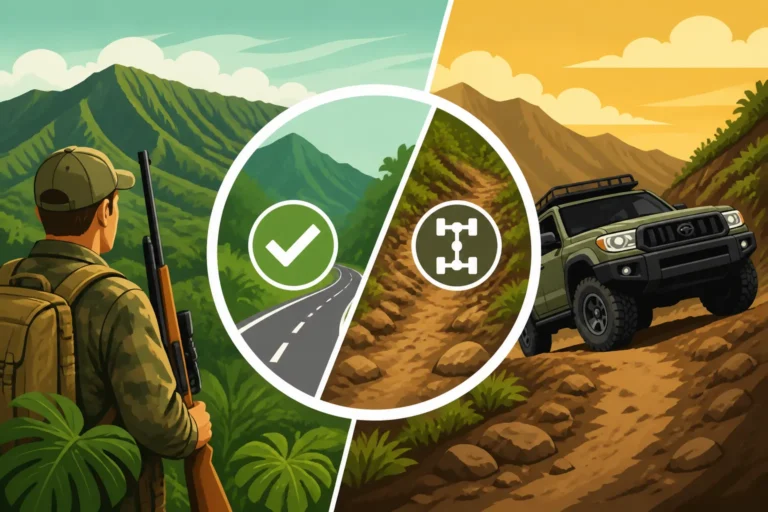
Getting to Molokai usually involves a short inter-island flight from Honolulu or Maui. Once you arrive, ground transportation is crucial. While there are some taxi services, having your own rental vehicle, preferably a 4×4 if you plan to access more rugged areas (always check rental agreement for off-road clauses), will give you the most flexibility. However, many public hunting units still require walking in from the nearest accessible road. Remember, Molokai is a small island with limited infrastructure compared to Oahu or Maui, so book rental cars and accommodations well in advance, especially during peak seasons.
Accommodation options range from small hotels and condos to vacation rentals. There are no expansive hunting lodges here; instead, you'll likely be staying in a town like Kaunakakai or a rental property closer to your hunting grounds. Groceries and supplies are available, but selection might be more limited and prices higher than on other islands, so consider bringing specialized items with you. For local support, connecting with Molokai residents who hunt can offer invaluable insights. Always approach with respect and a willingness to learn; local knowledge is a goldmine. Traveling to Hawaii for a Hunt covers general considerations, but Molokai adds its own layer of uniqueness.
Respecting the Land and Local Community
Hunting on Molokai is not just about pursuing game; it's about respecting the aina (land) and the local community. Molokai has a strong sense of cultural identity and traditional values, and visitors are expected to be mindful of this. Always practice mālama 'āina – care for the land. This means leaving no trace, packing out all your trash, and being extra diligent about preventing the spread of invasive species by cleaning your boots and gear before and after entering hunting units. Adhere strictly to all posted signs and closed areas, and never trespass on private property. Hawaii Trespass and Closed Area Rules are particularly important on an island with limited public access.
Beyond environmental considerations, also respect the people of Molokai. Be friendly, courteous, and humble. If you encounter local residents or other hunters, a simple "Aloha" and a respectful attitude go a long way. The hunting community on Molokai is relatively small and tight-knit, and showing proper etiquette will ensure a more positive experience for everyone. Remember, you are a guest on their island, and your actions reflect on all hunters. By being a responsible and respectful visitor, you contribute positively to the continuation of hunting opportunities for everyone.
Disclaimer
This article is for general informational purposes only and does not constitute professional advice. Laws, prices and regulations vary by location and change over time. Consult a qualified professional for guidance on your specific situation.