Hunting Kauai’s Puu Ka Pele Reserve
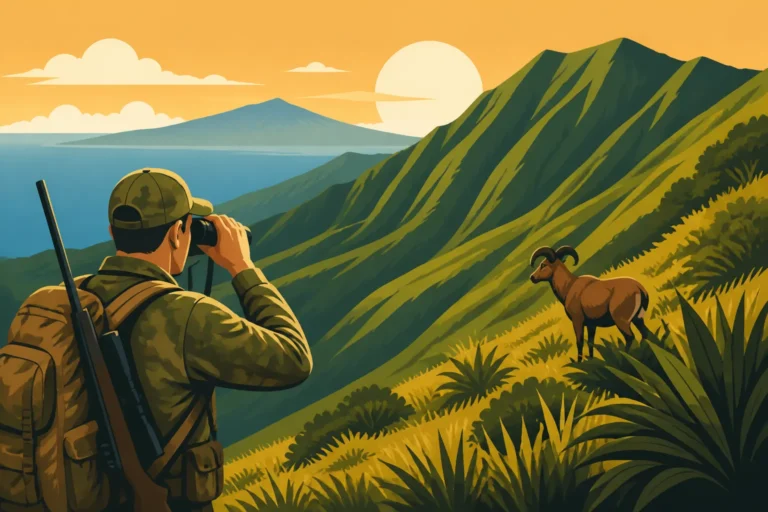
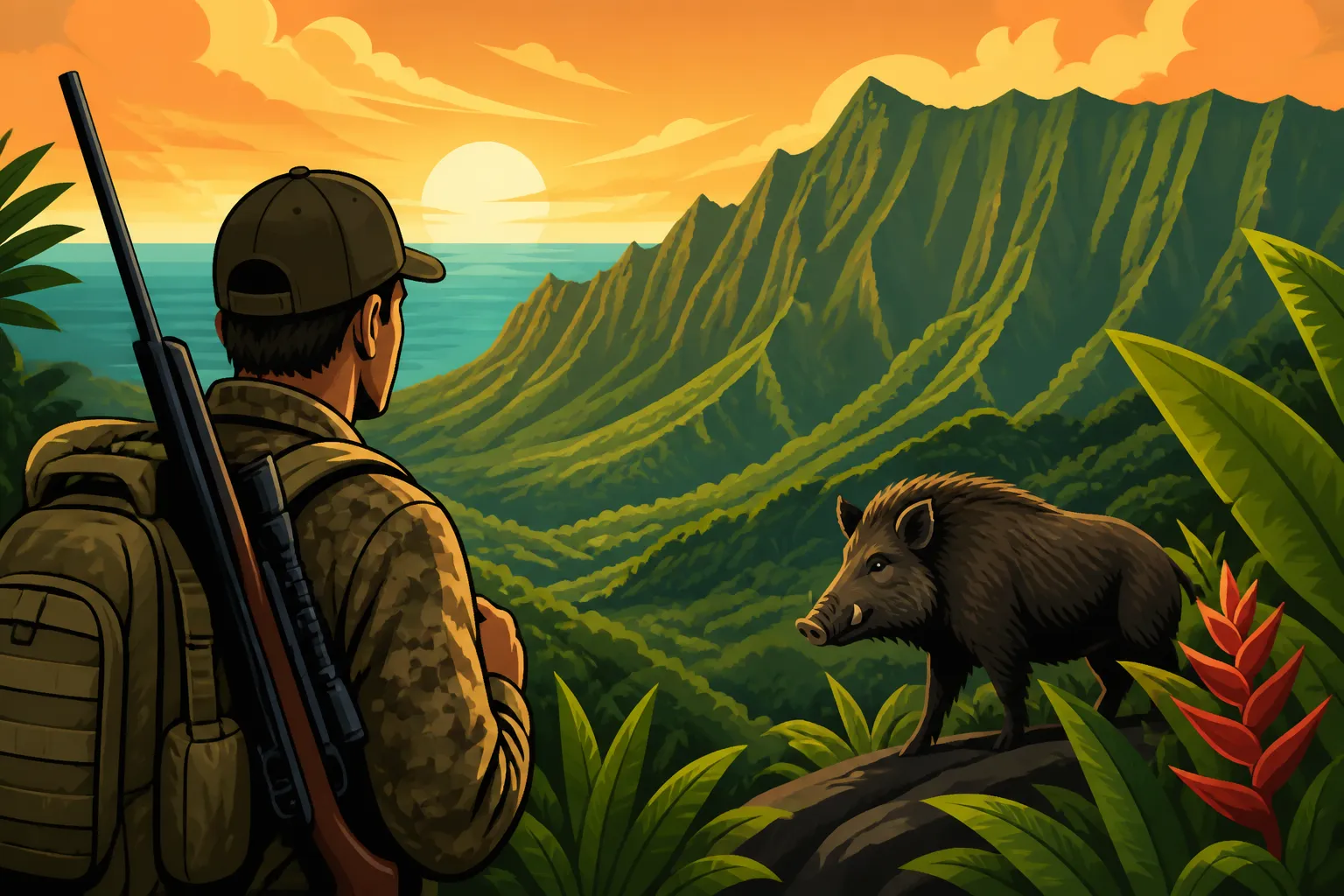
Hunting Kauai's Puu Ka Pele Reserve presents a unique challenge for those seeking black-tailed deer, pigs, and goats on the Garden Isle. This unit, while rich in opportunity, demands a specific approach to its diverse terrain and unique regulatory structure. This comprehensive guide will walk you through everything you need to know, from understanding the landscape and game animals to navigating permits and employing effective hunting strategies, ensuring you’re well-prepared for your Puu Ka Pele adventure.
Understanding the Puu Ka Pele Reserve Landscape and Game
Puu Ka Pele Reserve isn't just another patch of public land; it's a tapestry woven from dry forest, deep gulches, and volcanic soils, presenting a hunting experience distinct from other Hawaiian islands. To truly succeed here, you need to first understand the ground beneath your feet and the animals that call it home.
The Unique Terrain of Puu Ka Pele
The Puu Ka Pele Reserve is characterized by its dramatic shifts in elevation and vegetation. You'll find yourself traversing everything from dry, scrubby kiawe and invasive haole koa forests in lower elevations to more open grasslands and scattered ironwood trees higher up. The unit is deeply carved by numerous steep gulches and drainages, often lined with thicker, lusher vegetation, especially where water might persist longer. These topographical features aren't just scenic; they dictate how game animals move, feed, and hide. Navigating these steep, rocky gulches can be physically demanding, requiring good footing and careful planning, but they also offer natural travel corridors and bedding areas for game, making them prime spots for careful still-hunting. The proximity to the famous Waimea Canyon also influences the landscape, with certain areas mirroring the rugged, eroded features of the canyon country.
Because of this varied terrain, a hunt in Puu Ka Pele might involve hours of glassing open hillsides followed by intense, close-quarters tracking through dense thickets. It's a unit that rewards versatility and a good understanding of how to read the landscape. Remember that temperatures can vary greatly, from hot, exposed ridges to cooler, shaded gulch bottoms.
Game Animals You'll Find Here
The star attraction in Puu Ka Pele, for many hunters, is the black-tailed deer. These deer, unique to Kauai in the Hawaiian Islands, are a challenging quarry. They tend to be smaller than their mainland cousins but are incredibly wary and adapt well to the island's diverse cover. They utilize the various vegetation types for bedding, browsing, and cover, often moving between the drier, more open areas for feeding at dawn and dusk, and retreating into the denser gulches and thicker forest patches during the day. Understanding their daily patterns and preferred escape routes is crucial. Black-Tailed Deer Hunting in Hawaii provides a broader overview of hunting these elusive animals.
While deer are the primary draw, Puu Ka Pele also offers opportunities for feral pigs and goats. Feral pigs on Kauai, much like other islands, are incredibly smart and powerful. In Puu Ka Pele, they'll often stick to the thicker, wetter gulches and areas with reliable water sources, making them challenging to pinpoint. Hunting Hawaii's Feral Pigs can give you some general insights into their habits. Feral goats, too, can be found, often preferring the steeper, rockier sections and cliff edges within or adjacent to the reserve. They are agile and possess excellent eyesight, making a careful approach paramount. For those interested in pursuing goats, understanding Hunting Hawaii's Feral Goats is a must. While game birds are present on Kauai, Puu Ka Pele is not typically known as a prime game bird unit compared to others, but a keen eye might spot Francolin or Chukar in appropriate habitats.
Navigating Access and Regulations for Puu Ka Pele
Getting into and around Puu Ka Pele, and adhering to its specific rules, is paramount for a successful and legal hunt. Unlike some more remote units, Puu Ka Pele often has clearer access, but that doesn't mean it's without its complexities.
Entry Points and Road Conditions
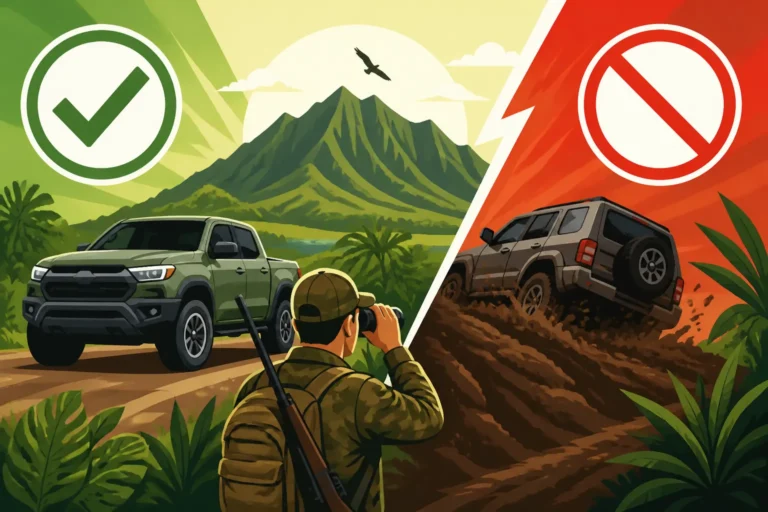
Access to Puu Ka Pele generally involves using a network of unpaved roads and tracks that weave through the area. Many of these roads require a four-wheel-drive vehicle, especially during or after periods of rain, as they can become muddy, rutted, and slick. It’s not uncommon to encounter washouts or overgrown sections that make travel difficult or even impossible without proper clearance and traction. Some of the main entry points might be off larger, well-maintained roads, but they quickly degrade into rougher terrain. Always check the current road conditions with the Division of Forestry and Wildlife (DOFAW) or local hunters before heading out, as conditions can change rapidly.
For navigating these access points and understanding land boundaries, tools like onX Hunt are invaluable. This mapping application can show you property lines, public land boundaries, and often a network of trails and roads that might not be on standard maps. It’s essential for ensuring you stay within the legal hunting unit boundaries and don't inadvertently trespass onto private property. Many hunters also choose to park and walk in, especially if they want to get away from road noise and other hunters. This often means long hikes up and down steep terrain, so physical preparedness is key. Reaching a Hawaii Unit by 4WD Road can provide broader context on vehicle access for Hawaiian units.
Essential Permits, Seasons, and Check-In Procedures
Hunting black-tailed deer in Puu Ka Pele Reserve, like other public units on Kauai, operates under a specific permit-tag system. This means you'll need to secure the necessary hunting license and then draw or purchase an additional permit-tag for the deer species. It's vital to check the current year's regulations on the GoHunt Hawaii portal or the official DOFAW website well in advance of your hunt, as seasons, bag limits, and draw odds can change. Kauai often features weekend-only hunting seasons for deer, which means that planning your trip around these specific dates is critical. Kauai's Weekend Hunt Calendar will detail when these opportunities arise.
Once you have your license and permit-tag, you'll need to follow the check-in and check-out procedures. This typically involves registering your entry into the hunting unit at a designated hunter check station or electronically via the OuterSpatial app. Using the OuterSpatial App to Check In has become increasingly common for convenience. These procedures are not just bureaucratic hurdles; they are crucial for DOFAW to manage hunter numbers, gather harvest data, and ensure safety. Forgetting to check out can lead to issues, so always make it a priority after your hunt, regardless of success. Familiarize yourself with Hawaii's Hunting Units and How They Work to grasp the overarching system. Remember, carrying your license and permit-tag with you at all times while in the field is a strict requirement. Always review Hawaii's Legal Weapons by Season to ensure your firearm or bow meets the unit's regulations.
Effective Hunting Strategies for Puu Ka Pele
Puu Ka Pele's unique environment calls for specialized tactics. Simply walking aimlessly won't cut it; you need to understand how the deer, pigs, and goats utilize this landscape and how to respond effectively.
Spot-and-Stalk Tactics in Varied Cover
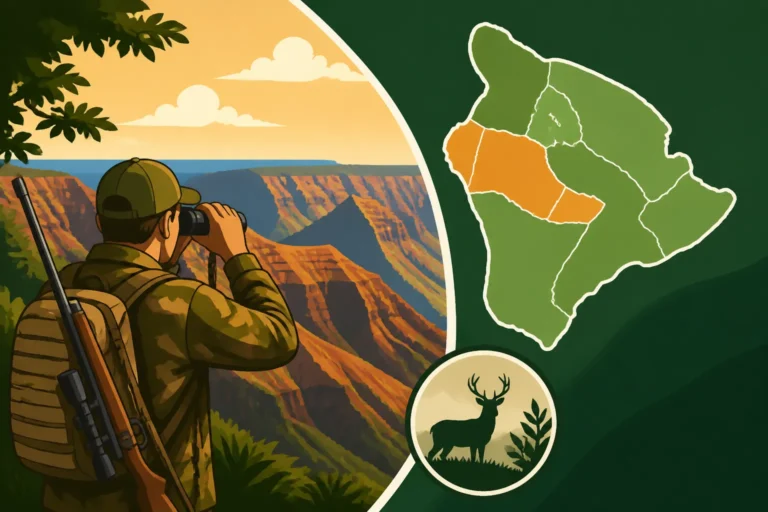
The varied terrain of Puu Ka Pele lends itself well to a combination of spot-and-stalk and still-hunting techniques. In the more open, drier ridges and slopes, especially during the early morning and late afternoon, extensive glassing is your best friend. Get to a high vantage point before first light and systematically scan all visible cover with good binoculars or a spotting scope. Pay close attention to shaded areas, edges where vegetation types change, and the mouths of gulches, as these are common spots for deer to emerge or bed down. Once you spot an animal, the challenge shifts to planning a quiet, undetected approach through the often-noisy dry leaves and rocky ground. Spot-and-Stalk Axis Deer in Hawaii offers general principles that can be adapted, even if it refers to axis deer.
For the denser gulches and thicker forest patches, a slow, methodical still-hunt becomes more effective. Move only a few steps at a time, then stop and carefully observe your surroundings for several minutes before moving again. Listen for subtle sounds – a rustling leaf, a breaking twig, the faint smell of pig. Pay attention to all the details in the landscape, looking for fresh tracks along game trails, disturbed vegetation from browsing, or fresh scat. Reading Axis Deer Sign in Dry Country outlines how to interpret animal sign, which is largely transferable to black-tailed deer and other game. Understanding the wind direction is critical here; the thermals in the gulches can be tricky, often rising in the morning and falling in the evening, so plan your approach to keep your scent away from where you expect animals to be. Hunting Downwind in Hawaii's Shifting Thermals emphasizes this crucial aspect.
Water Sources and Animal Movement
In dry units like much of Puu Ka Pele, water sources are magnets for game animals. Even intermittent seeps or small pools that collect after a rain can be critical focal points. During extended dry periods, animals will concentrate around any reliable water. Identifying these water sources on a map, through scouting, or by observing game trails leading to lower elevations, can give you a significant advantage. Setting up near a water source, either for a patient sit or to ambush animals moving to and from water, can be a highly productive strategy.
Deer, pigs, and goats will often follow established trails that lead to and from these water points, especially at dawn and dusk. Understanding how they move along these routes and anticipating their travel is key. Pay attention to the trails – are they well-worn? Is there fresh sign? This intelligence will help you predict where animals might appear. Moreover, consider how the unit's elevation affects water availability. Higher, drier ridges will push animals towards gulches or lower areas where moisture is more prevalent. Hunting a Water Source in Dry Hawaii Country delves into this strategy.
Preparedness for a Puu Ka Pele Hunt
Hunting in Puu Ka Pele, like many Hawaii units, demands physical fitness and proper gear. The terrain is often steep, rocky, and can be brutally hot and dry during much of the year, though rain can transform conditions rapidly. Sturdy, well-broken-in boots with good ankle support are non-negotiable for navigating the uneven ground and sharp lava rock. Carry ample water – far more than you think you'll need – and perhaps even a water filter for emergencies if you know of reliable sources. Electrolyte supplements can also be a lifesaver in the heat. Water and Heat Planning for a Hawaii Hunt is a critical read before any Hawaii hunt.
Beyond hydration, reliable navigation tools are essential. A fully charged phone with offline maps like onX Hunt or a dedicated GPS unit is crucial, as cell service can be spotty or nonexistent in many parts of the reserve. A compass and paper map should always be carried as a backup. A good quality backpack to carry your gear, food, water, and eventually, meat, is also a must. Given the unit's remoteness, a small first-aid kit is prudent. Remember, if you do harvest an animal, you'll need to field dress it quickly and begin the process of Packing Meat Out of a Hawaii Gulch, which is no small feat in this rugged environment.
Common Challenges and Conservation Considerations
Even with the right strategies, Puu Ka Pele presents a few common challenges. Being aware of them, and understanding the broader conservation context, will make you a more responsible and effective hunter.
Dealing with Hunting Pressure and Other Users
Because Puu Ka Pele is a public hunting unit, especially one that offers black-tailed deer, it can experience significant hunter pressure, particularly on opening weekends and holidays. This pressure can make animals more wary and push them into denser, harder-to-reach areas. If you find yourself in a crowded spot, consider walking further into the unit than others might be willing to go. Often, the deepest gulches or the steepest climbs will hold less pressured game. Look for areas that require a bit more effort to reach, as these are often overlooked.
It’s also important to be respectful of other users of the reserve. While hunting is a primary activity, hikers or other outdoor enthusiasts might occasionally be present, especially on main access trails. Always identify your target positively, be aware of your backdrop, and maintain safe hunting practices to ensure everyone's safety. Understanding and respecting boundaries, both physical and ethical, contributes to a positive hunting experience for all. Opening Weekend on a Hawaii Hunting Unit has some general tips for handling crowds.
Respecting the Environment and Rules
Hunting in Puu Ka Pele, like all Hawaiian public lands, comes with a responsibility to respect the environment and adhere strictly to all rules. This includes following bag limits, understanding season dates, and properly tagging any harvested animals. Take extra care to pack out everything you pack in – and then some. Leaving trash behind not only defaces the natural beauty but can also harm wildlife. Avoid driving off designated roads, which can damage sensitive ecosystems and spread invasive species.
Puu Ka Pele, as a reserve, also plays a role in the larger conservation efforts on Kauai. While hunting helps manage populations of introduced game animals, which in turn reduces their impact on native forests, it's a delicate balance. Hunters are often the front lines of conservation, and understanding the significance of the area's ecosystems, including Hawaii's Endangered Forest Birds which may inhabit adjacent areas, is part of being a responsible participant. Always know where the unit boundaries are, especially where they might border Natural Area Reserves or other protected lands, as hunting rules can differ significantly.
| Feature | Description | Primary Game | Access Challenges | Recommended Strategy |
|---|---|---|---|---|
| Terrain | Varied dry forest, dense gulches, open ridges, volcanic soils, steep climbs/descents. | Black-Tailed Deer | Requires 4WD, muddy/rutted roads, challenging foot travel. | Spot-and-stalk, still-hunting. |
| Vegetation | Kiawe, haole koa, ironwood, some grasslands; thicker vegetation in gulches. | Feral Pigs | Limited cell service, easy to get turned around in gulches. | Focus on water and thick cover. |
| Water Sources | Scarce in dry season, intermittent seeps in gulches; critical for game. | Feral Goats | Steep, rocky areas; good optics needed for spotting. | Glassing cliffs, careful approach. |
| Hunting Season | Primarily weekend-only draws or permits, specific dates. | High hunter pressure on opening weekends. | Hunt midweek if possible, walk in. | |
| Conservation | Unit managed to balance hunting opportunity with ecological preservation. | Pack out trash, stay on roads. |
Disclaimer
This article is for general informational purposes only and does not constitute professional advice. Laws, prices and regulations vary by location and change over time. Consult a qualified professional for guidance on your specific situation.