Which Units Cover the Waimea Canyon Rim
The sheer grandeur of Waimea Canyon, often called the "Grand Canyon of the Pacific," can be absolutely breathtaking, but if you're a hunter, it also presents a formidable challenge: figuring out exactly where you're allowed to hunt along its vast, rugged rim. It's not like a simple block of public land with clear, straight lines. The terrain is a maze of cliffs, deep gulches, and changing vegetation, making it tough to pinpoint legal hunting areas. This comprehensive guide will break down the specific hunting units that encompass portions of the Waimea Canyon Rim on Kauai, explain what game you can pursue there, and offer crucial insights into navigating this incredible, yet demanding, hunting landscape.
Understanding Waimea Canyon's Unique Hunting Environment
Before we dive into the specific units, it’s vital to grasp what makes hunting the Waimea Canyon Rim so distinct. This isn't your typical flatland deer hunt. We're talking about extreme elevation changes, diverse microclimates, and animals adapted to some of the most challenging terrain imaginable.
The Terrain: Cliffs, Gulches, and Microclimates
The Waimea Canyon stretches about 10 miles long and is up to 3,600 feet deep and a mile wide. Its walls are sculpted by thousands of years of erosion, creating a labyrinth of steep cliffs, hidden gulches, and narrow ridges. From the rim, you can look down into lush, wet valleys, while the rim itself can be dry and windswept. This dramatic topography means you'll encounter everything from dense, almost impenetrable forest in the wetter pockets to open, rocky slopes. The constant changes in elevation create their own microclimates; what's sunny and hot on one ridge can be cool and misty in the adjacent gulch. You might find yourself Walking Rough Lava Without Wrecking Your Boots in one section and slogging through muddy, slippery trails in another. This variability means you need to be prepared for anything and keep a keen eye on shifting winds, which can play havoc with your scent.
The Game: Black-Tailed Deer and Feral Goats
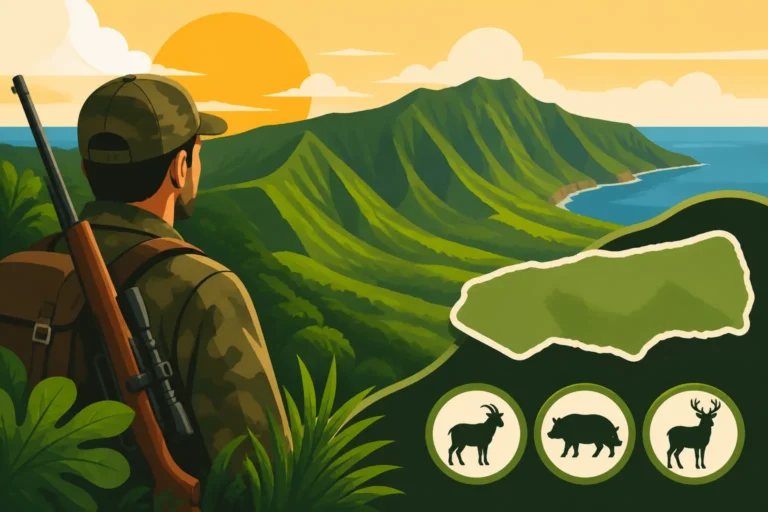
The primary big game species you'll encounter along the Waimea Canyon Rim are Black-Tailed Deer and Feral Goats. Kauai is the only island in Hawaii that hosts a Black-Tailed Deer population, making it a unique hunting experience. These deer are typically smaller than their mainland cousins but are incredibly agile and hardy, perfectly suited to the rugged terrain. They often stick to the more vegetated slopes and kipukas within the canyon, utilizing the cover for bedding and browse. Feral Goats, on the other hand, are true masters of the cliff face. You'll often see them defying gravity on sheer rock ledges, sometimes in surprisingly large groups. Their keen eyesight and ability to disappear into the broken terrain make them a challenging quarry. While less common right on the rim, feral pigs can be found in the deeper, wetter parts of the canyon, especially where water and dense vegetation provide ample cover and food. Hunting Goats on a Sea Cliff Safely offers similar principles for canyon hunting, emphasizing patience and careful foot placement.
Specific Hunting Units Along the Waimea Canyon Rim
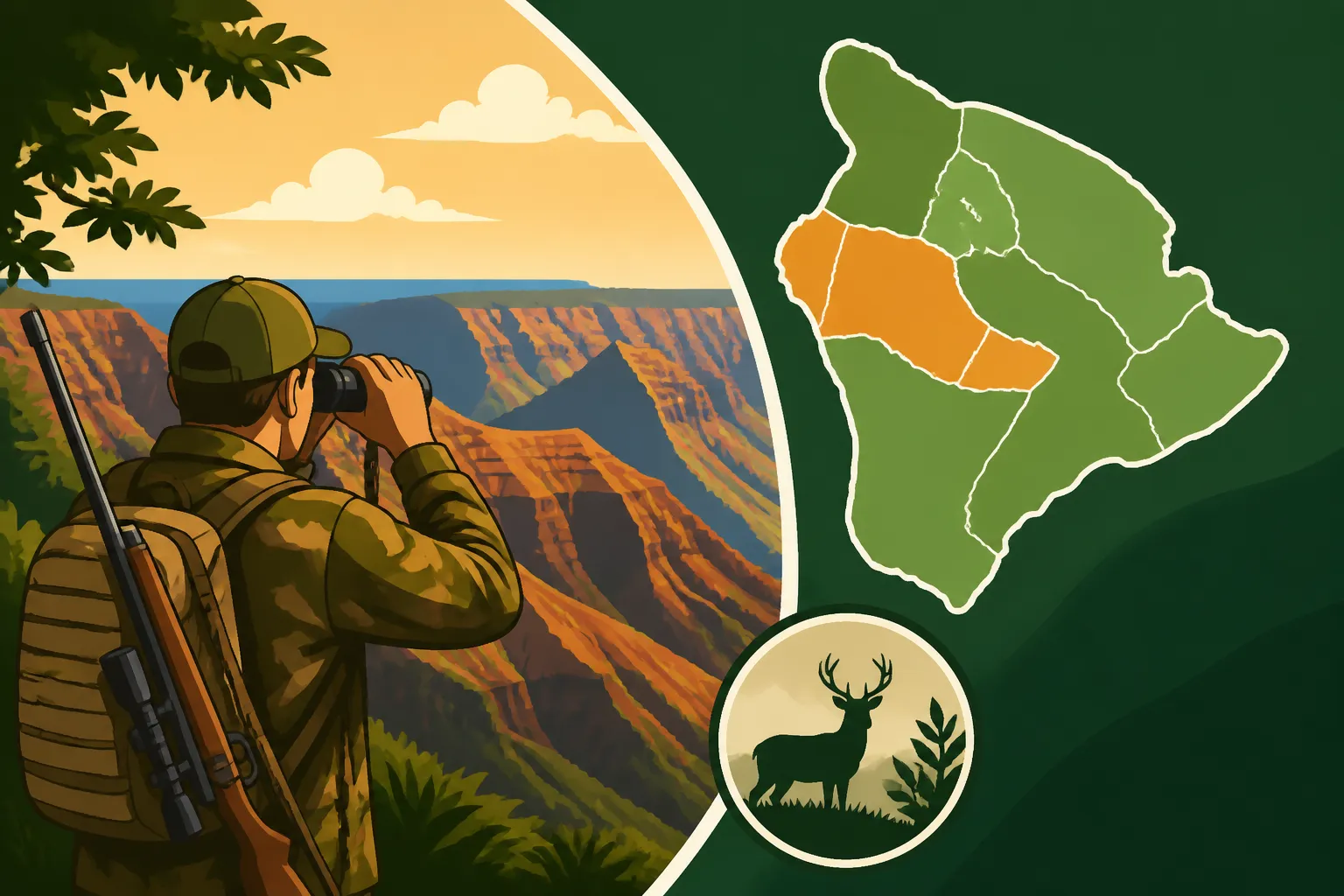
The Waimea Canyon Rim falls primarily within specific State hunting units on Kauai, managed by the Department of Land and Natural Resources (DLNR), Division of Forestry and Wildlife (DOFAW). It's crucial to understand these designations, as they dictate legal access, permitted weapons, and season dates.
Unit A: The West Side of the Canyon
Unit A is one of the most significant hunting areas encompassing parts of the Waimea Canyon Rim, particularly on the western side. This unit includes vast tracts of the Na Pali-Kona Forest Reserve and Puu Ka Pele Forest Reserve. When you're looking into the canyon from the main viewpoints, much of what you see on the opposite side, as well as parts directly beneath you, can fall within Unit A. Access to Unit A usually involves navigating roads off Highway 550 (Kokee Road) and often requires a 4×4 vehicle. Hunters often utilize established trails or old logging roads to get into position, but venturing off these requires serious route-finding skills. The terrain in Unit A can be incredibly steep, dropping sharply into the canyon, and is a prime area for both Hunting Black-Tailed Deer in Kokee and feral goats. Understanding the specific boundary lines, especially where public land meets private, is paramount. This is where tools like Using onX for Hawaii Land Status become indispensable, showing you exactly where you stand.
Unit I: The East Side and Deeper Reaches
Unit I covers areas on the eastern side of Waimea Canyon and extends into its deeper reaches, including parts of the Waimea Canyon State Park and Na Pali-Kona Forest Reserve. While Unit A often provides more direct rim access and views, Unit I can offer more secluded hunting opportunities for those willing to put in the effort to descend into the canyon's complex network of gulches and ridges. Access points for Unit I might be less obvious, often involving smaller access roads or long hikes from designated parking areas. The hunting in Unit I is often focused on feral goats, which thrive in the steep, rocky terrain. Deer are also present, particularly in more vegetated pockets and along the slopes leading into the canyon floor. Seasons and bag limits can vary between units, so always double-check the latest DOFAW regulations for both Unit A and Unit I before planning your trip.
Adjacent Units and Considerations
While Units A and I are the primary ones directly impacting the Waimea Canyon Rim, it's worth noting that other adjacent units might hold similar game or offer different access points further away from the main canyon. For instance, the Kekaha Game Management Area (GMA) borders some of these units and also holds black-tailed deer. However, the true "rim" experience for hunting is concentrated within A and I. Always be mindful of park boundaries and private land designations. The temptation to follow an animal into what looks like a natural extension of the hunting unit can lead to serious legal trouble if you stray into a non-hunting area or private property without permission. This landscape demands constant vigilance and respect for boundaries.
Here's a quick comparison of the primary Waimea Canyon Rim hunting units:
| Unit | Primary Location | Target Species | Typical Terrain | Access Considerations |
|---|---|---|---|---|
| Unit A | West Rim, Na Pali-Kona & Puu Ka Pele Forest Reserves | Black-Tailed Deer, Feral Goats | Steep slopes, forested pockets, rocky ridges | 4×4 often required, established roads/trails |
| Unit I | East Rim, Waimea Canyon State Park & Na Pali-Kona Forest Reserve | Feral Goats, Black-Tailed Deer | Very steep gulches, exposed cliffs, dense vegetation | More remote access, longer hikes, some park restrictions |
Tactics and Preparation for Waimea Canyon Rim Hunting
Hunting the Waimea Canyon Rim isn't for the faint of heart or the unprepared. It demands physical fitness, meticulous planning, and a deep respect for the unforgiving environment.
Scouting and Glassing Strategies
Given the immense scale of the canyon, effective scouting is absolutely critical. Before you ever step foot on the ground, spend time poring over topographical maps and satellite imagery. Tools like onX Hunt can overlay public land boundaries and show elevation changes in incredible detail, helping you identify potential game trails, bedding areas, and water sources. Once in the field, glassing is your most powerful tool. Find a vantage point on the rim or a prominent ridge early in the morning or late in the afternoon, and systematically scan the opposite slopes and gulches. High-quality binoculars and a spotting scope are indispensable. Look for movement, differences in texture (a deer lying down, a goat moving), or even just flicking ears. Animals often blend seamlessly into the background, so patience is key. When you spot an animal, use natural landmarks to pinpoint its location for your stalk. Glassing a Hawaii Coastline for Goats offers excellent advice applicable to canyon walls.
Physical Demands and Gear Essentials
Hunting the Waimea Canyon Rim is a true test of endurance. You'll be climbing steep grades, traversing uneven terrain, and potentially making long, strenuous retrieves. Physical conditioning cannot be overstated. Start training well in advance with hikes, especially those involving elevation gain. Your gear needs to be robust and reliable. Sturdy, ankle-supporting boots with excellent traction are non-negotiable for navigating rocky, slippery, and loose ground. Bring plenty of water, more than you think you'll need, as the sun can be relentless and hydration is crucial. Rain gear is also a must, as conditions can change rapidly from sunny to sudden downpours. A good quality backpack for carrying essentials and, hopefully, meat, is vital. Don't forget a first-aid kit, emergency signaling devices, and a GPS unit or reliable GPS app on your phone (like onX Hunt) with downloaded maps, as cell service can be spotty or non-existent in the canyon. Water and Heat Planning for a Hawaii Hunt is an essential read for this kind of environment.
Ethical Considerations and Safety
The dramatic nature of the canyon often means long-range shots. Practice shooting at extended distances from stable positions before your hunt. Know your effective range and stick to it to ensure a clean, ethical kill. Never take a shot you're not confident in, especially across a deep canyon where a wounded animal could disappear into impossible terrain. Safety is paramount. Always hunt with a partner if possible, and let someone know your exact hunting plan and expected return time. Be aware of falling rocks, loose footing, and hidden drop-offs. The "pali" (cliff) faces are beautiful but incredibly dangerous. Retrieving an animal from the bottom of a gulch or off a steep slope can be more challenging than the hunt itself. Plan your approach and exit routes carefully, and never take unnecessary risks for a retrieve. Packing Meat Out of a Hawaii Gulch is not just a suggestion, it's a necessary guide for successful hunting here.
Navigating Regulations and Access for Waimea Canyon Rim
Successfully hunting the Waimea Canyon Rim isn't just about finding game; it's also about understanding and adhering to Hawaii's specific hunting regulations, which can differ even between adjacent units.
Permitting and Licensing Requirements
To hunt anywhere in Hawaii, you'll first need a valid Hawaii hunting license. For many big game species on Kauai, including Black-Tailed Deer and Feral Goats in units like A and I, you'll also need specific permit-tags. These tags are often issued as part of a drawn hunt or via over-the-counter purchases depending on the season and unit. Always check the current DOFAW regulations or visit the GoHunt website for the most up-to-date information on license costs, permit-tag availability, and application deadlines. Hawaii's Permit-Tag System Works explains the ins and outs of this process, which can sometimes be confusing for newcomers. It's not uncommon for specific units, or even sections within units, to have special archery, muzzleloader, or rifle seasons, so pay close attention to the details.
Check-In and Check-Out Procedures
Most public hunting units in Hawaii, especially those with managed populations like the Waimea Canyon units, require hunters to check in and out. This procedure is vital for DOFAW to track hunter effort and harvest success, and it's also a safety measure. You might check in at a physical hunter check station or, increasingly, use the OuterSpatial mobile app, which is a game-changer for convenience. Checking In and Out of Hawaii Hunting Units goes into detail on this process. Forgetting to check out can lead to fines or even the loss of future hunting privileges, so take it seriously. It’s also during check-in that you'll receive any last-minute updates on unit conditions, temporary closures, or specific rules for that day.
Respecting Private Land and Conservation Areas
While much of the Waimea Canyon area is public land within Forest Reserves and State Parks, there are also parcels of private land, as well as Natural Area Reserves (NARs) or other conservation designations where hunting is strictly prohibited or heavily restricted. It's incredibly easy to inadvertently trespass in such rugged, unmarked terrain. This is where a mapping application like onX Hunt becomes invaluable. Use it to constantly monitor your position relative to unit boundaries, private property lines, and no-hunting zones. Always err on the side of caution. If you're unsure, don't enter. Respecting these boundaries is not just a legal obligation; it's crucial for maintaining positive relationships between hunters, landowners, and conservationists, ensuring future hunting access. Hawaii Trespass and Closed Area Rules provides critical information on staying on the right side of the law.
Disclaimer
This article is for general informational purposes only and does not constitute professional advice. Laws, prices and regulations vary by location and change over time. Consult a qualified professional for guidance on your specific situation.