Hunting Molokai’s Public Reserve Land
Hunting Molokai's public reserve land can feel like stepping into a time machine, where the landscape is raw, the trails are faint, and the game is wild. It's not like the well-manicured hunting experiences you might find elsewhere. Many hunters arrive on Molokai with big dreams, only to be met with thick jungle, steep gulches, and the sheer challenge of navigating truly untamed country. This guide is here to walk you through what to expect when you're pursuing feral pigs and goats on Molokai's public hunting units, helping you understand the terrain, the rules, and the grit it takes to succeed.
Navigating Molokai's Public Hunting Reserves: An Overview
Molokai, often called the "Friendly Isle," offers a hunting experience unlike any other in Hawaii. While much of the island's popular Axis deer hunting is conducted on private ranches, the public reserves are primarily managed for feral pigs and goats. These areas are not for the faint of heart; they are characterized by their extreme ruggedness, dense vegetation, and steep, broken topography. You won't find many designated trails or creature comforts here. It's a true test of endurance, navigation skills, and a hunter's resolve.
Many hunters, especially those new to Hawaii, underestimate the sheer physical demands. The public lands can be a mosaic of deep, verdant gulches, razor-sharp ridges, and often wet, muddy conditions on the windward side, transitioning to drier, rockier terrain on the leeward slopes. Knowing where these public units are, what they encompass, and the type of challenges they present is the first crucial step. It's not just about finding game; it's about being able to safely and effectively hunt in a truly wild environment.
Molokai's public hunting units are managed by the Department of Land and Natural Resources (DLNR), Division of Forestry and Wildlife (DOFAW). These areas are often referred to by unit numbers or names that correspond to larger forest reserves or game management areas. Unlike some islands, Molokai's public hunting opportunities are more limited in scope but rich in challenging terrain and genuine wilderness. Hunters need to pay close attention to the specific unit boundaries, as private land can be intermingled, and trespass is a serious offense. Tools like onX Hunt can be incredibly useful for pinpointing these lines in the field, making sure you stay where you're supposed to be.
Identifying Key Public Hunting Areas
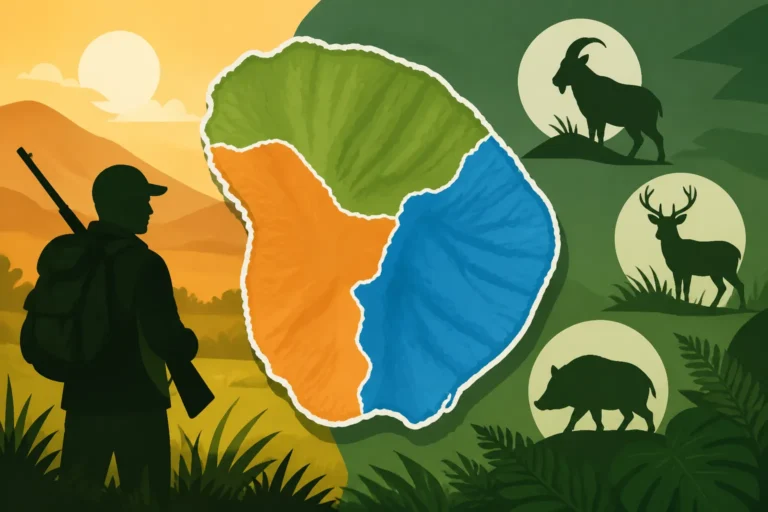
On Molokai, the main public hunting units tend to be concentrated in the central and eastern mountainous regions, extending into some of the more remote valleys. These are not always easily accessible by vehicle, and often require significant walking just to get into the hunting zone. You might find yourself traversing old overgrown jeep trails, or simply cutting your own path through thick jungle. The sheer effort involved in reaching these areas often naturally limits hunting pressure, which can be a double-edged sword: fewer hunters, but also less accessible game.
One significant area is the Molokai Forest Reserve, which covers a large portion of the mountainous interior of the island. Within this reserve, specific units are designated for hunting. These areas are known for their steep slopes, deep canyons, and dense rainforest vegetation, making them prime habitat for feral pigs. Goats might be found on the more exposed ridges or rocky outcroppings, particularly in areas transitioning to drier conditions. Understanding which units are open and for what species is critical, and these details can sometimes change, so always check the latest DOFAW announcements before planning your trip.
Access points are often limited, and what looks like a road on a map might be a heavily overgrown track in reality. Some of the most productive areas require walking in for miles, often gaining and losing significant elevation. It’s a stark contrast to driving up to a blind; this is foot hunting, pure and simple. Being prepared for this kind of exertion and self-sufficiency is paramount.
Understanding the Game: Pigs and Goats on Molokai's Public Land
When you're hunting Molokai's public reserves, your primary targets will be feral pigs and feral goats. These animals thrive in the diverse and often challenging Hawaiian landscape, and they are considered invasive species, meaning hunting them is a crucial part of ecological management. While some islands offer Axis deer on public land, on Molokai, the public hunting experience is predominantly focused on these two resilient species.
Feral pigs on Molokai are often descendants of pigs brought by early Polynesian settlers, mixed with later European introductions. They are incredibly tough, intelligent, and perfectly adapted to the island's dense forests and gulches. You'll find them rooting through the undergrowth, particularly in wetter areas where they can find plenty to eat and wallow in the mud. Hawaii's Feral Pigs, Island by Island gives a good overview of their impact and characteristics across the archipelago. The pork from a Molokai pig, especially one from a wild, fruit-and-root-eating diet, can be absolutely delicious, making the effort of the hunt incredibly rewarding.
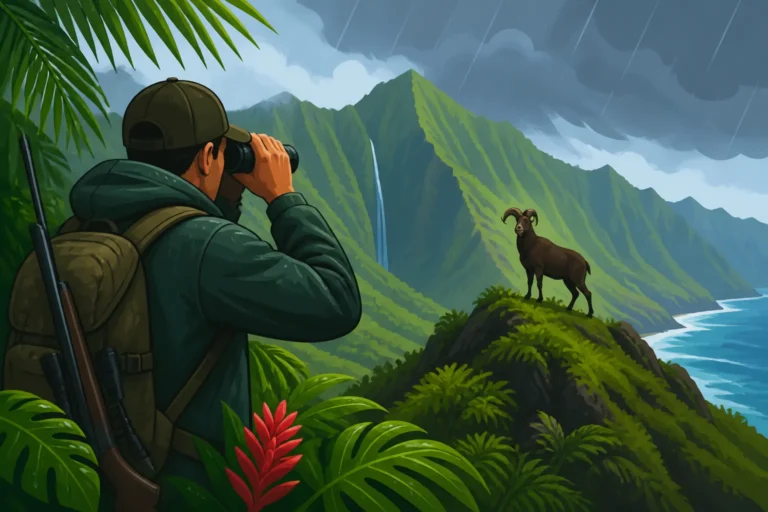
Goats, on the other hand, typically prefer the rockier, more open, and drier slopes, often found along steep cliff faces or in areas with sparser vegetation. Their agility in such terrain is astonishing, and hunting them can be a true test of stalking and shooting skills in precarious positions. These animals can be notoriously wary, particularly larger billies with impressive horns. Finding a group of goats grazing on a steep hillside with the ocean stretching out behind them is an iconic Hawaiian hunting scene. Understanding their habits – where they water, where they bed, and how they react to pressure – is key to success.
Habits and Habitat of Molokai's Wild Game
Molokai's feral pigs are masters of concealment. They spend their days in the thickest cover they can find – deep gulches choked with strawberry guava, dense fern patches, or tangles of ʻōhiʻa and koa trees. They are largely nocturnal but will move during cooler daylight hours, especially in very remote areas with less human disturbance. Look for their sign: fresh rooting, wallows, rubbed trees, and distinct trails through the undergrowth. Hunting pigs often involves still-hunting slowly through known bedding areas, or using dogs to track and bay them. Still-Hunting Pigs in Hawaii's Wet Forest provides valuable insights for this method.
Feral goats on Molokai are often found higher up, preferring steep, rocky slopes and ridgelines that offer good visibility and quick escape routes. They're often seen in groups, and their keen eyesight and hearing make them challenging to approach. Early morning and late afternoon are prime times to find them feeding, often moving from bedding areas on high ledges down to more accessible foraging grounds. They are surprisingly tolerant of hot, dry conditions, needing less water than pigs, but will still visit water sources, especially during prolonged dry spells. Pay attention to wind direction when stalking goats, as their senses are sharp. Hunting Goats on a Sea Cliff Safely explores the specific challenges and rewards of hunting in such dramatic environments.
Harvesting one of these animals on public land means you've truly earned it. The combination of dense cover, steep terrain, and the animals' natural wariness makes for a challenging but deeply satisfying hunt. And don't forget the work after the shot: packing out a whole pig or a large goat from a Molokai gulch is a serious undertaking that requires planning and physical strength. Packing Meat Out of a Hawaii Gulch is a must-read for anyone considering a backcountry harvest.
Essential Regulations and Permitting for Molokai Public Hunts
Hunting Molokai's public reserve land isn't just about grit and skill; it's also about respecting the law and the land. Hawaii has a specific set of regulations that govern public land hunting, and these can differ from island to island, and even unit to unit. Ignoring these rules can lead to fines, loss of hunting privileges, or worse, so it's absolutely crucial to be informed and prepared.
First and foremost, you need a valid Hawaii hunting license. For non-residents, this requires a bit of planning, often including proof of hunter education from your home state or completing the Hawaii Hunter Education course. Residents have a more straightforward process. You'll also need to purchase the appropriate game mammal stamps. While Molokai does not have a "drawn hunt" for its public pig and goat seasons, certain areas or periods might have specific permit requirements or bag limits that differ. Hawaii Hunting Licenses and What They Cost is a good starting point for understanding the general licensing requirements.
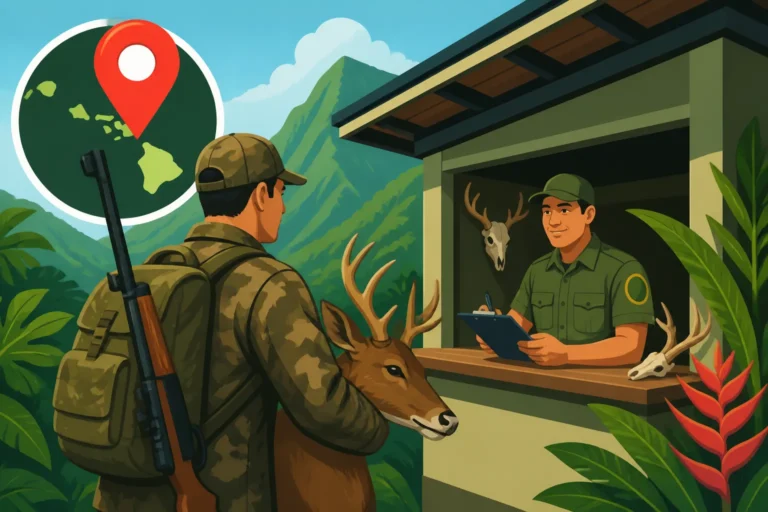
Beyond the license, checking in and out of the hunting unit is non-negotiable. This is typically done at designated hunter check stations or, increasingly, through digital platforms like the OuterSpatial app. This system is not just bureaucratic; it's a vital safety measure that helps DOFAW track hunter presence and manage resources. Forgetting to check out can trigger a search and may result in penalties. Checking In and Out of Hawaii Hunting Units details this essential process. Always carry your license and any required permits with you, and have them readily available for inspection.
Navigating Unit Rules and Weapon Restrictions
Each public hunting unit on Molokai, particularly within the Molokai Forest Reserve, will have specific rules regarding open seasons, legal hunting days, bag limits, and permissible weapons. For pigs and goats, archery, muzzleloaders, and rifles are generally allowed, but caliber and projectile restrictions might apply. For instance, broadheads for archery have minimum widths, and rifle ammunition might have specific energy requirements. Always verify the most current regulations for the specific unit you plan to hunt. These details are usually published annually by DOFAW.
| Species | Primary Habitat (Molokai Public) | Typical Weapon Types | Bag Limits | Season Dates |
|---|---|---|---|---|
| Feral Pig | Wet, dense forests; deep gulches | Rifle, Muzzleloader, Archery, Dog & Knife | No limit (check unit specifics) | Year-round (check unit specifics) |
| Feral Goat | Dry, rocky slopes; open ridges; sea cliffs | Rifle, Muzzleloader, Archery | No limit (check unit specifics) | Year-round (check unit specifics) |
Note: While many areas have "no limit" for these invasive species, specific unit rules or temporary emergency measures can change this. Always consult the latest DOFAW regulations for the exact unit you intend to hunt.
Molokai's game mammal seasons are often year-round for pigs and goats on public lands, but specific days of the week or months might be designated, especially if areas overlap with other management concerns or drawn hunts for other species. Hawaii Game Mammal Seasons provides a comprehensive look at the broader seasonal structure. Keep an eye out for any emergency closures or changes in seasons, which can happen due to weather, fire risk, or conservation efforts. The DOFAW website is your best friend for this up-to-date information. Understanding that these areas are truly public means sharing them responsibly with other users, whether they are hunters, hikers, or gatherers, and always prioritizing safety.
Strategic Approaches to Hunting Molokai's Challenging Public Terrain
Molokai's public hunting lands are truly wild, and success here demands more than just pointing and shooting. It requires careful planning, physical conditioning, and a deep respect for the island's unique and often unforgiving landscape. There's no substitute for time spent scouting and understanding the nuances of the terrain and the animals that call it home.
One of the biggest challenges is simply moving through the dense vegetation and steep topography. The windward side, with its consistent rainfall, creates incredibly lush and thick forests, making visibility a constant struggle. On the drier leeward slopes, thorny kiawe can create impenetrable barriers. Hunters need to prioritize appropriate gear, from sturdy, ankle-supporting boots designed for uneven terrain to lightweight rain gear that can handle sudden downpours. Hunting Hawaii's Volcanic Terrain offers excellent advice on navigating such varied ground.
Given the difficulty of access and the cover, often the most effective strategy involves putting in the miles on foot. This means waking up well before dawn, hiking into remote areas, and spending the day quietly moving through pig and goat habitat. Patience is a virtue, and being able to sit and glass for extended periods, or still-hunt through a promising gulch, can make all the difference. Remember, these animals have no natural predators besides humans, so they are incredibly wary and use the terrain to their advantage.
Essential Gear and Tactics for Molokai Success
For Molokai's public lands, your gear needs to be robust and reliable. Beyond your weapon of choice, a good navigation system is paramount. While paper maps are a good backup, a GPS unit or a smartphone with a reliable mapping app like onX Hunt is invaluable for tracking your position, marking sign, and navigating back to your starting point, especially in dense fog or thick forest where visibility drops to mere feet. Always carry extra batteries or a power bank. A basic survival kit, including a first-aid kit, water purification, and emergency signaling devices, should be standard for any remote hunt. No Cell Signal on a Hawaii Hunt highlights the importance of self-reliance.
Hunting pigs often involves getting down into the thick stuff. Whether you're still-hunting or using dogs, you'll be slogging through mud and dense brush. Focusing on areas with fresh rooting, tracks, and recent wallows is key. Pigs are creatures of habit, often using the same trails and bedding areas. Learning to read pig sign along muddy trails is a skill developed over time. For goats, glassing expansive slopes from a vantage point at first light is often the most effective method. Once you spot them, a careful, methodical stalk using terrain features to conceal your approach is necessary. Remember to factor in wind and thermals, which can be fickle in Hawaii's diverse microclimates. Hunting Hawaii's High Elevation Alpine Ground offers insights into glassing and stalking in challenging environments, though Molokai's highest public areas are lower in elevation than Mauna Kea.
Finally, physical conditioning cannot be overstated. Molokai hunting is often steep, hot, and humid work. You'll be climbing, descending, and pushing through thick vegetation, sometimes carrying a heavy pack. Training beforehand, focusing on cardiovascular endurance and leg strength, will greatly enhance your enjoyment and success. Go light, stay hydrated, and be prepared for a truly immersive and challenging hunt. The rewards, both in terms of meat for the table and the satisfaction of a hard-earned harvest in a stunning natural setting, are immense.
Disclaimer
This article is for general informational purposes only and does not constitute professional advice. Laws, prices and regulations vary by location and change over time. Consult a qualified professional for guidance on your specific situation.