Hunting Molokai’s West End Ranch Land
Molokai’s West End ranches present a unique and often challenging hunting experience, different from the public units many are accustomed to across the islands. The idea of navigating private land, securing permissions, and understanding specific ranch rules can feel daunting, especially for those new to the island. This guide aims to break down the complexities of hunting these exclusive West End properties, offering insights into access, tactics, and what you need to know for a successful and respectful hunt.
Understanding Molokai's West End Landscape and Access
Molokai's West End is a world apart from its more verdant eastern slopes. It's a land of rolling hills, dry kiawe forests, and vast expanses of open pasture, all shaped by generations of ranching. This landscape is prime Axis deer habitat, with the deer often thriving on the browse and scattered water sources. However, the vast majority of this prime hunting ground is privately owned, meaning direct public access is extremely limited, if available at all. Hunters accustomed to checking into public units on other islands will find a very different system here.
The Domination of Private Land Holdings
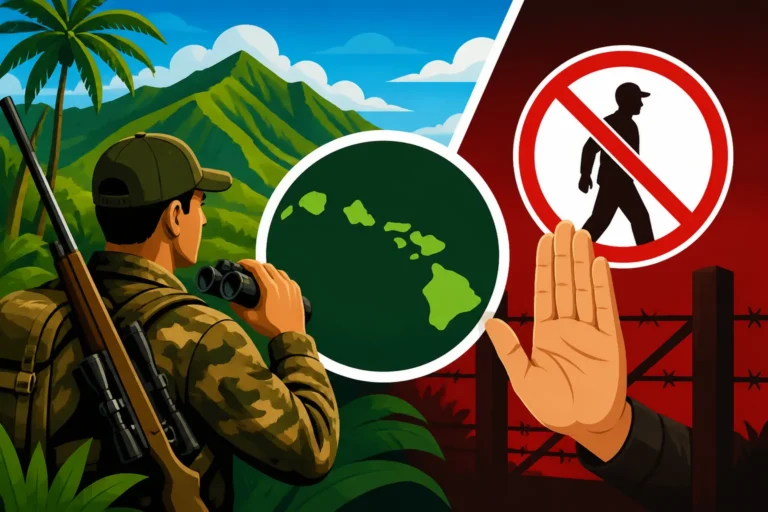
When you look at a map of Molokai’s West End, you'll immediately notice the large blocks of private land. These are often historic ranches, many of which have been operating for a century or more. They manage their land for cattle, conservation, and increasingly, for hunting opportunities. This private ownership means that your typical public hunting license doesn't grant you access here. Instead, you'll need to gain explicit permission from the landowner or secure a guided hunt through an outfitter who has established relationships with these private entities. It’s a completely different paradigm compared to the communal access found in designated public hunting areas, and it often requires a proactive approach or a financial investment.
Topography and Vegetation on the West End
The West End of Molokai is characterized by its drier climate, sitting in the rain shadow of the island's higher eastern mountains. You'll encounter sprawling kiawe flats, which are dense thickets of thorny mesquite-like trees, interspersed with open grassy hillsides and old ranch roads. These kiawe forests, while formidable to walk through, offer excellent cover for Axis deer during the heat of the day. The open ridges and saddles provide fantastic glassing opportunities, especially at first light and last light, as deer move between bedding and feeding areas. Water sources, whether natural seeps or man-made stock ponds, are critical attractors for game, particularly during dry spells. Understanding this unique blend of open and dense cover is key to planning your hunting strategy, whether you're stalking the kiawe or glassing the hills. The terrain itself isn't as steep or rugged as some of Hawaii's volcanic or rainforest units, but the heat, thorns, and sheer size of the properties can still make for a physically demanding hunt. Hunting a Kiawe Flat for Axis Deer can be particularly challenging without prior experience.
Navigating Private Land Permissions and Ranch Hunts
Accessing Molokai's West End ranch lands for hunting primarily boils down to two main avenues: direct landowner permission or booking through an outfitter. Both require a respectful approach and an understanding of the unique dynamics of private land hunting in Hawaii. This isn't like walking into a public hunting check station; it's about building relationships or paying for a curated experience.
Seeking Direct Landowner Permission
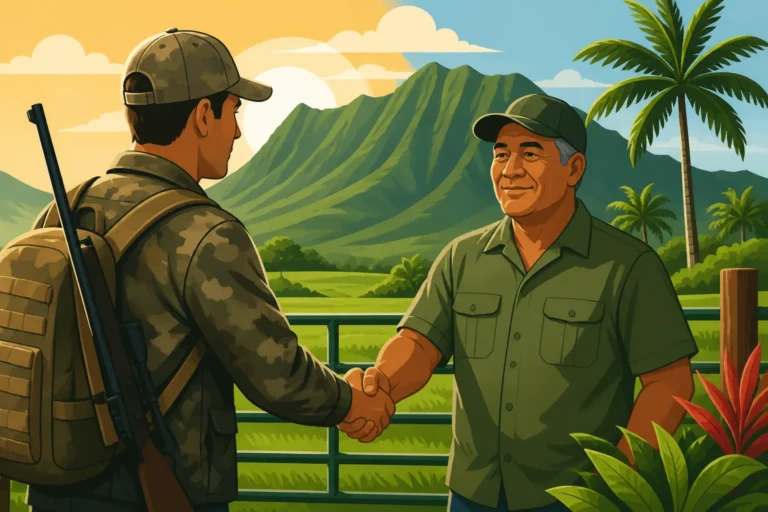
Gaining direct permission from a private landowner on Molokai's West End can be incredibly rewarding, but it often requires a good deal of persistence and local connections. These ranchers value their land and their privacy, and they're unlikely to grant access to just anyone who knocks on their door. Often, knowing someone who knows someone is the best way in. If you don't have those connections, a respectful letter or phone call explaining your intentions, demonstrating your understanding of local hunting ethics, and offering to assist with property management (like helping with fence repair or invasive species removal) might open a door. Be prepared for a "no," or for a long wait, as many ranches have existing agreements or simply don't offer public access. If you are fortunate enough to secure permission, remember that you are a guest on their land. Always adhere strictly to their rules, report your harvest, and leave the property better than you found it. This builds goodwill and might pave the way for future opportunities. Don't forget to understand all the rules around Molokai Permit-Tag Requirements before you even approach a landowner.
Booking Through a Reputable Outfitter
For many hunters, especially those visiting Molokai, the most reliable way to hunt the West End's private ranches is through a guided outfitter. These outfitters have established leases or long-standing agreements with landowners, providing legal and structured access to prime hunting grounds. They handle all the access logistics, often include transportation within the ranch, and provide experienced guides who know the land and the animal movements intimately. While this comes with a cost, it significantly streamlines the process and increases your chances of a successful hunt. When researching outfitters, look for those with a strong reputation, clear pricing, and transparency about what's included in their packages (e.g., What a Hawaii Guided Axis Deer Hunt Costs or What a Molokai Ranch Hunt Looks Like). Ask for references and don't hesitate to ask specific questions about the ranch you'll be hunting, the typical size of bucks taken, and their philosophy on ethical hunting. Using tools like GoHunt for general license information or onX Hunt to visualize land ownership (though always confirm with the outfitter/landowner directly) can be helpful during your planning stages, but the outfitter will be your primary point of contact for private land specifics.
What to Expect on a Private Ranch Hunt
A guided hunt on a Molokai West End ranch is usually a full-day affair, often starting well before dawn to catch the deer moving at first light. You'll likely be transported by vehicle, often a 4WD truck or ATV, to strategic glassing points. From there, your guide will use binoculars and spotting scopes to locate animals, especially Axis deer. Once deer are spotted, the hunt transitions to a spot-and-stalk approach, carefully navigating the kiawe thickets or open country to get within shooting range. Communication with your guide is paramount, as they know the wind patterns, the cover, and the deer's likely escape routes. It's a physically engaging style of hunting that blends patience with quick action. You might also encounter feral goats on these lands, which can add to the challenge and opportunity. Remember that Field Dressing Axis Deer in Hawaii Heat is a critical skill, and your guide will be able to assist in cooling and packing out your animal.
Hunting Tactics for Molokai's West End Terrain
Molokai's West End presents a unique blend of open country and dense cover, demanding adaptable hunting tactics. Successfully harvesting an Axis deer or feral goat here often comes down to keen observation, strategic movement, and understanding how animals utilize the landscape. It's not just about walking; it's about reading the subtle signs of the land.
Effective Spot-and-Stalk Strategies
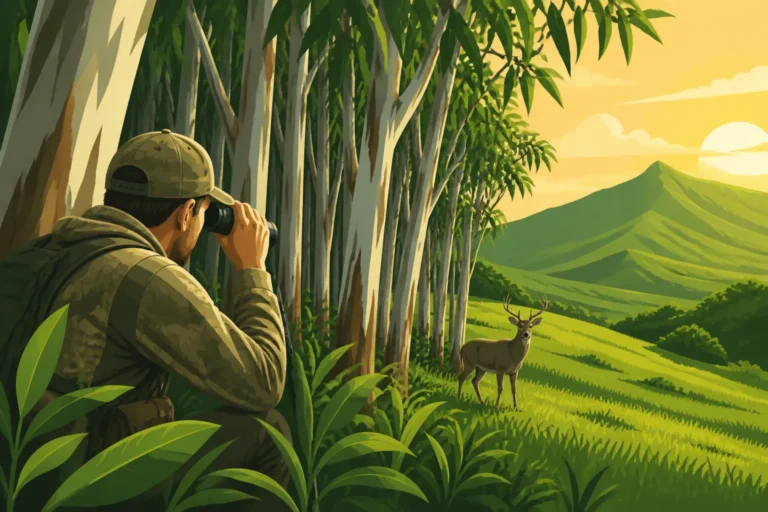
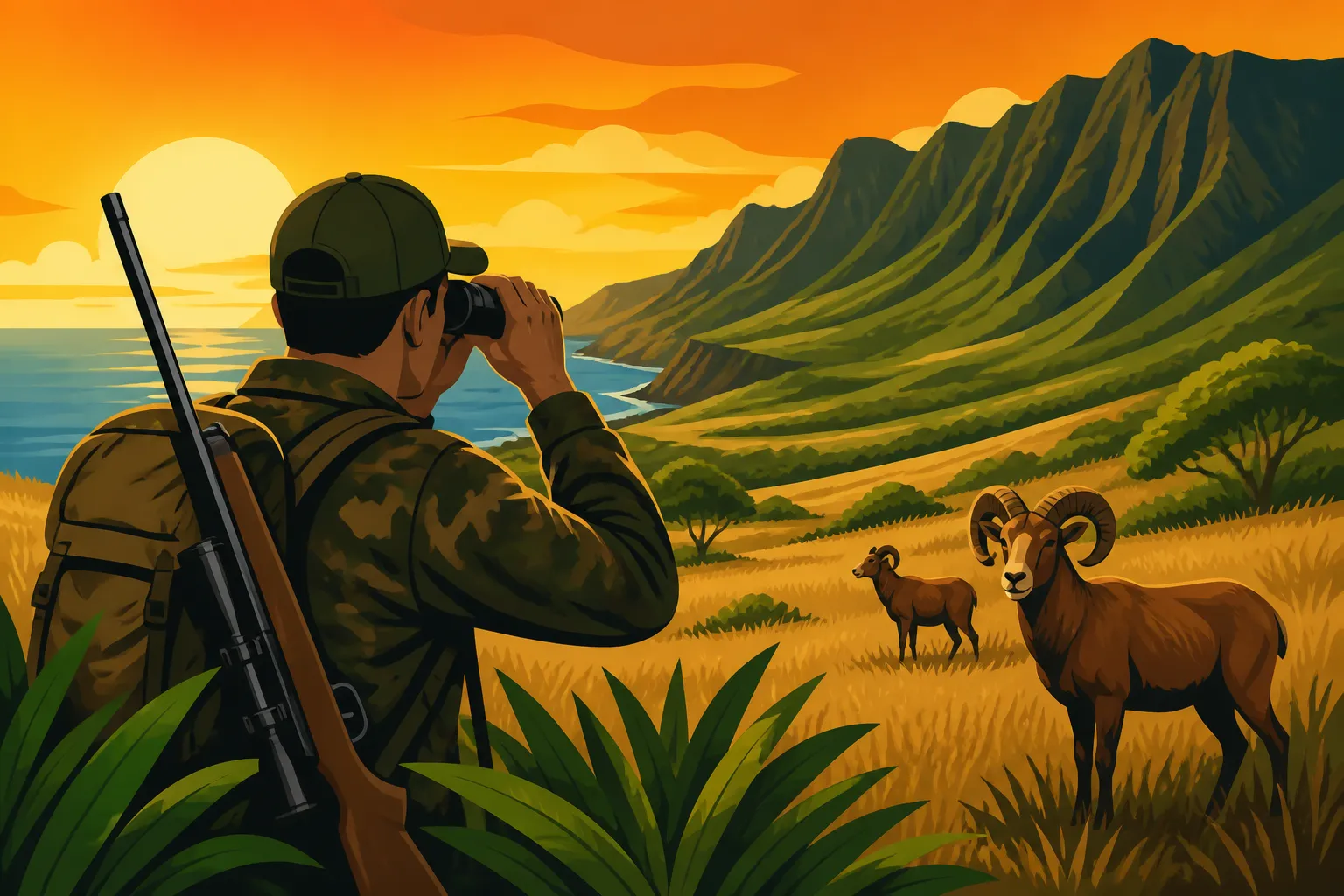
Spot-and-stalk is the quintessential hunting method for Axis deer on Molokai's West End, largely due to the mix of open ridges and kiawe thickets. Early morning and late afternoon are prime times for this. Position yourself on high vantage points that offer expansive views of the rolling hills, pastures, and kiawe edges. Use good quality optics – binoculars and a spotting scope are your best friends here – to systematically scan the landscape. Look for movement, the tell-tale white spots on an Axis deer's flank, or the subtle glint of antlers. Pay particular attention to the fringes of the kiawe, saddles between hills, and any areas near water. Once you've spotted an animal, the real work begins: planning your approach. This means evaluating wind direction, available cover, and the deer's likely travel patterns. The dry ground can be noisy, so slow, deliberate movement is key. Sometimes, a long, circuitous route is necessary to stay out of sight and downwind. Spot-and-Stalk Tactics on Open Country is an art form here, requiring patience and a keen eye for terrain.
Utilizing Water Sources and Bedding Areas
In Molokai’s drier West End, water is life, and it’s a magnet for game. Identifying perennial water sources – whether they are stock tanks, natural springs, or hidden seeps – is a crucial scouting step. Deer and goats will frequent these areas, especially during dry periods. Setting up for an ambush near a water source, or at least focusing your glassing efforts in these vicinities, can be highly effective. Early mornings and late evenings are when animals are most likely to visit. Conversely, understanding bedding areas is also vital. Axis deer will often bed down in the dense shade of kiawe thickets during the hottest parts of the day. They prefer areas that offer good cover and can still provide a slight breeze for cooling, often on north-facing slopes or in dense gulches. Approaching these bedding areas requires extreme stealth and an understanding of the wind, as deer will bust out of cover quickly if alerted. Hunting a Water Source in Dry Hawaii Country can be incredibly productive, but also demands careful planning to avoid spooking game.
Reading Sign and Tracking in Dry Conditions
The dry, often dusty ground of Molokai's West End presents both challenges and opportunities for reading animal sign. Fresh tracks around water holes, game trails leading into kiawe, and scat can tell you a lot about recent animal activity. Look for areas where deer have been browsing on kiawe pods or other forage. The key is distinguishing fresh sign from old. In dry conditions, tracks can linger for a long time, so understanding what "fresh" looks like – crisp edges, no dust fill-in, maybe even dew marks – is essential. Tracking in dense kiawe can be a nightmare, as the thorny branches obscure visibility and the ground can be hard-packed. However, if you find fresh tracks leading into a thicket, a slow, methodical still-hunt, watching for flicking ears or horizontal lines that betray a deer's presence, can pay off. It’s a different kind of tracking than in soft, wet forest, requiring more visual scanning than ground-reading. Reading Axis Deer Sign in Dry Country is a skill you'll develop quickly out here.
Practical Considerations for Your Molokai Hunt
Hunting Molokai’s West End ranches involves more than just tactics; it requires careful planning for logistics, equipment, and personal preparedness. The island’s unique environment and private land rules necessitate a different approach than many mainland hunts.
Gear and Equipment Essentials
Molokai's West End demands specific gear to ensure a comfortable and successful hunt. Your footwear is paramount: sturdy, high-quality hiking boots with good ankle support are a must for navigating uneven, rocky, and potentially thorny terrain. Given the dense kiawe, durable long pants are essential to protect your legs from thorns and scrapes. Light, breathable shirts in camouflage or earth tones will help with concealment and comfort in the heat. Sun protection is critical – a wide-brimmed hat, sunglasses, and high-SPF sunscreen. Don't forget bug spray, especially if hunting near water sources. Optics, as mentioned, are non-negotiable for spot-and-stalk: good quality binoculars (10×42 or 12×50) and a spotting scope will extend your range. A reliable backpack for water, snacks, first-aid, and game bags is also a must. For firearms, Hawaii's Legal Rifle Calibers for Big Game are usually quite suitable for Axis deer, but confirm with your outfitter if renting equipment. Don't forget a sturdy knife for field dressing and a way to cool meat quickly, as Hawaii's climate is warm.
Logistics and Travel Planning
Getting to Molokai requires a flight, usually a short inter-island hop from Honolulu or Maui. Once on the island, you’ll need transportation. Many outfitters will arrange pick-up from the airport, but if you’re self-guided on private land, a 4WD vehicle might be necessary for navigating ranch roads. Accommodation on Molokai is more limited than on larger islands, with a selection of condos, vacation rentals, and a few small hotels. Book your lodging well in advance, especially during peak hunting seasons. Be sure to understand all Hawaii Hunting Licenses and What They Cost and any specific permit-tag requirements for Molokai before your trip. For non-residents, there's often an exemption letter process for hunter education. Plan for potential delays in inter-island travel, especially if bringing firearms. Communication can be spotty on the West End, so consider a satellite messenger or GPS device for emergencies, as cell service might be nonexistent in remote ranch areas. No Cell Signal on a Hawaii Hunt is a common reality.
Respecting the Land and Local Culture
Hunting on Molokai, particularly on private ranch land, comes with a deep responsibility to respect the land, its owners, and the local community. The concept of malama 'aina – to care for the land – is deeply ingrained. This means leaving no trace, respecting all boundaries (both marked and invisible), and following all rules set by the landowner or outfitter. It also means showing courtesy to fellow hunters and residents. Molokai is known as "The Friendly Isle," and a friendly, humble demeanor goes a long way. Understand that the privilege of hunting these lands is often granted based on trust. Your actions reflect not just on you, but on all hunters. Adhering to bag limits, ethical shooting practices, and proper field care of your harvested animal are not just regulations; they are acts of respect. Always be prepared to properly dispose of your offal and Cooling Meat Fast on a Hawaii Hunt to preserve the quality of the venison.
Disclaimer
This article is for general informational purposes only and does not constitute professional advice. Laws, prices and regulations vary by location and change over time. Consult a qualified professional for guidance on your specific situation.