The Lanai Cooperative Game Management Area
For many hunters dreaming of an island adventure, the thought of navigating public land on a smaller Hawaiian island like Lanai can feel daunting, shrouded in rumors of private access and exclusive draws. This guide is here to demystify the Lanai Cooperative Game Management Area (CGMA), offering a comprehensive look at how this unique partnership provides public hunting opportunities for axis deer, mouflon sheep, and feral pigs and goats, ensuring you’re well-prepared for your next island hunt.
What is the Lanai Cooperative Game Management Area?
Finding reliable, consistent public hunting access in Hawaii can often feel like solving a complex puzzle, especially on islands with significant private landholdings. The Lanai Cooperative Game Management Area (CGMA) is a shining example of how collaboration can open up fantastic opportunities for hunters, providing a structured approach to managing wildlife populations and recreational hunting on a significant portion of Lanai. It's not just a patch of land; it's a testament to a unique partnership that directly benefits the hunting community.
A Partnership for Public Access
At its heart, the Lanai CGMA is a cooperative agreement between the State of Hawaii, specifically its Division of Forestry and Wildlife (DOFAW), and Pulama Lanai, the private entity that owns the majority of the island. This isn't your typical federal or state public land setup; instead, it's a unique arrangement designed to facilitate public hunting access on lands that would otherwise be entirely private. This partnership aims to manage the populations of introduced game animals like axis deer and mouflon sheep, which can significantly impact native ecosystems if left unchecked, while also providing recreational opportunities. It’s a delicate balance, and the CGMA is the framework that allows it to happen.
The Role of Pulama Lanai
Pulama Lanai, the private landowner, plays a critical role in the operation of the CGMA. While DOFAW sets the hunting regulations, seasons, and overall game management strategies, Pulama Lanai provides the actual land base and often infrastructure support for hunters. This means that hunters are accessing private property, albeit under the strict guidelines of a public-private partnership. Their involvement is essential for maintaining the vast hunting opportunities available on Lanai. Without this collaboration, the scale of hunting access currently enjoyed by the public on Lanai would simply not exist, making the CGMA a cornerstone of island hunting.
Why It Matters for Hunters
For hunters, the Lanai CGMA represents a precious opportunity. Lanai is renowned for its incredible Axis Deer Hunting in Hawaii and robust mouflon sheep populations, offering some of the best big game hunting experiences in the state. The CGMA ensures that these opportunities are available to the public, not just to those who can afford private outfitter hunts. It provides a legal, regulated avenue for pursuing game on an island that would otherwise be largely inaccessible. Understanding that you're hunting within this cooperative framework also instills a sense of shared responsibility—respecting the land, following the rules, and understanding the conservation goals are paramount to ensuring these opportunities continue for future generations.
Understanding Lanai's Unique Hunting Landscape
Lanai is often called the "Pineapple Isle," but for hunters, it's a place of stark contrasts and incredible game habitat. The island's geography, climate, and vegetation create a dynamic environment that dictates where animals live, feed, and travel, making it a truly unique challenge and reward for those who venture out. Getting a grasp of this distinct landscape is crucial for any successful hunt.
Diverse Terrain and Ecosystems
The Lanai CGMA encompasses a wide array of terrain, from relatively arid, low-elevation kiawe flats near the coast to the cooler, wetter, forested uplands and steep gulches of the island's interior. As you move inland and gain elevation, the vegetation transitions dramatically. The lower areas might be characterized by sparse grasses and dense kiawe thickets, offering cover and forage for axis deer. As you ascend, you'll encounter more introduced pine forests and native dryland forests, eventually leading to the higher slopes where mouflon sheep prefer to roam. Each of these zones presents different challenges and opportunities for hunters, requiring adaptable tactics and a keen eye for varied animal signs. Knowing these transitions can help you predict where different species might be found throughout the day.
Water Sources and Game Movement
In Lanai's drier regions, particularly during the warm seasons, water sources become absolute magnets for game. Axis deer, especially, are known to frequent waterholes, seeps, and even man-made troughs. Understanding these critical resources is key to patterning animal movements. Game trails often converge on these spots, making them prime locations for scouting and setting up a hunt. Conversely, in wetter areas or after significant rainfall, game may be more dispersed, as temporary puddles and soaked vegetation provide ample moisture. Observing patterns of Where Axis Deer Water in Dry Season is a fundamental skill that can make or break a hunt, particularly on an island where reliable water is not always abundant.
Hunting Pressure and Animal Behavior
Like any public hunting area, the Lanai CGMA experiences varying degrees of hunting pressure, especially during peak seasons like Hunting Lanai's Drawn Axis Deer Weekends. This pressure inevitably impacts animal behavior. Deer and sheep, known for their keen senses, become warier and may shift their activity to nocturnal hours or retreat to thicker, less accessible cover. During popular rifle weekends, you might find animals pushing into deeper gulches or moving into less-frequented zones. For this reason, understanding When Lanai's Axis Deer Rifle Season Runs occurs and planning your hunt strategically, perhaps focusing on weekdays if possible, can increase your chances of encountering less disturbed animals. Successful hunters often adapt by still-hunting slowly, utilizing glassing techniques from high points, or even focusing on overlooked pockets of cover that other hunters might bypass.
Navigating the Lanai CGMA: Access and Regulations
Hunting in the Lanai CGMA isn't as simple as just showing up with your gear. There's a specific set of procedures and rules designed to manage hunter access, ensure safety, and protect the unique ecosystem of the island. Understanding these regulations, especially around permits and entry, is paramount to a successful and legal hunt.
Permits, Check-In, and Check-Out Procedures
To hunt in the Lanai CGMA, obtaining the necessary permits and licenses is your first step. This typically involves purchasing a Hawaii hunting license and then applying for specific permit-tags through the Hawaii's Drawn Hunts and Lotteries system, especially for axis deer and mouflon sheep. Once you have your tags, you'll need to follow strict check-in and check-out procedures for each hunt. This often involves reporting to a designated hunter check station at the start and end of your hunt, where you'll register your entry and exit, and report any harvest. Neglecting to check in or out can lead to penalties, so it's critical to adhere to these rules. Many hunters now utilize apps like onX Hunt or services like GoHunt to streamline their research and navigate permit requirements, keeping everything organized digitally. For detailed information on this process, check out Checking In and Out of Hawaii Hunting Units.
Vehicle Access and Foot Travel
Access within the CGMA is managed carefully. While some main roads might allow two-wheel-drive vehicles, many areas, especially those deeper in the hunting units, require a four-wheel-drive vehicle due to rough, unpaved terrain. You’ll find that certain sections are designated for foot-access only, or gates might be locked to prevent vehicle entry beyond a certain point. This often means embracing the concept of Hunting Hawaii on Foot Without a Truck, which can be incredibly rewarding but physically demanding. It's crucial to consult the most current maps and unit regulations to understand where you can drive and where you must proceed on foot. Having a reliable mapping app like onX Hunt on your phone or GPS device, with offline maps downloaded, is invaluable for navigating roads, trails, and knowing exactly where you are in relation to boundaries.
Understanding Unit Boundaries
The Lanai CGMA is divided into various hunting units, each with its own specific regulations, open seasons, and sometimes even different bag limits. These boundaries are not always marked with physical fences or obvious signs on the ground, making navigation a challenge, particularly in dense vegetation or open, undulating terrain. Ignorance of boundaries is no excuse for trespass or hunting in a closed area. Before your hunt, thoroughly study the unit maps provided by DOFAW. Overlapping this information with a GPS app like onX Hunt allows you to see your exact position relative to these crucial lines in real-time. This diligence is especially important when pursuing game near private property edges or designated conservation areas. Many hunters find it helpful to spend time scouting beforehand, if possible, to physically identify landmarks that align with map boundaries, giving them a better sense of the terrain.
Game Species and Seasons within the CGMA
Lanai offers some truly exceptional hunting experiences for a variety of game species, each with its own unique appeal and seasonal availability. Understanding these species, their habits, and the specific seasons will allow you to tailor your hunt for the best possible success.
Axis Deer: Lanai's Premier Hunt
Axis deer are, without a doubt, the crown jewel of Lanai hunting. Known for their beautiful spotted coats and impressive antlers, these deer offer an exhilarating chase. The island's population is robust, and the meat is highly prized for its mild flavor. Hunting for axis deer in the CGMA is typically managed through a lottery system, meaning demand often outstrips supply, so applying for the draw is a crucial first step. How the Lanai Axis Deer Draw Works is a system that allocates specific rifle hunting weekends to successful applicants. However, there are also archery seasons, such as Hunting Hawaii's Archery Axis Deer Seasons, which often have longer windows and different access rules. Whether you're hunting with a rifle or bow, stalking these wary animals in the dry kiawe flats or up the brushy hillsides is a true test of skill and patience. A tag for Lanai axis deer, particularly an either-sex tag, like What One Either-Sex Tag Means on Lanai, is a highly sought-after prize.
Mouflon Sheep: High-Elevation Pursuits
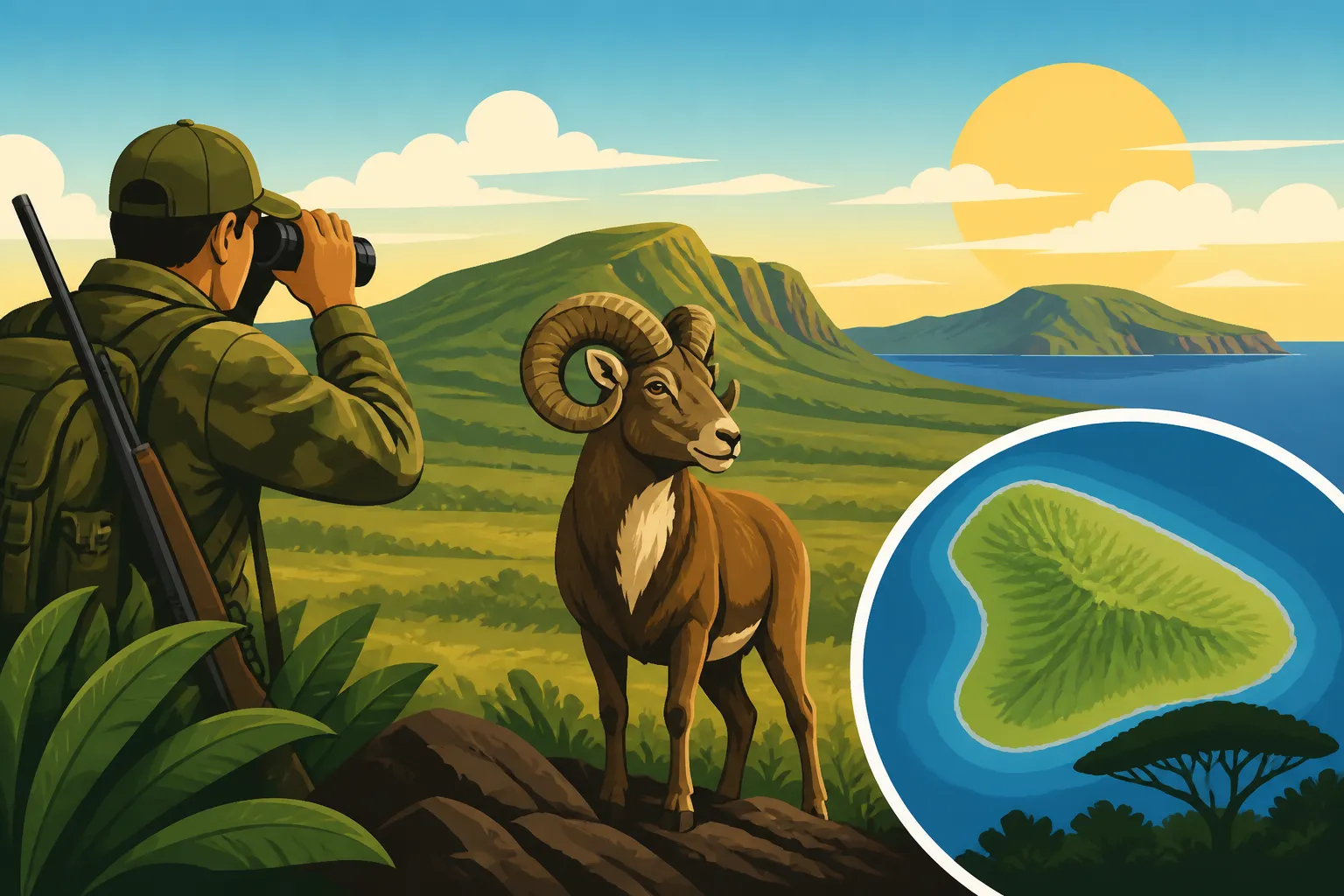
While axis deer dominate the lower and mid-elevations, the higher, rugged terrain of Lanai is home to a smaller but equally challenging quarry: mouflon sheep. These majestic animals, distinct from feral sheep found on other islands, possess impressive curling horns and an uncanny ability to navigate steep, rocky slopes. Mouflon hunting in the CGMA usually occurs in specific, often higher-elevation units, and like axis deer, it is typically managed through a permit-tag system, sometimes also requiring a draw. Hunting Mouflon on Hawaii's Highest Slopes is a physically demanding pursuit, requiring excellent conditioning and sturdy footwear for traversing uneven ground and thick brush. Archery hunters also have dedicated seasons, such as Hunting Lanai's Mouflon Archery Season, which can be an incredibly rewarding experience for those up to the challenge of getting close to these sharp-eyed animals.
Feral Pigs and Goats: Year-Round Opportunities
Beyond the highly coveted deer and sheep tags, the Lanai CGMA also offers opportunities to hunt feral pigs and goats. Unlike axis deer and mouflon, these species often have more open seasons and less restrictive bag limits, sometimes even being available Hawaii's Year-Round Hunting Units within certain areas of the CGMA. Feral pigs are found across the island, particularly in wetter gulches and areas with dense undergrowth, providing a challenging hunt, often with dogs if allowed in the specific unit. Goats, with their incredible agility and preference for steep, rocky cliffs and eroded gulches, offer another dynamic hunting experience. These animals are often hunted for population control as well as for meat, and their availability provides additional options for hunters who might not draw a deer or sheep tag, or those simply looking for more action.
Planning Your Hunt: Logistics and Considerations
A successful hunt on Lanai, especially within the complexities of the CGMA, demands meticulous planning. This isn't a quick day trip for most; it's an immersive experience that requires forethought regarding gear, physical readiness, and how you’ll manage logistics on a relatively isolated island.
Gear Essentials for Lanai
Your gear list for a Lanai hunt will need to be robust and versatile. Sturdy hiking boots are non-negotiable – the terrain is unforgiving, from loose lava rock to muddy trails and dense kiawe thorns. Given Hawaii's unpredictable weather, good rain gear is essential, even if you're hunting the drier leeward side. Beyond that, quality optics (binoculars and a spotting scope, especially for mouflon) are vital for Glassing Lanai's Open Ridgelines and spotting animals in thick cover. A reliable backpack for carrying water, snacks, emergency supplies, and meat is paramount. Don't forget a first-aid kit, navigation tools (GPS device or a phone with an app like onX Hunt and downloaded maps), and sufficient hydration. Given the warm climate, planning for Field Dressing Axis Deer in Hawaii Heat and rapid meat cooling, perhaps with game bags and a cooler full of ice, is also crucial.
Here's a quick checklist for your Lanai hunt:
| Category | Essential Items | Notes |
|---|---|---|
| Navigation | GPS device/smartphone with onX Hunt, paper map, compass | Download offline maps; batteries for electronics |
| Footwear | Sturdy, broken-in hiking boots, gaiters (thorn protection) | Protect against lava, thorns, and mud |
| Clothing | Layered, moisture-wicking clothing, rain gear (jacket & pants), blaze orange | Mandatory blaze orange for rifle seasons |
| Hydration | Hydration pack, extra water bottles, water filter/purifier | Crucial for dry conditions and long hikes |
| Optics | Binoculars (10x-15x), spotting scope (for mouflon) | Essential for glassing vast terrain |
| Field Care | Sharp knife, game bags, gloves, cooler with ice | For rapid field dressing and cooling meat |
| Safety | First-aid kit, headlamp, signaling device, emergency shelter (lightweight) | Whistle or mirror for signaling, communication plan |
| Weapon | Rifle/bow, appropriate ammunition/arrows, cleaning kit | Check legal weapon requirements for specific seasons |
| Misc. | Sunscreen, insect repellent, trekking poles, pack for gear and meat | Poles aid stability on uneven terrain |
Physical Demands of the Terrain
Hunting on Lanai is not for the faint of heart or the out of shape. The terrain can be relentlessly steep, often covered in loose rocks, sharp lava, or dense, thorny vegetation. Whether you're navigating Hunting Lanai's Upper Ridgelines or pushing through thick kiawe in the lowlands, a high level of physical fitness is required. You'll likely be hiking long distances, often with significant elevation changes, and potentially packing out heavy game over challenging ground. Conditioning prior to your hunt, focusing on leg strength, endurance, and cardiovascular fitness, will significantly improve your experience and success. Consider simulated hikes with a loaded pack to prepare your body for the real deal.
Local Accommodations and Services
Lanai is a smaller island with limited services compared to Maui or Oahu. Most accommodations are centered around Lanai City. While there are luxury resorts, more budget-friendly options like guesthouses or vacation rentals can also be found. Booking well in advance is highly recommended, especially during popular hunting seasons. Groceries and fuel are available in Lanai City, but selections might be limited and prices higher than on the larger islands, so consider bringing some essentials with you if flying directly into Lanai. If you plan on Hunting Lanai Without a Guide, you'll be responsible for all your own transportation, field care, and logistics, so having a solid plan for getting your harvest from the field to a cooler, and eventually off-island, is critical. Hunters often rent 4WD vehicles on Lanai, which are often essential for accessing key hunting areas.
Conservation and Challenges in the Lanai CGMA
The Lanai CGMA operates within a delicate balance, aiming to provide hunting opportunities while simultaneously addressing significant conservation concerns related to the island's unique and often fragile ecosystems. It's a constant effort to manage introduced species and protect native flora and fauna.
Balancing Hunting with Ecosystem Health
Hawaii's native ecosystems evolved without large grazing mammals, making them particularly vulnerable to the impacts of introduced species like axis deer, mouflon sheep, and feral goats and pigs. These animals can cause extensive damage through overgrazing, trampling, and rooting, leading to erosion, spread of invasive weeds, and destruction of native plant communities. The hunting programs within the CGMA are a critical component of the overall conservation strategy, serving as a primary tool for population control. The goal isn't just to provide sport; it's to manage these populations to mitigate their ecological impact. This proactive management helps protect vulnerable native species and critical watersheds, ensuring the long-term health of Lanai's natural resources.
Ongoing Management Efforts
Managing a cooperative game management area like Lanai's is an ongoing, dynamic process. DOFAW, in collaboration with Pulama Lanai, constantly monitors game populations, assesses habitat health, and adjusts hunting regulations as needed. This can include modifying season dates, changing bag limits, or altering specific unit boundaries to respond to ecological needs or population fluctuations. For instance, in times of drought, game animals might concentrate around limited water sources, and management might adjust to address potential overbrowsing in those areas. The collection of harvest data from hunters is also a vital part of this process, providing valuable information on population trends and hunter effort. These management efforts extend beyond just hunting; they often involve fencing off sensitive areas, removing invasive plants, and restoring native habitats, all to bolster the resilience of Lanai's unique environment.
The Future of Hunting on Lanai
The future of hunting within the Lanai CGMA depends heavily on the continued success of the public-private partnership and the responsible behavior of hunters. As development pressures and conservation needs evolve, the management of game populations and public access will undoubtedly face new challenges. Hunters play a crucial role in advocating for these opportunities by adhering to all regulations, practicing ethical hunting, and understanding their role as stewards of the land. The presence of entities like GoHunt, which helps hunters with license applications and tag acquisition across many states, including Hawaii, helps streamline the process for those looking to participate, ensuring the system remains accessible. Continued engagement with wildlife managers and respect for the unique cultural and environmental context of Hawaii are essential to ensure that the Lanai CGMA remains a vibrant and sustainable hunting destination for years to come.
Disclaimer
This article is for general informational purposes only and does not constitute professional advice. Laws, prices and regulations vary by location and change over time. Consult a qualified professional for guidance on your specific situation.