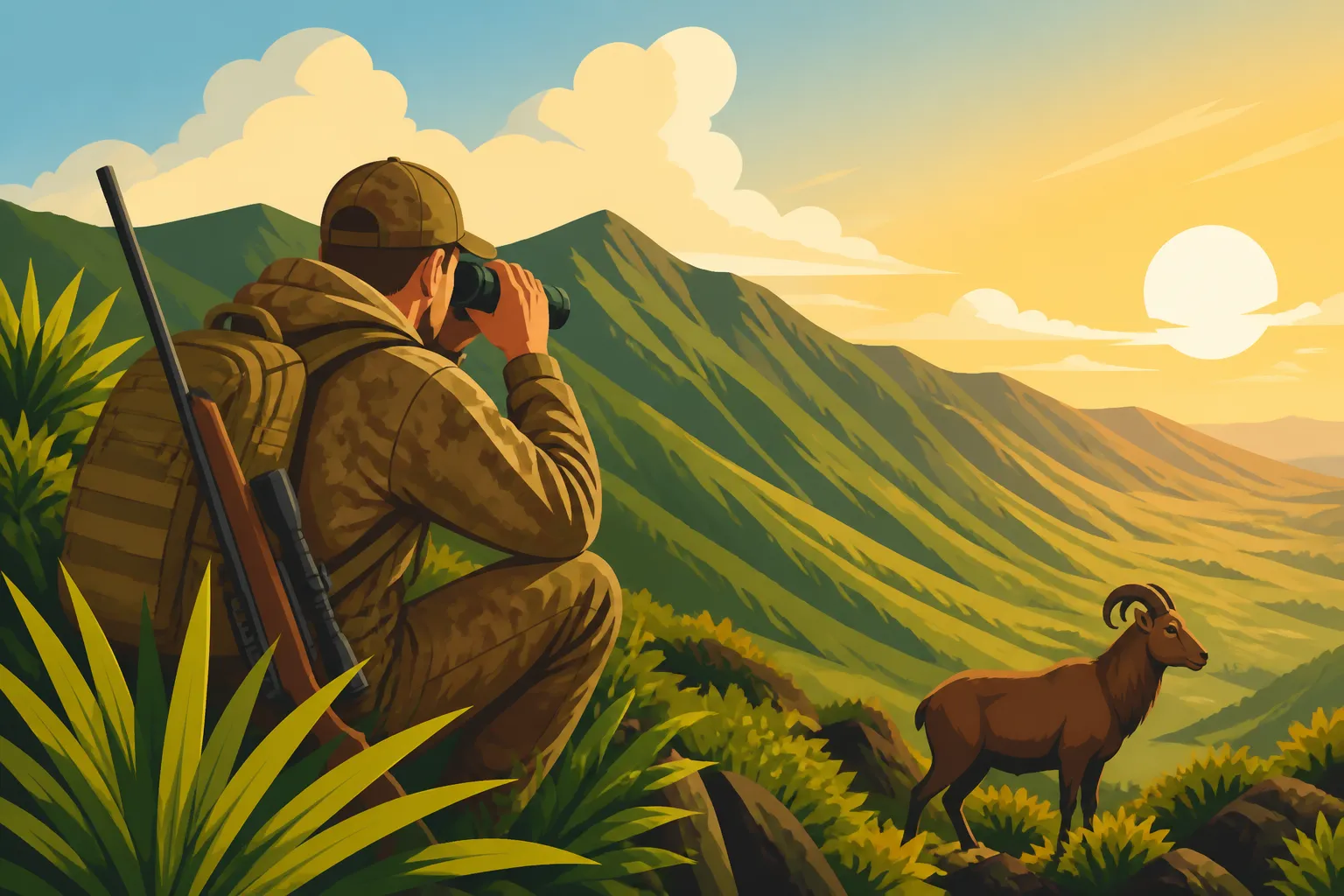
Hunting Haleakala’s Leeward Slopes
Hunting the leeward slopes of Haleakala on Maui is an experience unlike almost anything else you'll encounter in Hawaii. It's a land of stark beauty, rugged volcanic terrain, and challenging conditions that can quickly humble even experienced hunters. The lack of lush, verdant forests found elsewhere means you're often exposed, battling the sun and the elements as you search for elusive game. This guide is here to walk you through what to expect and how to prepare for a successful and safe hunt on these formidable, sun-baked slopes.
The Arid Majesty of Haleakala's Leeward Side
When most people picture Hawaii, they think of verdant rainforests, cascading waterfalls, and lush tropical foliage. While Maui certainly has its share of that on the windward side, the leeward slopes of Haleakala offer a completely different, almost desert-like landscape. This distinct environment presents unique challenges and rewards for the hunter. You're not just dealing with the typical Hawaiian humidity; you're facing dry heat, sharp lava, and sparse cover, all while navigating incredibly steep and broken country.
The Rain Shadow Effect and Its Impact on Habitat
The massive shield volcano of Haleakala creates a dramatic rain shadow effect. As the persistent trade winds push moisture-laden clouds up the windward slopes, they drop their rain, creating the lush ecosystems of Hana and the Makawao Forest Reserve. By the time those winds crest the summit and descend the leeward side, they are dry and warm. This results in an arid landscape, characterized by kiawe trees, buffelgrass, cactus, and exposed volcanic rock. Water sources are scarce, which fundamentally dictates where game animals live and move. Understanding this climate gradient is key to predicting animal behavior; what works in a wet gulch on the windward side simply won't cut it here. This severe environment means animals are often concentrated around the few available water points, especially during drier seasons, making these locations prime areas to scout.
Key Units and Access Challenges on the Leeward Slopes
Hunting on Haleakala's leeward side primarily occurs within specific public hunting units, often including portions of the Kahikinui Game Management Area and lower sections of Forest Reserves like Polipoli. Access can be a real hurdle. Many roads are unpaved, extremely rough, and require a high-clearance 4×4 vehicle. Some areas might even be gated, requiring specific access permits or keys, so checking with the Department of Land and Natural Resources (DLNR) or utilizing resources like the OuterSpatial App to Check In is crucial before you head out. Getting lost or stuck is a genuine concern, and cell service can be spotty to non-existent. You're often a long way from help, making self-sufficiency and proper planning absolutely paramount. For those thinking of tackling these units, be sure to reference official maps and check for any recent closures or special conditions. Navigating these remote areas demands diligence and respect for the terrain.
Game Animals of the Leeward Drylands
While the leeward slopes might seem desolate to the untrained eye, they are home to robust populations of feral goats and, in certain areas, axis deer and feral pigs. These animals have adapted remarkably to the harsh conditions, making them challenging and rewarding quarry.
Feral Goats: Masters of the Cliffs and Canyons
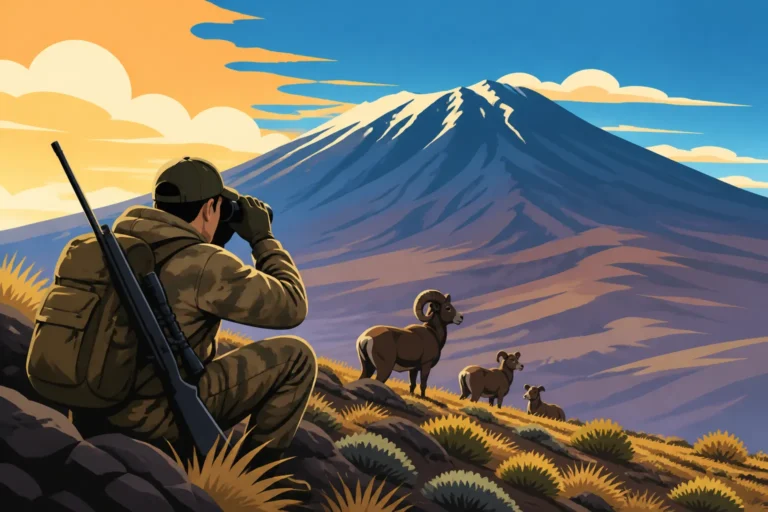
Feral goats are undoubtedly the kings of Haleakala's leeward slopes. They thrive in the steep, rocky, and open terrain, often seen grazing on sparse vegetation or scaling seemingly impossible cliffs. Their incredible agility and surefootedness make pursuing them a true test of endurance and skill. When pressured, they will disappear into deep gulches or scramble up sheer faces, using the terrain to their advantage. Hawaii's Feral Goats and Why They Matter explains their impact and prevalence across the islands. On Haleakala's dry side, these goats often move with the thermals, bedding down in shaded nooks during the heat of the day and emerging to feed in the cooler mornings and evenings. Spotting a big billy with impressive horns silhouetted against a setting sun on a steep ridge is a sight to behold, but getting to him is another story entirely. Their vigilance means you need to be constantly aware of the wind and any visual obstructions.
Axis Deer: Adapting to Arid Conditions
Axis deer, while more famously associated with the kiawe flats and pastures of central Maui or the lush terrain of Lanai, can also be found on the lower, drier slopes of Haleakala, particularly where there are still pockets of palatable forage or access to water. Their presence on these leeward slopes means they are incredibly hardy and resourceful. Unlike their counterparts in wetter regions, these deer often form smaller, more dispersed groups and are hyper-alert due to the open country. During dry periods, they will gravitate towards any green-up or water source, which can be few and far between. This makes Hunting a Water Source in Dry Hawaii Country a particularly effective strategy for these adapted deer. Watching their movements and understanding how they use the limited cover available will be critical to success. Their beautiful spotted coats blend surprisingly well with the dappled light and scrubby vegetation, demanding keen eyes and patience from the hunter.
Feral Pigs: The Elusive Scavengers
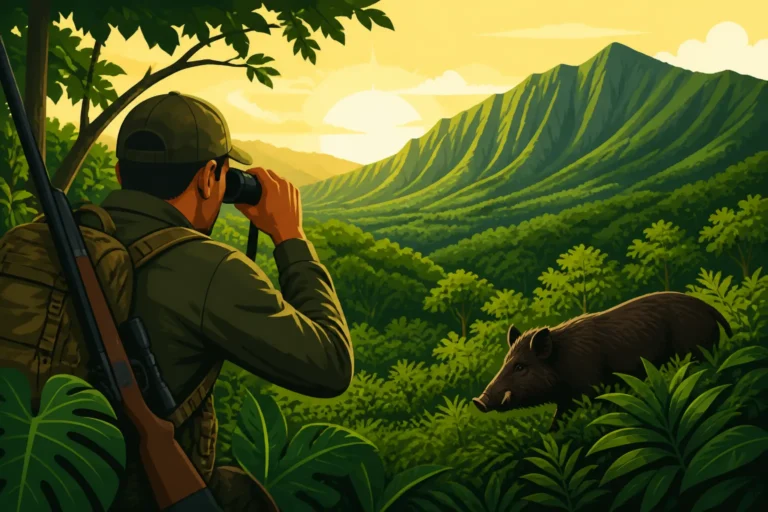
While feral pigs prefer the wetter, denser forests of Hawaii, don't be surprised to find them in the deeper, more vegetated gulches and drainages on Haleakala's leeward side. These pockets of moisture and thicker vegetation provide refuge from the sun and access to underground tubers and roots, even in otherwise dry country. Pigs here are often more nocturnal and secretive, using the limited cover to their advantage. You're less likely to see large sounders out in the open compared to the windward side. Instead, look for their distinctive rooting patterns, wallows, and rubs along the edges of these gulches or near any seeps or springs. Reading Pig Sign Along a Muddy Trail can be vital here, as any sign of moisture will be a magnet for them. A pig hunt on the leeward side usually means still-hunting quietly into these hidden oases, often involving steep descents and climbs, making for a physically demanding pursuit.
Strategic Approaches for Leeward Hunts
Hunting Haleakala's leeward slopes demands a different tactical mindset than hunting in Hawaii's wetter, denser areas. It's less about crashing through thick brush and more about patience, observation, and meticulous planning. The unforgiving terrain and climate will test your resolve and your gear.
Glassing and Spot-and-Stalk Techniques
Given the expansive, open nature of much of the leeward terrain, high-quality optics are not just recommended, they're absolutely essential. You'll spend a significant amount of time glassing from vantage points, systematically searching the ridges, gulches, and sparse flats for any sign of movement. Spotting animals from a distance gives you the advantage of planning your stalk carefully. Once you've spotted your quarry, the real work begins. Spot-and-Stalk Tactics on Open Country are paramount here. You'll need to use every contour, every kiawe tree, every rock outcrop to your advantage to close the distance. Wind direction is critical and can be tricky in the broken terrain, often swirling unpredictably in gulches or with shifting thermals as the day warms up or cools down. A long-range shot might be necessary, so practicing your marksmanship and being comfortable with calculating distances and bullet drop is a definite plus.
Physical Demands and Preparation
Let's be blunt: hunting Haleakala's leeward slopes is tough. The terrain is steep, rocky, and often covered in loose scree or sharp lava. The sun can be relentless, and the dry air will dehydrate you faster than you realize. This isn't a stroll in the park; it's a marathon. You need to be in good physical condition, capable of hiking long distances over uneven ground, ascending and descending steep grades, often with a pack. Your boots are your most important piece of gear – invest in sturdy, ankle-supporting boots designed for rugged, rocky terrain. Walking Rough Lava Without Wrecking Your Boots isn't just a suggestion; it's a necessity if you want to avoid blisters and wrecked footwear. Prioritize hydration and carry far more water than you think you'll need. Electrolyte supplements can also be a lifesaver. This is not the place to skimp on physical preparation.
Navigation, Safety, and Communication
With limited cell service in many of these remote areas, reliable navigation tools are critical. A GPS device or a robust app like onX Hunt downloaded with offline maps is an absolute must. Don't rely solely on your phone, as battery life can dwindle quickly in the heat and without signal. Always carry a physical map and compass as a backup. Inform someone of your hunting plans, including your intended unit and estimated return time. No Cell Signal on a Hawaii Hunt highlights the isolation you might face. First aid supplies, a headlamp, and emergency signaling devices are also wise additions to your pack. The dangers of getting lost, injured, or dehydrated are very real, so prioritize safety above all else. Using onX for Hawaii Land Status can help clarify boundaries, but always cross-reference with official state maps.
Essential Gear and Logistics for Leeward Hunts
Beyond the right tactics, having the right gear is non-negotiable for a safe and effective hunt on Haleakala's leeward slopes. The extreme conditions demand thoughtful choices in everything from your rifle to your water bottle.
Weapon Choices and Ballistics
Given the open nature of the leeward slopes and the potential for longer shots on wary goats or axis deer, a flat-shooting rifle caliber is often preferred. Think cartridges that perform well at extended ranges. Muzzleloaders and archery equipment are also viable options, but they significantly increase the challenge, requiring even closer stalks. If you're bowhunting, ensure your setup is tuned for accuracy and penetration, as the tough hide of a mature goat or axis buck demands it. Hawaii's Legal Rifle Calibers for Big Game outlines the regulations you need to follow. Always practice shooting from various positions, including prone and from makeshift rests, as stable shooting platforms can be hard to come by in the field. Remember, ethical shots are always the priority, regardless of your chosen weapon.
Hydration and Field Care in the Heat
I can't stress this enough: water is life on Haleakala's leeward side. Plan to carry at least a gallon of water per person per day, perhaps more, especially if you're exerting yourself in the midday sun. Hydration packs with large capacities are ideal. Beyond personal hydration, think about how you'll handle your game. The heat means meat can spoil quickly. Field Care in Hawaii's Heat and Humidity becomes even more critical in these conditions. Gutting and skinning promptly, then getting the meat into game bags and to a cooler as fast as possible, is paramount. Consider bringing a lightweight tarp to provide shade for your harvested animal while you process it. Some hunters even bring a small, insulated pack to carry out the most prized cuts immediately.
Permits, Regulations, and Local Knowledge
Before setting foot on these slopes, ensure you have your Hawaii hunting license and any required permits or tags for the specific units you plan to hunt. Regulations change, and what applies to one island or unit might not apply to another. The DLNR website is your go-to source for the most current information. Hawaii Hunting Licenses and What They Cost and Checking In and Out of Hawaii Hunting Units are fundamental steps. Also, don't underestimate the value of local knowledge. Chatting with seasoned local hunters, if you have the opportunity, can provide invaluable insights into current animal movements, water sources, and access conditions that might not be on any map. Respect the land, the rules, and the people who call this island home, and you'll find the experience all the more rewarding.
| Characteristic | Leeward Slopes (Haleakala) | Windward Slopes (General) |
|---|---|---|
| Climate | Arid, hot, dry, strong sun exposure | Wet, humid, frequent rain, dense cloud cover |
| Vegetation | Kiawe, cactus, buffelgrass, sparse scrub | Rainforest, thick undergrowth, fern gulches |
| Primary Game | Feral Goats, Axis Deer, some Feral Pigs | Feral Pigs, some Feral Goats |
| Terrain | Steep, rocky, loose scree, exposed cliffs | Steep, muddy, dense, slippery |
| Visibility | Often very open, excellent for glassing | Limited by dense vegetation |
| Hunting Style | Glassing, long-range spot-and-stalk | Still-hunting, dog hunting, tracking |
| Access | Rough 4×4 roads, gated, remote | Often vehicle access, muddy trails |
| Water Sources | Scarce, critical for animal concentration | Abundant, but can create impassable streams |
| Key Challenge | Dehydration, heat stroke, sharp terrain | Getting lost, mud, dense cover, mosquitos |
| Required Gear | High-quality optics, lots of water, sturdy boots | Rain gear, machete, compass/GPS, dog collars |
Disclaimer
This article is for general informational purposes only and does not constitute professional advice. Laws, prices and regulations vary by location and change over time. Consult a qualified professional for guidance on your specific situation.