Kauai County Unit Access Overview
Understanding where and how you can actually get your boots on the ground for hunting on Kauai can feel like trying to solve a cryptic puzzle written in an ancient language. The island's diverse terrain, coupled with specific unit boundaries and ever-changing access rules, often leaves hunters, especially those new to the Garden Isle, scratching their heads. This guide is here to untangle the complexities, offering a clear overview of Kauai County's public hunting units and how to navigate access to ensure a successful and compliant hunt.
The Unique Landscape of Kauai's Hunting Opportunities
Kauai, with its dramatic Na Pali cliffs, deep Waimea Canyon, and lush tropical rainforests, offers a hunting experience unlike any other in Hawaii. While the island might not have the Axis deer populations found on Maui or Lanai, it provides fantastic opportunities for Black-Tailed Deer Hunting in Hawaii in specific units, as well as robust feral pig and goat hunting throughout much of its public land. The challenge often isn't finding game, but rather understanding the specific regulations, access points, and terrain for each designated hunting unit.
The island's distinct geography creates microclimates, meaning you could be hunting in a dry, dusty kiawe forest one day and a rain-soaked, muddy guava thicket the next. This requires hunters to be adaptable and prepared for a wide range of conditions. Knowing which units offer what species, and more importantly, how to legally enter and exit them, is the first step toward a rewarding experience. It’s not just about drawing a tag; it's about mastering the logistics of this incredible island.
Hunting Kauai's Diverse Terrain
Kauai is often referred to as the "Garden Isle" for good reason, boasting incredible lushness, but this beauty also translates to incredibly rugged and often dense hunting terrain. From the high-elevation forests of Kokee to the challenging cliff faces along the coast, each unit presents its own set of physical demands and strategic considerations. Hunters must be prepared for steep ascents and descents, slippery conditions, and thick vegetation that can reduce visibility to mere feet. It's a place where a map and compass, or a reliable GPS app like onX Hunt, are not just helpful, but absolutely essential for staying found and navigating property lines.
Moreover, the weather can change in an instant. A sunny morning can quickly give way to heavy rain, especially on the windward side or in the higher elevations. This means bringing appropriate rain gear, sturdy boots that can handle both mud and sharp lava rock, and plenty of water, even if you think you’ll be in a wet area. The remoteness of some units also means that self-sufficiency is paramount, as cell service can be spotty to non-existent. No Cell Signal on a Hawaii Hunt is a common reality, so always have a backup communication plan.
Key Public Hunting Units on Kauai
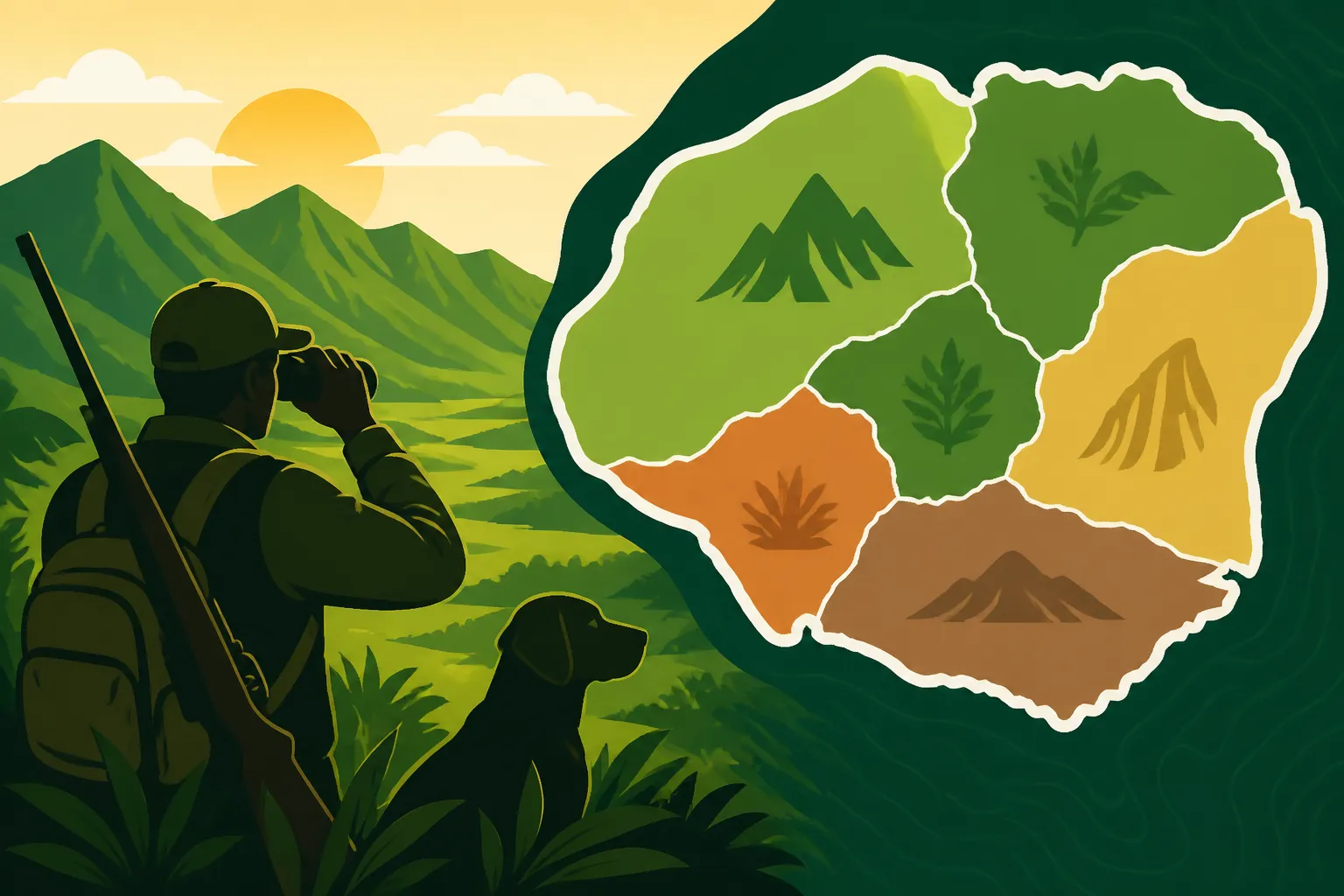
Kauai offers several well-known public hunting units, each with its own characteristics and primary game species. Understanding these distinct areas is crucial for planning your hunt. The primary units are often managed by the Hawaii Department of Land and Natural Resources (DLNR) Division of Forestry and Wildlife (DOFAW). Access to these areas generally requires checking in and out, either online through the OuterSpatial app or at designated check stations.
Let's break down some of the most significant public hunting units you'll find on Kauai:
Kekaha Game Management Area and Forest Reserve
The Kekaha region, located on the western side of Kauai, encompasses both a Game Management Area (GMA) and parts of the Kekaha Forest Reserve. This expansive area is known for its black-tailed deer population, as well as feral pigs and goats. The terrain here can vary from dry, brushy lowlands to more forested, higher elevations. It's a prime spot for Hunting Black-Tailed Deer in Kokee and the surrounding areas.
Access to Kekaha often involves driving unpaved roads, and a 4WD vehicle is highly recommended, especially during or after rain. There are multiple entry points, but hunters must adhere to strict check-in/check-out procedures. The units in Kekaha are generally open on weekends and state holidays, with specific seasons for different game species. Always consult the most current DOFAW regulations, which can be found on their website or through a resource like GoHunt. This area can be challenging due to its size and the tendency of game to move between public and adjacent private lands, so thorough scouting is a must.
Na Pali-Kona Forest Reserve
Venturing towards the rugged north-western part of Kauai brings you to the Na Pali-Kona Forest Reserve. This area is characterized by extremely steep terrain, deep valleys, and dense vegetation, often extending right to the iconic Na Pali Coast cliffs. It's primarily a pig and goat hunting area, offering some of the most physically demanding hunts on the island. Due to the extreme topography, Hunting Goats on a Sea Cliff Safely here requires exceptional caution and physical fitness.
Access here is often limited to foot travel, with some old trails that can be overgrown. Hunters must be prepared for serious hiking, vertical climbs, and navigating dense jungle. While the views are breathtaking, the hunting is equally challenging. This isn't a place for the faint of heart or those unprepared for a multi-day backcountry effort. Knowledge of Staying Found in Dense Hawaii Rainforest is critical, and a robust GPS system is non-negotiable.
Puu Ka Pele Forest Reserve
Adjacent to the Waimea Canyon and extending into the higher elevations, the Puu Ka Pele Forest Reserve offers another excellent opportunity for pig and goat hunting, and at times, some deer. The landscape here is a mix of dense forest, open ridges, and steep gulches that feed into the canyon system. This unit provides diverse habitat for game, but also presents significant access challenges due to its ruggedness.
Hunters often access Puu Ka Pele via roads that branch off the main highway leading to Kokee State Park. However, many of these roads quickly deteriorate into muddy, deeply rutted tracks. Again, a 4WD vehicle is essential. The hunting involves a lot of walking, often still-hunting through thick cover or glassing distant slopes for movement. Being familiar with Navigating a Hawaii Gulch System is a huge advantage, as pigs and goats frequently use these natural travel corridors.
Kokee and Waimea Canyon Country
The Kokee area, including the lands around the Waimea Canyon State Park, is perhaps the most famous hunting destination on Kauai, primarily for its black-tailed deer. Hunting the Waimea Canyon Rim for Deer is a quintessential Kauai hunting experience. This high-elevation country features a mix of native forest, introduced eucalyptus and pine stands, and brushy openings. Feral pigs and goats are also present, especially in the deeper parts of the canyon.
Access points are generally along the Kokee Road and its feeder roads. However, due to its popularity, these units can see significant hunter pressure, especially during opening weekends and holidays. Opening Weekend on a Hawaii Hunting Unit can be busy. Hunters should be prepared for varying weather, from cool, damp fog to bright, warm sun. The deer here are not huge in body size, but they are wary and offer a challenging hunt. Patience, good optics for glassing, and strategic still-hunting are key to success.
| Kauai Hunting Unit | Primary Game Species | Typical Terrain | Access Challenges | Key Considerations |
|---|---|---|---|---|
| Kekaha GMA/Forest Reserve | Black-tailed Deer, Pig, Goat | Dry brush, kiawe, higher elevation forest | Unpaved 4WD roads, heat, dust | Popular deer area, check for current deer seasons |
| Na Pali-Kona Forest Reserve | Pig, Goat | Extremely steep, dense jungle, sea cliffs | Foot access only, extreme physical demands, remoteness | Highly challenging, backcountry experience needed |
| Puu Ka Pele Forest Reserve | Pig, Goat, (Deer) | Dense forest, steep gulches, open ridges | Rough 4WD roads, mud, thick vegetation | Good for pigs/goats, near Waimea Canyon |
| Kokee & Waimea Canyon | Black-tailed Deer, Pig, Goat | Forested uplands, canyon slopes, open areas | Popularity, varying weather, steep sections | Premier deer hunting, can be crowded |
Navigating Access and Regulations for Kauai Units
Understanding the rules and how to legally access these areas is paramount. Hawaii's hunting regulations are managed by the DLNR's Division of Forestry and Wildlife (DOFAW) and can change, so always ensure you have the most up-to-date information before heading into the field. This isn't just a suggestion; it's a critical part of ethical and legal hunting in the islands.
Hunter Education and Licensing
Before you even think about stepping foot in a Kauai hunting unit, you'll need to satisfy Hawaii's hunter education requirements and purchase a valid hunting license. For residents, this typically means completing an approved hunter education course. Non-residents often have the option to provide proof of a hunter education certificate or a past hunting license from another state or country to obtain a letter of exemption. You can usually purchase your license online through platforms like GoHunt Hawaii, which simplifies the process greatly. Don't assume your mainland license is all you need; Hawaii has its own specific requirements. Who Needs Hawaii Hunter Education is a crucial topic to review.
Beyond the general hunting license, specific tags or permits may be required for certain species or units, particularly for black-tailed deer seasons. These often involve applying for a drawn hunt or acquiring specific permits that are unit-specific. Always double-check what is required for the specific unit and species you intend to pursue.
Check-In and Check-Out Procedures
Almost all public hunting units on Kauai require hunters to check in before entering and check out upon leaving. This system is critical for safety, harvest data collection, and managing hunter pressure. While some units still have physical check stations with paper cards, many have transitioned to digital check-in systems, like the OuterSpatial app. This app allows you to register your entry and exit electronically, often from your phone, even if you don't have cell service in the field – it syncs when you regain signal.
Failing to check in or out can result in citations, fines, and even suspension of your hunting privileges. It's a simple, non-negotiable rule. Ensure your phone is charged if using an app, or carry a pen if using paper forms. It's also a good idea to notify someone of your hunting plans and expected return time, especially when heading into more remote areas. Checking In and Out of a Hawaii Unit is a habit every Hawaii hunter needs to master.
Private Land Access and Boundaries
Kauai, like other Hawaiian islands, has a mix of public and private land. While this guide focuses on public unit access, it's vital to be aware of private land boundaries. Accidentally trespassing can quickly turn a great hunt into a legal nightmare. This is where tools like onX Hunt truly shine. By overlaying property boundaries on satellite imagery, you can confidently know whether you're on public land or about to cross onto private property.
Some private landowners on Kauai do offer guided hunts or access permits, which can open up additional opportunities, but these typically come with a fee. Always secure permission in writing if you plan to hunt private land, and respect the landowner's rules. Ignorance of boundaries is not an excuse for trespass. Keep an eye out for Hawaii Trespass and Closed Area Rules and posted signs.
Essential Tools and Tips for Hunting Kauai
Hunting on Kauai demands preparation, the right gear, and a good understanding of the local environment. It's not a place to cut corners on planning.
Navigation and Communication
Given the dense vegetation, steep terrain, and limited cell service in many areas, reliable navigation is your best friend. A good GPS device or a smartphone app with downloaded offline maps, like onX Hunt, is absolutely essential. Don't rely solely on cell signal. Always carry a physical map and compass as a backup, and know how to use them. For communication, especially in remote units, consider carrying a satellite messenger device. This can be a lifesaver for emergencies or simply to communicate your progress when out of cell range.
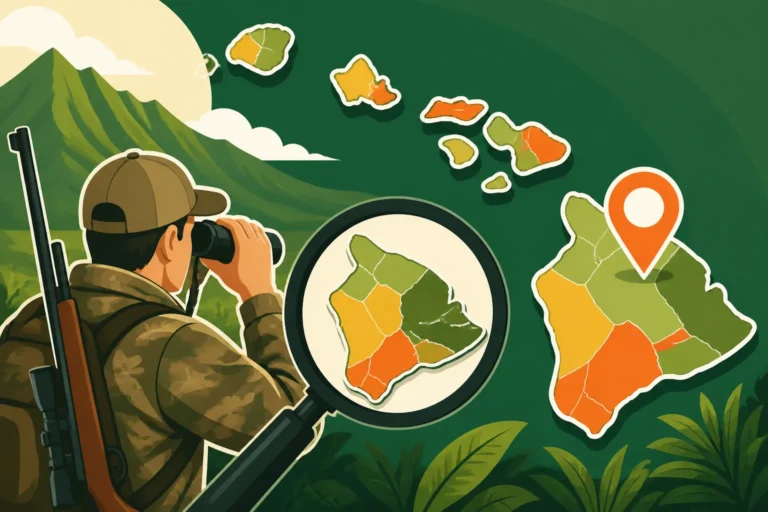
Understanding the terrain is also key. Reading a Hawaii Unit Boundary Map and studying contour lines can give you a significant advantage in planning your approach and understanding where game might travel. Know your escape routes and potential hazards like sheer drop-offs or deep, impassable gulches.
Gear for Kauai's Conditions
Your gear choices can make or break a hunt on Kauai. Sturdy, waterproof hiking boots with excellent ankle support are non-negotiable for navigating slippery trails, rocky lava flows, and muddy slopes. Lightweight, breathable, and quick-drying clothing is ideal, as you'll likely encounter both heat and humidity, as well as sudden rain. Good quality rain gear is also a must for any hunt in Hawaii, particularly on the wetter windward sides.
Beyond clothing, a comfortable backpack capable of carrying water, food, first-aid, field dressing supplies, and any game meat you harvest is critical. Game bags, especially those designed for cooling meat fast in warm conditions, are important. A sharp knife, headlamp, and emergency whistle should always be in your pack. If hunting pigs with dogs, Fitting a Cut Vest on a Catch Dog is crucial for their safety, and GPS collars for your dogs are invaluable in thick cover.
Physical Fitness and Mindset
Hunting Kauai is physically demanding. You'll be climbing, descending, and pushing through dense brush, often in hot and humid conditions. Being in good physical shape will not only make the hunt more enjoyable but also safer. Start a fitness regimen well before your trip, focusing on cardio and leg strength.
Mental toughness is just as important. Hunts can be long, frustrating, and physically exhausting without immediate reward. Maintaining a positive attitude, staying patient, and appreciating the incredible natural beauty around you will enhance the experience, even if you don't fill your tag. Remember, hunting in Hawaii is as much about the journey and the experience of these unique ecosystems as it is about the harvest. Be safe, be prepared, and enjoy the unparalleled adventure that is hunting on Kauai.
Disclaimer
This article is for general informational purposes only and does not constitute professional advice. Laws, prices and regulations vary by location and change over time. Consult a qualified professional for guidance on your specific situation.