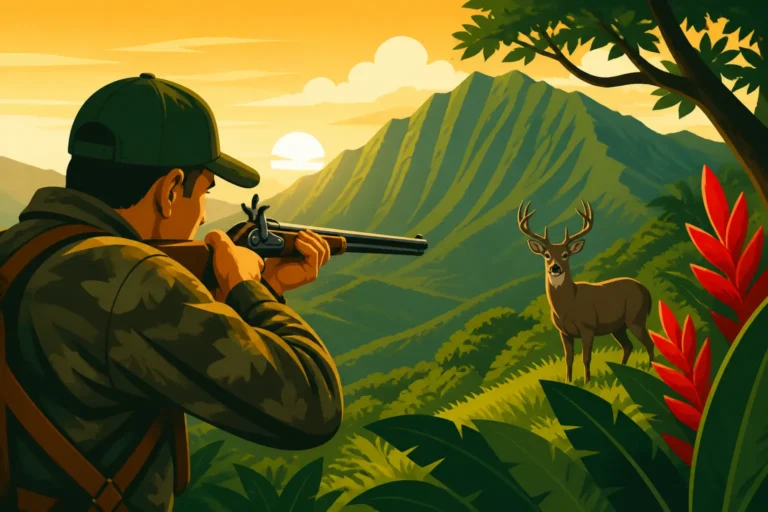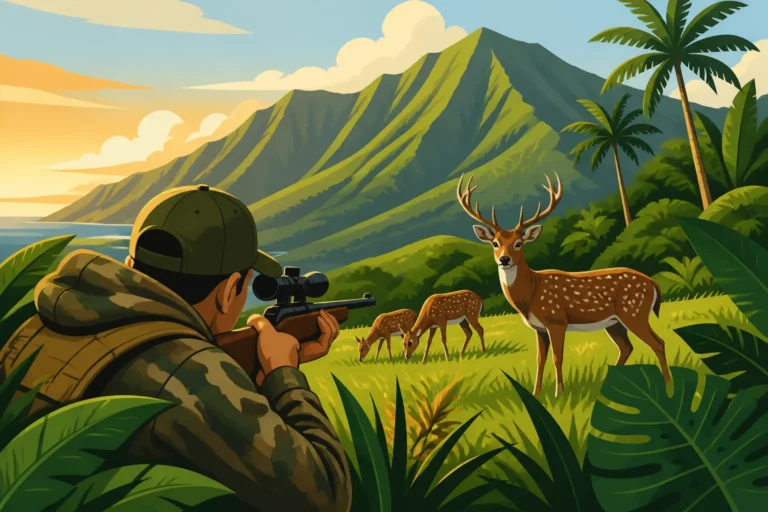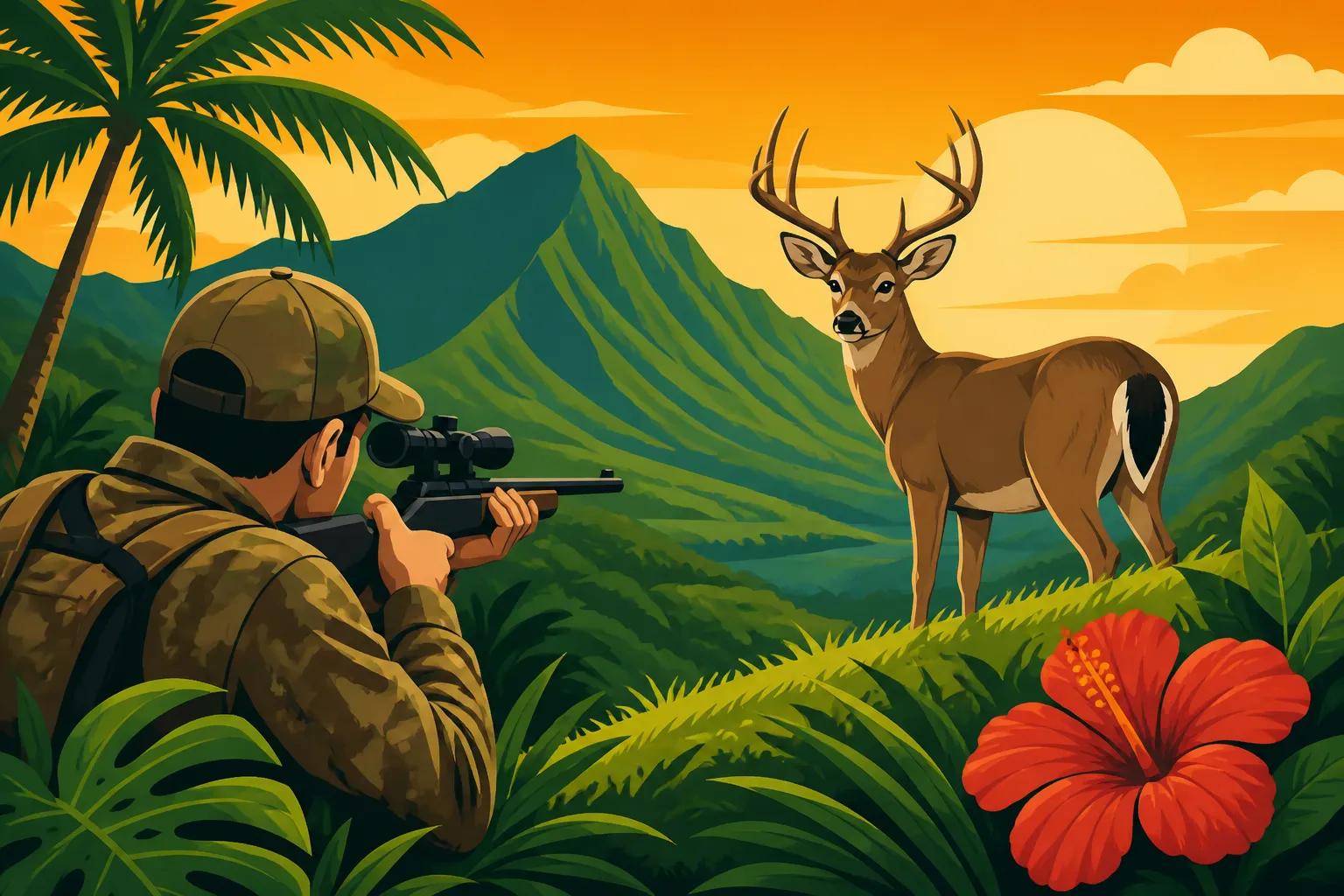
Black-Tailed Deer Hunting in Hawaii
Many hunters mistakenly believe Hawaii is only home to Axis deer, a common misconception that often overlooks the challenging and incredibly rewarding experience of pursuing Black-tailed deer on the island of Kauai. This guide is here to shed light on that unique pursuit, detailing everything from their surprising history on the Garden Isle to the specific tactics and preparations you'll need to successfully hunt these elusive deer in Hawaii's rugged, beautiful terrain.
The Unique Presence of Black-Tailed Deer in Hawaii
When you talk about deer hunting in Hawaii, most folks immediately think of Axis deer, and rightly so—they're abundant on Maui, Molokai, and Lanai. But for those in the know, or those willing to do their homework, Kauai offers a completely different and equally thrilling challenge: the pursuit of Black-tailed deer. These aren't just any deer; they're a unique island population, thriving in an environment far removed from their mainland cousins, and their presence here tells a fascinating story.
Tracing Their Journey to Kauai
It might surprise you to learn that Black-tailed deer, a subspecies of mule deer, are not native to Hawaii. Like almost all game animals in the islands, they were introduced. Specifically, these particular deer were brought to Kauai from Oregon and California in the 1960s and released into the Kokee area. The intent was likely to establish a new game animal for hunters, diversifying the opportunities beyond pigs and goats. Over the decades, these deer adapted remarkably well to Kauai’s diverse landscape, from the dense rainforests of the plateau to the drier, more open slopes of the Waimea Canyon. They found the abundant forage and lack of natural predators to their liking, and their population slowly but steadily grew, creating the unique hunting resource we have today.
How They Differ from Mainland Black-Tails
While genetically linked to their mainland counterparts, Kauai's Black-tailed deer have developed some characteristics that set them apart. Firstly, their size can sometimes be a bit smaller than what you might expect from a prime Black-tailed buck in, say, the Pacific Northwest. This is often attributed to the available forage and the island environment. However, don't mistake smaller stature for an easier hunt. These deer are incredibly tough, adapted to navigate the island's often steep, slick, and densely vegetated terrain. Their coloration can also vary slightly, sometimes appearing a bit lighter or darker depending on their specific habitat within Kauai. They also face different pressures; instead of cougars and wolves, their main challenge here comes from human hunters and the occasional feral dog. Their behaviors also reflect their island home; they often stick to thick cover, making them notoriously challenging to spot and stalk, and they've become adept at utilizing the island's dramatic elevation changes to evade detection. Understanding Why Black-Tailed Deer Stayed on One Island is key to appreciating their unique evolutionary path here.
Their Impact on Kauai's Ecosystem
Like any introduced species, Black-tailed deer have had an impact on Kauai's delicate ecosystem, particularly within the forested areas they inhabit. While not as destructive as the rapidly multiplying Axis deer on Maui Nui, their browsing habits can affect native understory plants and contribute to erosion on steep slopes. Their presence also creates competition for forage with other ungulates like feral pigs and goats, though their preferred habitats and diets can differ enough to minimize direct overlap in some areas. The Department of Land and Natural Resources (DLNR), Division of Forestry and Wildlife (DOFAW), manages these populations through hunting seasons to keep their numbers in check, aiming to balance hunting opportunities with ecological conservation goals. For hunters, this means your participation isn't just a recreational pursuit; it's a vital part of managing these populations and contributing to the overall health of Kauai's wild lands.
Where to Find Black-Tailed Deer on Kauai
Kauai's landscape is a study in contrasts, from verdant, wet rainforests to arid canyon lands. This varied terrain is precisely what makes hunting Black-tailed deer here so unique and challenging. Unlike other islands where deer might be found across vast tracts of land, Kauai's Black-tails are concentrated in specific public hunting areas, primarily in the western and northwestern parts of the island. Knowing these areas intimately is the first step to a successful hunt.
Kokee and Waimea Canyon State Parks
The heart of Black-tailed deer country on Kauai lies within and around Kokee State Park and the awe-inspiring Waimea Canyon State Park. These two parks, often referred to as the "Grand Canyon of the Pacific," offer a mosaic of habitats ranging from high-elevation montane forests to dry, scrubby canyon walls. Deer are found throughout these regions, often preferring the dense cover of the Kokee plateau forests, especially areas with a mix of native 'ohi'a and introduced pines, eucalyptus, and ironwood trees. The rugged gulches and steep slopes leading into Waimea Canyon also hold deer, providing incredible challenges for hunters. Hunting Black-Tailed Deer in Kokee requires keen observation and physical stamina, as the terrain can be brutal. You'll often find deer at various elevations, sometimes near the park roads in the early mornings or late evenings, but more often deep within the thickets or down in the canyon's folds. The cooler, wetter conditions of Kokee provide excellent browse, while the canyon offers shelter and pockets of feed.
The Na Pali-Kona Forest Reserve
Adjacent to and surrounding the state parks are portions of the Na Pali-Kona Forest Reserve. This expansive area extends from the western plateau towards the dramatic Na Pali Coast, though much of the coastal cliff face itself is largely inaccessible and not prime deer habitat. The interior sections of the reserve, however, are critical deer habitat. These areas are characterized by deep, often jungled valleys, steep ridges, and a mix of native and non-native vegetation. Deer here are notoriously shy and masters of concealment. Hunting in the Na Pali-Kona Forest Reserve demands even greater fitness and navigation skills due to the thicker cover and more remote nature of the terrain. Access points can be limited, and venturing deep into these areas requires thorough preparation, including reliable GPS and emergency communication devices. This is where the deer really test a hunter's patience and persistence.
Understanding Unit Boundaries and Access
Kauai, like other islands, divides its public hunting lands into designated units, each with specific rules, seasons, and access requirements. For Black-tailed deer, the primary hunting units are often referred to as Unit F and portions of Unit G, covering the Kokee and Waimea Canyon areas. It's crucial to obtain current maps from DOFAW or use a reliable hunting app like GoHunt to understand these boundaries precisely. Trespassing is a serious offense, and many areas bordering public land are private property. Access to these units is typically via paved roads that transition into unpaved, sometimes rough, forest roads. A 4×4 vehicle is often necessary, especially during wet weather when roads can become muddy and impassable. Hunter check stations exist, and it's mandatory to check in and out, either physically or through digital means like the OuterSpatial app. Understanding Kauai's Weekend Hunt Calendar and any specific unit closures is paramount before planning your trip.
Table: Key Kauai Black-Tailed Deer Hunting Units
| Unit Name | Primary Location | Terrain Characteristics | Key Access Points (General) | Species |
|---|---|---|---|---|
| Unit F (Kokee Area) | Kokee State Park & surrounding forests | High elevation forest, dense undergrowth, deep gulches | Kokee Road, various forest roads | Black-tailed Deer, Pigs, Goats |
| Unit G (Waimea Canyon) | Waimea Canyon State Park & adjacent lands | Steep canyon walls, dry scrub, interspersed forest pockets | Waimea Canyon Drive, side trails | Black-tailed Deer, Goats, Pigs |
| Na Pali-Kona Reserve | Interior sections west of Kokee | Dense rainforest, rugged valleys, steep ridges | Limited, some forest reserve roads | Black-tailed Deer, Pigs, Goats |
Remember, these are general descriptions; always consult the latest DOFAW regulations and maps for the most accurate and up-to-date information on Hawaii's Hunting Units and How They Work for Kauai.
Seasons, Licenses, and Regulations Specific to Kauai Black-Tailed Deer
Hunting Black-tailed deer on Kauai isn't a walk-in-the-park affair. It requires diligent research and adherence to specific regulations that differ from other islands. Missing a deadline or overlooking a rule can quickly derail your hunt before it even begins. It's not just about knowing where to go, but when and how you're allowed to be there.
Navigating Kauai's Drawn Hunts and Lottery System
Unlike the year-round opportunities for feral pigs or goats on some Hawaiian islands, Black-tailed deer hunting on Kauai is primarily managed through a drawn hunt or lottery system. This means you can't just buy a tag over the counter and head out. You'll need to apply for a permit-tag well in advance of the season. The application periods are specific and announced by DOFAW, usually months beforehand. This process helps manage hunter numbers and ensures a sustainable harvest. If you're a nonresident, or even a resident unfamiliar with the process, it can feel a bit daunting. Checking the DOFAW website or using a platform like GoHunt, which often aggregates this information, is critical. Be prepared for the possibility that you might not draw a tag on your first attempt, as these hunts can be quite popular. Understanding Hawaii's Drawn Hunts and Lotteries fully is essential for anyone hoping to pursue these unique deer.
Archery, Muzzleloader, and Rifle Season Windows
Kauai offers distinct seasons for different weapon types, typically dividing the hunting year into archery, muzzleloader, and rifle windows. Each of these seasons has its own set of dates and specific regulations regarding legal equipment.
- Archery Season: Often the earliest season, archery provides a long window for bowhunters. This method demands significant skill and patience, especially in Kauai's dense cover, where close encounters are a must.
- Muzzleloader Season: A dedicated muzzleloader season offers another primitive weapon challenge. Keeping powder dry in Hawaii's humidity can be a real battle, but it offers a unique hunting experience. Check specific caliber minimums and projectile rules.
- Rifle Season: The rifle season is usually the most popular and often has the shortest windows, frequently restricted to specific weekends. Kauai Rifle Deer Weekend Dates are crucial to note, and hunters must adhere to caliber restrictions and other safety rules.
Always verify the exact dates and rules for Kauai Black-Tailed Deer Season Dates directly from the current DOFAW regulations, as they can change annually. The bag limit for Black-tailed deer on Kauai is typically one deer per hunter per season, often specified as an either-sex tag, though this can vary.
Essential Gear and Legal Weapon Considerations
Beyond your chosen weapon, specific gear is non-negotiable for a Kauai Black-tailed deer hunt. The terrain is rugged, the weather unpredictable, and the cover thick.
- Footwear: Sturdy, waterproof hiking boots with excellent ankle support are paramount. You'll be traversing slippery, muddy trails, steep inclines, and potentially rough lava rock or uneven forest floor. Consider bringing gaiters to keep debris and water out.
- Rain Gear: Kauai is known as the "Garden Isle" for a reason – it rains a lot. Quality rain gear, including a waterproof jacket and pants, is not optional; it's essential for staying comfortable and safe.
- Navigation: A reliable GPS device or a smartphone with offline maps (like the OuterSpatial app or OnX Hunt) is crucial. Cell service is spotty to non-existent in many hunting areas. Don't rely solely on your phone.
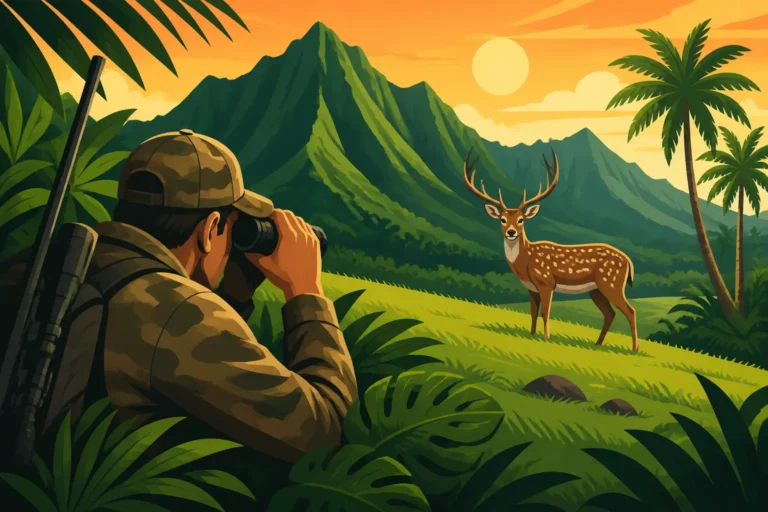
- Optics: Binoculars are vital for glassing canyon walls or open ridges, even in thick cover, for that slight flicker of an ear or a patch of hide.
- Safety Gear: A first-aid kit, emergency shelter, sufficient water, and high-energy snacks are a must. Blaze orange requirements are in effect during rifle seasons, so check the specific rules for Hawaii Blaze Orange and Safety Rules.
- Weapon Requirements: Ensure your rifle caliber meets the minimum requirements for big game in Hawaii. Archery equipment must also meet specific draw weight and arrow/broadhead specifications. For muzzleloaders, understand projectile types and powder limits.
Remember to bring a valid Hawaii hunting license. Understanding Hawaii Hunter Education Requirements is also crucial, as you'll need to prove completion to obtain your license. Nonresidents often need a Letter of Exemption.
Effective Hunting Strategies for Kauai Black-Tails
Hunting Black-tailed deer on Kauai is a completely different ballgame compared to, say, open-country Axis deer on Lanai. The dense vegetation, steep topography, and often wet conditions necessitate specific strategies and a whole lot of grit. These deer are masters of camouflage and cover, making every successful hunt a true testament to a hunter's skill and persistence.
Spot-and-Stalk in Kauai's Varied Terrain
While the "spot-and-stalk" method is common across Hawaii, its application on Kauai for Black-tailed deer takes on a unique flavor. You won't be glassing vast, open plains like you might for Axis deer. Instead, on Kauai, spot-and-stalk means utilizing small openings, old logging roads, jeep trails, or the edges of dense thickets.
- Glassing from Vantage Points: Despite the dense cover, high points overlooking canyon rims, steep gulches, or broad forest openings can be excellent for spotting. Deer often emerge into these areas at first light or last light to feed. Patience is key here. Spend long periods behind your optics, slowly picking apart every shadow, every cluster of ferns, every movement. Early mornings, when deer are most active and thermal currents are stable, are prime for this. Glassing a Hawaii Coastline for Goats tactics can be adapted here, focusing on edges and transitions.
- Slow, Deliberate Movement: Once a deer is spotted, or when moving through likely habitat, your movement needs to be incredibly slow and deliberate. Think "one step at a time," pausing frequently to glass and listen. The ground can be uneven, covered in slippery leaves, or riddled with roots, making quiet movement a challenge.
- Reading the Wind and Thermals: Kauai's wind patterns can be shifty, especially in the canyons and gulches. Understanding how thermals rise in the morning and fall in the evening is critical. Always try to approach with the wind in your face or across your body to prevent your scent from spooking deer. The dense canopy can sometimes hold scent longer, so be extra cautious.
The combination of steep terrain, thick cover, and unpredictable weather makes for a physically demanding hunt, where a well-executed stalk can take hours for just a few hundred yards.
Reading Sign in Dense Jungle and Open Ridges
Finding Black-tailed deer on Kauai often starts with finding their sign. Unlike other deer species that might leave obvious trails, these deer can be masters of moving through incredibly thick vegetation with minimal disturbance.
- Tracks and Trails: Look for fresh tracks along muddy game trails, especially near water sources, feeding areas, or crossing old roads. Black-tailed deer hooves are narrower and more pointed than pig tracks. They'll use trails, but often diverge into the thickest stuff.
- Browse Lines and Rubs: Pay attention to browse lines on shrubs and saplings, indicating where deer have been feeding. Bucks will also create rubs on small trees, particularly during the rut, to mark their territory and shed velvet. While their rut timing isn't as pronounced or consistent as mainland species, you'll still see these signs.
- Bedding Areas: In dense cover, look for flattened areas under thick bushes or trees, particularly on north-facing slopes for coolness, or areas with good visibility and escape routes. Finding fresh droppings can confirm a recent bedding site.
- Varying Habitat Use: Deer might be in the dense, wet forests during the heat of the day, seeking shade and cover, and then move towards more open ridge lines or canyon edges to feed at dawn and dusk. Understanding Hunting Hawaii's Rainforest Gulches for pigs can offer insight into how other animals move through dense, wet cover, which applies here too.
Learning to differentiate Black-tailed deer sign from that of feral pigs or goats, which also inhabit these areas, is a crucial skill you'll develop with experience.
Understanding Deer Behavior in the Islands
Kauai's Black-tailed deer behave somewhat differently than their mainland cousins due to the lack of natural predators (beyond humans and feral dogs) and the unique environment.
- Nocturnal and Crepuscular Tendencies: While they are active during the day, these deer often become more nocturnal in areas with high human pressure or during warmer periods. Focus your hunting efforts during the early morning and late evening hours when they are most likely to be moving and feeding.
- Exploiting Cover: They are incredibly reliant on thick cover for safety. Don't expect to see large herds grazing in open fields. They will use the smallest clumps of trees, gulches, and brush to remain hidden. Pushing through these dense areas, often called "still-hunting," involves moving very slowly and deliberately, scanning constantly.
- Rut Timing: The Black-tailed deer rut on Kauai is less defined than in temperate zones, sometimes occurring over a broader period. Bucks may be more active during these times, covering more ground in search of does, potentially making them more vulnerable.
- Water Sources: Even in a generally wet environment like Kauai, deer need water. Identifying seeps, small springs, or catchment areas can reveal travel corridors and feeding locations, especially during drier spells.
Ultimately, successful hunting of Kauai Black-tailed deer requires patience, stealth, physical fitness, and a deep respect for the challenging landscape they call home. It's a hunt that truly tests your abilities.
Challenges and Rewards of Hunting Kauai Black-Tails
Hunting Black-tailed deer on Kauai isn't for the faint of heart. It’s an adventure that pushes your physical and mental limits, but the rewards—a unique trophy, hard-won venison, and an unforgettable experience in some of Hawaii’s most stunning wild landscapes—are absolutely worth every ounce of effort. This is a hunt that truly strips away the easy comforts and forces you to engage with the wild on its own terms.
The Rugged Terrain and Weather Conditions
Kauai's topography is arguably the biggest challenge. You're not just walking; you're often climbing, descending, and traversing incredibly uneven ground.
- Steep Gulches and Ridges: The island is carved by countless steep gulches and knife-edge ridges. Finding a deer might be one thing; getting to it and then getting it out is another. The constant up and down will test your knees, ankles, and stamina. Expect to spend a significant portion of your hunt navigating these unforgiving features.
- Dense Vegetation: The "Garden Isle" lives up to its name with incredibly dense vegetation. Strawberry guava, hau bush, and various ferns form near-impenetrable thickets that drastically limit visibility and make quiet movement almost impossible. Even a short distance can feel like a monumental push through a green wall. This is where Staying Found in Dense Hawaii Rainforest becomes a critical skill.
- Slippery Conditions: With frequent rain, the ground is often muddy and slick. Exposed roots, wet rocks, and decaying leaves can turn a simple walk into a treacherous slide. Falling is a real possibility, and injuries like sprained ankles are common. Good boots and trekking poles are essential.
- Sudden Weather Changes: One moment it can be sunny and hot, the next a torrential downpour sweeps in. Fog can roll in quickly, reducing visibility to mere feet and disorienting even experienced hunters. Being prepared for all conditions, often within the same day, is non-negotiable.
These conditions aren't just uncomfortable; they can be genuinely hazardous. Hunters must always prioritize safety and know their limits.
Physical Demands and Preparation
Given the terrain and weather, physical fitness is paramount. This isn't a hunt where you can sit in a blind and wait.
- Stamina and Endurance: You'll be covering miles on foot, often with significant elevation changes, carrying all your gear. Long days in the field, sometimes from pre-dawn to dusk, require excellent cardiovascular endurance. Start a rigorous hiking regimen months before your hunt, incorporating steep inclines and uneven terrain.
- Strength: Carrying a pack, climbing over obstacles, and potentially dragging a deer out of a gulch all require considerable strength, especially in your core and legs. Cross-training and strength exercises targeting these muscle groups will pay dividends.
- Mental Toughness: Beyond the physical, the mental game is huge. The relentless terrain, the thick cover, the elusive nature of the deer, and the potential for bad weather can be incredibly frustrating. A positive attitude, persistence, and the ability to push through discomfort are just as important as physical prowess.
- Hydration and Nutrition: The exertion in a warm, humid environment means you'll sweat a lot. Proper hydration and calorie intake are crucial to avoid bonking. Plan your water intake carefully, especially if you're in an area with limited natural water sources.
Don't underestimate the demands of a Kauai Black-tailed deer hunt. It will test you, but overcoming these challenges makes the success even sweeter.
The Unforgettable Experience and Trophy Potential
Despite the difficulties, the rewards of hunting Black-tailed deer on Kauai are immense and deeply satisfying.
- A Unique Hawaii Trophy: Harvesting a Kauai Black-tailed deer is truly special. It's not as common as an Axis deer, and it represents a testament to your ability to hunt in one of the most challenging environments Hawaii has to offer. While their antlers might not always reach the mass of mainland Black-tails, the unique story behind the hunt makes them priceless.
- Delicious Venison: Black-tailed deer venison is lean, flavorful, and makes for excellent table fare. It's a healthy, organic source of protein, and knowing you earned that meat through hard work adds to its value. Field Dressing Axis Deer in Hawaii Heat provides valuable insights into caring for your harvest in a warm climate, which applies equally to Black-tails.
- Stunning Scenery: You'll be hunting in one of the most beautiful places on Earth. The views into Waimea Canyon, the lush green of Kokee forests, and the dramatic backdrop of Kauai's mountains are simply breathtaking. Even on unsuccessful days, the sheer beauty of the landscape is a powerful draw.
- Personal Growth: This hunt will challenge you in ways few others can. It builds resilience, self-reliance, and a deeper connection to the natural world. It’s an adventure that will create lasting memories and stories you’ll share for a lifetime.
Planning Your Kauai Black-Tailed Deer Hunt
A successful Black-tailed deer hunt on Kauai isn't something you can just decide to do a week before. It requires meticulous planning, often months in advance, especially for non-residents. From navigating permits to figuring out logistics, every detail needs attention. The more prepared you are, the more you can focus on the actual hunt once you're on the ground.
Securing Your Hunting License and Permits
This is the absolute first step. Without the proper paperwork, you won't be hunting.
- Hawaii Hunting License: You'll need a valid Hawaii hunting license. For non-residents, this requires a slightly different process than for residents, often including proof of hunter education from your home state or a The Nonresident Letter of Exemption. You can purchase these through the state's online portal, often linked via GoHunt.
- Black-Tailed Deer Permit-Tag: As mentioned, Black-tailed deer hunts are typically drawn hunts. You must apply for and be awarded a specific permit-tag for the Kauai deer season. Pay close attention to application deadlines, which are usually in the spring or early summer for fall hunts. Don't miss these!
- Unit Check-In/Out: Once you have your permit, you'll need to check in and out of the specific hunting unit on Kauai each time you enter and exit. This can be done via the OuterSpatial mobile app or at designated physical check stations. This is not optional and is strictly enforced. For more information on this, refer to Checking In and Out of Hawaii Hunting Units.
Start this process early, as delays or unexpected requirements can pop up.
Logistics: Travel, Lodging, and Gear Transport
Hawaii is remote, and getting yourself and your gear to Kauai requires careful planning.
- Air Travel with Firearms: If you plan to bring your own firearm, you must understand the rules for Flying to Hawaii With Firearms. This involves declaring your weapon with the airline, proper locking cases, and often registering it with the local police department upon arrival, even if it's just for hunting. It's a good idea to notify the airline well in advance. Alternatively, many hunters opt to rent a rifle from a local outfitter or guide.
- Inter-Island Travel: If you plan to hunt on Kauai but are staying on another island, remember that Inter-Island Travel on a Hawaii Hunt also has its own rules regarding firearms and meat transport. It's often easier to base yourself directly on Kauai for the duration of your deer hunt.
- Lodging: Accommodations range from hotels and vacation rentals in areas like Waimea or Kekaha (which are closer to the hunting units) to cabins within Kokee State Park. Booking well in advance is crucial, especially for the cabins, which are popular. Be realistic about driving times from your lodging to the hunting areas; Kauai's roads can be slow.
- Vehicle Rental: A 4×4 vehicle is often recommended, if not essential, for accessing many of the prime hunting areas within Kokee and Waimea Canyon, especially during wet weather. Ensure your rental agreement allows for off-pavement driving on designated forest roads.
Don't leave these logistics to the last minute; a smooth trip depends on thorough preparation.
Working with Local Knowledge and Guides
For many, especially first-time Kauai hunters, leveraging local knowledge can significantly enhance the experience and chances of success.
- Local Outfitters and Guides: While public land draws often prohibit commercial guiding on the hunt itself, some local guides may offer services for private land access (if available for deer) or pre-scouting assistance, gear rental, or logistical support. They can also provide invaluable insights into deer movements, recent activity, and current conditions. While not as prevalent for Black-tailed deer as for Axis, a quick search for "Kauai hunting guides" can help.
- Networking with Local Hunters: The hunting community in Hawaii is generally welcoming. Engaging with local hunters, respectfully asking for advice on general areas or conditions (without expecting specific "honey holes"), can be incredibly helpful. Online forums or local sporting goods stores can be good starting points.
- DOFAW Resources: The local DOFAW office on Kauai is an excellent resource for current regulations, maps, and general information about the units. Don't hesitate to call or visit their office.
- Scouting: Even if you can't be on the ground months ahead, Scouting a Hawaii Hunting Unit Before Opening through online maps, satellite imagery, and topographic maps can give you a significant advantage. Look for natural funnels, water sources, and areas with good cover and south-facing slopes.
Remember, the goal is to be as informed and prepared as possible, maximizing your time in the field.
Field Care and Post-Harvest Considerations
Congratulations! You've successfully navigated Kauai's challenging terrain, outsmarted a wary Black-tailed deer, and now have your animal down. But the hunt isn't truly over until the meat is processed and safely stored or transported. Field care in Hawaii's warm, humid climate is critical to prevent spoilage, and knowing your options for getting your hard-earned venison home is paramount.
Field Dressing in Hawaii's Warm Climate
The warm and often humid conditions on Kauai mean that rapid and thorough field dressing is absolutely essential to preserve the quality of your meat. Unlike cooler climates where you might have hours, here, minutes matter.
- Immediate Field Dressing: As soon as your deer is down, get to work. Gutting the animal immediately helps dissipate internal body heat, which is the primary cause of spoilage. Remove all internal organs, taking care not to rupture the stomach or intestines.
- Skinning (If Practical): If you are in an area where you can reasonably do so, skinning the deer in the field will further aid in cooling. However, be realistic about the terrain and your ability to keep the meat clean. In thick, muddy areas, this might be more of a hindrance than a help until you can get to a cleaner spot.
- Halving or Quartering: Breaking the animal down into smaller, more manageable sections (halving or quartering) allows for better airflow and easier packing. This is especially important when you're facing a long, arduous pack out of a deep gulch or up a steep ridge. The more surface area exposed to air, the faster it cools.
- Keeping it Clean: Hawaii’s environment can be wet and muddy. Do your best to keep the meat clean of dirt, leaves, and other debris. If you have access to a small amount of clean water, a quick rinse of the cavity can help, but ensure the meat dries quickly afterwards.
- Cooling the Carcass: After field dressing and breaking down the animal, the priority is to get the meat cooled as rapidly as possible. If you're packing out, hang quarters in the shade, if available, or lay them out on a clean tarp, elevated off the ground to allow air circulation. A sturdy game bag is highly recommended to protect the meat from flies and dirt. This process is similar to Cooling Meat Fast on a Hawaii Hunt for Axis deer.
Never underestimate the speed at which meat can spoil in Hawaii’s heat. Be prepared to act quickly and efficiently.
Transporting Your Harvest Off the Mountain
Getting a deer out of Kauai's rugged backcountry is often as challenging, if not more so, than the hunt itself. Prepare for a physically demanding pack out.
- Pack Frames and Bags: A sturdy external frame backpack or a dedicated meat-hauling pack is invaluable. Individual game bags for each quarter will keep the meat clean and allow for better airflow. Distribute the weight evenly to avoid strain.
- The Physical Challenge: Expect to be physically exhausted. The steep, often slippery trails, dense vegetation, and the sheer weight of the meat will push your limits. Take frequent breaks, stay hydrated, and don't rush. This is where fitness truly pays off. If you are hunting with a partner, taking turns carrying heavy loads can make a significant difference. You might find the advice on Packing Meat Out of a Hawaii Gulch highly relevant here.
- Vehicle Transport: Once you reach your vehicle, ensure you have a cooler large enough for the meat, preferably with ice or ice packs already inside. Get the meat into the cooler as quickly as possible. Layer ice in waterproof bags (to avoid direct water contact with the meat) between meat sections.
- Check-Out Procedures: Remember to check out of your hunting unit (via OuterSpatial or at a physical station) and tag your animal correctly as per DOFAW regulations. Ensure the tag remains with the carcass until processed.
Meat Processing and Taxidermy Options
Once the deer is off the mountain and cooled, you have choices for processing and preserving your trophy.
- Local Processing: There are local meat processors on Kauai, though their availability and services might vary. It's wise to research and contact them in advance to understand their capacity, pricing, and turnaround times. They can cut, wrap, and often freeze your venison.
- DIY Processing: Many local hunters choose to process their own deer, especially if they have the necessary tools, space, and experience. This can save money and give you full control over the cuts.
- Shipping Meat Home: If you're a nonresident, shipping venison back to the mainland can be a logistical challenge and expense. It typically involves freezing the meat solid, packing it in insulated shipping containers (like a Yeti or high-quality roto-molded cooler), and shipping via air cargo. Be aware of TSA regulations, airline policies for frozen perishable goods, and agricultural regulations for Shipping Game Meat Between Hawaii Islands or out of state. Contact your chosen airline and a shipping company (e.g., FedEx, UPS) well in advance for their specific requirements and costs.
- Taxidermy: If you've taken a buck with a respectable rack, you might consider having it mounted. There are a few taxidermists in Hawaii, though some hunters opt to cape the deer themselves (or have a processor do it) and ship the cape and antlers to a taxidermist on the mainland. Again, research shipping regulations for biological materials and antlers.
Proper field care and post-harvest planning are crucial to ensuring your hard-earned Black-tailed deer provides delicious meals and lasting memories.
Disclaimer
Please note that hunting regulations, seasons, and access rules in Hawaii are subject to change. It is imperative that all hunters consult the most current Hawaii Department of Land and Natural Resources (DLNR), Division of Forestry and Wildlife (DOFAW) regulations and any specific unit announcements before planning or engaging in any hunting activity. This guide is for informational purposes only and should not be considered a substitute for official state publications.