Kauai Black-Tailed Deer Season Dates
Finding specific hunting season dates for Kauai's black-tailed deer can feel like navigating a maze, especially when you're trying to plan a trip or just understand the opportunities on this unique island. It's easy to get lost in the excitement of a hunt, but forgetting to check those precise dates for Kauai's only deer species can turn a dream trip into a missed opportunity or, worse, a violation. This comprehensive guide is here to untangle the complexities, providing clear, up-to-date information on when you can pursue black-tailed deer on the Garden Isle.
The Unique Presence of Black-Tailed Deer on Kauai
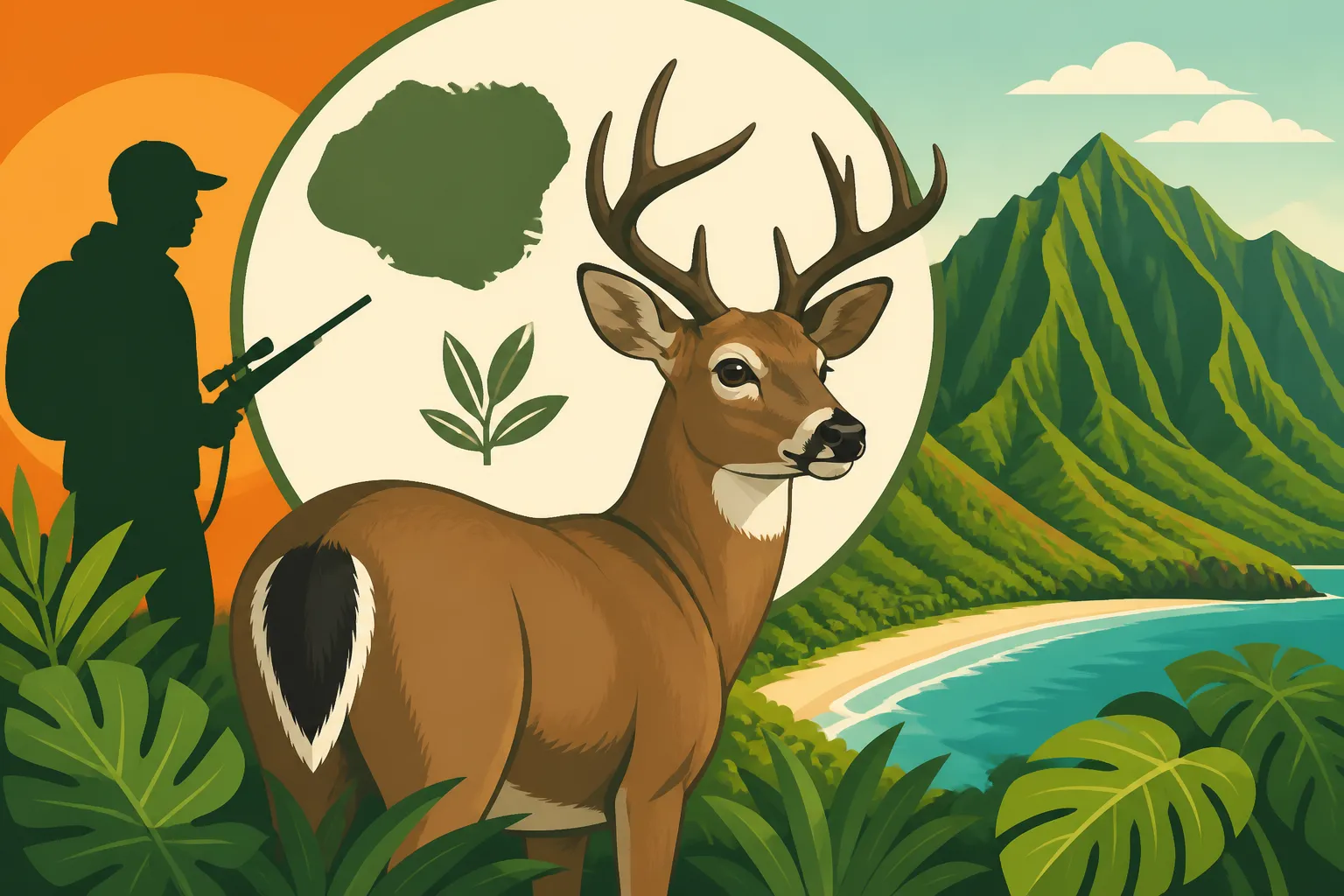
Unlike the widespread Axis deer found on Maui, Molokai, and Lanai, or the Mouflon sheep on Hawaii Island, Kauai stands alone as the Hawaiian island where you can hunt black-tailed deer. This distinction makes the island a truly special destination for deer hunters. However, their presence here also comes with specific management considerations and, therefore, unique hunting seasons.
Why Black-Tailed Deer Are on Kauai
The story of black-tailed deer on Kauai is a fascinating chapter in Hawaii's introduced species narrative. These deer, specifically the Columbian black-tailed subspecies, were brought to Kauai in the early 1960s from Oregon as a game animal. The intention was to provide hunting opportunities, much like other introduced species across the islands. What makes them unique is that Kauai’s environment and isolation have kept them largely confined to the western part of the island, primarily in the rugged, mountainous terrain of the Waimea Canyon and Kokee regions. They haven't established themselves on any other Hawaiian island, making a hunt for them a distinctly Kauai experience. The landscape they inhabit is incredibly diverse, from dense wet forests to drier, more open canyon lands, which influences their behavior and, subsequently, hunting tactics. Understanding their history and habitat is the first step in appreciating the seasons set for them. You can delve deeper into their story and impact by reading about Black-Tailed Deer in Hawaii.
General Hunting Philosophy for Black-Tails
Hunting black-tailed deer on Kauai isn't just about the calendar dates; it's about understanding the animal itself. These deer are known for being more solitary and elusive than their Axis deer cousins, often preferring thick cover. They are creatures of habit but can be incredibly wary. The hunting philosophy revolves around careful scouting, stealth, and adapting to the island's challenging terrain. Because they primarily inhabit public lands such as the Kekaha Game Management Area and the surrounding forest reserves, managing their populations through regulated hunting seasons is crucial. The seasons are designed to offer recreational opportunities while balancing ecological concerns, preventing overharvest, and maintaining a healthy deer population within their limited range. This means the season structure often accounts for herd health, fawn recruitment, and hunter access, which can be influenced by weather patterns like drought or heavy rains.
Official Kauai Black-Tailed Deer Season Dates
When it comes to planning your black-tailed deer hunt on Kauai, the exact season dates are your most critical piece of information. The Hawaii Department of Land and Natural Resources (DLNR), Division of Forestry and Wildlife (DOFAW), carefully sets these dates, often with specific units and weapon types in mind. It's paramount to consult the official DOFAW hunting regulations for the current year, as dates can be subject to change. The easiest way to access the most current information is usually through the GoHunt Hawaii portal, which is the official online platform for licenses and permits.
Archery Season Specifics
The archery season for black-tailed deer on Kauai typically offers one of the longer hunting windows, allowing archers ample time to pursue these elusive animals. Historically, the archery season tends to open in the early fall, often around September, and can run through late winter, sometimes into February or March of the following year. This extended period provides archers with diverse hunting conditions, from the tail end of warmer, drier months to the cooler, potentially wetter periods characteristic of Kauai’s winter.
Archery hunters on Kauai will find themselves primarily focused on Unit A, which encompasses the Kekaha Game Management Area (GMA) and parts of the surrounding forest reserves, including areas within the Kokee State Park complex. These regions are characterized by steep gulches, dense thickets of guava and ʻōhiʻa, and open grassy areas along ridges and canyon rims. The extended archery season can be a real blessing, allowing hunters to scout thoroughly, learn deer patterns, and adjust to the shifting weather. For instance, early season hunting might focus on water sources during dry spells, while later season hunts could involve tracking through muddy trails after heavy rains. The flexibility of a long season also means less pressure to rush a hunt, encouraging a more patient and strategic approach, which is often rewarded when chasing black-tailed deer. Always double-check the GoHunt platform for any specific unit subdivisions or special conditions that might apply to the archery season. For more detailed insights into bowhunting specifically, you might find our guide on Bowhunting Hawaii's Public Units helpful.
Muzzleloader Season Specifics
Muzzleloader season for Kauai black-tailed deer usually falls into a shorter, more concentrated window compared to archery. These seasons are often scheduled to coincide with prime deer activity periods, balancing hunting opportunity with management goals. Typically, you can expect the muzzleloader season to run for a few weekends, often in late fall or early winter, following the opening of the archery season.
Similar to archery, muzzleloader hunting is largely focused on Unit A, covering the Kekaha GMA and adjacent areas like the Waimea Canyon. The challenge here is not just the deer, but also keeping your powder dry in Hawaii's often humid environment, especially if you venture into the wetter parts of the canyon. Hunters during this period often report cooler temperatures, which can make for more comfortable hiking and better deer movement during daylight hours. The limited season length means hunters must be highly prepared and make the most of their time in the field. Scouting prior to the season is even more critical for muzzleloader hunters to identify active feeding areas or travel corridors. Remember to verify the specific dates and any special bag limits for Kauai Muzzleloader Deer Bag Limit directly from the official DLNR/DOFAW regulations, which are usually posted on their website and the GoHunt Hawaii platform well in advance of the season.
Rifle Season Specifics
The rifle season for black-tailed deer on Kauai is typically the most anticipated and often the shortest window, attracting a significant number of hunters. These seasons are usually structured as specific weekend hunts, often in the late fall or early winter months. The brevity of the rifle season often leads to higher hunter density in accessible areas, especially on opening weekends.
Like the other weapon types, rifle hunting for black-tailed deer takes place within Unit A, primarily encompassing the Kekaha Game Management Area and the vast, rugged landscapes around Waimea Canyon State Park and Kokee State Park. The focus for rifle hunters is often on covering ground efficiently and glassing open areas or canyon slopes. Given the "weekend-only" nature of these hunts, planning is crucial. Hunters might face varying weather conditions, from dry, dusty trails to slippery, muddy terrain depending on recent rainfall. Checking the specific dates for Kauai Rifle Deer Weekend Dates is non-negotiable, as these can vary slightly year to year. It's also vital to be aware of any specific rules regarding legal rifle calibers for big game and blaze orange requirements, which are standard safety measures during high-pressure rifle seasons. Access points can become quite busy, so early arrival is often advised. For those wanting to understand more about hunting these specific areas, a look into Hunting the Waimea Canyon Rim for Deer can provide valuable tactical insights.
Youth Hunt Weekends
Hawaii is committed to fostering the next generation of hunters, and Kauai often participates in youth hunting opportunities. These special youth hunt weekends are typically designed to give younger hunters (often under adult supervision) an exclusive or priority chance to hunt before or during the regular seasons, sometimes with specific tag allocations. For black-tailed deer on Kauai, if designated youth hunts are offered, they would usually fall within Unit A.
These opportunities are invaluable for teaching safe hunting practices, conservation ethics, and outdoor skills. Dates for youth hunts are announced by DOFAW and are critical for families planning to introduce their children to hunting. Eligibility usually depends on age and completion of hunter education requirements. Details on minimum age and adult supervision rules can be found in resources like Hawaii Youth Hunting Age Rules. Parents should keep a close eye on the official DOFAW announcements and the GoHunt Hawaii website for confirmed youth hunt dates for Kauai's black-tailed deer, as these can sometimes change or be added based on management needs. It's a fantastic way to ensure a dedicated, less crowded experience for young hunters learning the ropes.
Important Considerations Beyond the Dates
Knowing the season dates is just the beginning of planning a successful black-tailed deer hunt on Kauai. There are several other critical factors you need to consider to ensure you're legally prepared and have the best chance for a successful hunt. These include understanding the permit-tag system, fulfilling hunter education requirements, and knowing how to access the specific hunting units.
Permit-Tags and Application Process
Hawaii utilizes a permit-tag system for certain game animals, and black-tailed deer on Kauai fall under this system. This means that in addition to a valid Hawaii hunting license, you'll need to acquire a specific permit-tag for black-tailed deer before you head into the field. The process typically involves an application, often online, and payment of a fee.
The good news is that for many public land hunts on Kauai, the permits are generally available "over the counter" or online without a lottery, although this can always change for special circumstances. You'll typically purchase these tags through the GoHunt Hawaii platform after you've secured your hunting license. Each tag specifies the animal you can take (e.g., one either-sex deer) and must be physically attached to the carcass immediately after a kill. Understanding How Hawaii's Permit-Tag System Works is crucial to avoid any legal issues. It's not just about having the tag; it's about correctly attaching it and reporting your harvest. Make sure to buy your tag well in advance of your hunt, as processing times can vary, and you don't want to be caught empty-handed when the season opens.
Hunter Education and License Requirements
Before you can even think about buying a permit-tag or hitting the field, you must have a valid Hawaii hunting license. For both residents and non-residents, this requires completing a state-approved hunter education course. If you've completed a hunter education course in another state, you can typically use that certification to obtain a Hawaii hunting license, but non-residents need to provide a "Letter of Exemption" from their home state's wildlife agency.
The process of obtaining your license and ensuring you meet all hunter education requirements is outlined comprehensively in Hawaii Hunter Education Requirements. For residents, there are specific courses offered periodically on the islands. Non-residents planning a hunt must ensure they have all their paperwork in order well before their trip. It's not something you can typically do the day before your hunt. Always carry your valid hunting license and any required permits or tags with you while hunting, as wildlife officers conduct checks. The GoHunt Hawaii website is the primary portal for managing your license and hunter education verification.
Accessing Kauai's Deer Hunting Units
Kauai's black-tailed deer are predominantly found in the rugged western side of the island, primarily within the Kekaha Game Management Area (GMA), the Na Pali-Kona Forest Reserve, the Puu Ka Pele Forest Reserve, and the Kokee State Park area. These public lands comprise a vast, challenging landscape of deep canyons, steep ridges, and dense forests.
Accessing these units often involves navigating winding mountain roads, some of which may require a four-wheel-drive vehicle, especially during or after wet weather. Many trails are primitive, and some areas require significant hiking to reach. Hunters should be prepared for steep ascents and descents, and rough terrain. familiarize yourself with Kauai's Public Hunting Areas to understand the boundaries and regulations specific to each zone. It's also wise to use topographic maps or GPS apps like onX Hunt to understand the lay of the land, identify potential access points, and stay within legal hunting boundaries. Hunter check stations are sometimes present at entry points to these units, where you'll need to check in and out, whether through a physical card or the OuterSpatial app. Being prepared for the terrain is as important as knowing the season dates themselves.
Navigating Season Changes and Updates
While the Department of Land and Natural Resources (DLNR) strives to set stable hunting seasons, the dynamic environment of Hawaii means that dates and regulations can, and sometimes do, change. It's a reality that every Hawaii hunter, local or visitor, needs to be prepared for.
Why Seasons Can Change
Several factors can lead to adjustments in black-tailed deer season dates or unit rules on Kauai:
- Environmental Conditions: Prolonged drought can significantly impact deer health and population numbers, potentially leading to shortened seasons or reduced bag limits to protect the herd. Conversely, exceptionally healthy populations might see expanded opportunities. Heavy rains can also affect access to certain units, prompting temporary closures.
- Disease Outbreaks: While rare, the detection of diseases within the deer population could lead to immediate season changes or special regulations to prevent spread.
- Public Safety Concerns: Wildfires, active military training in adjacent areas (like PMRF), or other public safety incidents can necessitate temporary closures or alterations to hunting schedules.
- Management Objectives: DOFAW continuously monitors animal populations and habitat health. If management goals shift – for example, a need to reduce deer impact in a sensitive watershed or, conversely, to boost a struggling population – season dates, unit boundaries, or bag limits might be adjusted. Understanding Why DOFAW Shortens a Hawaii Season can offer more context.
- Legal Challenges: Though not always common for seasonal dates, legal challenges related to land use or environmental protection can occasionally impact hunting access or regulations.
These changes, while sometimes frustrating for hunters who have planned trips far in advance, are put in place with the health of the wildlife and the safety of the public in mind.
Staying Informed
Given the potential for changes, staying informed is paramount. Here’s how you can keep up-to-date:
- Official DOFAW Website: The Hawaii DLNR Division of Forestry and Wildlife (DOFAW) website is the primary source for all official hunting regulations and announcements. Look for annual hunting regulation pamphlets and any specific public notices regarding season changes for Kauai.
- GoHunt Hawaii: The GoHunt Hawaii online platform is an excellent resource, not just for licenses and permits, but also for official announcements and updates. Make it a habit to check this platform periodically, especially as the hunting season approaches.
- Local News and Community Boards: Local Kauai news outlets or community hunting forums sometimes carry announcements, though always cross-reference with official sources.
- Hunter Check Stations: While not an online source, physical hunter check stations often have posted notices. If you're checking in for a hunt, take a moment to read any posted updates.
- Contact DOFAW Directly: If you have specific questions or concerns and cannot find the information online, don't hesitate to contact the Kauai DOFAW office directly. Their staff can provide the most accurate and current information.
Always verify information from multiple reliable sources, and if in doubt, err on the side of caution. Showing up for a hunt only to find the season closed or changed is a real disappointment, so diligence pays off.
Kauai Black-Tailed Deer Season Overview
To help you get a clearer picture, here's a general overview of Kauai's black-tailed deer seasons. Please remember this is a summary based on typical past seasons and always requires verification with current official DLNR/DOFAW regulations for the specific year you plan to hunt.
| Weapon Type | Typical Season Window | Primary Hunting Unit | General Notes |
|---|---|---|---|
| Archery | Usually September to March (longer continuous season) | Unit A (Kekaha GMA, Waimea Canyon, Kokee areas) | Offers the longest hunting window, allowing for diverse weather conditions and extended scouting. Generally open daily during the season. |
| Muzzleloader | Short, specific weekends, often late Fall/early Winter (e.g., November-December) | Unit A (Kekaha GMA, Waimea Canyon, Kokee areas) | Concentrated period, typically a few designated weekends. Cooler weather often prevails. Requires precise timing and preparation. Bag limits may be specific (e.g., Kauai Muzzleloader Deer Bag Limit). |
| Rifle | Short, specific weekends, often late Fall/early Winter (e.g., November-December) | Unit A (Kekaha GMA, Waimea Canyon, Kokee areas) | Most popular weapon type, usually designated weekend hunts. Higher hunter density. Strict adherence to legal calibers and blaze orange rules is essential. Check for specific Kauai Rifle Deer Weekend Dates. |
| Youth Hunts | Special designated weekends, usually within or preceding regular seasons | Unit A | Dedicated opportunities for young hunters under adult supervision. Dates are announced separately and are critical for families planning these experiences. Always check eligibility and specific dates on GoHunt. |
This table provides a snapshot, but it's important to remember that the specifics, including bag limits, open days within the season, and exact boundary details, can only be confirmed by reviewing the official annual hunting regulations from the Hawaii DLNR/DOFAW.
Disclaimer
Hunting in Hawaii carries inherent risks due to challenging terrain, variable weather, and the presence of wild animals. The information provided in this guide is for general informational purposes only and does not constitute legal advice or a definitive statement of current hunting regulations. Hunting regulations, season dates, bag limits, and access rules are subject to change by the Hawaii Department of Land and Natural Resources (DLNR) and the Division of Forestry and Wildlife (DOFAW). It is the sole responsibility of each hunter to consult and comply with all current federal, state, and local laws and regulations before engaging in any hunting activity. Always confirm the latest information directly from official DOFAW publications or their official GoHunt Hawaii website. Neither the author nor the publisher assumes any responsibility for accidents, injuries, or legal infractions incurred while hunting.