Why DOFAW Shortens a Hawaii Season
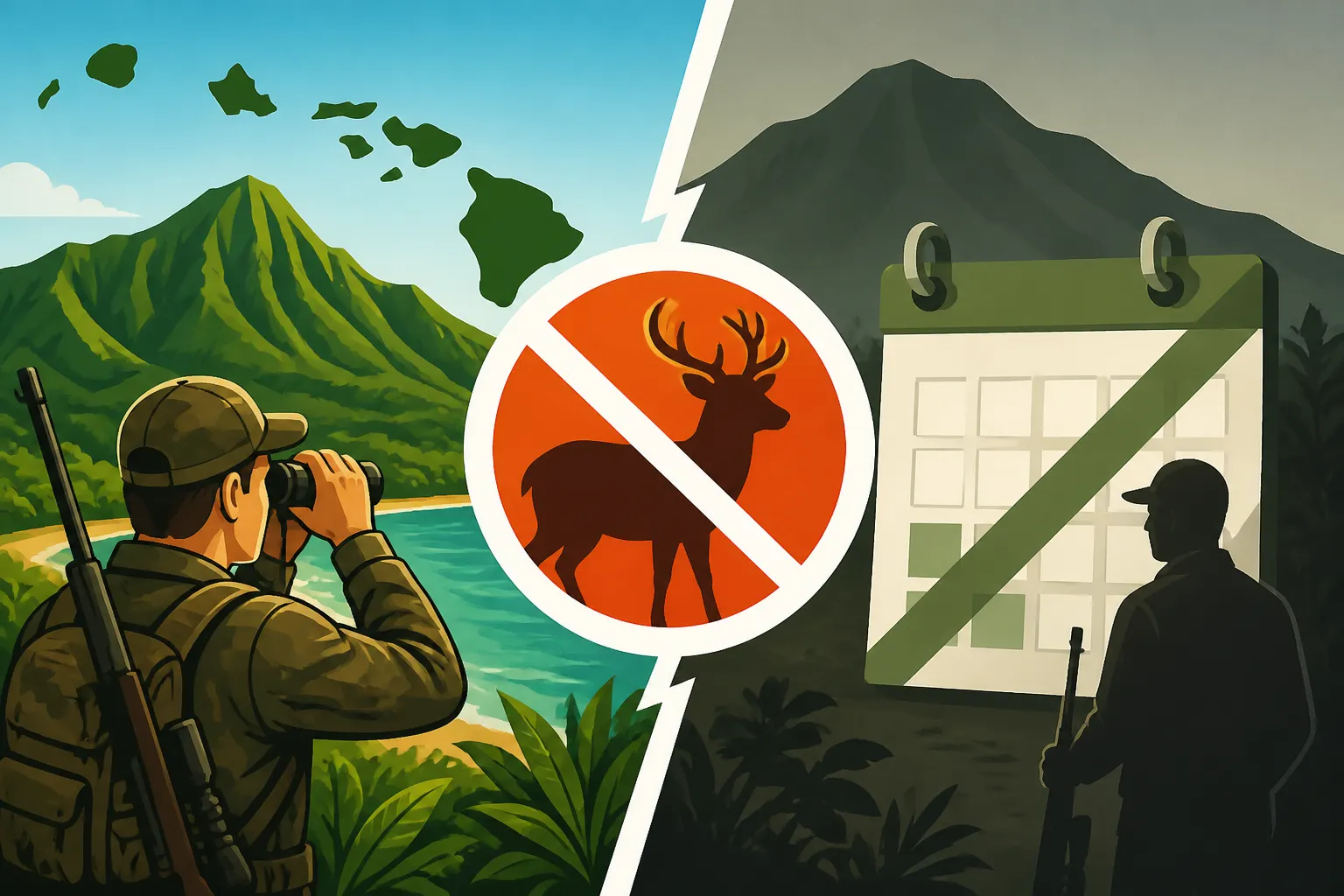
It’s a feeling every hunter in Hawaii has likely experienced: that knot in your stomach when you hear whispers, or worse, see an official announcement, that a hunting season you’ve been looking forward to has been shortened, shifted, or even canceled. You’ve put in the time scouting, perhaps purchased new gear, and certainly dreamt about that specific hunt. When the rug gets pulled out from under you, it’s not just an inconvenience; it can feel like a genuine loss, a disruption to plans made months in advance. Understanding why the Hawaii Department of Land and Natural Resources (DLNR), specifically its Division of Forestry and Wildlife (DOFAW), makes these tough decisions can help us all better navigate the unpredictability of hunting in our unique island environment.
Understanding the Role of DOFAW in Hawaii Wildlife Management
Before diving into the reasons for season changes, it's crucial to understand DOFAW's mandate. Unlike many mainland states where wildlife management primarily focuses on maximizing game populations for hunters, Hawaii's context is vastly different. Here, nearly all game animals—be it axis deer, feral pigs, mouflon sheep, or various game birds—are introduced species. While they provide fantastic hunting opportunities, many are also considered invasive, posing significant threats to Hawaii’s incredibly fragile native ecosystems, which evolved without large mammalian grazers or predators.
DOFAW is tasked with a dual responsibility: providing public hunting opportunities for these introduced species while simultaneously protecting and restoring native Hawaiian forests and wildlife. This balancing act means that hunting seasons and regulations are often designed not just around harvest goals, but also around ecological impact mitigation. When things shift, it’s usually because one side of that balance has been significantly affected, often by forces beyond anyone’s immediate control. They aren't just looking at how many animals are out there; they're looking at the bigger picture of the health of our land and its unique, irreplaceable species.
Common Reasons for Season Adjustments and Closures
There’s rarely one single reason why a season might be cut short or a unit closed. More often, it's a combination of environmental factors, game population dynamics, and public safety concerns that lead to DOFAW stepping in and adjusting the calendar. It’s a complex dance with nature, and sometimes nature calls the shots.
Environmental Catastrophes and Natural Disasters
Hawaii is a place of incredible natural beauty, but it's also prone to natural events that can dramatically impact hunting. Wildfires, for instance, are a constant threat, especially during dry summer months. A large fire burning through a public hunting unit can render it unsafe for hunters, destroy habitat, and temporarily displace game animals. In such cases, closing the unit, and thus shortening or canceling seasons within it, is a necessary step for public safety and allowing the ecosystem to begin its slow recovery. Imagine planning your Hawaii Game Bird Hunting trip to a specific area only to find it charred and closed off; it’s devastating, but necessary.
Hurricanes and tropical storms are another major player. While less frequent, a direct hit can cause widespread flooding, landslides, and make access roads impassable. It can take weeks or even months for units to be cleared and deemed safe again. These events not only affect the landscape but can also impact animal movement and distribution, making traditional hunting patterns irrelevant. I remember one year on Maui, after a particularly bad storm, several popular deer units had their seasons delayed indefinitely because key access roads were washed out.
Fluctuations in Game Populations and Habitat Health
Wildlife populations in Hawaii are rarely static. They respond to rainfall, food availability, and hunting pressure. If a species' numbers drop significantly in a particular area, whether due to a prolonged drought, disease, or even overharvest in previous seasons, DOFAW might shorten or close a season to allow the population to rebound. This isn't just about preserving animals for hunting; it's about maintaining ecological balance, especially for invasive species that can quickly decimate native plant life if unchecked, or disappear if not managed properly.
Conversely, a season might be shortened if an area is experiencing unusually high pressure, or if animals are congregating in sensitive areas. For instance, a very dry year might push axis deer to concentrate around fewer water sources. If these sources are close to private lands or high-traffic areas, or if the concentration makes them particularly vulnerable, DOFAW might adjust season length to prevent undue stress on the population or mitigate conflicts. This is often seen when hunting Axis Deer, Hawaii's Signature Big Game or even Hawaii's Feral Goats and Why They Matter in dry, arid regions.
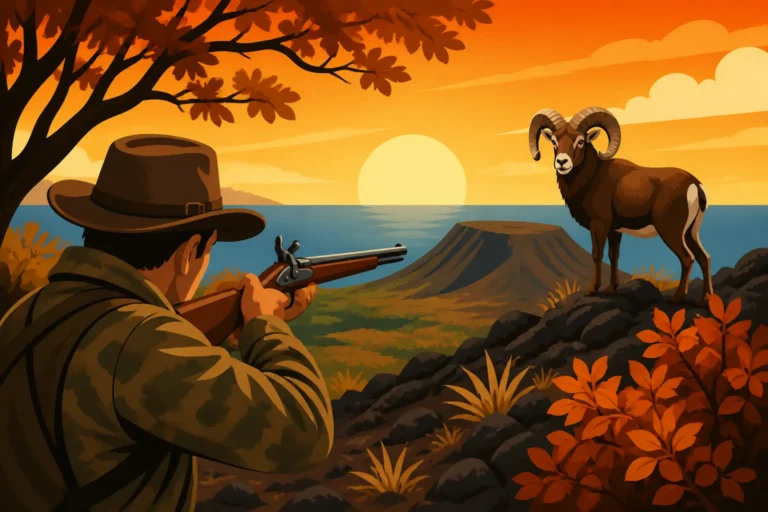
A prime example is the management of mouflon sheep on Mauna Kea on Hawaii Island. The populations here are actively managed with conservation goals in mind, aiming to protect the endangered Palila bird. If sheep numbers are deemed too high in critical Palila habitat, seasons might be adjusted or special control measures implemented, potentially shortening traditional hunting windows in certain zones. This interplay highlights the unique complexities of hunting Mouflon Sheep on Hawaii's Volcanoes in Hawaii.
Public Safety and Management Operations
Sometimes, season changes have less to do with the animals themselves and more to do with people. DOFAW may shorten or close a season due to:
- Active Military Operations: On islands with significant military presence, like the Big Island with the Pohakuloa Training Area, military exercises can overlap with hunting units. These areas, while sometimes open for hunting, are subject to military closures for safety reasons, which can unexpectedly cut a hunting season short. You might have your Muzzleloader Hunting in Hawaii trip planned around specific dates, only to find the unit suddenly unavailable.
- Other Public Land Use: Occasionally, large-scale events, research projects, or even intense public use in certain areas might lead to temporary closures. While less common for entire seasons, it can certainly impact specific weekends or weeks.
- Conservation Efforts and Habitat Restoration: DOFAW might need to conduct focused habitat restoration projects, fence repairs, or ungulate control efforts in certain units. To ensure the safety of personnel and the effectiveness of their work, they may close a unit to public hunting for a period. This is a common practice, especially around Hawaii's Fenced Conservation Boundaries where vulnerable native forests are being protected.
- Disease Outbreaks: Although rare for game species in Hawaii, outbreaks of diseases that could affect game animals or even spread to humans (like leptospirosis from pigs) could necessitate closures or restrictions. Public health is always a priority.
How Hunters Are Notified of Changes and What to Do
The good news is that DOFAW tries its best to communicate these changes as widely and as quickly as possible. However, given the vastness of the state and the various channels, it's really up to us, as hunters, to stay vigilant and informed.
Official Communication Channels
DOFAW primarily uses its official website to post announcements regarding season changes, lottery results, and unit closures. You’ll typically find these under "News Releases" or the specific hunting program pages for each island. They also utilize email newsletters, so if you're not signed up for those, you definitely should be. These emails often provide a heads-up or direct link to critical updates.
For those who use it, the OuterSpatial App to Check In can also be a valuable resource. While its primary function is for checking in and out of units, it also serves as a platform for official announcements and alerts. It's becoming an increasingly central tool for Hawaii hunters. Beyond digital channels, physical notices are usually posted at hunter check stations and on bulletin boards near affected hunting units.
What Hunters Can Do to Stay Informed
Proactive engagement is key. Don't wait until the week before your hunt to check for updates.
- Subscribe to DOFAW Email Lists: This is probably the single most effective way to get immediate alerts.
- Regularly Check the DOFAW Website: Make it a habit to check the hunting section of the DLNR-DOFAW website, especially for your target island and unit, a few weeks or months before your planned hunt.
- Utilize GoHunt Hawaii: While not an official DOFAW site, online platforms like GoHunt can be invaluable resources. They often aggregate news and provide updates, and in some cases, you can even purchase your Hawaii Hunting Licenses and What They Cost and apply for certain permits through linked systems. It's a convenient hub for a lot of your hunting administration.
- Connect with Local Hunter Networks: Word travels fast in the hunting community. Join local hunting groups, forums, or social media pages. While unofficial, these communities can often provide early warnings or discuss nuances that might not be immediately apparent in official announcements.
- Call the Local DOFAW Office: If you have specific questions or can't find clear information, don't hesitate to call the DOFAW office on the island you plan to hunt. They are typically very helpful in clarifying regulations and closures. Remember to do this during business hours, and be patient, as they often handle many inquiries.
It's also a good idea to be familiar with the broader regulatory framework, such as Hawaii's Hunting Units and How They Work and Hawaii Game Mammal Seasons or Hawaii Game Bird Seasons and Bag Limits to understand what baseline rules apply before any changes are made.
The Broader Impact of Season Changes on Hunters and the Ecosystem
When a season is shortened or canceled, it's more than just a changed date on a calendar. For many, it impacts their entire year's planning, vacation time, and even financial commitments made for guides, travel, or lodging. It can be particularly frustrating for non-resident hunters who have spent a considerable amount of money and time planning a trip to the islands.
Hunter Frustration and Adaptability
The immediate impact is often frustration. Hunters often spend significant time scouting, learning Reading Axis Deer Sign in Dry Country or Still-Hunting Pigs in Hawaii's Wet Forest, and preparing for specific conditions. A sudden closure can negate all that effort. However, it also highlights the need for adaptability. Successful Hawaii hunters learn to be flexible. Having a backup unit or a secondary target species in mind can turn a potential disappointment into a new opportunity. For example, if your archery deer season on Lanai gets shortened, perhaps exploring public units on Hawaii Island for pigs or goats, where seasons might be more stable, becomes an option.
Ecological Benefits and Long-Term Sustainability
While inconvenient in the short term, DOFAW's decisions to shorten or adjust seasons are almost always made with the long-term health of Hawaii's ecosystems and game populations in mind. By responding to environmental pressures like drought or fire, they help ensure that game animals have a chance to recover, and that critical native habitats are protected from over-browsing or other impacts. These actions contribute to the overall sustainability of hunting in Hawaii.
For example, reducing hunting pressure during a severe drought might prevent excessive stress on deer populations, ensuring better herd health in subsequent years. Similarly, closing a unit for extensive pig control or fencing projects, even if it cuts into a hunting season, is an investment in protecting fragile native forests that benefit all species, including the very game animals hunters pursue, by preserving their forage and cover. It’s a bitter pill to swallow when your hunt is affected, but it’s often for the greater good of what makes Hawaii’s hunting unique and special. This perspective is vital for understanding How Hawaii's Permit-Tag System Works and how closely it ties into the state's broader conservation strategies.
Ultimately, while the short-term impact of a shortened season can be tough, recognizing the underlying reasons—from protecting our unique environment to ensuring healthy game populations for the future—helps us appreciate the complex and often thankless job DOFAW has in balancing public hunting with critical conservation.
Seasonal Change Reasons and Impact Summary
Here’s a quick overview of some common reasons DOFAW might shorten or cancel a hunting season in Hawaii, and what that might mean for you:
| Reason for Change | Likely Impact on Season/Unit | Hunter Action/Consideration | Example Species/Unit Affected |
|---|---|---|---|
| Wildfire | Unit closure (temporary to long-term), season cancellation | Check DOFAW news, consider alternate units/islands | Any dry, brushy unit on Maui or Hawaii Island |
| Severe Drought | Season shortening, bag limit reduction, water source restrictions | Monitor water availability, focus on areas with remaining resources | Axis Deer (Maui, Molokai), Mouflon (Hawaii Island) |
| Hurricane/Tropical Storm | Access road closures, unit damage, delayed opening | Patience, check road conditions, contact DOFAW for updates | Any island, especially coastal or high-elevation units |
| Low Game Numbers | Season shortening, species-specific closures, adjusted bag limits | Research population trends, focus on areas with healthier populations | Specific game bird species in certain areas, localized goat populations |
| Public Safety Concerns | Unit closure due to military operations or other events | Stay updated on military schedules, verify unit status | Pohakuloa Training Area (Hawaii Island), military lands on Oahu |
| Conservation Project | Temporary unit closure for fencing, habitat work, ungulate control | Understand the long-term benefits, explore other units | Fenced conservation areas, Hunting Hawaii's Kipuka Islands of Forest |
| Disease Outbreak | Species-specific closures, public health advisories | Follow health guidelines, proper field care, report unusual findings | Feral Pigs (leptospirosis concerns) |
Disclaimer
Hunting in Hawaii involves inherent risks, and regulations can change. Always consult the most current Hawaii Department of Land and Natural Resources (DLNR) Division of Forestry and Wildlife (DOFAW) regulations and official announcements before planning or engaging in any hunting activity. This guide is for informational purposes only and does not supersede official state regulations.