What Happens When a Hawaii Season Is Cancelled
There’s almost nothing more frustrating than putting in the time, effort, and even money to plan a Hawaii hunting trip, only to hear whispers or, worse, an official announcement that the season you were counting on has been canceled or heavily modified. It throws a wrench into everything, leaving you wondering what went wrong and what on earth you’re supposed to do next. This guide is here to walk you through the common reasons behind these season changes, how you’ll find out, and what options you might have when your eagerly anticipated hunt gets derailed.
Why Hawaii Hunting Seasons Get Canceled or Adjusted
Hawaii's unique ecosystems and the way hunting is managed here mean that season cancellations or adjustments aren't as rare as you might hope. It’s not just a matter of changing your personal schedule; these decisions are usually made for compelling reasons related to wildlife management, public safety, or environmental conditions. Understanding these factors can help you anticipate potential issues, even if it doesn't make the disappointment any easier to swallow.
Environmental Factors: Drought, Fire, and Flood
The islands might seem like a paradise, but they face their share of environmental challenges that directly impact hunting seasons.
- Drought Conditions: We often associate Hawaii with lush, wet landscapes, but many areas, especially on the leeward sides of islands like Maui, Lanai, or the Big Island, experience significant drought. Prolonged dry spells can severely stress game animals like Axis deer and mouflon, impacting their health, water sources, and forage. When populations are struggling, or if animals are congregating unnaturally around limited water, the Department of Land and Natural Resources (DLNR) Division of Forestry and Wildlife (DOFAW) might close a season to protect the herd. Imagine planning a hunt for Axis deer in a kiawe flat only to find the area bone dry and the deer populations severely impacted; sometimes, a closure is the only responsible action.
- Wildfires: With dry conditions comes the increased risk of wildfires. Forest and brush fires can sweep across vast areas, destroying habitat, displacing animals, and creating extremely hazardous conditions for hunters. If a unit is actively burning, or if the risk is extremely high, DOFAW will close it to ensure public safety and allow first responders to do their critical work. These closures can be sudden and extend for weeks or even months as the land recovers.
- Heavy Rains and Flooding: While less common for cancellation, extreme weather events like heavy rains can lead to unit closures, especially in areas with steep gulches and stream crossings. Flash floods can make roads impassable and turn normally manageable terrain into a dangerous mess. These are usually temporary closures, but they can definitely disrupt a weekend hunt.
Wildlife Management and Population Dynamics
Hawaii’s game animals are almost all introduced species, and managing their populations is a delicate balance, often influenced by their impact on native ecosystems.
- Declining Animal Numbers: Sometimes, the numbers just aren't there. If DOFAW surveys indicate a significant drop in a particular species’ population within a specific unit, whether due to disease, over-harvest in previous seasons, or other environmental stressors, they might cancel or shorten a season. This is particularly true for species with more limited ranges or lower populations, like certain segments of the mouflon sheep population on Mauna Kea. While frustrating for hunters, it’s a necessary step to ensure future hunting opportunities.
- Disease Outbreaks: Wildlife diseases, though not always widely publicized, can sometimes necessitate a hunting season adjustment. If a virulent disease is detected that could spread rapidly through a population, or pose a risk to hunters or domestic animals, temporary closures might be put in place. This is a rare but serious consideration.
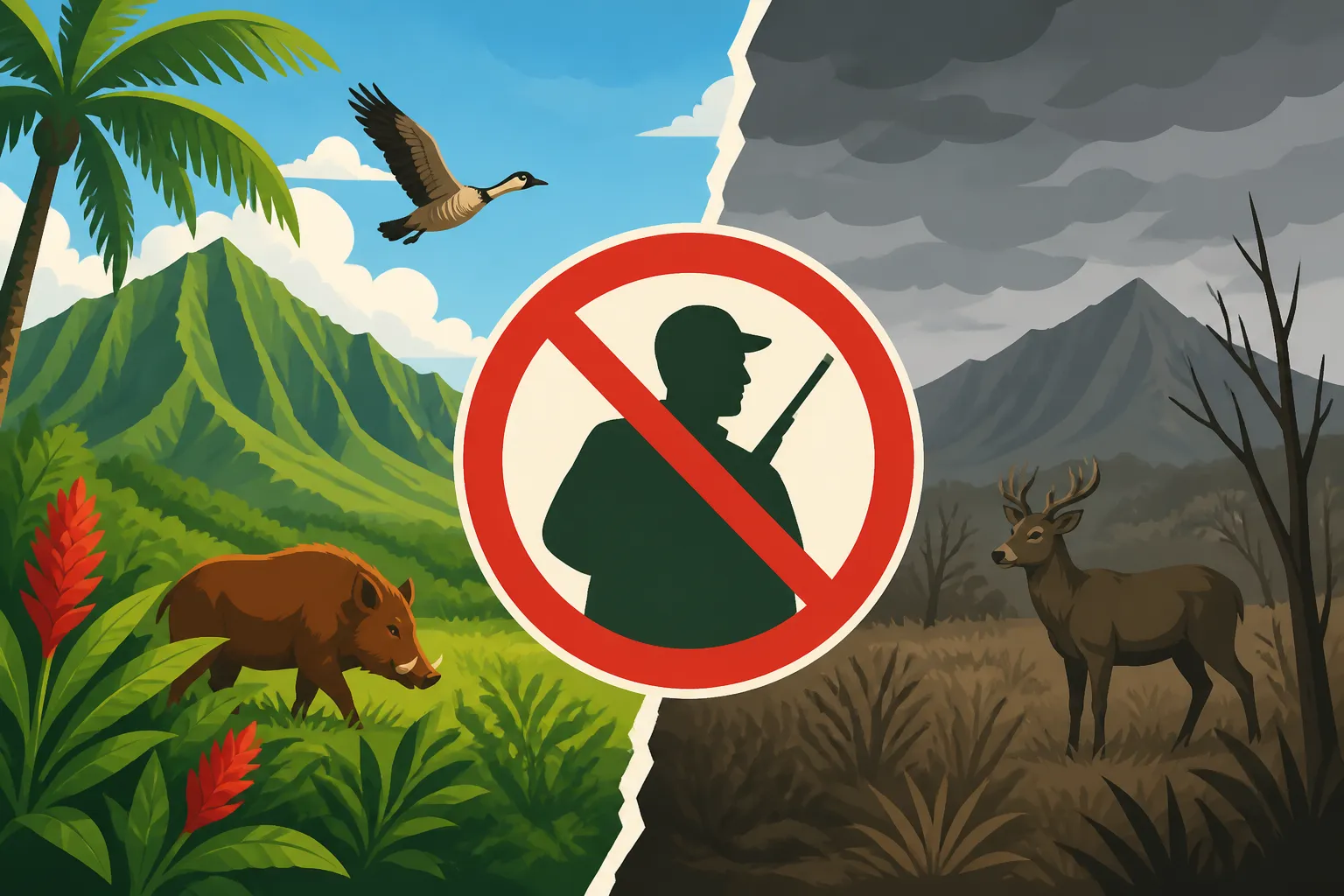
- Protection of Native Species: Hawaii is home to numerous endangered native species, many of which share habitat with introduced game animals. For example, if critical nesting periods for a protected bird like the Nene Goose coincide with a planned hunting season in a particular area, a closure or boundary adjustment might occur to prevent disturbance. Hunters must always be aware of the presence of protected species Hawaii hunters must know, as their presence can influence access and seasons.
Public Safety and Land Management Issues
Beyond environmental and wildlife concerns, practical considerations around public access and safety also play a significant role.
- Military Operations: Large portions of land, especially on the Big Island near Pohakuloa Training Area or Oahu’s Makua Valley, are used for military training. If scheduled training exercises coincide with a hunting season, these areas might be closed to public access for safety reasons. These closures are often announced well in advance but can sometimes change unexpectedly.
- Logging or Other Commercial Activities: If a specific forest reserve unit is undergoing active logging, reforestation efforts, or other commercial land use, access might be restricted for safety or operational reasons. Imagine trying to hunt in an area where heavy machinery is moving through.
- Infrastructure Repair or Development: Road closures for repairs, new trail construction, or other infrastructure projects within a hunting unit can also lead to temporary or seasonal closures. This ensures the safety of both workers and hunters.
How Hunters Get Notified of Season Changes
One of the biggest headaches for Hawaii hunters is often simply knowing when and how to find out about these changes. It’s not always a single, clear announcement, and staying on top of the latest information requires a proactive approach.
Official DOFAW Announcements
The primary source for all official hunting season information and any changes will always be the Department of Land and Natural Resources (DLNR) Division of Forestry and Wildlife (DOFAW).
- Website Updates: DOFAW regularly updates its website, specifically the "Where DOFAW Posts Season Announcements" section, with news releases, public notices, and revised hunting calendars. This is your first and most authoritative stop. These updates might include details on new openings, closures, or changes to bag limits. You should check the DOFAW website frequently, especially as a season approaches or if there have been recent weather events.
- Email Lists: Many islands' DOFAW offices offer email notification lists where they send out alerts about upcoming seasons, drawn hunt results, and, crucially, any emergency closures or changes. Signing up for these is highly recommended. It’s a direct line of communication that can often beat word-of-mouth.
- Public Meetings: For significant changes or upcoming drawn hunts, DOFAW sometimes holds public meetings, especially on the island most affected. While these are primarily for public input, they are also a venue for sharing official information.
Online Resources and Community Channels
Beyond official channels, several online platforms and community resources can help you stay informed, though always cross-reference with official DOFAW announcements.
- GoHunt Hawaii Portal: The GoHunt Hawaii online portal, which you use for buying your Hawaii hunting licenses and what they cost and securing permits, is also a vital tool. This platform is often updated quickly with permit information, season dates, and unit availability. If a season is canceled or permits are no longer being issued for a specific area, it will usually reflect there. It’s also where you can often check in and out of Hawaii hunting units.
- Hunting Forums and Social Media Groups: Local Hawaii hunting forums and Facebook groups can be fantastic for real-time, ground-level information. Hunters on the ground often hear about closures or conditions before official announcements are widely disseminated. However, always exercise caution and verify any information you find here with official DOFAW sources, as rumors can spread quickly.
- Local Outfitters and Shops: If you’re working with a local outfitter or frequent a local sporting goods store, they often have their finger on the pulse of local hunting news. They can be a great resource for confirming rumors or getting clarification on announcements.
Understanding Notification Timelines
The timing of notifications can vary wildly depending on the reason for the cancellation.
- Pre-Season Announcements: Changes related to long-term wildlife management strategies or scheduled military operations are usually announced well in advance, sometimes months before a season is set to open. This allows hunters to adjust their plans.
- Mid-Season or Emergency Closures: Environmental events like wildfires or sudden disease outbreaks can lead to immediate, emergency closures. These notices often come with very short lead times, sometimes just a day or two, or even the day of the planned hunt. This is where active monitoring of DOFAW's website and email alerts becomes critical.
Your Options When a Season Is Canceled
So, the worst-case scenario happens: your hunt is off. It’s disappointing, to say the least, but it’s not always the end of the world. Depending on the type of permit and the nature of the cancellation, you might have a few avenues to explore.
Permit and License Refunds or Transfers
This is often the first question on every hunter's mind when a season is canceled.
- Permit Refunds: If you've purchased a specific permit for a drawn hunt or an over-the-counter permit for a unit that is subsequently closed, DOFAW may offer a refund. The policy can vary, so it's crucial to consult the specific announcement or contact the DOFAW office for clarification. For example, if a specific weekend hunt on Lanai's drawn Axis Deer weekends is canceled due to extreme drought, they typically have a process for handling the fees associated with those permits.
- License Validity: A general Hawaii hunting license is usually valid for a full year from the date of purchase (check the Hawaii hunting license expiration date for specifics) and is separate from unit-specific permits. A season cancellation in one unit typically does not invalidate your general hunting license, meaning you can still use it for other open units or species, assuming you acquire the necessary permits.
- Permit Transfers (Limited): In some rare instances, DOFAW might allow you to transfer a permit to an alternative unit or a rescheduled season, but this is less common and highly dependent on the circumstances and animal populations in other areas. Don't count on it, but it's worth asking. For example, if a black-tailed deer season on Kauai is affected, it's unlikely you could transfer that permit to an Axis deer hunt on Maui.
Exploring Alternative Hunting Opportunities
A cancellation doesn't necessarily mean your hunting plans for Hawaii are completely dashed. It might just mean a pivot is in order.
- Other Islands or Units: Hawaii's hunting units and how they work are diverse. If a season is canceled on one island or in a particular unit, there might still be open seasons for the same or different species on another island or in a different unit. For instance, if your Big Island mouflon hunt is off, perhaps you can shift your focus to hunting Hawaii's feral pigs on Oahu or hunting Hawaii's feral goats on Maui, provided seasons are open and permits available. Remember to check local regulations for each new potential hunting ground.
- Different Species: Sometimes, shifting your target species is an option. If big game seasons are closed, check if Hawaii game bird hunting seasons are still open in accessible areas. This might require different gear and tactics, but it keeps you in the field.
- Private Land Opportunities: While more costly, private ranch hunts are often less susceptible to public land closures, as they operate under different management plans. If your public land hunt is canceled, contacting a Hawaii private ranch hunting access provider might offer a last-minute alternative. However, be prepared for higher fees and potentially less flexibility.
Rescheduling and Planning for the Future
Sometimes, the best option is simply to wait it out and plan for another time.
- Future Season Outlook: DOFAW will often provide guidance on the future outlook for the affected species or unit. If a season was canceled due to low animal numbers, it might be a few years before it reopens. If it was due to a temporary environmental issue, it might be open again next season. Keep an eye on the "Hawaii Hunting Rules That Changed This Year" announcements.
- Flexibility is Key: For hunters traveling from afar or with limited vacation time, cancellations are especially tough. Building flexibility into your plans, perhaps by having a backup unit or species in mind, can soften the blow. Always consider trip insurance that covers hunting permit cancellations, though policies vary greatly.
- Staying Engaged: Continue to monitor DOFAW announcements and engage with the hunting community. Knowledge is power, and being informed allows you to react quickly when new opportunities arise or when a previously closed unit reopens.
Proactive Planning: Minimizing the Impact of Cancellations
While you can't control Mother Nature or DOFAW's decisions, you can take steps to mitigate the impact of a season cancellation on your hunting plans. A little foresight goes a long way in Hawaii.
Stay Informed and Connected
The best defense against a sudden cancellation is to be proactively informed. Don't wait until the last minute to check.
- Regular DOFAW Checks: Make it a habit to check the official DOFAW website for your target island at least once a week in the months leading up to your hunt. Set up bookmarks for the specific unit pages or news release sections. This is critical for getting the most up-to-date information, including changes to Hawaii Game Mammal Seasons or any specific unit closures.
- Subscribe to Email Alerts: As mentioned, signing up for email notifications from DOFAW is one of the most reliable ways to get immediate updates. These alerts often go out before general news releases hit wider circulation.
- Utilize GoHunt Hawaii: Keep your
GoHuntaccount current and check it for any notices related to your specific permits or areas of interest. The portal is designed to be a central hub for hunters, making it easy to see if your chosen hunting days are still valid. - Engage with Local Communities: Join a local hunting forum or social media group. While not official sources, these communities often share information and observations that can give you an early heads-up about developing situations, like severe drought in a particular area or heightened fire risks.
Build Flexibility into Your Hunt Plans
For out-of-state hunters or those with limited time off, flexibility is your greatest asset.
- Backup Plans: Always have a "Plan B" or even a "Plan C." If your primary target is Axis deer on Maui, research other opportunities like hunting Hawaii's feral pigs on the Big Island or hunting Hawaii's feral goats on Oahu, should your first choice fall through. Know the different Hawaii's Hunting Units and How They Work across the islands. This might mean having the necessary gear for different types of hunts or being willing to shift islands if needed.
- Understand Permit Structure: Know the difference between your general Hawaii hunting licenses and specific permit-tags. Your license is usually good for a year, offering broader options, while permit-tags are often tied to specific units and seasons. Understanding this distinction can help you determine what parts of your hunt are affected by a cancellation.
- Consider "Over-the-Counter" vs. Drawn Hunts: Drawn hunts, while offering access to prime areas, carry the risk of not drawing or having that specific season canceled. Over-the-counter permits or general season hunts (where available) might offer more flexibility, though often in more heavily pressured units.
Financial and Logistical Safeguards
Protecting your investment of time and money is just as important as protecting your hunting opportunity.
- Trip Insurance: If you're booking flights, accommodations, and potentially guide services, look into comprehensive travel insurance. Read the fine print carefully to understand what types of cancellations (e.g., airline, hotel, hunting season) are covered. Not all policies are created equal, so ask specific questions about hunting permit or access cancellations.
- Refund Policies: Before booking, understand the refund and cancellation policies for any services you use, including guides, airlines, and lodging. Some outfits might offer credits for future hunts if a cancellation occurs, which can be a good compromise.
- Gear Preparedness: While not directly tied to cancellations, having versatile gear means you're more ready for a backup plan. If your rifle season for deer gets canceled but a pig archery season is open, having your bow ready makes that pivot easier. Being prepared for diverse Hawaii game animal environments, from dry kiawe forests to wet rainforests, will serve you well.
By staying vigilant, having contingency plans, and understanding the processes involved, you can navigate the occasional curveball of a Hawaii hunting season cancellation with a lot less stress and a much better chance of still enjoying a successful hunting experience in paradise.
| Reason for Cancellation / Adjustment | Common Triggers | Typical Hunter Impact | DOFAW Response |
|---|---|---|---|
| Environmental Stress | Severe Drought, Habitat Degradation | Reduced animal populations, poor health | Season closure, bag limit reduction, unit closure |
| Wildfire / Natural Disaster | Active fires, extreme fire risk, flooding | Unit access restricted, public safety concern | Immediate closure of affected unit(s), emergency declarations |
| Public Safety / Land Use | Military operations, logging, infrastructure | Access restrictions, hazardous conditions | Temporary or seasonal unit closure, specific date blocks |
| Wildlife Population Decline | Disease outbreak, low survey numbers, over-harvest | Very low success rates, conservation of breeding stock | Season closure, reduced permits, longer recovery period |
| Native Species Protection | Nesting periods, critical habitat use | Unit closures, restricted zones within units | Boundary adjustments, specific timing restrictions |
Disclaimer
The information provided in this guide is for general informational purposes only and is subject to change. Hunting regulations in Hawaii are dynamic and can be updated frequently by the Department of Land and Natural Resources (DLNR) Division of Forestry and Wildlife (DOFAW). It is the hunter's sole responsibility to consult the most current Hawaii Administrative Rules, official DOFAW announcements, and unit-specific regulations before planning and undertaking any hunting activity. Always verify season dates, bag limits, and access rules directly with DOFAW.