Black-Tailed Deer in Hawaii
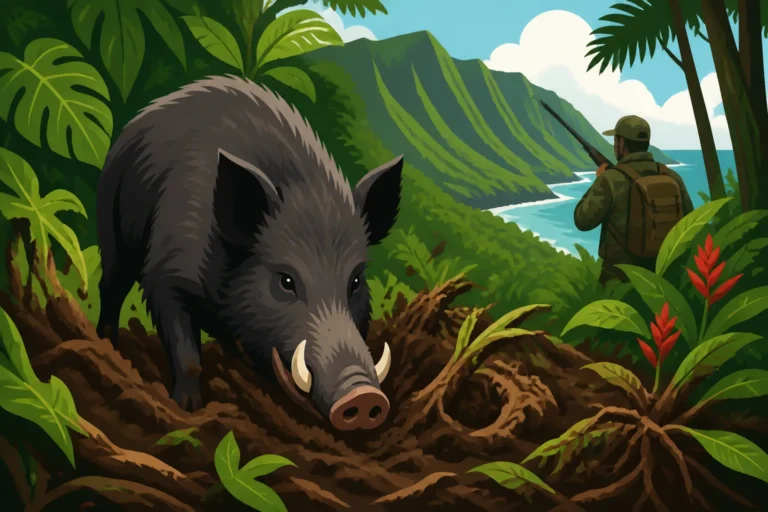
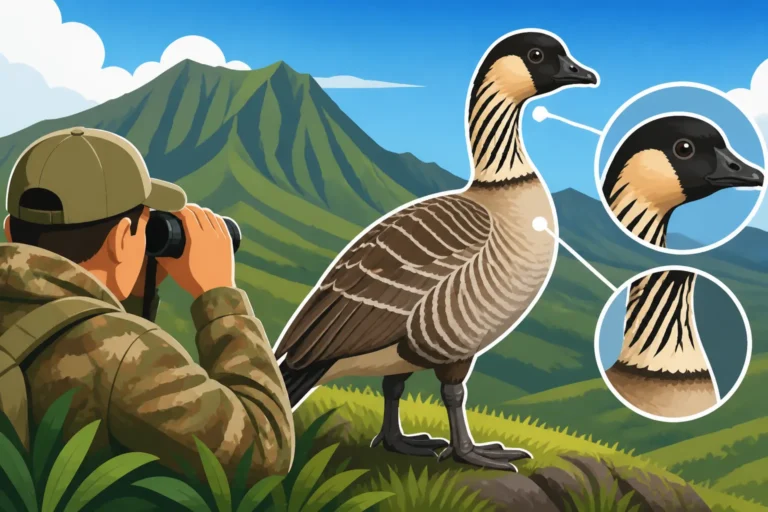
Many folks come to Hawaii, or even live here, and think of Axis deer when they picture a deer hunt in the islands. They're definitely the most widespread and well-known. But what if I told you there's another, often overlooked, deer species thriving on one of our most breathtaking islands? It’s true, and for those who love a challenge and a truly unique experience, hunting black-tailed deer on Kauai offers just that. This guide will dive deep into everything you need to know about these elusive deer, their habitat, hunting seasons, and how you can plan a successful hunt in the Garden Isle's rugged landscape.
The Unexpected Presence: Black-Tailed Deer in Hawaii
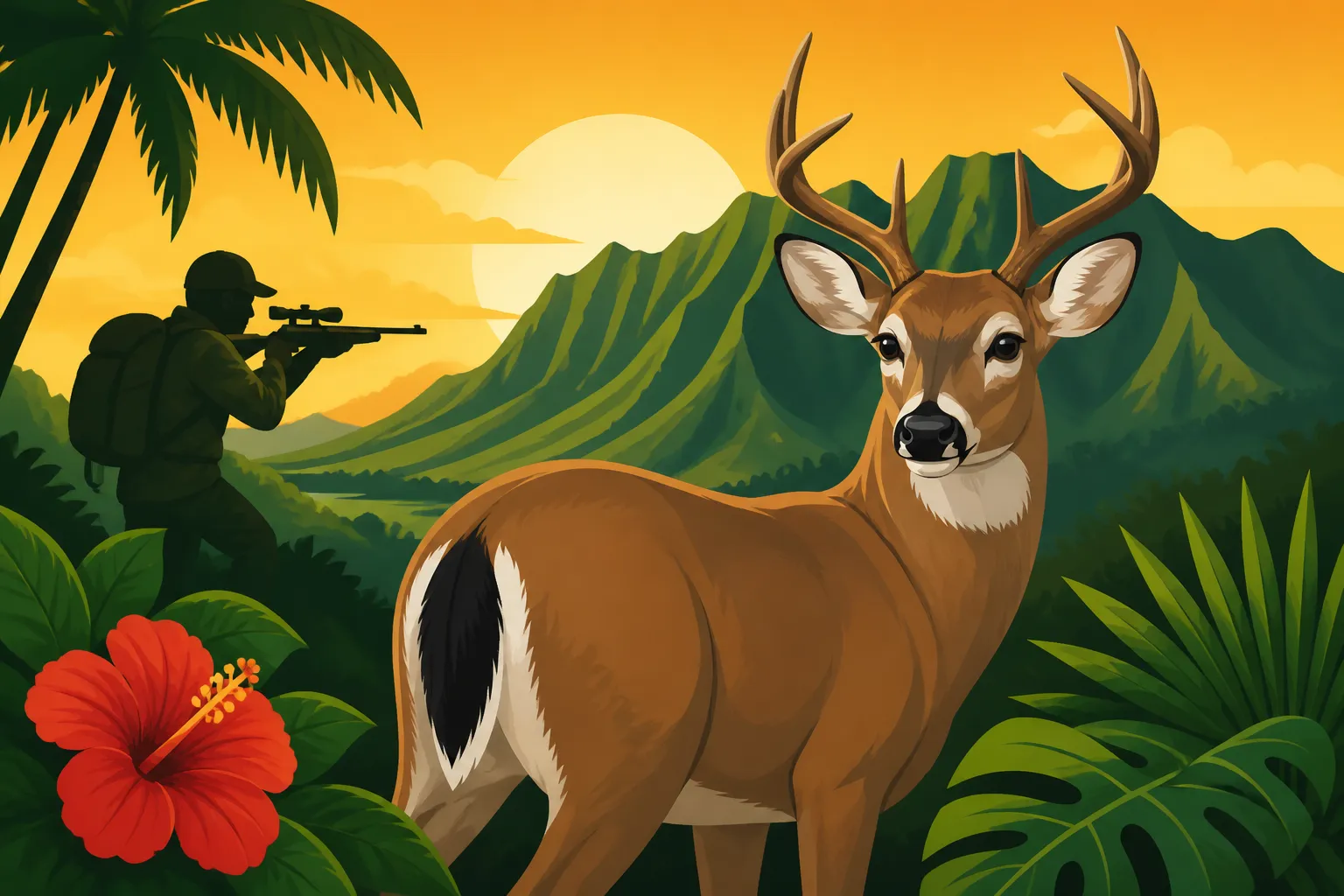
It might sound a bit like a tall tale, black-tailed deer in paradise, but it’s absolutely real. While most people associate Hawaii with the graceful Axis deer found on Maui, Molokai, and Lanai, Kauai holds a distinct and robust population of black-tailed deer. These aren't just any deer; they're a testament to an intriguing chapter in Hawaii's natural history, providing a stark contrast to the more common Axis.
A Rare Introduction to the Islands
The story of black-tailed deer arriving in Hawaii is quite fascinating, and a little different from how other game animals found their way here. Unlike the Axis deer, which were intentionally brought over in the mid-1800s for their meat and sport, the black-tailed deer on Kauai came much later and in a more localized event. Historical accounts suggest that Columbian black-tailed deer (a subspecies of mule deer, Odocoileus hemionus columbianus) were introduced to Kauai in the 1960s. They weren't released across the entire archipelago; rather, they were specifically brought to Kauai, purportedly from Oregon, as a gift or a private stocking effort.
This single, isolated introduction meant that, unlike pigs or goats that spread rapidly across multiple islands, the black-tailed deer population remained confined to Kauai. They adapted remarkably well to the island's diverse ecosystems, from the wet, dense forests to the drier canyonlands. The success of this population, despite its limited initial introduction, speaks volumes about the adaptability of the species and the suitable habitat Kauai provided. Today, they represent a unique hunting opportunity that stands apart from any other deer hunting experience you'll find in the state. If you’re curious about the broader picture, we have a whole piece on why every Hawaii game animal was introduced that’s worth a read.
The Isolated Range of Kauai's Deer
The black-tailed deer on Kauai aren't spread uniformly across the island. Their primary stronghold is in the rugged, dramatic landscapes of western Kauai, particularly within and around the Waimea Canyon and Kokee State Park areas. This region is characterized by steep canyons, deep gulches, dense native and non-native forests, and high-elevation plateaus. It's a far cry from the open, dry kiawe flats where you might find Axis deer on other islands.
Their range is effectively bounded by the challenging terrain itself. To the west, the formidable Na Pali Coast cliffs form a natural barrier. To the north and east, the increasingly dense, wet rainforests and agricultural lands create less hospitable habitat for a deer species that prefers a mix of open areas for foraging and dense cover for bedding. This concentration within a specific, rugged zone makes hunting them a truly immersive experience in some of Hawaii's wildest country. Understanding this isolated range is crucial for any hunter planning a trip; you won't find them roaming near Lihue or the more populated eastern shores. You’ll need to focus your efforts squarely on the western side of the island.
Distinguishing Black-Tails from Axis Deer
For hunters familiar with Axis deer, seeing a black-tailed deer for the first time in Hawaii can be a bit surprising. They are distinctly different, both in appearance and typical behavior, reflecting their origins and adaptation to Kauai's unique environment.
Let's break down the key differences:
| Feature | Black-Tailed Deer (Kauai) | Axis Deer (Maui, Molokai, Lanai, Big Island) |
|---|---|---|
| Origin | North America (Columbian Black-tail) | India (Chital) |
| Coat Color | Greyish-brown to reddish-brown, often darker | Bright reddish-fawn with white spots, distinct dark stripe |
| Tail | Medium length, black or dark brown on top, white under | Longer, bushy, white underside, often flagged |
| Antlers | Bifurcated (forked), typically smaller, more upright | Typically three tines per side, main beam with brow & back tines, more sweeping |
| Size/Weight | Smaller than mainland Black-tails, but often stockier than Axis. Bucks 100-200 lbs. | Medium-sized. Bucks 150-250+ lbs (Molokai often larger). |
| Body Shape | More compact, deeper body | More slender, elongated |
| Habitat | Rugged canyons, dense wet/dry forests, higher elevations | Open grasslands, kiawe flats, dry forests, lower elevations |
| Behavior | More solitary or in small groups, stealthy | Often in larger herds, more vocal |
Beyond physical characteristics, their behavior is also different. Black-tailed deer on Kauai tend to be more solitary or move in smaller groups compared to the often large herds of Axis deer. They are incredibly wary, masters of navigating dense cover and utilizing the broken terrain to their advantage. Their movements are often more deliberate and stealthy, making them a challenging quarry. An Axis deer hunt, often involving glassing open ridgelines and making long spot-and-stalk plays, contrasts sharply with the more intimate, often closer-quarters hunting required for black-tails in Kauai's thickets and gulches. Understanding these differences isn't just academic; it directly informs how you approach your hunt on Kauai, from scouting to shot placement.
Biology and Behavior of Kauai's Black-Tails
To successfully hunt black-tailed deer on Kauai, you need to think like one. These animals have adapted to a truly unique ecosystem, and understanding their daily rhythms, dietary preferences, and reproductive cycles is paramount. It’s not just about finding them; it’s about anticipating their movements and knowing why they choose certain areas at specific times.
What Kauai's Black-Tailed Deer Eat
Just like their mainland cousins, Kauai's black-tailed deer are primarily browsers, but their diet here is shaped by the diverse and often abundant vegetation of the island. They are opportunistic feeders, taking advantage of whatever palatable forage is available, which can change dramatically depending on elevation, rainfall, and season.
In the wetter, higher elevations and forest fringes of Kokee and upper Waimea Canyon, their diet consists of a variety of native and non-native shrubs, forbs, and young tree shoots. They'll browse on the leaves and tender twigs of plants like 'ōhi'a lehua, koa, and various introduced species that have naturalized in the area. Berries and fruits, when in season, are also a valuable food source, providing essential sugars and nutrients. You might find them munching on strawberry guava, thimbleberry, or even wild raspberry if they can access it.
As you move into the drier, lower canyonlands, their diet shifts to more drought-tolerant plants. Here, they'll browse on kiawe pods, buffelgrass, and other grasses and forbs that can withstand the hotter, sunnier conditions. The diversity of Kauai’s flora means they rarely face food scarcity, contributing to a healthy, robust population. Understanding these dietary preferences can help you pinpoint feeding areas, especially during dawn and dusk when they're most active. Look for freshly browsed vegetation, especially tender shoots and leaves, as a sign that deer are actively feeding in the vicinity.
Understanding Their Habitat Preferences
Kauai's black-tailed deer are creatures of transition and cover. They thrive in areas where dense vegetation meets more open clearings, offering both food and security. Their habitat preferences are closely tied to the island's dramatic topography and varied microclimates.
You'll typically find them in the steep, broken terrain of Waimea Canyon and the dense, misty forests of Kokee State Park. They are experts at navigating precipitous slopes and deep gulches, using the natural contours of the land to move undetected. During the day, especially when the sun is high, they often bed down in thick stands of 'uluhe (a native fern) or tangled masses of introduced plants like ginger, guava, or even eucalyptus. These dense thickets provide excellent concealment from predators (which are few in Hawaii, but include hunters and feral dogs) and offer shade from the tropical sun.
At dawn and dusk, they venture out to more open forest edges, old logging roads, or small clearings to feed. Water sources, especially during drier periods, are also critical focal points. While Kauai generally receives abundant rainfall, specific areas can dry out, making seeps, small streams, or even dew-laden vegetation important attractants. The interface between the dense forest and the canyon rim, or where a gulch opens up into a more accessible plateau, are often prime locations to find active deer. Hunters often overlook the subtle signs of deer activity in such varied terrain, but paying close attention to these transitional zones can be highly effective. For more insights on traversing challenging terrain, checking out tips on hunting Hawaii's volcanic terrain can be surprisingly relevant for Kauai's ruggedness.
Breeding and Fawning Cycles on Kauai
Understanding the breeding (rut) and fawning cycles of black-tailed deer on Kauai is crucial for hunters, as it dictates deer behavior and, often, their vulnerability. Unlike the Axis deer which can rut almost year-round, black-tailed deer typically have a more defined breeding season.
While specific data for Kauai's population can be somewhat localized and less extensively documented than mainland populations, general observations suggest the rut usually occurs in the fall, roughly from September through November, with a peak in October. During this period, bucks become much more active, searching for does. They'll leave behind scrapes and rubs, and their movements become less predictable as they pursue breeding opportunities. This heightened activity can make them more visible, but also more challenging to approach, as their focus is elsewhere. You might hear bucks grunting or chasing does, especially in the early mornings or late evenings.
Fawning typically follows in the spring, around April to June, after a gestation period of about 6-7 months. Does will seek out secluded, dense cover to give birth to one or two fawns. During this period, does become extremely secretive and protective, often moving alone. Young fawns spend their first few weeks hidden, relying on their camouflage and the doe's proximity for survival. Hunting during the fawning season is generally restricted or discouraged, ensuring the healthy continuation of the population. Knowing these cycles helps hunters not only plan their trips for optimal success but also fosters a deeper appreciation and respect for the animals they pursue.
Hunting Regulations and Seasons for Black-Tailed Deer
Navigating the rules and regulations for hunting in Hawaii can feel like a maze, and Kauai's black-tailed deer are no exception. It’s absolutely critical to understand the specific requirements, season dates, and legal weapons before you even think about packing your gear. The Hawaii Department of Land and Natural Resources (DLNR), Division of Forestry and Wildlife (DOFAW) sets these rules, and they are strictly enforced.
Obtaining Your Kauai Hunting License and Permits
Before you can even set foot in a hunting unit on Kauai, you’ll need a valid Hawaii hunting license. For residents, this is a straightforward process, typically renewable annually. Non-residents also have options, but the requirements can be a bit more involved, including the need for a Hawaii Hunter Education card or a letter of exemption if you’ve completed hunter education in another state. Many hunters find resources like GoHunt incredibly helpful for navigating the various forms and ensuring they have all the correct paperwork in order. They often provide up-to-date links and information directly from DOFAW.
In addition to your general hunting license, black-tailed deer on Kauai often require specific permits or tags. These are usually obtained through a drawing system or issued on a first-come, first-served basis, depending on the unit and the specific season. It’s not uncommon for popular units or desirable hunt dates to be allocated via a lottery system, so knowing the application deadlines is paramount. Make sure you understand how Hawaii's permit-tag system works, as rules can vary by island and species. It's not like simply buying a tag over the counter in some mainland states. You'll want to check the most current information, which DOFAW publishes annually, often around June or July, for the upcoming hunting year.
Specific Season Dates for Black-Tailed Deer
Black-tailed deer seasons on Kauai are typically restricted to specific weekends or short periods, contrasting sharply with the year-round opportunities for pigs and goats on some other islands. These seasons are carefully managed by DOFAW to ensure sustainable populations and fair chase opportunities. The season dates can change year-to-year based on population surveys, habitat conditions, and management goals, so relying on outdated information is a surefire way to miss out or, worse, violate regulations.
Generally, black-tailed deer seasons fall within the fall and early winter months, coinciding with the rut or post-rut periods when deer activity might be higher. For example, you might see specific archery weekends, muzzleloader weekends, and rifle weekends designated for the Waimea Canyon and Kokee areas. It’s vital to consult the official Hawaii Game Mammal Seasons and the Kauai's Weekend Hunt Calendar as published by DOFAW. Pay close attention to the specific unit numbers (e.g., Unit B, Unit J) as boundaries and regulations can differ even within the same general area. Always confirm the exact dates and bag limits for the current year well in advance of your planned hunt.
Legal Weapons and Calibers
Hawaii has very specific rules about legal weapons for hunting big game, and black-tailed deer are no exception. These regulations are in place for safety and to ensure ethical hunting practices. Understanding them before you arrive is crucial, especially if you're traveling with firearms.
For rifle hunting, centerfire rifles with a minimum bullet diameter of .224 inches (0.22 caliber) and a minimum case length of 1.75 inches are generally required. This means popular calibers like .243 Winchester, .270 Winchester, .30-06 Springfield, and .308 Winchester are common choices. Shotguns are also permitted, but they must be 10-gauge, 12-gauge, or 20-gauge, using a single projectile (slug). Buckshot or birdshot is not allowed for big game.
Archery hunting also has specific requirements. Compound bows must have a minimum draw weight of 40 pounds. Recurve and longbows must have a minimum draw weight of 40 pounds. Arrows must be at least 24 inches long, and broadheads must have at least two cutting edges and a minimum width of 7/8 inch. Expandable broadheads are generally allowed if they meet the minimum cutting width when expanded. Muzzleloaders have caliber minimums as well, typically .45 caliber or larger, using a single projectile. You'll also need to be aware of Hawaii's weapon rules for dog hunting if that's a tactic you plan to employ, though dog hunting for deer is not common. Always check the Hawaii's Legal Weapons by Season section of the current hunting regulations to ensure your equipment complies.
Remember, if you're flying into Hawaii with a firearm, there are strict federal and state regulations regarding transport, declaration, and registration. It's always best to contact your airline and the Honolulu Police Department or Kauai Police Department well in advance to understand the requirements for bringing your rifle to the islands.
Prime Hunting Areas and Access on Kauai
Hunting black-tailed deer on Kauai is all about knowing where they live and, just as importantly, how to get there. The terrain can be incredibly challenging, and access points might not always be obvious to first-time visitors. The key areas are centered around the western side of the island, within the state's designated hunting units.
Navigating the Waimea Canyon Country
Waimea Canyon, often called the "Grand Canyon of the Pacific," is the undisputed heart of black-tailed deer country on Kauai. This colossal canyon, stretching 14 miles long, 1 mile wide, and 3,600 feet deep, offers a labyrinth of steep slopes, hidden gulches, and dense vegetation that deer call home. The sheer scale and ruggedness of the canyon present both incredible opportunities and significant challenges for hunters.
Access to the canyon rims and some interior sections is primarily via the Waimea Canyon Drive (Highway 550) and Kokee Road (Highway 550A), which lead to various lookouts and trailheads. However, public hunting units within the canyon often require hiking off designated trails into extremely rough and unforgiving terrain. We're talking about dropping hundreds or thousands of feet in elevation, navigating loose scree, and pushing through thick brush. Glassing a Hawaii coastline for goats might prepare you somewhat for the steep drops, but the interior of Waimea Canyon is a beast of its own.
Hunters need to be in excellent physical condition and possess strong navigation skills. GPS devices, satellite communicators, and detailed topographic maps are not just recommended, they are essential. Cell service is unreliable, if available at all. Identifying key features like saddles between ridges, old trails, and water sources will be crucial for success. The deer here are intimately familiar with the terrain and will use it to their advantage, often moving into the deepest, most inaccessible parts of the gulches when pressured.
Hunting the Kokee State Park Region
Adjacent to Waimea Canyon, Kokee State Park offers another excellent, albeit different, black-tailed deer hunting experience. Situated at a higher elevation (around 3,200 to 4,000 feet), Kokee is characterized by cooler temperatures, more frequent rainfall, and dense native and introduced forests. The terrain, while still rugged, can be less dramatically sheer than the canyon interior, featuring more undulating ridges, deep valleys, and thick undergrowth.
Hunting Black-Tailed Deer in Kokee means adapting to a shadier, wetter environment. Deer here often seek out the edges of open meadows or clearings within the forest to feed, particularly at dawn and dusk. Still-hunting through the thick timber, moving slowly and deliberately, can be highly effective. Look for deer sign along game trails, near water seeps, and where different vegetation types meet. The forest can be extremely quiet, making it easy to spook deer if you're not careful.
Access to Kokee's hunting units is typically off Kokee Road, with numerous pull-offs and trailheads. However, even seemingly benign trails can quickly lead into dense, challenging areas. Be prepared for mud, slippery roots, and thick vegetation that can reduce visibility to mere yards. This area truly epitomizes the challenge of hunting Hawaii's rainforest units. Proper rain gear, waterproof boots, and layered clothing are essential here, as the weather can change rapidly from sunny to misty and rainy in a matter of minutes.
Understanding Public vs. Private Land Access
Like many places in Hawaii, hunting on Kauai involves a mix of public and private lands, and understanding where you can legally hunt is paramount. The primary black-tailed deer hunting areas mentioned, such as portions of Waimea Canyon and Kokee, fall within designated public hunting units managed by DOFAW. These are typically delineated on maps provided by DOFAW, and you must check in and out of these units. The OuterSpatial app has become a critical tool for checking in and out of Hawaii hunting units, so make sure you have it downloaded and understand how to use it.
However, surrounding these public lands are private ranch lands. While some private ranches may offer guided hunts for other species, guided black-tailed deer hunts are not as prevalent as Axis deer hunts on other islands. Accessing private land without explicit, written permission from the landowner is strictly prohibited and constitutes trespassing, with serious penalties.
It is crucial for hunters to obtain up-to-date hunting unit maps from DOFAW. These maps clearly mark unit boundaries, access roads, and any restricted areas. Tools like onX Hunt can also be incredibly useful for overlaying property boundaries with topographical maps, helping you stay on public land. Don't assume that just because a gate is open, you have permission to enter. Always err on the side of caution and verify land status. The rules on Hawaii's Hunting Units and How They Work are complex and vary, so research for Kauai specifically is a must. Knowing the difference and respecting boundaries is not just a legal requirement but a fundamental part of responsible hunting in Hawaii.
Effective Hunting Tactics for Black-Tailed Deer
Hunting black-tailed deer on Kauai requires a specialized approach. These aren't open-country deer, and the tactics you might use for Axis deer on a dry, open plain simply won't cut it here. Success hinges on stealth, patience, and a deep understanding of the unique Kauai environment.
Spot-and-Stalk in Dense Hawaiian Terrain
While the term "spot-and-stalk" often brings to mind long-range glassing in wide-open country, for Kauai's black-tailed deer, it takes on a different meaning. Here, "spotting" might mean picking apart a dense hillside with binoculars at closer ranges, looking for just a patch of hide, an ear twitch, or the subtle outline of an antler amongst the foliage. The terrain is often so broken and thick that deer can be just a few hundred yards away and completely invisible.
Once a deer is spotted, the stalk becomes a masterclass in quiet movement. The lush vegetation, while providing cover, can also be incredibly noisy – think crunching dry leaves, snapping twigs, and rustling ferns. Hunters must move slowly, pausing frequently to listen and scan. Every step needs to be deliberate, testing the ground for noise before committing. You’ll be dealing with steep inclines and descents, often through slippery mud or loose rock. This is where durable, quiet clothing and appropriate footwear are absolutely crucial. Think about how you might approach still-hunting a guava thicket for pigs – that level of stealth and patience is what's needed.
The stalk often culminates in a close-range shot opportunity, perhaps 50-150 yards, rather than the 300+ yard shots common in more open areas. You need to be ready for quick, ethical shots through small windows in the vegetation. Practicing shooting from different positions – kneeling, sitting, or using a tree for support – will be invaluable.
Still-Hunting in the Wet Forests
Given the density of Kauai's forests, especially in the Kokee region, still-hunting is an incredibly effective tactic for black-tailed deer. This method involves moving very slowly and deliberately through the deer's habitat, pausing frequently (sometimes for minutes at a time) to observe, listen, and let your eyes adjust to the subtle movements of the forest. It's less about covering ground and more about uncovering deer.
When still-hunting, you're essentially walking a slow, silent grid, or following game trails, using every advantage the terrain and vegetation offer. You're looking for movement, color contrasts, or distinct shapes that break the natural patterns of the forest. Deer are masters of camouflage, and they will often stand motionless, blending perfectly with their surroundings, waiting for you to pass.
This technique is particularly useful in the misty, rainy conditions common in Kokee, where the damp ground can muffle your footsteps, and the fog or low clouds can obscure your presence. Pay close attention to wind direction (more on that below) and the sun's position to avoid casting long shadows or having glare work against you. Focus on areas with good cover but also pockets of preferred forage. You'll need to develop an acute sense of your surroundings, constantly scanning from near to far, and using your peripheral vision to pick up the slightest flick of an ear or the shift of a tail. This methodical approach can pay huge dividends when other methods fail in such thick cover.
The Importance of Wind and Thermals
In any hunting scenario, understanding the wind is paramount, but on Kauai, with its dramatic elevation changes and varied terrain, it takes on an almost mystical quality. The island's geography creates complex wind patterns and thermals that can make or break your hunt for black-tailed deer.
Kauai, like the other Hawaiian islands, is heavily influenced by trade winds, which generally blow from the northeast. These prevailing winds will often dictate the broad direction of your scent dispersal. However, within the deep confines of Waimea Canyon or the convoluted gulches of Kokee, these large-scale wind patterns are frequently overridden by localized thermals.
Thermals are air currents created by temperature differences, and they typically "draw" air uphill in the morning as the sun warms the slopes, and "fall" downhill in the evening as the air cools. This means if you're hunting down in a gulch, your scent might be carried uphill in the morning, making an uphill approach difficult, but an evening hunt might allow you to stalk downhill with the wind in your favor. Conversely, if you're on a ridgetop, your morning approach should be from below, and your evening approach from above.
Always carry a wind checker (a small squeeze bottle of powder or thread) and use it frequently. Observe how the topography funnels air and how sunlight heats different exposures. Reading Hawaii's trade wind patterns and understanding how thermals affect your scent is not just good practice; it's a survival skill for success on Kauai. Deer rely heavily on their sense of smell, and a shifting wind can quickly alert them to your presence, sending them spiraling into the impenetrable depths of the canyon.
Field Care and Logistics for Kauai Deer
Harvesting a black-tailed deer on Kauai is a significant accomplishment, but the work is far from over once the animal is down. The tropical environment presents unique challenges for field care, and the rugged terrain can make packing out even a modest-sized deer an epic undertaking. Proper planning and execution are essential to ensure your hard-earned venison doesn't spoil and that you can safely transport your harvest.
Dealing with Heat and Humidity
Hawaii's warm, humid climate is perhaps the biggest adversary when it comes to field dressing and cooling game meat. Unlike hunting in colder climates where you might have hours, or even days, to get an animal cooled, on Kauai, the clock starts ticking the moment your deer hits the ground. Ambient temperatures can easily hover in the 70s and 80s Fahrenheit, with high humidity, creating a perfect environment for bacterial growth if not managed quickly.
The absolute priority is to field dress the animal immediately to remove internal organs and allow the carcass to begin cooling from the inside out. Once gutted, the next step is to skin the deer as quickly as possible. Leaving the hide on acts as insulation, trapping heat. If you're deep in a gulch, finding a shady spot is critical. Many experienced Hawaii hunters will quarter their deer in the field and place the meat directly into game bags. These breathable bags protect the meat from flies and debris while allowing air circulation.
Don't underestimate the need to cool meat fast on a Hawaii hunt. Bringing ice or frozen water bottles in your pack for immediate placement in game bags can make a huge difference. If you're on a multi-day trip, a plan for getting the meat into a cooler with plenty of ice as soon as you're off the mountain is non-negotiable. Some hunters bring collapsible coolers to the trailhead, ready to receive the meat.
Packing Out Meat from Steep Terrain
Getting a black-tailed deer out of Waimea Canyon or a deep Kokee gulch is not for the faint of heart. The phrase "getting a pig out of a Hawaii gulch" applies just as much, if not more, to a deer. The terrain is often steep, uneven, and covered in loose rock or slippery mud. Even a smaller deer can feel like a ton after hours of climbing with a pack on your back.
Quartering the animal in the field is almost always necessary. This means separating the deer into manageable sections (four quarters, backstraps, tenderloins, neck meat, etc.). A good game saw or a sturdy knife is essential for this. Each section should be placed in a separate, clean game bag. Distribute the weight evenly in a high-quality hunting backpack designed for heavy loads. Backpack frames that allow you to lash quarters directly to them are ideal.
Plan your exit route carefully, considering the path of least resistance, even if it's not the shortest. It's always better to take a slightly longer route that's less steep or less hazardous than to risk injury on a direct, but treacherous, ascent. Consider bringing a hunting partner for help. The buddy system isn't just for safety; it's also incredibly helpful for sharing the load. Some remote hunts might even require the use of a packer or, for the most extreme locations, helicopter access for remote Hawaii hunts, although this is less common for black-tailed deer. Hydration and taking frequent breaks are critical. This is where physical fitness really pays off.
Processing and Transporting Your Harvest
Once your deer is out of the field and into your cooler, the next step is proper processing. If you're a DIY hunter, you'll need a clean, cool space to butcher the animal. If you're visiting, you might need to find a local game processor. Some island outfitters or private ranchers have facilities, but for public land hunters, this requires advance planning.
Transporting game meat between islands or back to the mainland has specific agricultural rules in Hawaii. For inter-island travel, meat generally needs to be inspected by the Department of Agriculture, and sometimes frozen, before being allowed on a flight. Flying home with game meat from Hawaii also has strict regulations set by both the USDA and your airline. Meat must be properly packaged, often frozen solid, and declared. Antlers (especially if still attached to the skull) may also require inspection and specific permits to ensure no pests or prohibited materials are transported.
Always contact the Hawaii Department of Agriculture and your airline well in advance of your trip to understand the most current requirements for transporting game meat and trophies. Do not assume rules are the same as on the mainland. Being prepared with this information will save you a lot of hassle and potential heartache after a successful hunt.
Challenges and Conservation of Kauai's Black-Tailed Deer
The presence of black-tailed deer on Kauai, while providing a unique hunting opportunity, also introduces complexities related to the island's delicate ecosystems. Like all introduced species in Hawaii, they present both management challenges and conservation considerations. Understanding these aspects is crucial for appreciating the role of hunting in the broader ecological picture.
The Impact on Native Ecosystems
While feral pigs and goats are often cited as the most destructive invasive ungulates in Hawaii, black-tailed deer, as an introduced species, also have an impact on Kauai's native ecosystems. Deer are browsers, and their feeding habits can alter vegetation composition, especially in areas where native plants are not accustomed to such intense herbivory. Young native trees, shrubs, and understory plants can be browsed, preventing regeneration and potentially shifting forest structures.
In particularly sensitive areas, or during periods of high deer density, their browsing can hinder the recovery of rare or endangered plant species. Their hooves can also contribute to soil erosion, especially on steep slopes, though perhaps less dramatically than large herds of goats or the rooting action of pigs.
The scale of their impact is generally considered less severe or widespread compared to the more ubiquitous and destructive feral pigs and goats found across multiple islands. However, localized impacts in fragile habitats, particularly in certain forest reserves or natural area reserves, are a concern. This is part of the reason why Hawaii Fences Out Pigs and Goats, and similar management concepts might apply to deer if their populations grow uncontrolled in sensitive zones. Understanding these ecological impacts helps frame the importance of active management.
Managing Deer Populations on Kauai
DOFAW actively manages the black-tailed deer population on Kauai to mitigate their ecological impact while also providing public hunting opportunities. This management involves a delicate balance of population control, habitat monitoring, and public engagement. Hunting seasons and bag limits are carefully set to achieve desired population levels in specific units.
Tools used in population management include:
- Controlled Hunting Seasons: Regulating when, where, and how many deer can be harvested.
- Permit-Tag System: Allocating a limited number of tags to control harvest pressure.
- Habitat Monitoring: Observing changes in vegetation and deer densities to inform management decisions.
- Public Outreach: Educating hunters and the public about the role of introduced species and conservation efforts.
Occasionally, if populations in certain sensitive areas become too high or exceed carrying capacity, DOFAW may implement special hunts or even aerial control programs, similar to those used for pigs and goats on other islands. These measures are not taken lightly but are a necessary part of managing ungulates in Hawaii's unique and vulnerable ecosystems. Hunters contribute directly to these management goals by participating in regulated hunts and adhering to bag limits.
The Hunter's Role in Conservation
For many hunters, pursuing black-tailed deer on Kauai is about more than just the harvest; it’s about being an active participant in Hawaii's conservation efforts. In Hawaii, where almost all game animals are introduced species, hunting serves as a critical management tool. By harvesting deer, hunters help control populations, which in turn can reduce pressure on native flora and fauna.
Every hunter who obtains a Hawaii hunting license and permit contributes financially to wildlife management through license fees and taxes on sporting goods. This funding directly supports DOFAW's programs, including population surveys, habitat restoration, and enforcement. Furthermore, ethical hunters act as stewards of the land, reporting poaching, picking up litter, and adhering to regulations that protect both the animals and their habitat.
Being a responsible hunter on Kauai means understanding the local context – that you are hunting an introduced species in a fragile, isolated ecosystem. It means respecting the land, the rules, and the unique challenges of the environment. The sport of hunting, when practiced responsibly, becomes an integral part of maintaining the ecological balance and ensuring the long-term health of Kauai's wild places. It's a chance to engage with the land in a profound way and contribute meaningfully to the conservation goals of the islands.
Disclaimer
The information provided in this guide is for general informational purposes only and is subject to change. Hunting regulations, season dates, and access rules in Hawaii are set by the Department of Land and Natural Resources (DLNR), Division of Forestry and Wildlife (DOFAW), and can be updated frequently. It is the hunter's sole responsibility to consult the most current official Hawaii hunting regulations and unit maps prior to any hunting activity. Always verify specific requirements, dates, and legal weapon information with DOFAW directly before planning your hunt.