Hunting Black-Tailed Deer in Kokee
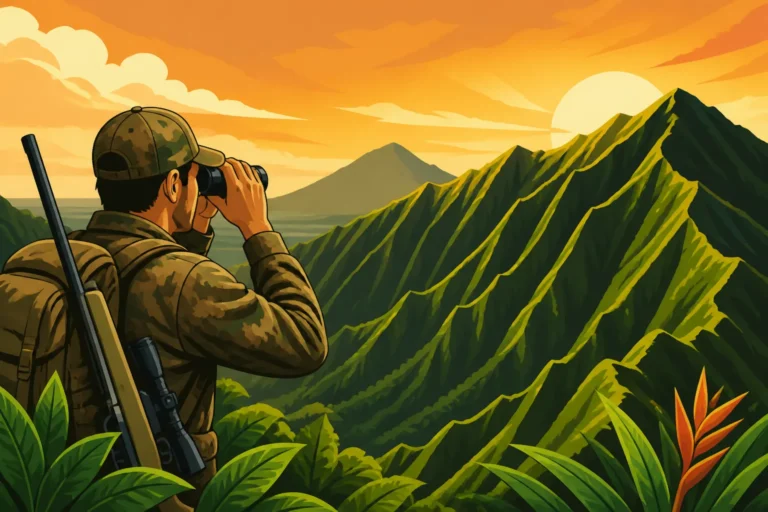
Hunting black-tailed deer in the dense, often overlooked jungle of Kauai's Kokee region presents a unique challenge, one that many hunters from the mainland or even other Hawaiian islands aren't prepared for. Forget wide-open plains or predictable weather; this is a rugged, wet, and incredibly thick environment where deer hunting feels more like a deep woods expedition than a typical spot-and-stalk affair. If you're tired of the usual and crave an authentic, challenging Hawaiian hunt for a truly different species, this guide will walk you through what to expect and how to prepare for the relentless beauty and difficulty of Kokee.
The Unique World of Kauai's Black-Tailed Deer
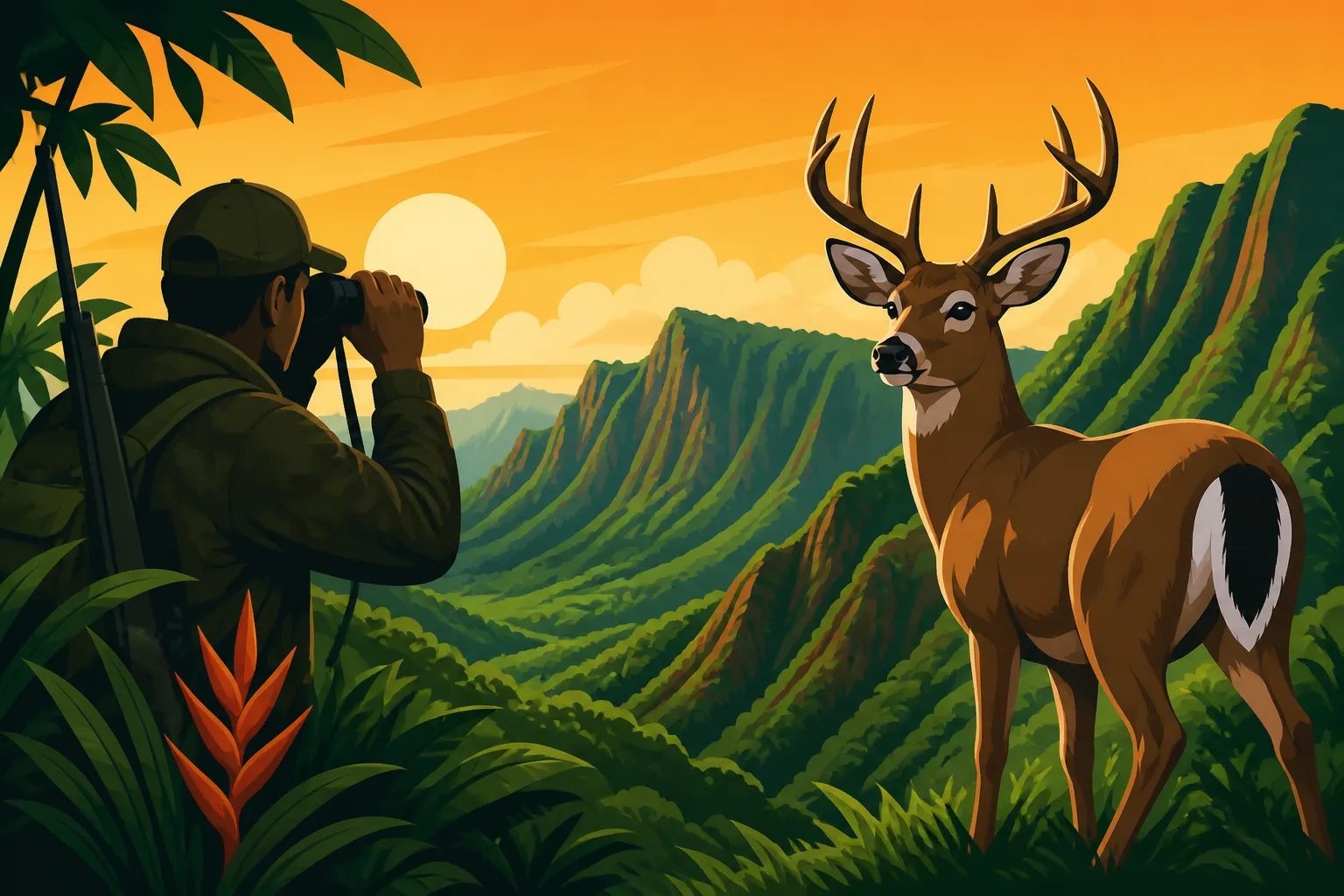
When most folks think of deer hunting in Hawaii, their minds immediately jump to the prolific Axis deer on islands like Maui or Lanai. But Kauai holds a fascinating secret: its population of black-tailed deer. These aren't the same as the Columbia black-tails you'd find on the West Coast of North America, but rather a distinct, isolated group that has adapted to the island's unique and often unforgiving landscape.
Origins and Range of Kauai's Black-Tailed Deer
The story of black-tailed deer on Kauai is a curious one. Unlike the more deliberate introductions of Axis deer, black-tailed deer were brought to Kauai in the early 20th century, specifically around 1906, from Oregon. They were released in the Kokee area, a place that, even then, was known for its rugged mountains and dense forests. Over a century later, this population has thrived in relative isolation, maintaining its distinct characteristics. You won't find them anywhere else in Hawaii. Their primary range centers around the vast Kokee State Park and the surrounding forest reserves, including the Na Pali-Kona Forest Reserve and the Puu Ka Pele Forest Reserve. This area is characterized by deep, verdant canyons, towering cliffs, and a mix of native and introduced vegetation that creates incredibly dense cover. The deer here aren't concentrated in open pastures; they live in the thick of it, making encounters often up close and personal. Understanding their historical presence and limited range is crucial, as it dictates much of the hunting strategy.
Understanding Kokee's Terrain and Weather
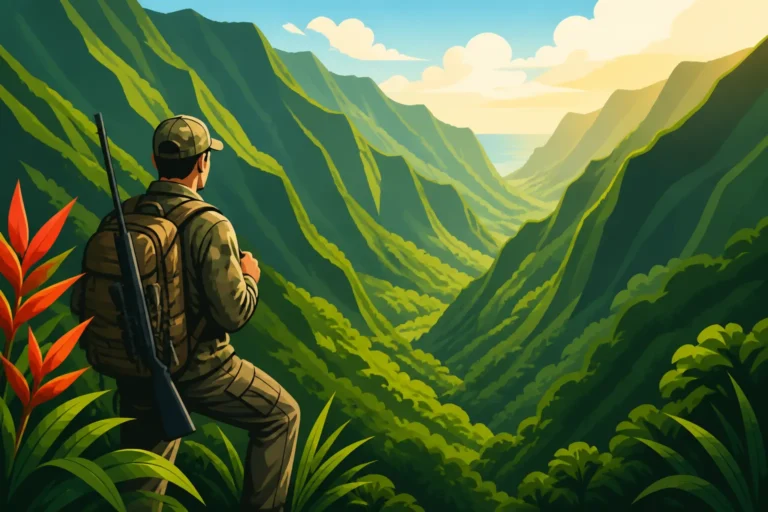
Kokee is a place of dramatic contrasts. On one hand, you have the breathtaking vistas of the Waimea Canyon, often called the "Grand Canyon of the Pacific," with its sheer red walls plunging thousands of feet. On the other, you have impenetrable thickets of introduced guava, native koa, ohia, and ferns that can swallow a hunter whole. The deer utilize both: they'll graze on the canyon rims and in more open areas during low light, but they disappear into the dense undergrowth the moment they feel pressure or the sun climbs high.
The weather is another huge factor. Kokee sits at a higher elevation, typically ranging from 3,000 to 4,000 feet, which means it experiences vastly different conditions than the sunny beaches below. Expect frequent, heavy rains, dense fog that can roll in without warning, and high humidity. Temperatures are cooler than coastal areas, but the constant moisture combined with exertion can still lead to overheating if you're not properly hydrated. The ground is often muddy, slippery, and uneven, crisscrossed by eroded game trails and hidden roots. You'll be climbing, descending, and navigating obstacles constantly. This isn't a casual stroll; it's a physically demanding hunt where every step needs to be deliberate. The combination of dense vegetation and unpredictable weather makes for incredibly challenging hunting conditions, requiring a different kind of preparation and mindset.
Essential Tactics for Kokee Deer Hunting
Hunting black-tailed deer in Kokee requires a complete shift in strategy compared to hunting Axis deer or even mainland whitetails. The environment dictates a patient, quiet, and often slow approach.
Scouting and Approaching Deer in Dense Cover
Success in Kokee largely hinges on mastering the art of still-hunting and listening. You simply can't glass vast expanses like you might for Axis deer. Instead, focus on moving slowly, often just a few steps at a time, and then pausing to listen intently for any sign of movement – a rustle in the leaves, a twig snap, or the distinct thump of a deer bounding away. The deer are masters of camouflage in this environment, and you might be within feet of one before you know it.
Look for fresh sign: tracks in the mud, droppings, and rubbed trees, though rubs might be less obvious than in other deer species due to the dense undergrowth. Pay close attention to areas where the canopy opens up slightly, or where two different types of vegetation meet, as these can be travel corridors or feeding areas. Hunting the Waimea Canyon Rim for Deer involves navigating the sheer drops and broken ground where deer often move at first light or dusk, seeking the sparse browse on the edge. The swirling thermals common in canyon country mean you need to constantly monitor the wind, which can change direction with alarming frequency, especially in the mornings as the air warms. Moving into a strong wind, or crosswind, is paramount. Often, finding a good vantage point over a gulch or a slight opening and sitting quietly for an extended period, allowing the forest to "reset" around you, can be more effective than constant movement. This patience often rewards you with an unpressured deer moving naturally.
Gear Considerations for Wet and Rugged Country
Your gear selection is critical for a successful and safe hunt in Kokee. First and foremost, forget your breathable, lightweight desert hunting boots. You need robust, waterproof boots with excellent ankle support and aggressive traction. Something like a solid hiking boot or a quality rubber boot is essential for navigating the slick mud, rocky terrain, and constant moisture. Blisters are a real concern in this environment, so broken-in footwear is non-negotiable.
Layering is key for clothing. Start with moisture-wicking synthetics, add a warm mid-layer for cooler mornings or evenings, and top it with reliable rain gear. A waterproof and windproof jacket and pants are not optional; you will get wet. Even on seemingly clear mornings, mist and fog are common, and a sudden downpour can erupt at any time. A comfortable, well-fitting pack is also vital, capable of carrying water, snacks, extra layers, a first-aid kit, and enough space for meat if you're successful. Due to the limited cell service in many parts of Kokee, a reliable GPS device or a satellite messenger like a Garmin inReach is highly recommended for navigation and emergency communication. Don't rely solely on your phone, as there are many areas with no cell signal on a Hawaii hunt. A good headlamp, knife, game bags, and enough water are standard, but here, they are truly life-saving essentials.
Shot Placement and Recovery Challenges
Given the dense vegetation, shot opportunities are often fleeting and at close range. Ethical shot placement becomes even more critical, as a wounded animal can quickly disappear into the jungle, making recovery incredibly difficult. Expect shots to be within 50-100 yards, and often much closer. Practice shooting from various positions – kneeling, standing, offhand – as you might not have a perfect bench rest setup.
When you do take a shot, mark the exact location where the deer was standing and where you last saw it. Pay attention to any visual cues like a broken branch or a distinctive tree. Before immediately pursuing, give the deer time – at least 30 minutes for a good hit, longer for marginal shots. This allows the animal to lay down and expire. Trailing in Kokee can be brutal. The dense brush makes blood trailing incredibly challenging, sometimes impossible. If you lose the blood trail, expand your search outward in ever-widening circles, looking for any disturbed vegetation, tracks, or even the smell of the deer. Being prepared for a difficult recovery is part of the Kokee experience. A strong flashlight, even during the day, can help illuminate dark thickets. For a deeper dive into managing your harvest in this environment, consider reading up on Field Care in Hawaii's Heat and Humidity, as swift action is needed regardless of cooler temperatures at elevation to prevent spoilage.
Navigating Regulations and Access for Kokee Deer
Hunting in Hawaii, particularly for specific species like black-tailed deer on Kauai, involves understanding a particular set of rules and access protocols. It's not as simple as buying a general license and heading out.
Licenses, Permits, and Check-In Procedures
First, every hunter, whether resident or nonresident, needs a valid Hawaii hunting license. The cost varies, but it's an annual requirement. You can typically purchase these online through the Department of Land and Natural Resources (DLNR) or at authorized vendors. For specific information on what to expect, refer to our guide on Hawaii Hunting Licenses and What They Cost.
Beyond the general license, Kauai's black-tailed deer hunting usually requires a specific permit or tag for designated seasons and units. These permits are often limited and may be part of a lottery draw, so it's essential to check the current year's hunting regulations well in advance. The DLNR's Division of Forestry and Wildlife (DOFAW) website is the authoritative source for these details. You'll likely need to use the GoHunt Hawaii online system or their mobile application to apply for these permits and, crucially, to check in and out of the hunting units on hunt days. This digital check-in system tracks hunter presence and harvest data, and forgetting to check in or out can lead to penalties. Utilizing platforms like GoHunt makes managing your permits and ensuring compliance much more straightforward. Getting a Letter of Exemption as a Nonresident might also be a prerequisite if you haven't completed a hunter education course.
Understanding Kokee's Hunting Units and Seasons
Kokee State Park and the surrounding forest reserves are divided into various hunting units, each with its own specific regulations, season dates, and weapon restrictions. For black-tailed deer, the primary units are within the Na Pali-Kona Forest Reserve (Unit A and B) and the Puu Ka Pele Forest Reserve (Unit C). These units often operate on a weekend-only schedule, typically opening for archery, muzzleloader, and rifle seasons on specific dates.
- Archery Season: Offers a quieter, more intimate hunting experience, often with longer season windows. Bowhunting Hawaii's Long Archery Windows provides excellent tactical advice.
- Muzzleloader Season: These are specific dates, usually short windows, where only muzzleloaders are permitted. You can find more details on Hunting Kauai's Muzzleloader Deer Days for specific dates and rules. Muzzleloading in Hawaii's Humidity is a unique challenge in itself!
- Rifle Season: The most popular season, typically running on select weekends throughout the fall. Hunting Kauai's Rifle Deer Weekends will have the most current information.
Always consult the most recent DOFAW hunting regulations for Kauai, as season dates, bag limits, and specific unit rules can change annually. The bag limit for black-tailed deer on Kauai is usually one either-sex deer per hunter per hunting season, but always verify. Access to these units often involves driving on unpaved roads, and a 4×4 vehicle is highly recommended, especially after rain, to navigate the muddy, rutted tracks. Familiarize yourself with the specific unit boundaries and access points before your hunt.
Comparing Black-Tailed Deer and Axis Deer Hunts
To help put the Kokee black-tailed deer hunt into perspective, here's a quick comparison with the more commonly known Axis deer hunt in Hawaii:
| Feature | Kauai Black-Tailed Deer | Axis Deer (Maui, Lanai, Molokai) |
|---|---|---|
| Primary Habitat | Dense rainforest, steep canyons, high elevation | Dry kiawe flats, open pastures, volcanic slopes, lower elevation |
| Typical Size | Smaller (100-150 lbs live weight for bucks) | Larger (150-250+ lbs live weight for bucks) |
| Behavior | Solitary or small groups, elusive, rely on cover | Large herds, often visible in open, vocal |
| Hunting Style | Still-hunting, tracking, slow movement, close quarters | Spot-and-stalk, glassing, long-range shots |
| Terrain | Wet, muddy, steep, extremely dense vegetation | Dry, rocky, open, some dense pockets |
| Weather | Frequent rain, fog, cooler, humid | Hot, dry, sunny, high winds possible |
| Physical Demands | Very high; navigating dense, slippery terrain | High; often involves long walks in heat |
| Trophy Focus | Meat and the challenge of the hunt; smaller antlers | Meat and antler size; larger, impressive racks |
| Access | Public land (Kokee State Park), permits required | Public land (draws) and private ranch access |
As you can see, hunting Black-Tailed Deer in Kokee is a truly distinct experience from Axis Deer Hunting in Hawaii. It demands a different skillset, patience, and a willingness to embrace the raw, untamed nature of Kauai's interior.
Final Preparations and Expectations
A successful hunt in Kokee isn't just about knowing the regulations; it's about physical and mental preparation, understanding the unique challenges, and respecting the environment.
Physical Conditioning and Mental Fortitude
This isn't a hunt for the faint of heart or those out of shape. The steep, often slippery terrain combined with the dense vegetation and high humidity will test your endurance. Imagine climbing through a gym full of obstacles, all while carrying a pack and a rifle, in a sauna. That's a bit what it feels like. You'll be using muscles you didn't know you had.
Start conditioning well in advance. Focus on leg strength, cardio, and core stability. Hiking with a weighted pack on uneven ground is excellent preparation. Mentally, you need to be prepared for the grind. Deer densities aren't as high as Axis deer on other islands, and the cover makes them incredibly hard to find. You might spend an entire day, or even several, without seeing a deer, or only getting a fleeting glimpse. Frustration can set in, but persistence and a positive attitude are crucial. Embrace the journey, the challenge, and the unparalleled beauty of Kokee. Staying Found in Dense Hawaii Rainforest also provides vital tips to ensure you don't lose your way when deep in the thick stuff.
Respecting the 'Aina and Local Culture
When hunting in Hawaii, it's essential to approach the land, or 'aina, with respect. This means adhering strictly to all regulations, practicing Leave No Trace principles, and being mindful of the cultural significance of the natural environment to local communities. Pack out everything you pack in, and perhaps even a little extra trash you might find. Be a good ambassador for hunters.
While Kauai's hunting culture might be less visible than on islands with larger commercial operations, local hunters take pride in their traditions and knowledge of the land. Be courteous, share information (if appropriate and safe), and understand that you are a visitor on their home turf. Adhering to all rules, especially regarding check-in/out and unit boundaries, reflects positively on the entire hunting community. Remember, these lands are managed for conservation and public access, and responsible behavior ensures continued opportunities for everyone.
What to Do With Your Harvest
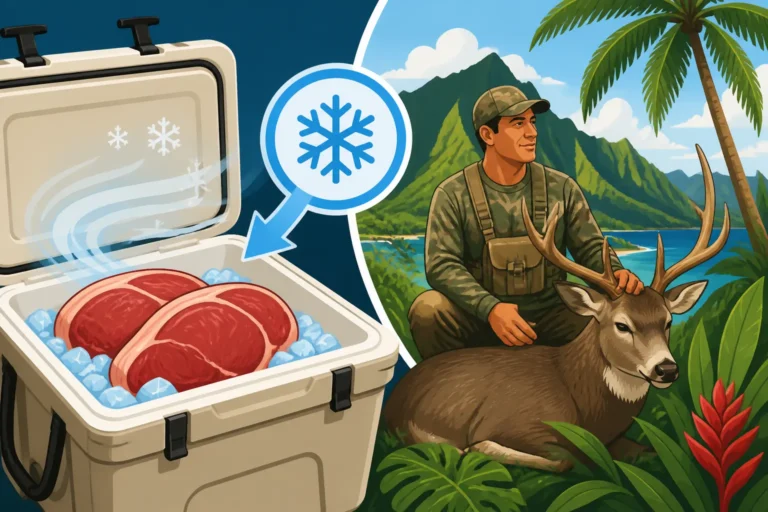
If you are fortunate enough to harvest a black-tailed deer in Kokee, quick and efficient field dressing is critical. Even if the air feels cooler at elevation, the interior of the animal will spoil quickly, especially in the humid environment. Get the hide off and the animal quartered as soon as possible. Game bags are a must for keeping meat clean and protected during the pack out.
Packing meat out of a Hawaii gulch or steep terrain can be a monumental task. Have a plan for how you'll get the meat back to your vehicle. If you're hunting solo, you might need to make multiple trips or invest in a sturdy game cart for sections of trail. Once back at camp or your accommodation, get the meat on ice immediately in coolers. For longer storage or transport home, local meat processors can often vacuum seal and freeze your venison. Remember to check agricultural rules for transporting meat between islands or back to the mainland to ensure compliance.
Disclaimer
Hunting in Hawaii carries inherent risks and requires adherence to strict regulations. This guide provides general information and should not replace consulting the official Hawaii Department of Land and Natural Resources (DLNR) Division of Forestry and Wildlife (DOFAW) regulations and local authorities for the most current and accurate information before planning any hunt. Always prioritize safety, ethical hunting practices, and respect for the land and local culture.