Tagging an Animal Correctly in Hawaii
Many hunters, whether they're seasoned kama'aina or visitors coming to experience Hawaii's unique hunting opportunities, often find themselves scratching their heads over the precise rules for tagging a harvested animal. It's not just about having the tag; it's about getting it filled out and affixed exactly right, and understanding the journey that tag takes from your wallet to the game animal, and beyond. Overlooking even a small detail can lead to real headaches, from fines to legal issues, and that's the last thing anyone wants after a successful hunt. This comprehensive guide will meticulously break down the proper way to tag your game in Hawaii, helping you navigate the regulations with confidence and ensure your hard-earned harvest is handled legally and respectfully.
The Critical Importance of Proper Tagging in Hawaii
Imagine finally taking that magnificent Axis deer after a long, challenging stalk across the dry country of Maui. Your heart is pounding, adrenaline is high, and you're just eager to start the field dressing. But hold on a second – before anything else happens, that animal needs a tag. In Hawaii, proper tagging isn't just a bureaucratic formality; it's a cornerstone of responsible hunting, deeply tied to both legal compliance and the health of our wildlife populations. It's easy to get caught up in the excitement, but taking the time to tag correctly is crucial.
Upholding the Law and Avoiding Penalties
The first, and perhaps most immediate, reason to tag your animal correctly is to stay on the right side of the law. Hawaii has specific regulations regarding the possession of untagged game animals. If you're encountered by a Department of Land and Natural Resources (DLNR) Division of Forestry and Wildlife (DOFAW) officer with an untagged animal, or one that's improperly tagged, you could face significant penalties. We're talking about fines that can put a serious dent in your wallet, potential confiscation of your harvested animal, and even the loss of your hunting privileges. These aren't just minor slaps on the wrist; they're serious consequences designed to ensure everyone plays by the rules. It's a real frustration when you've done everything else right, only to trip up on this final, but critical, step. Understanding and following Hawaii's Legal Weapons by Season is another vital part of staying legal.
Contributing to Conservation and Data Collection
Beyond the legal ramifications, properly tagging your animal plays a vital role in wildlife management and conservation efforts across the islands. Each tag, when filled out accurately and reported, contributes invaluable data to DOFAW. This data helps biologists track harvest rates, monitor population trends for species like Axis Deer, Hawaii's Signature Big Game, and even understand animal movement within specific units. For example, if harvest reports show a consistent decline in animals from a particular unit, wildlife managers can investigate potential issues or adjust future hunting seasons and bag limits. This information is essential for making informed decisions that ensure sustainable hunting opportunities for future generations. When you fill out that tag, you're not just marking your kill; you're providing a piece of the puzzle that helps paint a clearer picture of our cherished game animals.
Navigating Hawaii's Permit-Tag System Step-by-Step
The Hawaii permit-tag system might seem a little daunting at first glance, especially if you're used to a simple license and stamp process elsewhere. But once you understand the rhythm of it, it becomes second nature. It's designed to manage specific populations on certain islands and units, giving DOFAW tighter control over sensitive ecosystems.
Acquiring Your Tags and Understanding Their Purpose
Before you even step foot in the field, you need to make sure you have the correct tags. In Hawaii, the process for acquiring these tags often goes hand-in-hand with purchasing your hunting license. For many permit-required hunts, particularly for game mammals like Axis deer on Maui, Lanai, and Molokai, or Mouflon Sheep on Hawaii Island, you’ll apply for and purchase your tags in advance, often online through the state's official GoHunt Hawaii portal. This is also where you'd typically manage your Hawaii Hunting Licenses and What They Cost. Each tag is specific: it’ll have your hunter information, a unique tag number, and be designated for a particular species and possibly even sex. It's not just a blank piece of paper; it's a pre-assigned permit to take one animal of a specific type. Make sure you fully understand Which Islands Require Permit-Tags before you head out. Don't be that hunter who shows up without the right tag, hoping to buy one on the spot; that's almost never an option once a season has started.
Filling Out the Tag Correctly at the Moment of Harvest
This is where the rubber meets the road. As soon as you've confirmed your animal is down and you've approached it, the very next step – before any field dressing begins – is to fill out and attach your tag. No exceptions. This immediate action is paramount. You need a pen, and ideally a permanent marker that won't smudge in the island humidity or rain, which trust me, can pop up out of nowhere even on a sunny day.
Here's the critical information you'll need to legibly write on your tag:
- Date of Kill: The exact day, month, and year.
- Time of Kill: The precise hour and minute.
- Hunting Unit: The specific unit code where the animal was harvested (e.g., Unit A, Unit C, etc.). You should know this from your permit or map.
- Species: Clearly identify the species (e.g., Axis Deer, Feral Pig, Mouflon Sheep).
- Sex of Animal: Male, Female, or in some cases, "Unknown" if it's not immediately discernible (though for most big game, it should be clear).
- Hunter's Signature: Your legal signature.
Sometimes there are additional fields, so always read your specific tag thoroughly. Take your time. Don't rush it. This isn't the moment to be sloppy, especially when your hands might still be a little shaky from the excitement.
Securely Attaching the Tag to Your Game Animal
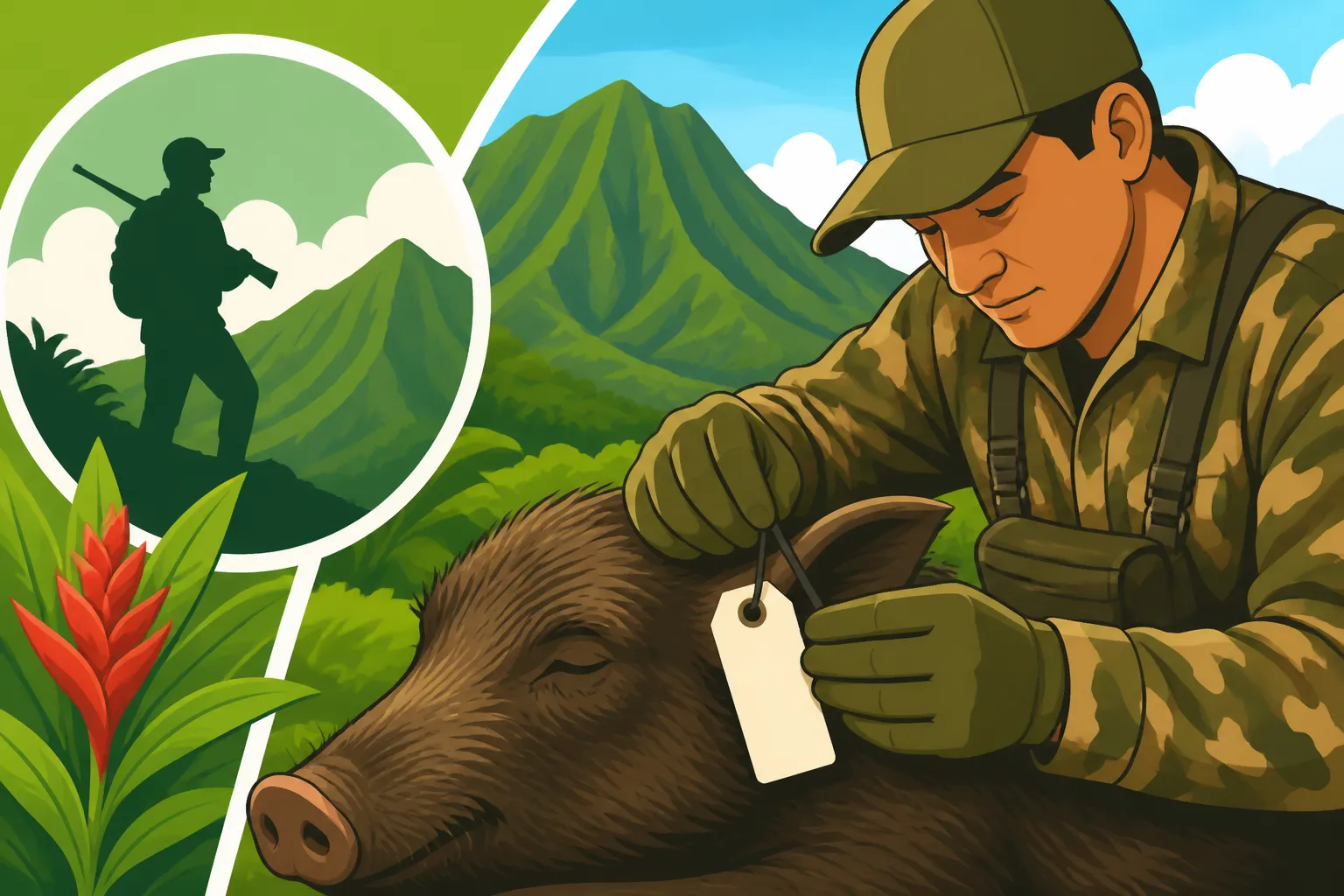
Once your tag is filled out, it needs to be securely attached to the animal. The rule of thumb in Hawaii is that the tag must remain attached to the carcass until it reaches the place of final processing. This usually means a leg, horn, or ear. For Axis deer, many hunters prefer to zip-tie it through the base of an antler or around a hind leg. For pigs, often a rear leg or through an ear is suitable. The key is securely.
Here’s a breakdown of common attachment points and considerations:
- Antlers/Horns: If your animal has antlers or horns (like an Axis deer or Mouflon ram), looping the tag through the base and securing it with a zip-tie is often the cleanest method. This keeps it visible and generally out of the way during field dressing.
- Hind Leg: For all game mammals, attaching it to a hind leg, especially near the hock, is a widely accepted practice. Again, a sturdy zip-tie is your best friend.
- Ear: Particularly for feral pigs, securing the tag through an ear can work well.
The goal is for the tag to be visible and impossible to accidentally fall off during transport, especially when you're dragging the animal out of a remote gulch or through thick brush. Imagine the frustration of getting back to your truck, only to find your tag missing because it wasn't secured properly! The law states the tag must be "securely affixed and remain with the carcass."
| Required Tag Information | Details to Provide | Why It Matters |
|---|---|---|
| Hunter Name/ID | Your legal name or hunter ID number | Identifies the lawful hunter, crucial for verification. |
| Hunting License # | Your valid Hawaii Hunting License # | Links the harvest to your legal hunting credentials. |
| Date of Kill | MM/DD/YYYY | Confirms harvest occurred within open season dates. |
| Time of Kill | HH:MM (AM/PM) | Provides specific data, important for game bird rules and legal shooting hours. |
| Species | Axis Deer, Feral Pig, Mouflon, Goat | Ensures correct tag was used for the animal harvested. |
| Sex of Animal | Male, Female, or Unknown (if allowed) | Important for specific harvest quotas or data collection on population sex ratios. |
| Hunting Unit | Official unit code (e.g., Unit A) | Identifies where the animal was harvested for management and specific unit rules. |
| Hunter's Signature | Your legal signature | Affirms the hunter's responsibility and validates the tag. |
Common Tagging Mistakes and How to Sidestep Them
It's natural to make mistakes, especially when learning new regulations or hunting in a new area like Hawaii. But when it comes to tagging, some common errors can be easily avoided with a little forethought and discipline.
The Dangers of Delayed Tagging
One of the biggest no-nos, and a surprisingly common mistake, is delaying the tagging process. I've heard stories from veteran hunters and even made the mistake myself early on: you're so excited, you want to take photos, maybe start field dressing immediately to cool the meat, and the tag gets pushed to the back of your mind. Don't do it. The law is clear: the animal must be tagged immediately upon killing it. The moment you confirm the animal is deceased and you've approached it, the tag comes out.
Why is this such a big deal? Imagine an officer approaches you while you're taking photos, and the animal is untagged. Even if you have the tag in your pocket, the officer cannot confirm when the animal was killed. It opens the door to potential accusations of poaching or attempting to evade regulations. It's far better to spend five minutes properly tagging before doing anything else than to risk a major violation. This is especially true if you're on a multi-day hunt and planning to cool meat fast on a Hawaii hunt to transport later.
Ensuring All Required Information is Accurate and Legible
Another pitfall is illegible or incomplete information on the tag. You might be cold, tired, or your hands are dirty, making it hard to write neatly. But that tag is a legal document. An officer needs to be able to read every piece of information clearly. Carrying a fine-point permanent marker, like a Sharpie, that writes well on the tag material is a small investment that can save you a lot of grief.
Double-check every single field:
- Is the date correct?
- Did you mark the correct species and sex?
- Is the hunting unit clearly written?
It's easy to accidentally put the wrong year, or confuse a unit number, especially if you're hunting different units or species throughout the season. Treat it like filling out an important form, because it is. If you're hunting with a guide from one of the Hawaii Hunting Guides and Outfitters, they'll often help ensure this is done correctly, but ultimately, it's your responsibility as the hunter.
Handling Lost, Damaged, or Incomplete Tags
What happens if you're deep in the Wailuku River Valley, you've taken a pig, and you realize your tag is either lost, soaking wet and unreadable, or you somehow filled it out incorrectly beyond repair? This is a genuine concern, especially in Hawaii's rugged and sometimes wet terrain.
Firstly, prevent this by always carrying your tags in a waterproof, secure pouch. Many hunters use a Ziploc bag tucked into a secure pocket. If a tag does become unreadable or damaged beyond repair, you are technically in possession of an untagged animal if you can't re-tag it. Your best course of action is to immediately contact DOFAW. Explain your situation calmly and follow their instructions. They might ask you to bring the animal (or specific parts of it) to a check station or verify your situation in person. Never try to forge or alter a damaged tag. It's a tough spot to be in, but transparency is always the best policy to avoid a Penalties for a Hunting Violation. If you're checking in and out of Hawaii Hunting Units using the OuterSpatial App to Check In, you might also have digital documentation, but the physical tag remains critical.
What Happens After the Tag is Attached
Once your animal is legally tagged, your responsibilities aren't over. There are still crucial steps to ensure the legal journey of your harvest, from the field to your freezer.
Checking Out and Reporting Your Harvest
Just as important as checking in to a hunting unit (if required) is checking out and reporting your harvest. On many Hawaii public lands, especially those with specific permit-tag requirements, you'll need to physically check out at a hunter check station or report your harvest online via the GoHunt system or the OuterSpatial app. This usually needs to happen on the same day as your hunt or within a very specific timeframe.
When checking out, you'll provide details of your hunt, including the species, sex, and date of your kill, often cross-referencing your tag number. This is another opportunity for DOFAW to collect valuable data, contributing to the broader management goals of Hawaii's Game Mammal Seasons. Failure to check out or report your harvest can lead to administrative penalties, impacting your ability to hunt in the future. It’s part of the comprehensive system designed to track hunting pressure and success rates.
Transporting Your Game Legally Across the Islands
Once your animal is tagged and you've checked out, you need to think about transporting it. The tag must remain attached to the carcass until it reaches the place of final processing. This means if you're driving it home, or even to a local butcher, the tag stays on.
What if you're planning on shipping game meat between Hawaii Islands, or even flying home with game meat from Hawaii to the mainland? This adds another layer of complexity. For inter-island travel, agricultural inspections are standard. You'll need to clearly show your tagged carcass and often provide your hunting license and permit-tag documentation. Specific rules apply, especially concerning preventing the spread of invasive species, so always check with the Department of Agriculture beforehand.
When preparing your game for transport, particularly if you're quartering it in the field to pack meat out of a Hawaii gulch, ensure a portion of the original tag or a clearly documented reference to it stays with each primary portion of the carcass until it reaches final processing. For instance, if you quarter an Axis deer, many hunters will attach a copy of the tag, or a written note with the tag number and required info, to each quarter. This ensures that every part of the animal is traceable back to the legal harvest. Some tags even have multiple sections for this purpose, but if not, clear labeling is your responsibility. Always err on the side of caution and clear identification.
Disclaimer
The information provided in this guide is for general informational purposes only and is not intended as legal advice. Hunting regulations in Hawaii are subject to change, and specific rules may vary by island, unit, and season. It is the responsibility of every hunter to consult the most current Hawaii Administrative Rules (HAR) and actively check announcements from the Hawaii Department of Land and Natural Resources (DLNR) Division of Forestry and Wildlife (DOFAW) before planning and engaging in any hunting activity. Always confirm current regulations, unit closures, and permit requirements directly with official state resources.