Hawaii Island Unit Access by District
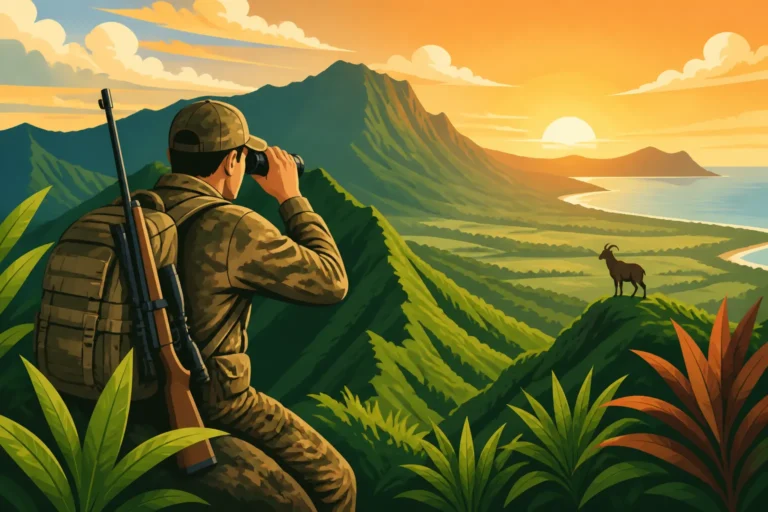
Hunting Hawaii Island can feel like navigating a whole continent, not just a single island. The sheer scale and diverse terrain, from lush rainforests to high-altitude deserts, mean that understanding public hunting unit access isn't a simple matter; it's deeply tied to which district you plan to explore. This guide will walk you through the distinct access challenges and opportunities you'll encounter across Hawaii Island's varied hunting districts, helping you plan your next adventure with confidence.
Understanding Hawaii Island's Hunting Districts
Hawaii Island, or the Big Island, is an enormous landmass, dwarfing all other Hawaiian islands combined. Its diverse climate zones and geology mean that hunting access, game species, and terrain vary dramatically from one district to another. You can be hunting feral pigs in a dense, wet rainforest on the windward side one day, and chasing mouflon sheep across a dry, rocky lava field at high elevation the next. This incredible variety is what makes hunting here so unique, but it also means you can't approach every unit with the same expectations for access.
The Department of Land and Natural Resources (DLNR) Division of Forestry and Wildlife (DOFAW) manages most public hunting lands, often dividing them into Game Management Areas (GMAs) and Forest Reserves (FRs) which often fall within specific districts. What might be an easy hike in one area could require a serious 4×4 and a multi-day trek in another. Knowing which district you're in helps immensely in anticipating road conditions, weather patterns, and even the type of game you're likely to encounter. It's not just about a unit number; it's about the entire environment it exists within.
The Big Island's Geographic Sections and Their Impact on Access
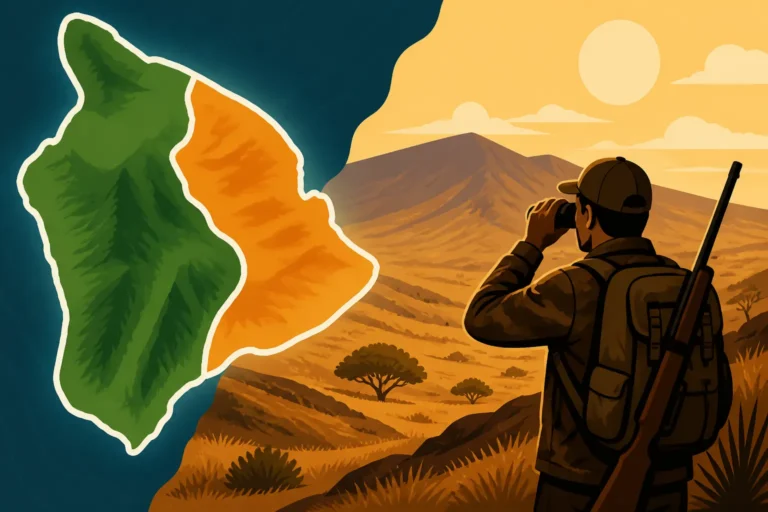
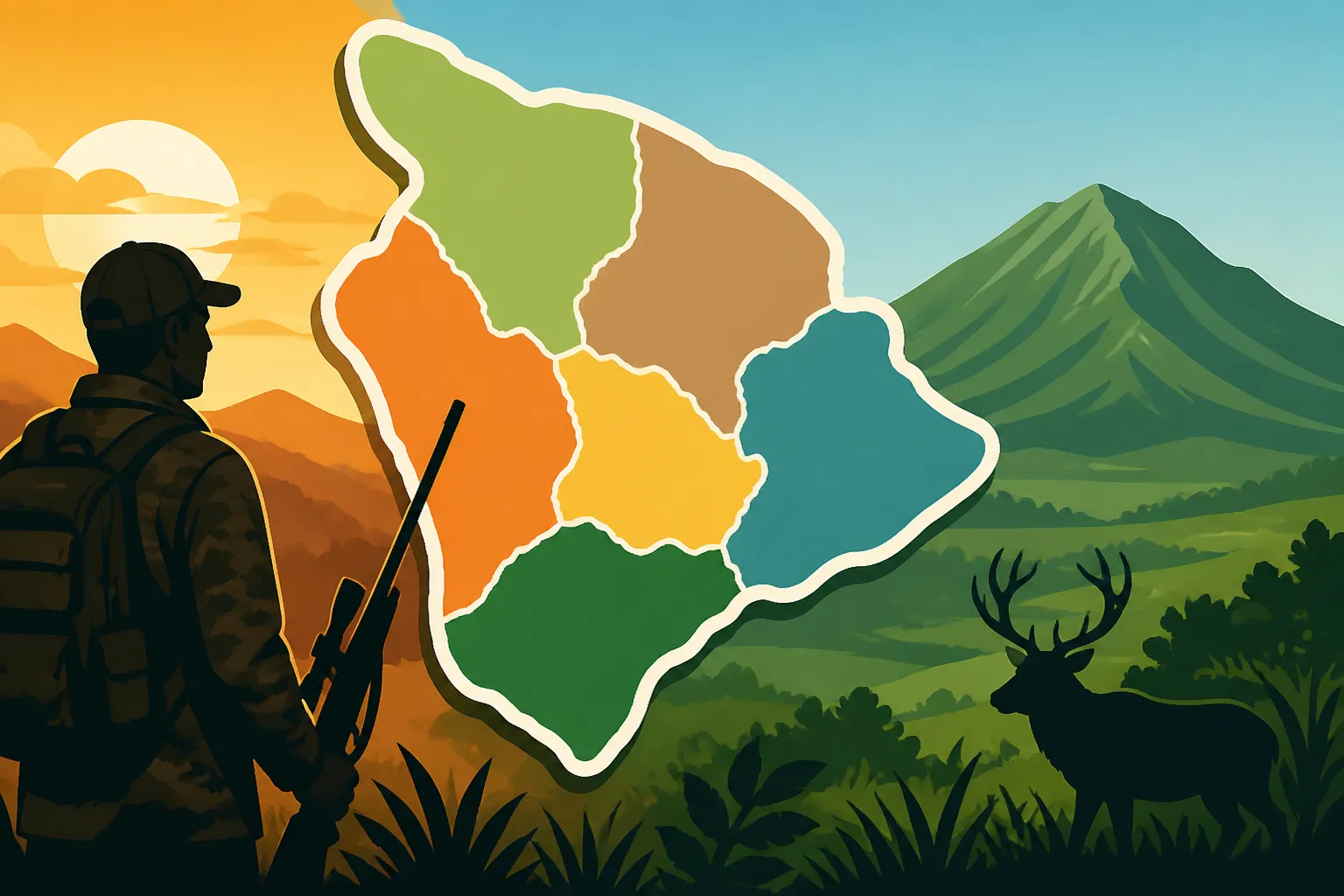
To simplify, think of Hawaii Island in broad strokes: the wet, windward (Hilo) side, the dry, leeward (Kona) side, and the high-elevation interior. Each offers a completely different hunting experience, and critically, different access points and challenges. These aren't official "districts" in the same way the county defines them, but they represent ecological and access realities.
- Windward (East) Side: This includes areas around Hilo, Hamakua, and Puna. Characterized by high rainfall, dense forests, steep gulches, and often muddy, rough tracks. Access can be limited by heavy vegetation and impassable roads after rain.
- Leeward (West) Side: Encompassing Kona, Kohala, and parts of Kaʻū. Generally drier, with open rangelands, kiawe forests, and lava flows. Roads can be rocky and dusty, but often more navigable in dry conditions.
- High Elevation/Interior: This vast region includes Mauna Kea, Mauna Loa, and the Saddle Road area. Access here often means gravel roads at high altitude, exposed terrain, and rapidly changing weather conditions. Hunting Hawaii's High Elevation Alpine Ground is a completely different ballgame from coastal hunting.
Hilo and Hamakua: Wet Forest and Steep Terrain Access
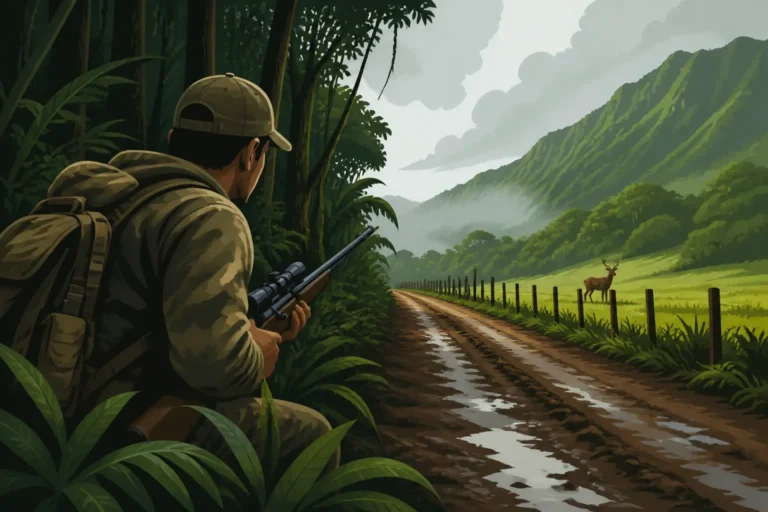
The Hilo and Hamakua districts on the windward side of Hawaii Island are defined by their lush, wet, and often rugged landscapes. This is prime habitat for feral pigs, which thrive in the dense undergrowth and abundant food sources. However, this beauty comes with significant access challenges that can easily catch an unprepared hunter off guard.
When you look at a map, you'll see a tapestry of Forest Reserves like Hilo Forest Reserve and Waiakea Forest Reserve. These areas are incredibly productive for pig hunting, but the access roads are typically unpaved, often deeply rutted, and can turn into muddy quagmires after even a moderate rainfall. I've seen trucks get hopelessly stuck just trying to reach a trailhead in these parts. You need a reliable 4×4, and even then, sometimes you just have to park and walk a lot further than you planned.
Navigating Muddy Tracks and Dense Vegetation
The main challenge here isn't just getting to the unit, but moving through it. The dense vegetation, often a mix of ohia and koa trees, with thick undergrowth of hilo grass and strawberry guava, can make walking an uphill battle. Trails might be overgrown quickly, making GPS navigation tools like onX Hunt absolutely essential for staying on track and knowing where unit boundaries lie. Without it, you could easily find yourself turned around in the endless green.
Furthermore, many of the hunting areas in these districts are riddled with steep gulches and drainages, carved out by centuries of heavy rainfall. Dropping into one of these to pursue a pig can be a real adventure, but getting out with an animal on your back is a whole different story. This is where fitness becomes paramount, and why packing light and smart is crucial. Hunters often focus on Hunting Pigs in Hawaii's Rainforest Gulches but underestimate the sheer effort involved in the extraction.
| District Segment | Primary Game | Terrain Description | Typical Access Challenges | Vehicle Recommendation |
|---|---|---|---|---|
| Hilo/Hamakua (Wet) | Feral Pig | Dense rainforest, steep gulches, muddy trails | Overgrown roads, deep mud, difficult footing, limited visibility | High-clearance 4×4 with winch capability often advised |
| Kona/Kaʻū (Dry) | Feral Goat, Pig | Open kiawe forest, lava fields, dusty ranch roads, steep cliffs | Rocky roads, exposed terrain, heat, vast distances, thorny brush | 4×4 for ranch roads, foot access for remote lava/cliffs |
| Mauna Kea/Saddle (High) | Mouflon Sheep, Goat, Pig | Alpine desert, mamane forest, cinder cones, rough lava | High elevation, extreme weather changes, rough gravel roads, thin air | Rugged 4×4, sometimes tracked vehicles for specific areas |
Kona and Kaʻū: Dry Country and Lava Flow Access
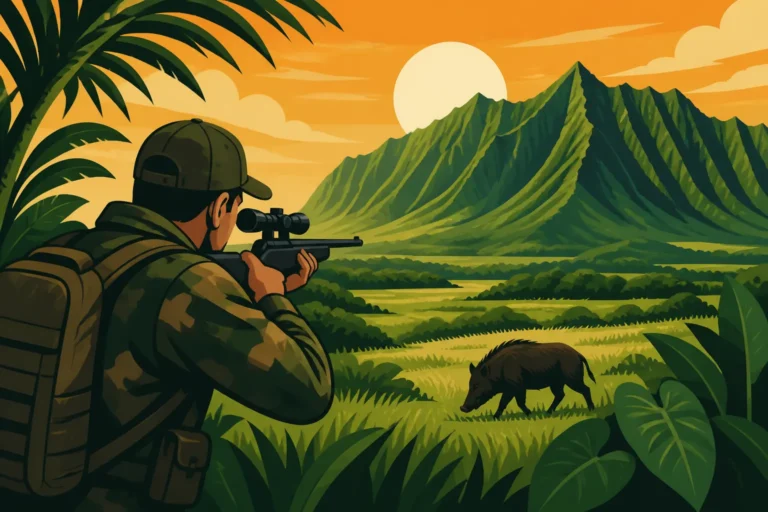
Moving over to the leeward side of Hawaii Island, the Kona and Kaʻū districts offer a stark contrast in landscape and hunting conditions. Here, you'll find much drier environments, characterized by kiawe flats, vast cattle pastures, and ancient lava flows. Game species like feral goats and pigs (often in more open country) roam these areas, and the access, while different, presents its own unique set of considerations. Hunting Hawaii's Dry Leeward Country requires a different mindset.
In the Kona district, much of the hunting land is either private ranch land, which often requires specific landowner permission or guided hunt arrangements, or public lands like the Puu Anahulu Game Management Area. Access to Puu Anahulu is generally via improved gravel roads, often passable with a 4×4, though some sections can be rough and rocky. The key here is dust during dry spells, which can obscure vision and penetrate everything. OnX Hunt or GoHunt can be incredibly useful to ensure you're on designated public access roads and not accidentally straying onto private holdings, which are plentiful in this region.
Navigating Rocky Roads and Expansive Landscapes
The Kaʻū district, especially the remote southern sections, can be truly wild. Here, you might encounter massive lava fields from Mauna Loa, making vehicle access almost impossible in certain areas. This means you'll be on foot, traversing incredibly abrasive and unforgiving terrain. Walking Rough Lava Without Wrecking Your Boots isn't just advice, it's a survival strategy. Boots with stiff soles and good ankle support are a must.
The access roads, where they exist, can be long, dusty, and remote. Cell service is often nonexistent. Planning for water and sun protection is absolutely critical in these exposed, arid environments. While the vegetation isn't as thick as the windward side, kiawe trees are notorious for their sharp thorns, which can puncture tires and gear alike. It’s a landscape that demands respect and thorough preparation, especially for those venturing out to Hunting Goats on Hawaii's Coastal Cliffs where footing can be treacherous.
Mauna Kea and the Saddle: High-Elevation Challenges
The central highlands of Hawaii Island, dominated by the towering volcanoes of Mauna Kea and Mauna Loa, present yet another unique hunting experience, primarily for mouflon sheep. This region, often referred to as the Saddle Road country or the Mauna Kea region, includes significant hunting units like Unit A on Mauna Kea and parts of the Pohakuloa Training Area (PTA) that are open for hunting.
Access to these units is predominantly via the Saddle Road (Highway 200), a well-maintained highway that traverses the island's interior. However, branching off this highway are numerous unimproved gravel and dirt roads that lead into the actual hunting grounds. These secondary roads, while generally more stable than the muddy tracks of the windward side, can be incredibly rocky, rutted, and, at higher elevations, prone to washouts, especially after heavy rains or snowmelt. A good 4×4 is almost always essential, and clearance is often more important than pure traction.
High Altitude, Extreme Weather, and Remote Access
The biggest challenge in these high-elevation units isn't necessarily the roads themselves, but the environment they lead you into. You're hunting at elevations often exceeding 6,000 feet, sometimes even higher. This means thinner air, which can profoundly impact your physical stamina, and rapidly changing weather. I've experienced everything from scorching sun to freezing rain and hail, all within a few hours on Mauna Kea. Hunting Mouflon in Mauna Kea's Thin Air demands physical conditioning and appropriate layering.
Some of the most productive mouflon areas require considerable hiking beyond vehicle access. You might be glassing vast, open lava flows or traversing mamane and naio forests. This expansive, often exposed terrain means that scouting with good optics is key, and being able to navigate by GPS is non-negotiable. It's easy to get disoriented in the undulating landscape of cinder cones and old lava flows. Having your unit maps downloaded on a reliable app like onX Hunt, especially where cell service is unreliable, can be a real lifesaver. This remoteness also means you need to be self-sufficient – extra fuel, water, and emergency supplies are not luxuries, but necessities. It's not uncommon for hunters to experience solitude for days in these areas, making Getting the Most From a Hawaii Weekend Unit here a true test of preparedness.
Planning Your Access Strategy for Hawaii Island Hunts
No matter which district you're heading to on Hawaii Island, a solid access strategy is paramount. Each area presents its own unique set of hurdles, and anticipating them can mean the difference between a successful hunt and a frustrating, even dangerous, experience.
First and foremost, research is your best friend. Before you even think about packing your gear, dive deep into the specific unit regulations on the Hawaii DOFAW website. They'll outline open seasons, legal weapons, and sometimes even specific access instructions or closures for certain roads. This is also where you'll find information on Hawaii Island Hunting Unit Seasons which can vary significantly even within adjacent areas.
Next, invest in good navigation tools. A physical map is a must, but digital mapping apps are invaluable. Tools like onX Hunt or GoHunt allow you to download maps for offline use, pinpoint your exact location relative to unit boundaries, and mark trails or points of interest. This is especially crucial in areas where cell service is spotty or nonexistent, which is most of Hawaii Island's public hunting land. These apps can help you avoid accidental trespass, which is a serious issue on an island with so much mixed public and private land.
Vehicle Preparedness and Physical Fitness
Your vehicle choice and preparedness are critical. For the vast majority of Hawaii Island's public hunting units, a high-clearance 4×4 is not optional, it's mandatory. Forget the sedan or even most AWD crossovers for anything beyond the paved roads. You'll encounter deep ruts, sharp rocks, muddy sections, and steep grades. Ensure your vehicle is in good working order, has appropriate tires (all-terrain or mud-terrain), and consider carrying recovery gear like a shovel, tow strap, or even a winch, especially for the wetter windward units. Fuel can be scarce in remote areas, so plan your routes and carry extra if needed.
Finally, don't underestimate the physical demands. Whether you're slogging through thick, muddy rainforest or hiking across exposed lava fields at altitude, Hawaii hunting is physically challenging. Train for uneven terrain, steep climbs, and carrying weight. Hydration and sun protection are key, even on cloudy days. You might be walking in to a remote Hawaii unit, which means every piece of gear you need has to be carried on your back, and every pound of meat you harvest has to come out the same way. This island gives up its bounty only to those who put in the effort.
Disclaimer
This article is for general informational purposes only and does not constitute professional advice. Laws, prices and regulations vary by location and change over time. Consult a qualified professional for guidance on your specific situation.