Hunting Hawaii’s Dry Leeward Country
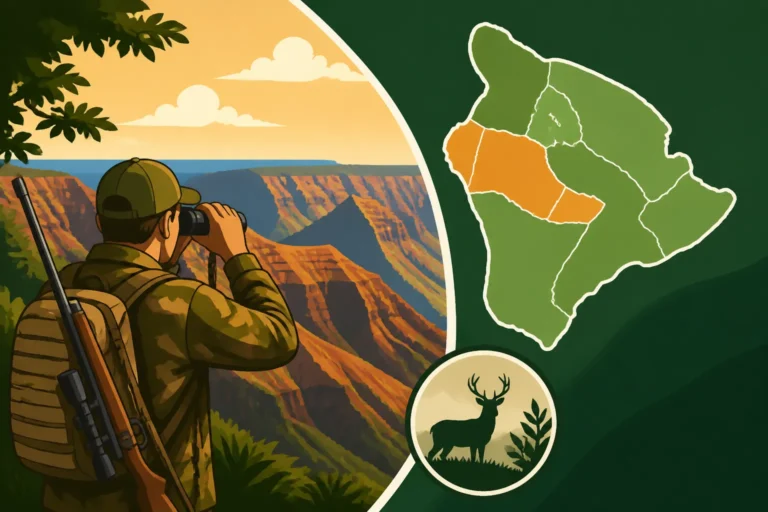
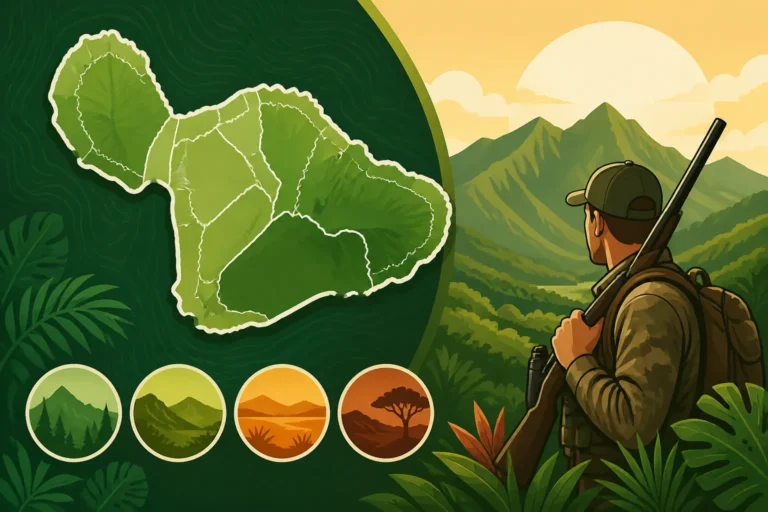
Stepping onto Hawaii's leeward side for a hunt can feel like entering a completely different world compared to the lush, wet forests most people imagine. The stark, dry landscapes, searing heat, and seemingly barren terrain present unique challenges that can quickly overwhelm an unprepared hunter. This guide is here to walk you through everything you need to know to not only survive but thrive in these arid Hawaiian hunting grounds, helping you understand the unique environment, target species, and the strategies that bring success in this unforgiving but rewarding landscape.
Understanding Hawaii's Leeward Side
The leeward side of any Hawaiian island is a stark contrast to its windward counterpart. While windward slopes are often draped in verdant rainforests, constantly nourished by trade wind showers, the leeward regions lie in a rain shadow, receiving significantly less precipitation. This difference shapes everything about the landscape, from the vegetation to the animals that call it home, and thus, how you must approach hunting here.
The Unique Climate and Terrain
Imagine vast expanses of sun-baked land, often covered in rocky lava flows, kiawe trees, and sparse, drought-tolerant grasses. That's the typical picture of Hawaii's leeward country. The days are usually hot, often intensely so, with temperatures soaring well into the 80s and 90s, especially at lower elevations. Humidity is generally lower than on the windward side, but the sun is relentless. This isn't your cool, shaded mountain hunt. The terrain can be brutally unforgiving, characterized by jagged a'a lava fields, smooth pahoehoe flows, steep dry gulches, and rocky hillsides. Walking here is a constant challenge, demanding careful foot placement and durable gear.
Water, as you might guess, is a precious commodity. Natural springs are rare and often intermittent, making stock ponds, man-made catchments, or even agricultural irrigation leaks critical focal points for wildlife. The ground itself is often dusty and loose, making scent control tricky with shifting breezes, or so hard-baked that tracking is next to impossible. Hunters often underestimate the physical toll this environment takes, not just on their bodies but on their gear.
Rain Shadows and Their Impact on Vegetation
The phenomenon of the rain shadow is what truly defines Hawaii's leeward climate. As the moist trade winds blow in from the northeast, they are forced upwards by the islands' volcanic mountains. This ascent cools the air, causing condensation and heavy rainfall on the windward slopes. Once the air crests the summit and descends on the leeward side, it warms and dries, pulling moisture out of the landscape rather than contributing to it. This creates distinct ecological zones.
The result is a landscape dominated by plants adapted to arid conditions. You won't find the towering koa or ohia forests of the wet side. Instead, expect to see dense thickets of kiawe (mesquite), a thorny, invasive tree that provides excellent cover but can be a nightmare to walk through. There are also stands of buffelgrass, fountain grass, and other non-native species that thrive in dry heat. This sparse, often thorny vegetation offers surprisingly good concealment for game, making close-range encounters a real possibility if you're not careful. Understanding these transitions, from the wetter pockets fed by occasional clouds to the truly desolate lava fields, is key to locating game.
Common Plant Life and Cover in Dry Country
Beyond the dominant kiawe, you'll encounter a variety of other hardy plants. Haole koa is another thorny, brushy tree, often forming impenetrable tangles. Olives (not the Mediterranean kind, but Olea europaea subsp. cuspidata) can create dense patches, as can various types of non-native shrubbery. Grasses tend to be short and dry for much of the year, turning brown and crunchy. The ground cover itself can be a mix of dust, gravel, and volcanic rock.
For a hunter, this vegetation presents both challenges and opportunities. The dense thorny thickets are perfect bedding areas for pigs and Axis deer during the heat of the day. They provide excellent cover for game to move undetected, but also make silent movement incredibly difficult for the hunter. You'll quickly learn to appreciate any natural openings, old ranch roads, or cattle trails that offer a path of least resistance. Scouting beforehand, even from aerial maps or using tools like onX Hunt to identify potential travel corridors or denser patches, becomes invaluable. Remember, while it might look barren, these areas often hold an incredible amount of life, perfectly adapted to the dry conditions.
The Game of the Drylands
When you're hunting Hawaii's dry leeward country, you're primarily going after species that have adapted to, and even thrive in, these arid conditions. Each species presents its own unique challenge and requires specific tactics to be successful.
Axis Deer: Masters of the Arid Zones
Without a doubt, Axis Deer, Hawaii's Signature Big Game are the undisputed kings of Hawaii's dry leeward side. They were introduced to the islands and have proliferated in these environments, particularly on Maui, Molokai, and Lanai, where vast tracts of dry, open country with kiawe forests provide ideal habitat. Axis deer are incredibly wary, with keen senses of smell, hearing, and eyesight. They blend seamlessly into the dappled light and shadows of the kiawe thickets and dry grasslands, making them notoriously difficult to spot.
During the hotter parts of the day, especially in open areas, they tend to bed down in the densest available cover, often near a water source or in a shady gulch. Their primary activity occurs during the cooler hours of dawn and dusk, when they move out to feed on grasses, browse, and kiawe pods. You'll often find them traveling in herds, sometimes quite large, which means more eyes and ears to contend with. The challenge of hunting Axis deer in this environment is immense – it's a true test of patience, stealth, and acute observation. Understanding their habits and preferred bedding areas near water is crucial.
Feral Goats: Cliff Dwellers and Tough Customers
Another staple of the leeward drylands, particularly on the Big Island and parts of Maui, are Hawaii's Feral Goats and Why They Matter. These hardy ungulates are perfectly suited to the steep, rocky, and often cliff-ridden terrain found in many dry leeward units. They are incredibly agile climbers and can navigate slopes that would deter any other animal (or hunter!). Goats are browsers, eating a wide variety of plants, including thorny kiawe and sparse grasses that other animals might avoid.
You'll often find them in groups, sometimes large nannies with their kids, or bachelor herds of mature billies. Billies, especially, can be found in more rugged, remote areas. Like Axis deer, goats are most active during the cooler parts of the day, feeding in open areas at dawn and dusk. During midday, they will often seek shade in caves, under overhangs, or simply stand on a steep, inaccessible ledge. Hunting goats in the leeward country often means covering significant vertical terrain and making precise shots in challenging conditions. They are surprisingly tough animals and can vanish quickly into the broken country.
Pigs and Game Birds in Leeward Pockets
While Hunting Hawaii's Feral Pigs is often associated with the dense, wet rainforests of the windward side, feral pigs do exist in the drier leeward country, though in specific, localized pockets. These areas are typically near perennial water sources like streams, springs, or man-made reservoirs, or in gulches where moisture can persist longer. Pigs in leeward areas tend to be smaller and harder, often with tougher hides due to the drier vegetation. They will still root extensively, but their sign might be harder to find on the parched ground compared to the muddy windward forests.
For hunters, finding pigs in leeward areas means focusing your efforts intensely around these limited water sources and the dense cover they provide. They may not be as abundant, but a leeward pig hunt can be incredibly rewarding. Similarly, Hawaii Game Bird Hunting can be surprisingly good in the dry country, especially in areas with scattered grasslands, kiawe thickets, and agricultural fringes. Species like Erckel's Francolin, Chukar, and various quail thrive in these drier, scrubbier habitats. Often, a mixed bag hunt is possible, where you might stalk deer in the morning and then walk up birds in the same general area later in the day, especially around the edges of former sugar cane fields or ranch pastures.
Top Leeward Hunting Units Across the Islands
Hawaii offers numerous public hunting units, and many of the most productive are found on the leeward sides of the major islands. These units, while challenging, offer fantastic opportunities for those willing to put in the effort. Always remember to check the latest regulations and specific unit rules through the Hawaii Department of Land and Natural Resources (DLNR) Division of Forestry and Wildlife (DOFAW) website, or via apps like GoHunt which often aggregate this information.
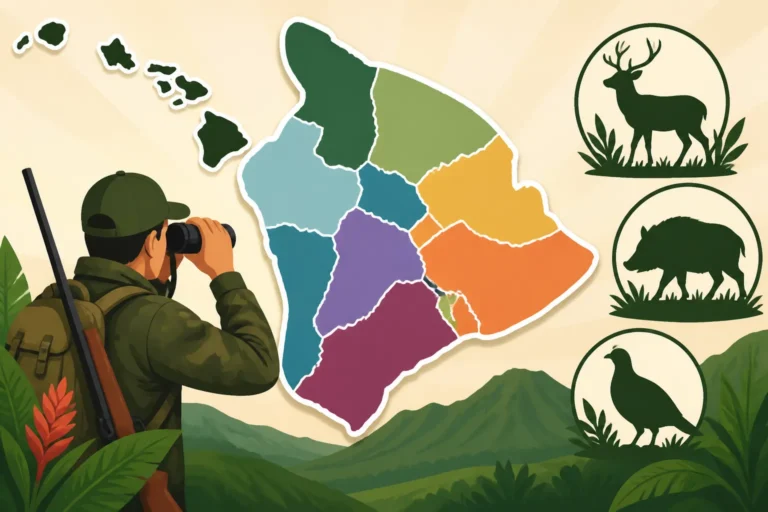
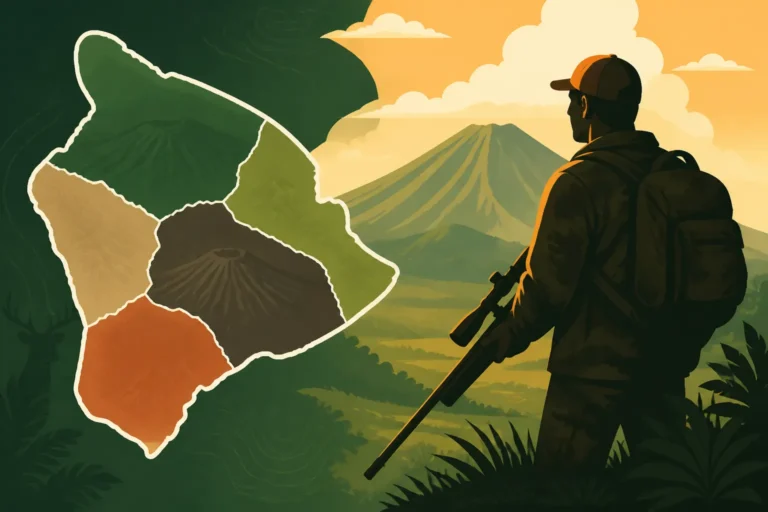
Big Island's Expansive Kona and Kau Districts
On the Big Island, the leeward side is dominated by the vast Kona and Kau districts. These areas are characterized by extensive lava fields, dry forest, and open ranch lands. Units like Puu Anahulu Game Management Area (GMA) and parts of the Kapapala Cooperative Game Management Area are prime examples. Hunting the Puu Anahulu Game Management Area is well-known for its feral goats, and sometimes pigs, especially around the kipuka and gulches that retain a bit more moisture. The terrain here is often rugged, with sharp a'a lava flows interspersed with patches of dry grass and kiawe.
The Kau Forest Reserve, particularly its lower, drier sections, can also hold good numbers of pigs, especially when conditions push them out of the wetter upper elevations. Hunters in these areas need to be prepared for long walks over rough ground, intense sun exposure, and the need for excellent glassing skills to spot animals against the broken backdrop. Access often involves driving on rough 4WD roads, and understanding the complex boundaries, often best navigated with a GPS mapping app like onX Hunt, is paramount.
Maui's Kahikinui and Kula Slopes
Maui is arguably the epicenter of Axis deer hunting in Hawaii, and its leeward side, particularly the Kahikinui and Kula Forest Reserve areas, are legendary. Hunting Maui's Upcountry Axis Deer involves vast tracts of open, rolling hills, dense kiawe flats, and deeply eroded gulches. Kahikinui, a Cooperative Game Management Area, stretches for miles along the leeward slopes of Haleakala, offering incredible opportunities for Axis deer and feral goats. The sheer scale of the landscape can be intimidating, but it allows for classic spot-and-stalk hunting over great distances.
The Kula Forest Reserve, particularly units like Polipoli Spring State Recreation Area, also offers hunting for Axis deer and pigs at higher elevations, where the climate transitions from dry to more mesic. Here, you'll find a mix of open areas and denser eucalyptus and pine plantations. The challenge in these Maui units is often dealing with very wary animals that are accustomed to hunting pressure, and navigating the vastness of the landscape. Effective Glassing Lanai's Open Ridgelines tactics translate well to these Maui slopes, where long-range visibility can be your best friend.
Lanai's Renowned Drylands
Lanai is famous for its Axis deer, and nearly the entire island can be considered "dry leeward country." Its three public hunting units are almost exclusively characterized by kiawe flats, open pastures, and steep, rocky canyons. Lanai's Unit One, for instance, is a classic example of this terrain, often producing some of the largest Axis bucks in the state. The dry, dusty conditions and the need to conserve water are defining aspects of hunting here. Hunting Lanai's Upper Ridgelines often means overlooking vast expanses where deer will emerge from dense cover to feed.
The island's unique permit-tag system and drawn hunts create highly sought-after opportunities. Hunters here must be prepared for extreme heat, very sparse natural water, and the knowledge that every drop of water they need must be packed in. The deer are incredibly adapted to these conditions, moving efficiently and quietly through the thorns. Success on Lanai often hinges on early morning and late evening hunts, focusing on primary travel routes between bedding areas and sparse feeding grounds, and exploiting any available water source, however small.
Strategic Approaches for Leeward Success
Hunting in Hawaii's dry leeward country demands a distinct set of strategies. What works in a lush, wet rainforest won't cut it here. You need to adapt to the open, arid conditions and the behavior of animals specifically suited to this environment.
Spot-and-Stalk in Open Terrain
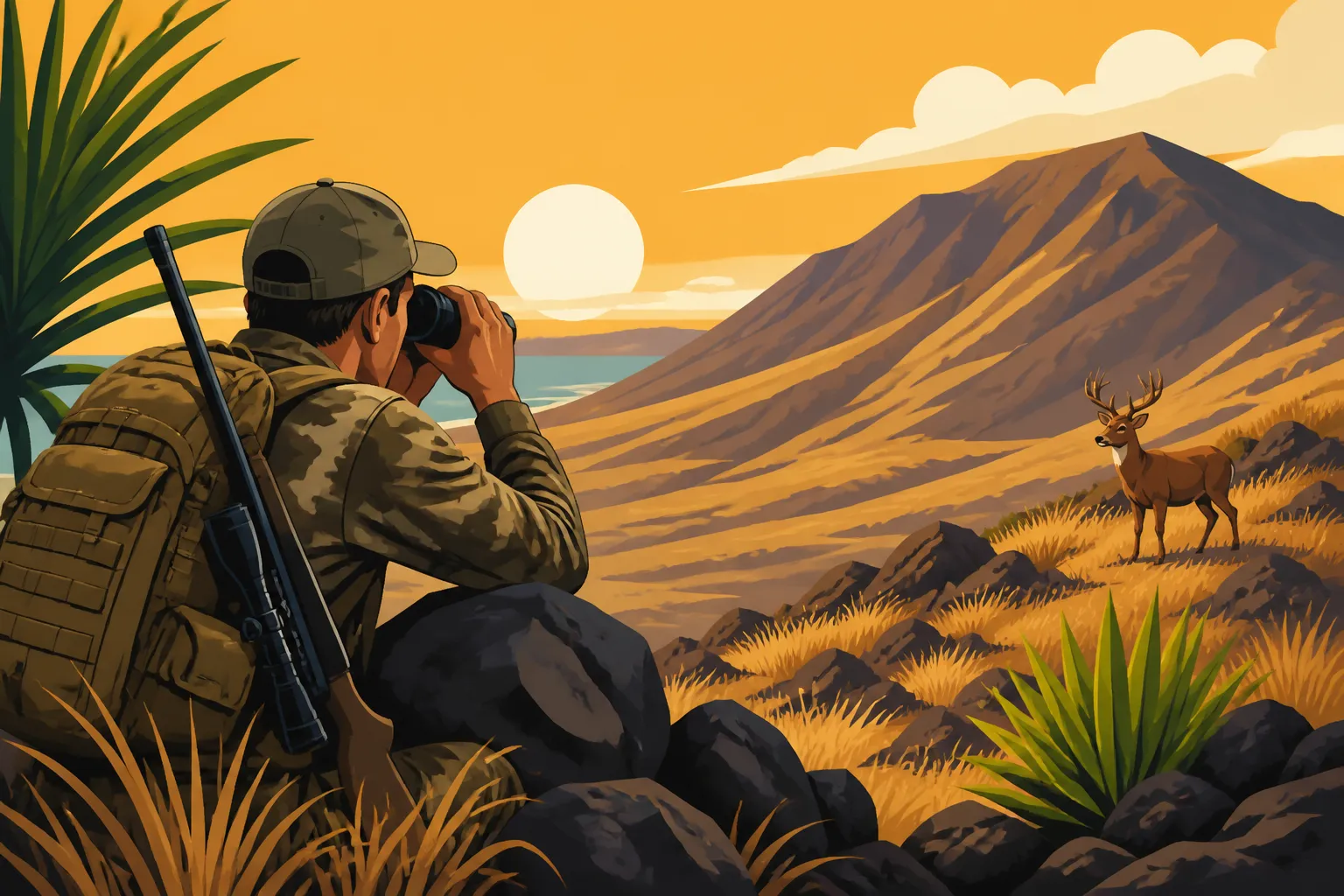
The most effective strategy by far in Hawaii's leeward drylands is Spot-and-Stalk Axis Deer in Hawaii. The open nature of much of the terrain, while often covered in kiawe, allows for extensive glassing. High vantage points, like ridgelines or elevated cinder cones, become your best friend. Get to your glassing spot well before first light, set up your optics (good binoculars and a spotting scope are indispensable), and systematically pick apart the landscape. Look for movement, a flick of an ear, a patch of hide that doesn't quite match the surroundings, or the distinct shape of an antler.
Once you spot an animal or a herd, the real work begins. Planning your stalk involves carefully assessing the wind, terrain, and available cover. You'll need to use every fold in the land, every dense patch of kiawe, and every shadow to your advantage. The ground can be crunchy underfoot, with dry leaves and brittle twigs, making silent movement incredibly challenging. Take your time, move slowly, and be prepared for long crawls. This is where fitness and patience pay off in spades. Often, the best approach is to identify where animals are heading and try to intercept them, rather than attempting a direct chase across open ground.
Hunting Water Sources and Shade
In arid environments, water is life, and that holds true for Hawaii's leeward game. Hunting a Water Source in Dry Hawaii Country can be an incredibly effective strategy, especially during prolonged dry spells. Animals, whether Axis deer, goats, or pigs, must drink. Identify perennial springs, stock ponds, cattle troughs, or even natural depressions that might hold rainwater after a rare shower. These spots become magnets for wildlife, particularly during the middle of the day when the sun is at its fiercest.
Set up downwind of a water source, ideally with good cover and a clear line of sight. Patience is key, as animals might approach cautiously. Be aware that the terrain around water sources can become heavily trampled and dusty, making it harder to approach undetected. Similarly, shade is another critical resource. During the intense midday heat, animals will seek the coolest, darkest places they can find. This might be a dense kiawe thicket, a steep-sided gulch that remains in shadow, or a small cave. Understanding these bedding areas and how animals move to and from them can provide excellent ambush opportunities.
Navigating Thermals and Wind in Dry Country
Understanding wind patterns and thermals is crucial in any hunting scenario, but especially so in the dynamic leeward landscapes of Hawaii. The combination of strong trade winds and localized thermal drafts created by heating and cooling land makes for complex air currents. Reading Hawaii's Trade Wind Patterns is a good start, but remember that the topography greatly influences how these winds behave on the ground.
In the mornings, as the sun begins to warm the earth, thermals will typically rise, carrying your scent uphill. In the evenings, as the land cools, thermals will reverse, carrying scent downhill. However, these patterns can be heavily influenced by strong prevailing trade winds, gulches acting as wind tunnels, or large open areas where wind can swirl unpredictably. Always carry a wind checker (a small squeeze bottle of powder or milkweed down works great) and use it constantly. Pay attention to how the local vegetation is moving. A slight shift in wind can betray your presence to an entire herd, especially with the keen noses of Axis deer. Planning your approach to always stay downwind of your target, even if it means taking a longer, more circuitous route, is absolutely non-negotiable.
Gear and Preparation for the Arid Hunt
Hunting Hawaii's dry leeward country isn't just about strategy; it's also about having the right gear and being physically prepared for the unique demands of the environment. Skimping on preparation here can lead to a miserable, or even dangerous, experience.
Footwear and Clothing for Sharp Lava and Heat
Your feet will take a beating in the leeward country. Jagged a'a lava, sharp rocks, and unforgiving ground demand robust footwear. Forget your lightweight hiking boots; you need sturdy, high-ankle boots with excellent sole protection and good support. Something designed for mountain hunting or heavy-duty backpacking will serve you well. Look for boots that can handle abrasion and provide stability on uneven ground. Consider pairing them with gaiters to keep small stones and kiawe thorns out of your boots and socks. Walking Rough Lava Without Wrecking Your Boots means choosing quality over comfort, but finding a balance is key.
For clothing, think light layers that offer sun protection and breathability. Long sleeves and pants are essential, not just for sun but to protect against thorns and sharp vegetation. Moisture-wicking fabrics are paramount to manage sweat in the heat. Avoid cotton, which absorbs moisture and stays wet, potentially leading to chafing and discomfort. A wide-brimmed hat is non-negotiable for sun protection for your face and neck. Blaze orange requirements vary by unit and season, so always check current regulations, but having a blaze orange vest or hat is a good safety measure regardless.
Water, Navigation, and Safety Essentials
This is where the difference between a successful hunt and a dire situation truly lies: water. You cannot carry enough. Plan to bring significantly more water than you think you'll need. A hydration bladder in your pack, supplemented by extra water bottles, is a must. Electrolyte supplements can also be a lifesaver in preventing dehydration and heat exhaustion. Don't just pack for the day; pack for contingencies.
Navigation is equally critical. While cellular service can be spotty to non-existent in many remote leeward units, a reliable GPS device or a robust mapping app like onX Hunt on your phone (with downloaded offline maps!) is indispensable. Carry a compass and a physical map as a backup. Knowing how to Staying Found in Dense Hawaii Rainforest is a different skill set from navigating open, but often featureless, lava flows. Communication, even if just a satellite messenger or a fully charged two-way radio with a buddy, is a smart move. First aid kits, headlamps (for early starts or late finishes), fire starting materials, and a multi-tool are also vital safety items. Tell someone your hunting plan, including your expected return time and exact location.
Weapons and Optics for Longer Shots
The open nature of many leeward units often means longer shot opportunities, particularly for Axis deer and goats. A flat-shooting rifle in a caliber you are comfortable with and can shoot accurately at extended ranges is a solid choice. Practice shooting from various field positions, as you likely won't have a bench rest in the field. Muzzleloaders and archery gear also have their place, but practice at longer distances is even more crucial.
Good optics are your second most important tool after your weapon. High-quality binoculars (10×42 or 12×50) are essential for glassing, and a spotting scope can be incredibly helpful for identifying animals at extreme distances and judging trophy quality. Judging an Axis Buck's Antlers in the Field requires good glass. A rangefinder is also a non-negotiable item, as judging distance in open, undulating terrain can be deceptive. Ensure all your optics are well-maintained, waterproof, and easily accessible.
Challenges and Responsibilities in Dry Leeward Country
Hunting Hawaii's dry leeward lands comes with its own set of challenges that go beyond just finding game. It also carries significant responsibilities toward the land and other users. Being aware of these aspects is crucial for a safe, ethical, and successful hunt.
Dealing with Extreme Heat and Dehydration
The heat on the leeward side is no joke. It's often compounded by strong sunlight and minimal shade. Dehydration and heat exhaustion are very real dangers. Symptoms can range from muscle cramps and dizziness to confusion and, in severe cases, heatstroke. To combat this, as mentioned, hydration is paramount. Start hydrating days before your hunt. Drink water constantly throughout the day, even if you don't feel thirsty. Take frequent breaks in the shade, if you can find any.
Plan your hunting times strategically. Hunting Axis Deer at First Light in Hawaii and late in the evening when temperatures are cooler is not just more comfortable but also when animals are most active. Avoid strenuous activity during the hottest part of the day, usually between 10 AM and 3 PM. If you feel any symptoms of heat exhaustion, stop, rehydrate, and cool down immediately. It's better to cut a hunt short than to end up in a medical emergency. Always carry enough water for yourself and to potentially help a hunting partner.
Respecting Private Land and Fragile Ecosystems
Much of Hawaii's leeward country, especially the productive ranch lands and low-elevation areas, is private property. It is absolutely critical to know your boundaries and respect them. Trespassing is a serious offense and can jeopardize future hunting opportunities for everyone. Tools like onX Hunt with GPS capabilities are invaluable for staying on public lands, or for verifying the boundaries of private lands where you might have permission. Hawaii Trespass and Closed Area Rules are strictly enforced. Always carry any necessary permits or written landowner permission.
Furthermore, the dry leeward ecosystems are fragile. While many of the dominant plants like kiawe are invasive, the underlying volcanic soils and native plant communities are susceptible to damage from erosion and wildfire. Be extremely careful with any heat sources, including vehicle catalytic converters parked on dry grass. Pack out everything you pack in – leave no trace. This means all trash, spent casings, and anything else you bring. Remember that hunting is a privilege, and demonstrating respect for the land and its owners is vital for its continuation.
Field Care in Arid Conditions
Once you've harvested an animal in the leeward country, the clock starts ticking much faster than in cooler climates. Field Dressing Axis Deer in Hawaii Heat means getting the animal cooled down as quickly as possible to prevent meat spoilage. The heat will accelerate bacterial growth, so swift action is required. Field dress your animal immediately, removing all internal organs to allow the carcass to cool from the inside out. If possible, quarter the animal and get the meat out of the sun and into game bags.
Consider bringing portable coolers with ice, especially if you anticipate being successful. If you're far from your vehicle, a plan for Packing Meat Out of a Hawaii Gulch quickly and efficiently is essential. Sometimes, that means making multiple trips or having a packing buddy. While it's tempting to take photos and celebrate, prioritize the meat. Quality venison or goat meat is a fantastic reward, but it requires diligent care in these hot conditions.
Disclaimer
This article is for general informational purposes only and does not constitute professional advice. Laws, prices and regulations vary by location and change over time. Consult a qualified professional for guidance on your specific situation.