Hunting Maui’s Upcountry Axis Deer
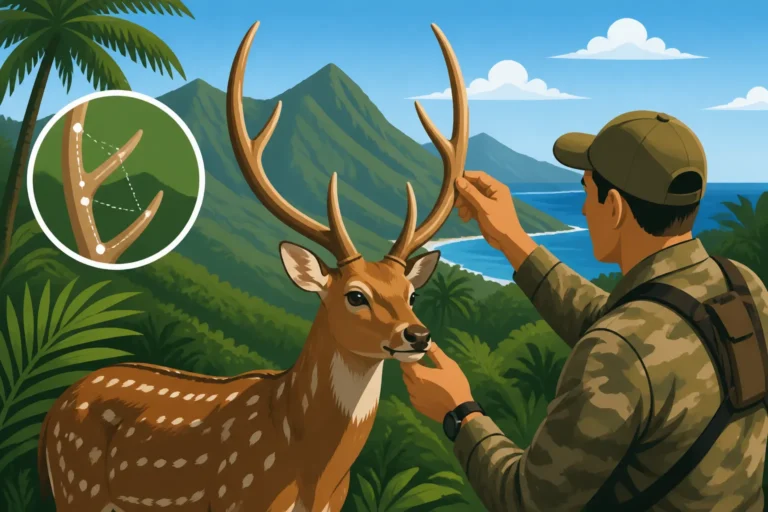
Hunting Maui's upcountry for Axis deer can feel like a completely different world compared to the dry, open plains you might associate with deer hunting elsewhere. The sheer diversity of terrain, from dense forest to open grasslands, presents unique challenges that can leave even seasoned hunters scratching their heads. This guide is dedicated to breaking down the specific strategies, understanding the habitat, and navigating the regulations needed to successfully pursue Axis deer in Maui's challenging yet rewarding uplands.
Understanding Maui's Upcountry Axis Deer Habitat
Maui's upcountry isn't just one type of landscape; it's a mosaic of distinct ecological zones, each influencing how Axis deer live and move. Picture rolling pastures, dense eucalyptus groves, thick pockets of koa and ohia forest, and steep, brush-choked gulches, all often punctuated by volcanic cinder cones. This varied environment means that a 'one-size-fits-all' approach to hunting just won't cut it. You need to understand the nuances of each area and how deer utilize them.
The Unique Terrain and Vegetation of Upcountry Maui
When you talk about upcountry Maui, you're looking at elevations that can range from a few hundred feet up to several thousand, particularly on the slopes of Haleakalā. This creates distinct microclimates. Lower elevations might feature more kiawe and dry brush, while higher up, you'll encounter lush grasslands, mamane and naio forests, and even invasive species like strawberry guava or wild ginger that form impenetrable thickets. These thickets are often where Axis deer will bed down during the heat of the day, making them notoriously difficult to push out. The ground can be uneven, rocky from ancient lava flows, or surprisingly soft and muddy after a rain, particularly in shaded gulches.
The transition zones between these vegetation types are often key. Deer will browse heavily on the tender shoots emerging at the edge of a pasture meeting a forest line, or along the perimeter of agricultural fields. Knowing these preferred forage areas, combined with an understanding of where they seek cover, is paramount. You might find deer grazing openly in a high pasture at dawn, only to disappear into a dense eucalyptus stand by mid-morning, making silent navigation crucial for a successful approach.
Axis Deer Behavior and Movement Patterns in Upland Areas
Unlike their counterparts in the drier, more open leeward areas of Maui or Lanai, upcountry Axis deer tend to be more pattern-oriented, though still incredibly wary. Their movement is heavily influenced by feed, water, and thermal cover. In the early mornings and late evenings, they often emerge from dense cover to feed in open pastures or along forest edges. During the hotter parts of the day, they'll retreat into cool, shaded areas, which often means those thick, tangled patches of non-native vegetation or deep gulches.
Weather also plays a significant role. Cooler, overcast days can see deer active for longer periods, even into midday. Conversely, bright, hot days will push them into heavy cover much earlier. Understanding how they utilize the wind is also critical; in these often hilly and gulch-ridden areas, thermals can be tricky, shifting from rising warm air in the morning to descending cool air in the afternoon. Always try to approach with the wind in your favor, anticipating these shifts as best you can. Observing their trails, droppings, and rubs can tell you a lot about their travel corridors and bedding areas, especially if you're Scouting a Hawaii Hunting Unit Before Opening.
Water Sources and Food Availability in Dry Seasons
While Maui's upcountry gets more rainfall than the leeward side, dry seasons can still significantly impact deer behavior, especially in certain units. Natural springs, seepages, and man-made water tanks become vital hubs during prolonged dry spells. Deer will congregate around these sources, particularly at dawn and dusk. Learning to identify these water points on a map or through scouting can give you a significant advantage.
The availability of palatable forage also fluctuates. During lush periods, deer can be more spread out, grazing on a wider variety of grasses and forbs. As things dry out, they'll concentrate on areas where green growth persists, such as wetter gulch bottoms or irrigated pasture edges. Identifying these 'green zones' or persistent food sources is just as important as finding water. For example, a macadamia orchard boundary or a coffee farm edge might offer consistent browse even when other areas are parched, drawing deer in. Remember, deer are opportunistic feeders, and they'll quickly adapt to whatever food sources are most readily available, often impacting their daily movements.
Essential Strategies for Upcountry Axis Deer Hunting
Hunting in Maui's upcountry demands a blend of patience, stealth, and adaptability. The terrain can be brutal, the cover dense, and the deer notoriously skittish. Unlike sitting over a food plot, upcountry hunting is a dynamic dance with the environment and the animals. You'll often cover many miles on foot, so physical fitness is a definite asset, as is a keen eye for subtle signs.
Spot-and-Stalk Tactics in Open and Broken Terrain
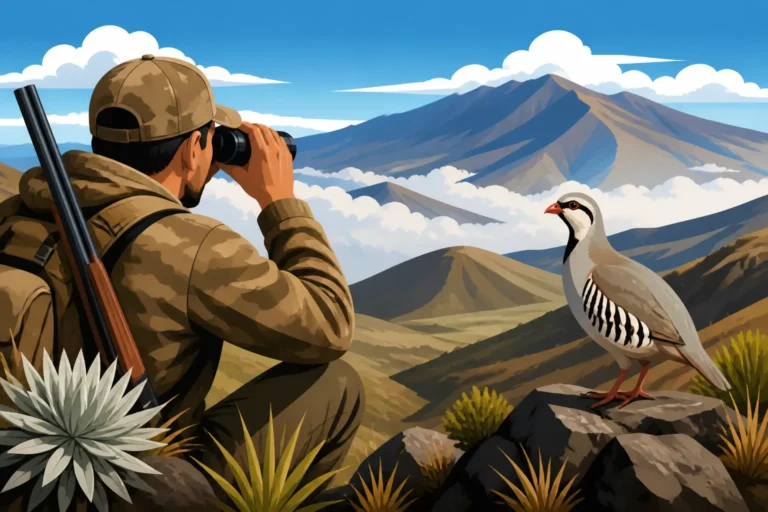
Even within the upcountry, you'll find areas of more open, broken terrain, particularly on ridge tops, old ranch lands, or recent burns. This is where classic spot-and-stalk tactics truly shine. The key is finding a good vantage point – a high ridge, a strategic knoll – from which you can thoroughly glass the surrounding landscape at first light or last light. A quality spotting scope or powerful binoculars are indispensable here.
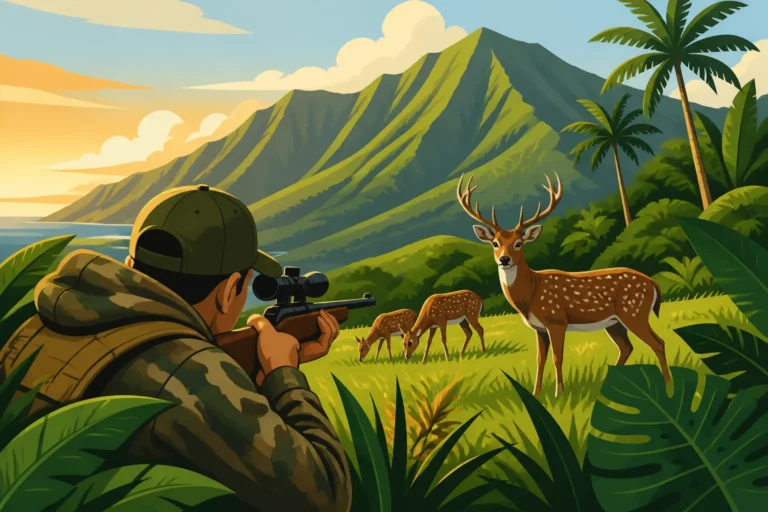
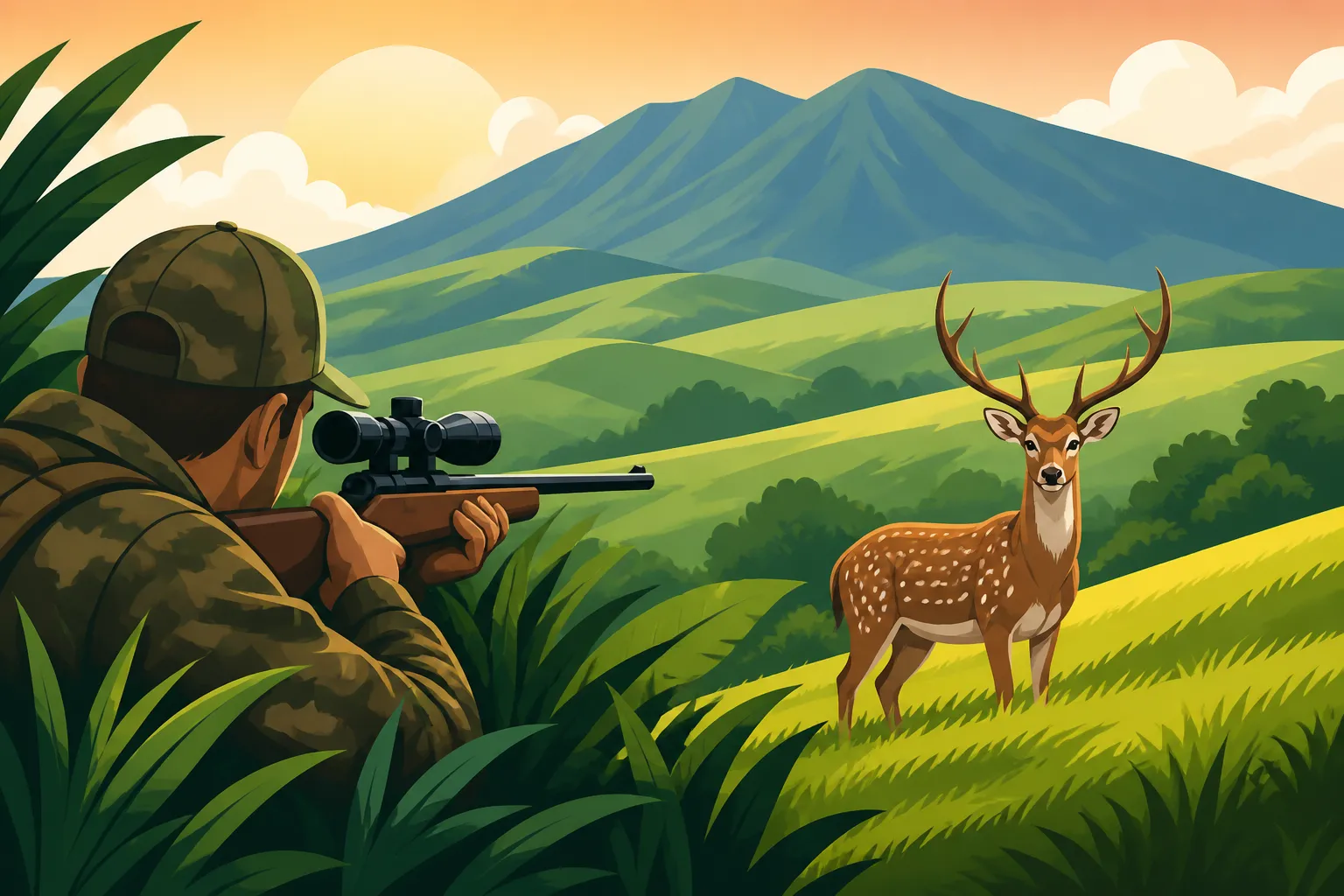
Once you spot deer, the real work begins. Plan your approach carefully, taking into account the wind, cover, and topography. Use every fold in the land, every clump of brush, to conceal your movement. Move slowly, deliberately, and be prepared to stop and reassess if the deer change direction or become agitated. The goal is to close the distance without being seen, heard, or smelled. This requires immense patience and a deep understanding of Spot-and-Stalk Axis Deer in Hawaii principles. Sometimes, the best approach might involve a long, circuitous route that seems counterintuitive but keeps you in the shadows and out of sight.
Still-Hunting Through Dense Brush and Forest Edges
When the terrain tightens up and the cover becomes a nearly impenetrable jungle of guava or eucalyptus, still-hunting becomes your primary tactic. This is a slow, methodical process where you move only a few steps at a time, then stop, listen, and observe for extended periods. It's about being as quiet as possible, picking apart the forest inch by inch. Think of it as hunting at a snail's pace, trying to catch a deer before it catches you.
Pay meticulous attention to the ground for fresh tracks, droppings, and recently browsed vegetation. Listen for the subtle sounds of movement – a twig snapping, a rustle in the leaves, or the distant alarm bark of a deer. Often, you'll hear them before you see them. When still-hunting, be ready to shoot instantly. Shots in thick cover are often close and fleeting. Keep your eyes peeled for horizontal lines that break up the vertical patterns of the forest, like a deer's back or a flicker of an ear. This method is particularly effective when Still-Hunting Pigs in Hawaii's Wet Forest and also applies well to Axis deer in similar dense cover.
Effective Glassing Techniques for Distant Animals
Glassing is not just about looking; it's about seeing. In Maui's expansive upcountry, effective glassing can save you countless miles of walking and put you on deer that you would otherwise miss. Find a vantage point that overlooks a large area of prime habitat – a valley, a series of ridges, or a large pasture. Set up your optics, whether it's binoculars or a spotting scope, on a tripod for maximum stability.
Systematically scan the landscape, dividing it into small grids and thoroughly examining each section before moving to the next. Don't just look for an entire deer; look for parts of a deer: an antler tip, an ear, a patch of white rump, or the distinct reddish-brown coat of an Axis deer against the green or brown backdrop. Pay extra attention to shadows, openings in the brush, and the edges of feeding areas. Deer can blend in incredibly well, and often it's a slight shift in color or an unnatural line that gives them away. Early mornings and late evenings, when light is low and deer are most active, are the best times to dedicate to serious glassing.
Navigating Access and Regulations for Maui Upcountry Hunts
Hawaii's hunting regulations can be complex, and Maui's upcountry is no exception. It's not just about knowing when the season is, but understanding where you can hunt, how to get permission, and what specific rules apply to public lands versus private ranches. Doing your homework before you even set foot on the island is crucial to avoiding disappointment and potential legal issues.
Public Hunting Units and How to Access Them
Maui has several public hunting units managed by the Department of Land and Natural Resources (DLNR), Division of Forestry and Wildlife (DOFAW). For upcountry hunting, the most relevant are parts of the Kula Forest Reserve and the Polipoli Spring State Recreation Area. These areas offer opportunities for Axis deer, though they can be challenging due to terrain, hunting pressure, and often dense vegetation. You'll need to check the current DOFAW hunting regulations annually, as seasons, unit boundaries, and rules can change.
Access to these units often requires a 4×4 vehicle, as many roads are unpaved, steep, and can become treacherous after rain. Always check in and out at designated hunter check stations, whether physical stations or through the Using the OuterSpatial App to Check In. Familiarize yourself with unit maps and boundaries thoroughly; trespassing onto private land, even inadvertently, is a serious offense. Remember, public land hunting on Maui often means working harder for your animal, but the reward of a self-guided harvest is immense. For more specific details, you can research Hunting Maui's Upcountry Forest Reserves.
Understanding Maui's Permit-Tag System and Seasons
Hawaii operates on a system that requires hunters to obtain a valid Hawaii hunting license and, for certain species and islands, specific permit-tags. For Axis deer on Maui, you'll need a hunting license. Unlike Lanai, which has a lottery system for tags, Maui's public land Axis deer hunting is generally managed through over-the-counter license purchases for specific seasons. It's crucial to confirm the exact season dates, bag limits, and any specific unit restrictions well in advance. These can often be found on the Hawaii DLNR website or through platforms like GoHunt, which compiles state regulations.
The general game mammal season for Axis deer on Maui typically offers year-round opportunities in some units, while others have specific archery, muzzleloader, or rifle seasons. Always carry your physical license and any required tags with you in the field. Tagging procedures are strict: once an animal is harvested, it must be immediately tagged according to instructions. This ensures proper management and helps DOFAW gather vital data. You can learn more about this process by reviewing How Hawaii's Permit-Tag System Works.
Respecting Private Land Boundaries and Ranch Leases
A significant portion of Maui's upcountry is private land, often large cattle ranches or agricultural operations. While some of these properties offer guided hunts for a fee, most are strictly off-limits to unpermitted public hunting. Ignorance of boundaries is not an excuse. It is your responsibility to know exactly where you are at all times. Using a GPS mapping app like onX Hunt, which clearly delineates public and private land boundaries, is highly recommended and can save you from serious trouble.
If you are interested in hunting private land, you must secure permission from the landowner or leaseholder in advance. This usually involves contacting them directly, often months in advance, and potentially paying access fees. Never assume implied permission. Respect property, gates, and livestock. Leaving gates as you found them (open or closed) and avoiding disturbing cattle are basic courtesies that help maintain good relationships between hunters and landowners. This is essential for preserving future Hawaii Private Ranch Hunting Access.
| Upcountry Maui Public Hunting Units (General Overview) | Primary Game | Terrain & Vegetation | Key Considerations |
|---|---|---|---|
| Kula Forest Reserve (Portions) | Axis Deer, Pigs | Mixed forest (eucalyptus, koa, ohia), open grasslands, steep gulches | Requires 4×4 access, dense cover, often high pressure on weekends. |
| Polipoli Spring State Recreation Area | Axis Deer, Pigs | High elevation forest (redwood, pine, eucalyptus), brushy areas, challenging climbs | Cooler temperatures, remote, good for active still-hunting. |
| Kahikinui Forest Reserve (Specific Areas) | Axis Deer, Pigs | Drier, more open forest, scrubland, steep coastal slopes | Can be remote, lower hunter density, challenging retrieve if successful. |
Note: Always consult the current Hawaii DOFAW regulations and specific unit maps for the most up-to-date and accurate information before planning any hunt. Unit boundaries and regulations can change annually.
Field Care and Considerations in Maui's Environment
You've put in the hard work, navigated the challenging terrain, and made a successful shot on an Axis deer. Congratulations! But the job isn't over. In Maui's warm, humid climate, proper and immediate field care is paramount to preserving your hard-won venison. Without it, meat can spoil quickly, turning your trophy into a costly disappointment.
Rapid Field Dressing and Cooling Meat in Warm Climates
The moment your deer is down, the clock starts ticking. Hawaii's temperatures, even in the upcountry, can quickly spoil meat if not handled correctly. The first priority is to field dress the animal immediately to remove the heat-generating internal organs. Be quick, clean, and efficient. Once dressed, if possible, get the animal out of direct sunlight and onto a tarp or in the shade. Elevating the carcass slightly off the ground can help air circulate.
Consider carrying game bags, especially mesh ones, which allow air flow while protecting the meat from flies and debris. If you're fortunate enough to be near a stream or cool water source, carefully rinsing the body cavity can help remove bacteria and cool the meat, though this is often not practical in many upcountry areas. The goal is to bring the core temperature of the meat down as rapidly as possible. This is particularly crucial for Field Dressing Axis Deer in Hawaii Heat.
Packing Out Meat from Steep or Remote Gulches
Many of Maui's prime upcountry hunting spots are characterized by steep, brush-choked gulches and remote areas far from vehicle access. This means you'll likely be packing out your deer on your back, often in pieces. Quartering the animal in the field is usually the most practical approach. Invest in a good quality game saw, a sharp knife, and a sturdy pack frame.
Breaking the animal down into quarters, backstraps, and tenderloins allows for easier transport. If you plan to take the head and cape for a mount, ensure you know how to properly cape the animal in the field. It's often a good idea to bring a friend or two if you're venturing into particularly rugged terrain, as two sets of hands and backs make packing out significantly easier and safer. Remember, the journey out can be tougher than the journey in, especially with a heavy load. You can find more specific advice on Packing Meat Out of a Hawaii Gulch.
Safety Precautions and Environmental Awareness
Hunting in Maui's upcountry carries inherent risks. The uneven, often steep terrain, dense vegetation, and unpredictable weather require constant vigilance. Always hunt with a buddy, or at least let someone know exactly where you're going and when you expect to return. Carry a fully charged cell phone (though service can be spotty), a first-aid kit, plenty of water, and navigation tools like a GPS and a physical map. A headlamp or flashlight is also essential, as a successful hunt can easily extend past sunset.
Blaze orange is not always legally required in all Hawaii hunting units, but it is always a wise safety measure, especially in areas with other hunters. For more on this, check Hawaii Blaze Orange and Safety Rules. Beyond personal safety, be acutely aware of your environmental impact. Pack out everything you pack in, leave no trace, and respect the delicate ecosystems you're hunting in. Avoid disturbing protected native plants and always be on the lookout for invasive species, which unfortunately dominate many areas. Hunters are often the frontline of conservation in Hawaii, and responsible practices are vital.
Disclaimer
The information provided in this article is for general guidance only and is subject to change. Hunting regulations, seasons, and unit boundaries in Hawaii are determined by the Department of Land and Natural Resources (DLNR), Division of Forestry and Wildlife (DOFAW), and can be updated annually. It is the individual hunter's responsibility to consult the most current Hawaii Hunting Regulations prior to any hunt. Always prioritize safety, ethical hunting practices, and respect for the land and wildlife.