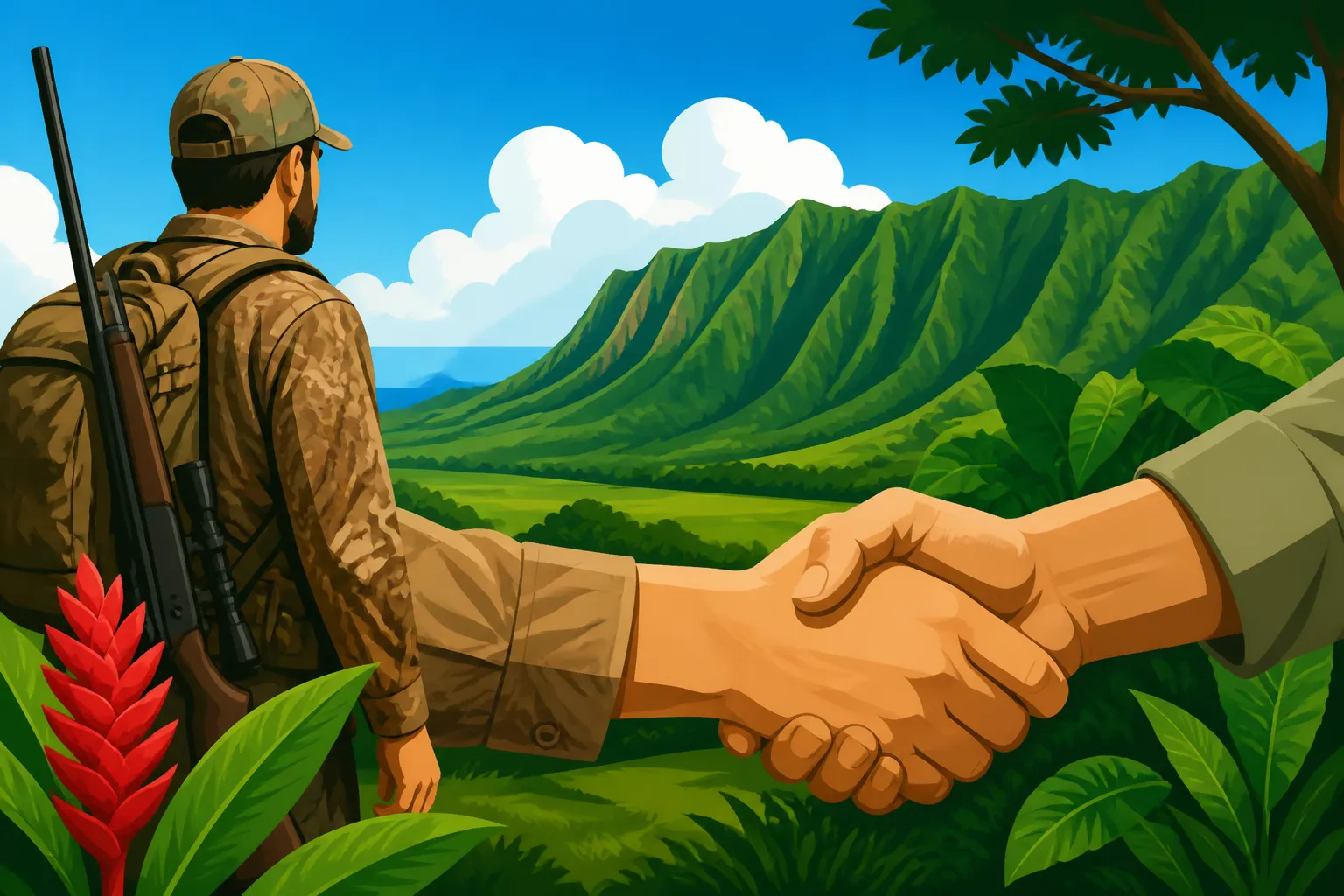
Getting Onto Molokai Private Land
The dream of hunting Molokai's legendary Axis deer often collides with a significant hurdle: much of the island's prime hunting habitat lies on private land. For many, figuring out how to gain access to these coveted grounds feels like navigating a maze without a map, leading to frustration and missed opportunities. This comprehensive guide is designed to demystify the process, offering practical steps and essential insights into respectfully and effectively securing private land hunting access on Molokai.
Understanding the Landscape of Molokai Hunting Access
Molokai holds a special allure for hunters, largely due to its thriving Axis deer population, known for producing some truly magnificent animals. However, the unique land ownership patterns on the island mean that understanding where to hunt is just as important as how to hunt.
The Draw of Molokai's Private Lands
When hunters talk about pursuing Axis deer on Molokai, the conversation inevitably turns to private land. The reason is simple: these lands often provide superior hunting opportunities compared to the limited public access areas. Private properties benefit from less hunting pressure, which often translates to larger, more mature deer and more consistent game sightings. Landowners also have the ability to implement specific management practices, creating healthier habitats and more robust deer populations.
Imagine the frustration of spending hours scouting public land, only to find it heavily impacted by other hunters, or the prime grazing areas just beyond a fence line you can't cross. This is a common scenario on Molokai, where the public hunting units can be challenging, both in terms of terrain and competition. When you secure access to private land, you're not just gaining entry to a parcel of dirt; you're often stepping into a well-managed ecosystem where the deer feel safer and move more naturally. This is especially true if you’re hoping to find those truly impressive, Molokai's Big-Bodied Axis Bucks that the island is famous for. The undisturbed feeding and bedding areas found on private ranches are precisely where these trophy animals tend to thrive, growing older and larger without constant human disturbance.
Key Landowners and Their Role
Molokai's land ownership is somewhat consolidated, with a few large entities and numerous smaller family parcels. Historically, Molokai Ranch has been the most significant private landowner on the island, controlling vast acreage. While they are not currently offering guided public hunts in the way they once did, their presence still shapes the hunting landscape, often focusing on conservation leases or specific agricultural endeavors. Understanding their operational shifts is crucial.
Beyond Molokai Ranch, numerous other families and individuals own significant tracts of land that hold excellent hunting potential. These smaller parcels, often passed down through generations, are not always advertised for hunting access, making them even more challenging to approach. These landowners may use their property for farming, ranching, or simply as family homesteads, and any hunting activity must seamlessly integrate with their primary land use. Knowing who owns the land you're interested in is the absolute first step. This isn't about simply finding a name; it's about understanding the land's history, its current use, and the values of the people who steward it. The Molokai community is tight-knit, and respect for tradition and privacy runs deep, so a nuanced understanding of these dynamics is paramount.
Strategies for Approaching Molokai Landowners
Gaining access to private land on Molokai isn't typically a matter of stumbling upon a "hunting for lease" sign. It requires diligent research, a respectful approach, and a commitment to building genuine relationships.
Researching Land Ownership and Contact Information
The initial hurdle for any hunter seeking private land access is identifying the actual landowners. The most reliable way to do this is by utilizing public records. The County of Maui's property tax records are an invaluable, though often overlooked, resource. These online databases allow you to search for specific parcels by their tax map key (TMK) number or by geographical location. Once you pinpoint an interesting area, the records will typically list the current owner's name and mailing address.
However, finding this information is only half the battle. Many landowners, especially those with multi-generational holdings, may not reside on Molokai, or their contact information might not be readily available online. This is where patience truly becomes a virtue. Sometimes, networking within the local Molokai hunting community can provide leads. Local tackle shops, community centers, or even word-of-mouth conversations at island events might connect you to someone who knows a landowner or can vouch for your character. It’s important to remember that this isn't about being intrusive; it's about being resourceful and respectful in your search. Imagine identifying a beautiful valley choked with kiawe, knowing it holds deer, and then spending weeks patiently tracing ownership records. It’s an exercise in detective work that requires persistence, but the payoff can be substantial.
Crafting Your Approach and Making a Connection
Once you have identified a landowner, the next critical step is making contact. This isn't a cold call sales pitch; it's a request for a privilege, and your approach must reflect that. The best initial contact is typically a formal letter or a well-crafted email. If you are already on Molokai and have a mutual connection, an in-person introduction, brief and respectful, might be appropriate, but avoid showing up unannounced at someone's home.
Your communication should be clear, concise, and humble. Introduce yourself, state your hunting experience, and explain your genuine respect for the land and the local culture. Clearly articulate your specific request – for example, that you are interested in Hunting Molokai's Axis Deer Country and are seeking permission for Axis deer hunting. Crucially, offer more than just a request for access. Are you willing to help with property maintenance, such as fence repair or invasive species removal (like guava or kiawe that can choke out native plants)? Can you assist with game management by targeting a specific number of animals to help balance the herd? Highlighting your commitment to being a responsible steward of their land, rather than just a taker, makes a significant difference. Picture yourself writing that letter: you’re not just a hunter; you’re someone who values the 'aina (land) and wants to contribute positively to its health.
Building Trust and Long-Term Relationships
Molokai is often called the "Friendly Isle," and its community values relationships above all else. Gaining private land access isn't usually a one-off transaction; it’s an invitation into a sphere of trust that you must continuously nurture. Once you have made contact and, hopefully, secured initial permission, your conduct on the property and in the community becomes paramount.
Consistently demonstrating respect for the landowner, their family, their property, and Molokai's customs is non-negotiable. Always follow through on any promises you make, no matter how small. Did you say you'd close every gate you opened? Do it, every single time. Did you promise to report your harvest? Provide accurate details. Over time, this reliability builds a foundation of trust that can lead to long-term access and even deeper friendships. Many long-term hunting relationships on Molokai started with a handshake and a promise, upheld over years of respectful interaction. A sustained, positive relationship not only ensures your continued hunting opportunities but also contributes to your reputation within the tight-knit island community. This aspect of Molokai hunting cannot be overstated – your character and integrity are your most valuable currency.
Navigating Agreements and Legalities
Even on private land, hunting in Hawaii comes with important legal and ethical considerations. Understanding these nuances and formalizing agreements can protect both the hunter and the landowner.
Understanding Hunting Agreements and Permits
While some private land hunting arrangements on Molokai might be informal handshake deals, it is always in both parties' best interest to have a written agreement. A clear, documented understanding prevents misunderstandings down the line and outlines expectations. This agreement should specify key details: the exact dates or seasons when hunting is permitted, the specific areas of the property open to hunting, the species you are allowed to pursue, approved weapon types (e.g., archery only, rifle, muzzleloader), and any bag limits set by the landowner (which cannot exceed state limits). It should also include liability clauses, emergency contact information for all parties, and specific rules regarding vehicle access, gates, or other property considerations.
Even with private land access, hunters are still required to hold a valid Hawaii Hunting Licenses and What They Cost, as well as any necessary How Hawaii's Permit-Tag System Works for the species being hunted, if applicable to Molokai Axis deer. These state requirements are separate from, but complementary to, any private land agreement. For those unfamiliar with Hawaii's broader hunting regulations, the GoHunt platform is an excellent resource for clarifying statewide rules and purchasing licenses. Familiarizing yourself with these government requirements shows you are a responsible hunter who understands the broader legal framework.
Liability and Insurance Considerations
One of the biggest concerns for any landowner granting access to their property is liability. What happens if a hunter gets injured or causes damage? This concern can be a major barrier to obtaining permission. As a hunter, you can proactively address this by offering to sign a comprehensive liability waiver. This document, typically drafted by the landowner or their attorney, releases them from responsibility for accidents or injuries that occur on their property.
Furthermore, consider obtaining personal liability insurance for hunters. Many national hunting organizations, such as the Sportsmen's Alliance or the National Shooting Sports Foundation (NSSF), offer affordable liability insurance policies for their members. Presenting proof of such insurance to a landowner can significantly ease their concerns and demonstrate your seriousness and responsibility. It shows you've thought about the risks and are prepared to mitigate them. Hawaii's laws, like those in many states, often provide some level of protection for landowners who allow recreational use of their property without charge, but offering to sign waivers and show insurance coverage goes a long way in building goodwill and trust. It signals that you are not just asking for a favor but are willing to take concrete steps to protect their interests.
Fair Compensation and Reciprocity
While many Molokai landowners appreciate the help with game management, especially regarding invasive species or herd control, some may expect a lease fee or other forms of compensation for hunting access. This is a business transaction for them, and it's important to approach it with that understanding. The concept of "fair" compensation can vary widely depending on the size of the property, the abundance of game, and the landowner's specific needs.
Beyond monetary payment, offering services is a powerful form of reciprocity. This could include helping with property maintenance, such as mending fences, clearing invasive brush (like strawberry guava or dense kiawe thickets), maintaining roads, or even assisting with agricultural tasks. For example, if a rancher is struggling with feral pigs damaging their crops, offering to help with Hawaii Bag Limits for Feral Pigs as part of your access agreement could be a significant value-add. Negotiating a fair agreement means finding a balance that works for both you and the landowner. It’s rarely about paying "per animal" but rather for the privilege of access over a defined period. Being open to discussing various forms of exchange—whether financial, labor-based, or a combination—will demonstrate your commitment to a mutually beneficial relationship.
Responsible Hunting on Molokai Private Land
Securing access is a privilege, and maintaining it requires a deep commitment to responsible, ethical, and culturally sensitive hunting practices. This extends far beyond simply pulling the trigger.
Adhering to Rules and Cultural Sensitivity
The rules set by the landowner are paramount and must be followed without exception. These might include specific instructions on where you can drive, when you can hunt, designated safe zones, or even limitations on vehicle types. What might seem like a minor inconvenience to you could be a critical safety or operational concern for the landowner. For instance, driving off a main track onto a soft pasture after rain might seem harmless, but could cause significant damage and incur repair costs for the landowner. Even for private land, familiarizing yourself with statewide rules on GoHunt regarding legal shooting hours or weapon types is a smart move, ensuring you don't inadvertently violate any regulations while following landowner rules.
Furthermore, Molokai has a rich cultural heritage, and demonstrating Cultural Etiquette on a Hawaii Hunt is crucial for acceptance and continued access. Be mindful of traditional practices, family gatherings, or religious sites that might be on the property. Always ask if you are unsure. Avoid making excessive noise, especially near homes or working areas. Being a respectful guest means understanding that you are on someone else's 'aina, and their way of life takes precedence. Always cross-reference any landowner's specific rules with general state regulations, which you can often clarify through resources like GoHunt.
Game Management and Ethical Hunting Practices
Your presence on private land can be a valuable tool for the landowner in managing their game populations. Discuss their specific goals. Are they trying to reduce the overall deer population to lessen grazing pressure on pastures? Are they interested in selectively targeting older bucks or removing does? Aligning your hunting efforts with their management objectives adds significant value to your access. This collaborative approach turns you from a mere hunter into a partner in conservation.
Beyond management, ethical hunting practices are non-negotiable. This means striving for clean, humane kills and taking all reasonable steps to recover any animal you hit. Given Hawaii's often warm and humid climate, proper Field Dressing Axis Deer in Hawaii Heat and Cooling Meat Fast on a Hawaii Hunt are critical immediately after a kill to ensure the meat doesn't spoil. This shows respect for the animal and ensures that the valuable resource is not wasted. Always report your harvest accurately to the landowner, providing details on species, sex, and age if requested. This data helps them with their own management records.
Leaving No Trace and Protecting the Aina
A core principle of responsible hunting, especially on private land, is to leave no trace of your presence. Pack out everything you pack in – absolutely no litter, spent casings, or other refuse should be left behind. Beyond trash, be extremely careful not to damage fences, gates, water lines, or other infrastructure. An open gate can mean livestock escaping or a costly repair for the landowner.
Molokai's ecosystem is fragile and unique. Understanding and respecting the delicate balance of the 'aina is part of being a responsible hunter. This might mean avoiding certain sensitive areas, being extra careful with fire, or actively participating in efforts to remove invasive plants you encounter. Showing you care for the land's long-term health, perhaps by understanding how Hunting Hawaii's Fenced Conservation Boundaries protect native ecosystems, demonstrates a deeper commitment than just harvesting an animal. Your actions on private land directly impact the landowner's willingness to grant future access, not just to you, but potentially to other hunters as well. Be a credit to the hunting community.
| Feature | Public Hunting Land (Molokai) | Private Hunting Land (Molokai) |
|---|---|---|
| Access Difficulty | Often challenging due to remote locations, rough terrain, or limited entry points. | Requires landowner permission, can be difficult to obtain initially. |
| Hunting Pressure | Generally higher, especially during peak season and weekends. | Significantly lower, leading to more undisturbed game. |
| Game Quality/Density | Variable, can be good but often spread out due to pressure. | Potentially higher density and larger animals due to less pressure and management. |
| Rules & Regulations | Governed strictly by State of Hawaii DLNR/DOFAW regulations; less flexibility. | Subject to state laws AND landowner's specific rules; more tailored control. |
| Cost | License and tags only (often minimal for residents). | License/tags PLUS potential lease fees, services, or reciprocal agreements. |
| Flexibility | Limited to designated units, seasons, and weapon types. | More flexible in terms of timing, areas, and sometimes even methods (with consent). |
| Relationship | Impersonal, transactional (state-hunter). | Personal, built on trust and mutual respect; long-term potential. |
| Conservation Impact | Indirect through license fees; less direct involvement in habitat management. | Direct opportunity to partner in habitat management and invasive species control. |
Disclaimer
Please be aware that hunting regulations and land access policies in Hawaii can change. Always consult the most current Hawaii Department of Land and Natural Resources (DLNR) and Division of Forestry and Wildlife (DOFAW) regulations before planning any hunt. This guide is for informational purposes only and does not constitute legal advice or guarantee hunting access.