Hunting Quail in Hawaii’s Dry Uplands
Hunting quail in Hawaii's dry uplands can feel like a game of hide-and-seek with Mother Nature herself. The heat, the rugged terrain, and the seemingly sparse cover often leave hunters wondering where these elusive birds could possibly be hiding. But don't you worry, because with the right knowledge, tactics, and a good pair of boots, you can absolutely find success pursuing quail in these unique island environments. This guide is all about giving you the practical wisdom to do just that.
Understanding Hawaii's Upland Quail Species
Before you even think about lacing up your boots, it's crucial to understand the stars of the show: the quail themselves. Hawaii is home to a couple of different quail species, and knowing their habits, preferred habitats, and even their calls can give you a significant advantage when you're out in the dry uplands. They're not all the same, and what works for one might not work for another.
California Quail
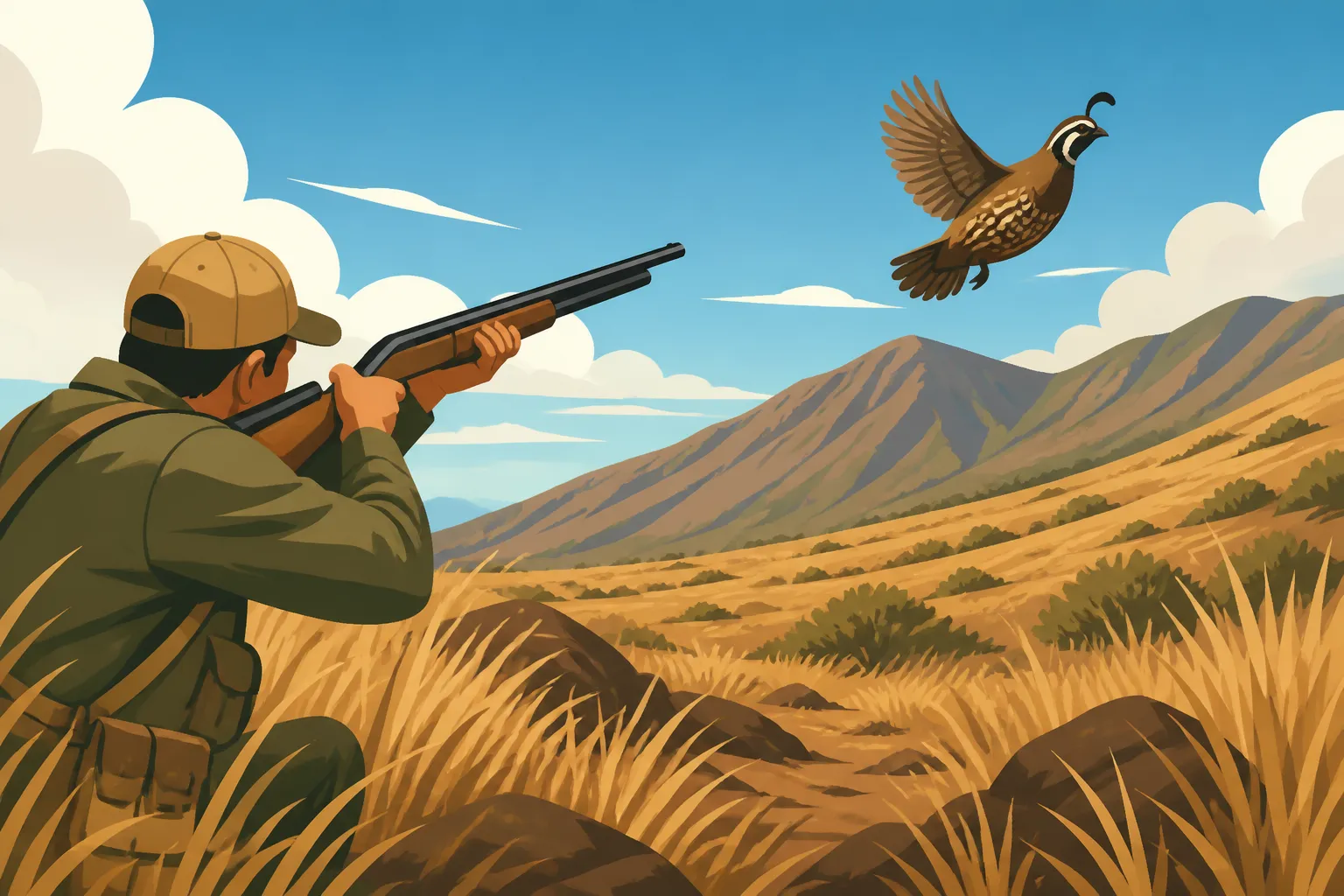
When most folks think about quail in Hawaii, they're probably picturing the California Quail. These birds are unmistakable with their jaunty, forward-curving plume and often a bold, patterned head. They're quite social, usually found in coveys that can range from a few birds to dozens, especially during the non-breeding season. Their call, a distinctive "chi-ca-go," is one of the most cheerful sounds you'll hear in the uplands, and often the first clue to their presence.
In Hawaii's dry uplands, California Quail are masters of blending in. They prefer areas with a mix of brushy cover for escape and roosting, open ground for feeding, and crucially, access to water. You'll find them often in areas of kiawe (mesquite), lantana, buffelgrass, and even around the edges of old agricultural fields or ranch pastures. They're resilient little birds, and even in what looks like parched country, they find a way to thrive, often sticking close to the gulches and draws where a bit more moisture persists.
Japanese Quail
The Japanese Quail is another species you might encounter, though often less common than the California Quail in many accessible dry upland areas. These are smaller, plainer birds, lacking the distinctive plume of their California cousins. They are more migratory in their native range, but in Hawaii, they are established as a resident game bird. Their camouflage is superb, and they often hold tighter than California Quail, making them a real challenge for hunters, especially without a good bird dog.
You'll typically find Japanese Quail in more open grassland areas, often associated with scattered brush or short crops. They tend to be solitary or in smaller groups outside of breeding. They're quick to flush and fly with surprising speed. Because they're less dependent on heavy cover, they can be particularly tricky to locate in vast, open dry country. Understanding that their habitat preferences differ even slightly from California Quail is key to adjusting your strategy.
Key Tactics for Upland Quail Hunting in Hawaii
Hunting quail in Hawaii's dry uplands demands a different approach than chasing pheasants in a cornfield or grouse in a thick forest. It's about understanding the nuances of the terrain, the climate, and the birds' behavior. The heat and rough ground are your constant companions, so smart tactics become even more important.
Scouting and Locating Quail Hotspots
Effective scouting is paramount for success in Hawaii's dry upland quail country. These birds aren't evenly distributed; they congregate where their specific needs are met. Before opening day, or even a day before your hunt, use mapping tools like those available through GoHunt to identify potential areas. Look for junctions of different cover types, especially where dense brush meets more open feeding grounds. Ridgelines that offer both sunning spots and quick escape cover are often productive.
Focus your scouting on identifying three critical components: food, cover, and water. Quail need seeds, insects, and tender green shoots, so look for patches of various grasses, forbs, and kiawe beans. For cover, think about thorny thickets, dense lantana, or even rocky outcrops they can dart into. Most importantly in dry country, locate reliable water sources. Even a small seeping spring or a cattle trough can be a magnet for birds. Pay attention to droppings, dust baths (small depressions where they "bathe" in dry soil), and tracks in soft earth – these are all signs of recent activity. I've spent hours just walking and looking for these subtle clues, and it almost always pays off more than simply wandering aimlessly.
Sticking to Water Sources and Gulches
In Hawaii's arid uplands, water isn't just important; it's often the lifeblood of game. Quail, like other game, need to drink, especially in the heat. This makes water sources, no matter how small, prime locations to focus your efforts. I'm talking about cattle tanks, seep springs, ephemeral puddles after rain, or even the sparse flow in the bottom of a gulch. Birds will often move to water in the early morning and late afternoon.
Gulches, or dry washes, are also incredibly important terrain features. Even if they don't hold standing water, they often collect more moisture, support denser vegetation, and provide cooler microclimates than the surrounding exposed hillsides. Quail use these natural corridors for travel, feeding, and escaping predators. Walking these gulches, especially the shady sides, can be very productive. Be prepared for sudden flushes as you come around bends or through thick vegetation. Remember, these gulches can be steep and rugged, so good footing is a must. If you're planning a trip to the Big Island, consider exploring Hunting Hawaii's Dry Leeward Country which often features these types of terrain.
Working the Edges of Kiawe and Grasslands
Quail are creatures of the edge. They love transitional areas where one type of habitat meets another. In the dry uplands, this often means the borders between dense kiawe forests or thickets and more open grasslands or sparse lava fields. The kiawe provides impenetrable cover from raptors and a place to escape quickly, while the open areas offer prime feeding opportunities.
When hunting these edges, don't just walk straight through the middle. Work parallel to the edge, with one person (or your dog) working the dense cover and the other walking just outside, ready for birds that flush from the thick stuff into the open. California Quail, in particular, will often run along these edges before flushing. Keep a sharp eye out for their quick dashes and listen intently for their calls. This "edgy" approach can significantly increase your chances of flushing birds in shooting range.
Using a Bird Dog in Hawaii Terrain
Let's be real, a good bird dog is an absolute game-changer when it comes to hunting quail in Hawaii's challenging terrain. Without one, finding downed birds in kiawe thorns or dense grass can be a nightmare, not to mention locating coveys that hold tight. Pointers, setters, and flushers like Brittany Spaniels or German Shorthaired Pointers are excellent choices. They possess the nose and drive to cover ground and locate birds that you would otherwise walk right past.
However, hunting with a dog in Hawaii comes with its own set of considerations. The heat and the extremely abrasive terrain (think sharp lava rock and endless thorns) can be brutal on a dog's pads. You need to carry plenty of water for your dog, offer frequent breaks, and consider protective booties. Training your dog to handle the sharp ground and the dense, thorny cover is crucial. It’s not just about finding birds; it’s about their safety and endurance. For more detailed advice, check out Using a Bird Dog in Hawaii Terrain.
Essential Gear and Preparation for Dry Upland Hunts
Hawaii's dry uplands aren't just dry; they can be rugged, hot, and full of hidden challenges. Having the right gear isn't just about comfort; it's about safety and success. You'll be glad you packed wisely when you're miles from the truck, battling the sun and thorns.
Footwear and Clothing for Rough Terrain
Your footwear choice is arguably the most critical piece of gear for hunting quail in Hawaii's dry uplands. You'll encounter everything from loose cinder and sharp lava rock to thorny kiawe flats and steep, dusty gulches. Forget flimsy hiking shoes; you need sturdy, high-ankle boots with excellent ankle support and a stiff sole to protect your feet from jagged rocks and thorns. Leather or synthetic boots designed for mountaineering or heavy-duty hiking are ideal. I’ve seen more than one hunt cut short by inadequate footwear.
For clothing, think layers, but prioritize breathability and thorn resistance. Lightweight, quick-drying pants made of durable nylon or canvas are far better than cotton, which stays wet and heavy. Long sleeves are a must, even in the heat, to protect against the sun and scratches from thorny brush. A good, breathable hunting vest with plenty of pockets for shells, water, and harvested birds is also incredibly useful. And don't forget a wide-brimmed hat to keep the relentless Hawaiian sun off your face and neck. Blaze orange is also a requirement in many Hawaii hunting units, so make sure your clothing complies.
Hydration and Safety in Remote, Dry Areas
Dehydration is a serious, often underestimated, threat in Hawaii's dry uplands. You'll be working hard, often under a strong sun with little shade. You need to carry significantly more water than you think you will. A hydration pack is an excellent investment, allowing you to sip water continuously. I usually bring at least three liters for a half-day hunt, sometimes more, especially if my dog is with me. Electrolyte supplements can also be a lifesaver.
Beyond water, consider other safety essentials. A fully charged cell phone (though service is often spotty in remote areas – see No Cell Signal on a Hawaii Hunt), a personal locator beacon (PLB) or satellite messenger, a whistle, a first-aid kit (with emphasis on treating cuts, scrapes, and thorns), and a knife are all critical. Always let someone know your hunting plan, including your intended route and estimated return time. The dry country can be unforgiving, and getting lost or injured out there is no joke.
Shotguns and Ammunition Choices
For quail, a lightweight and quick-swinging shotgun is your best friend. The flushes can be fast and unpredictable, often in tight cover. A 20-gauge or even a 28-gauge is an excellent choice, offering sufficient patterning for quail without the heavy recoil or bulk of a 12-gauge. If you do opt for a 12-gauge, a lighter model is certainly preferable. Over/under or side-by-side shotguns are popular for their balance and two choke options.
As for ammunition, stick with smaller shot sizes. For quail, I recommend #7.5 or #8 lead shot. These smaller pellets create a dense pattern, which is crucial for hitting fast-moving, small targets. Consider open chokes like Improved Cylinder or Skeet, especially for close-quarters flushing in brush. If you're hunting more open country where longer shots might present themselves, a Light Modified choke can be a good compromise. Carry enough shells, but don't overdo it – every ounce counts when you're hiking in the heat.
Navigating Regulations and Access
Hunting in Hawaii comes with its own set of rules and regulations, and quail hunting in the uplands is no exception. It’s not just about finding the birds; it’s about making sure you’re legal and respectful of the land and its management. Don't let bureaucracy discourage you, but do your homework.
Obtaining Licenses and Permits
First and foremost, you'll need a valid Hawaii Hunting License. For game bird hunting, you'll also need a Hawaii Game Bird Stamp. These are annual requirements. For residents, the costs are reasonable, and for nonresidents, while a bit more, it's still a worthwhile investment for the unique experience. The Hawaii Department of Land and Natural Resources (DLNR) Division of Forestry and Wildlife (DOFAW) oversees all hunting on the islands.
The easiest way to obtain your license and stamp is online through the GoHunt Hawaii website. It's a convenient portal that streamlines the process. You can also purchase them from authorized vendors on the islands. Make sure to complete any required hunter education courses if you're a first-time hunter in Hawaii or don't have a recognized certification from another state. For a complete breakdown of costs and requirements, refer to Hawaii Hunting Licenses and What They Cost and Hawaii Game Bird Seasons and Bag Limits.
Understanding Unit-Specific Rules for Quail
Hawaii's public hunting lands are divided into various units, and each unit can have specific rules regarding open seasons, permitted weapons, and even hunting days. Many game bird units, especially in the dry uplands, are designated as "weekend-only" units or have specific open dates. It’s absolutely vital to consult the most current DOFAW hunting regulations for the specific island and unit you plan to hunt. These regulations can change annually, so always double-check.
Some units might be known for holding more quail than others, or have better public access. For instance, areas on the leeward sides of the Big Island or Maui, with their drier climates and kiawe forests, are often good bets. Don't assume that if one unit is open, all others are. Always check the DOFAW website or the GoHunt portal for current announcements and unit maps. Understanding Hawaii's Weekend and Holiday Hunting Rules is key for planning your quail adventures.
Public vs. Private Land Access
While there is ample public hunting land available for quail, some of the best dry upland habitat might be found on private ranches or lands managed by cooperative agreements. Accessing private land requires permission from the landowner, which is not always easy to obtain. However, some private landowners do permit hunting, sometimes for a fee or through special arrangements.
Always respect private property boundaries and never trespass. Using mapping apps like onX Hunt can be incredibly helpful for identifying property lines in the field. If you're interested in private land access, sometimes local contacts or hunting guides can help facilitate permission. Otherwise, stick to the designated public hunting units, which are clearly marked on DOFAW maps and often detailed on GoHunt.
Overview of Hawaii's Upland Quail
To help you keep track of the key differences, here's a quick reference for Hawaii's primary upland quail species:
| Feature | California Quail | Japanese Quail |
|---|---|---|
| Appearance | Plump, gray-brown body; black topknot plume; patterned head. | Smaller, more slender; plain brown/tan; no plume. |
| Habitat | Mixed brush, kiawe thickets, grasslands, near water. | Open grasslands, scattered low brush, agricultural edges. |
| Social Behavior | Highly social, typically found in coveys (groups). | Often solitary or in small, loose groups. |
| Flush Style | Often runs, then explosive flush; flies short distances. | Explosive, faster flush; flies strong and often longer. |
| Primary Diet | Seeds, leaves, berries, insects. | Seeds, grasses, insects. |
| Call | Distinctive "chi-ca-go!" or "cu-ca-co." | Less vocal, softer "chirp" or "whirring" sound. |
Disclaimer
Hunting in Hawaii carries inherent risks, including but not limited to challenging terrain, unpredictable weather, and encounters with wildlife. Always prioritize safety, adhere to all local and state regulations, and ensure you have the necessary permits and licenses. The information provided here is for general guidance and should not replace official regulations or professional instruction. Hunt responsibly and respectfully.