Where Axis Deer Water in Dry Season
Hunting axis deer in Hawaii's dry season can feel like searching for a ghost in a dust storm. The land changes dramatically, and what was lush yesterday can be parched today, leaving hunters scratching their heads about where the game has gone. If you've ever found yourself wondering where the axis deer vanish to when the mauka (mountain) streams dry up and the makai (ocean-side) lands bake, this guide will help you decode their water-seeking behaviors and pinpoint their vital hydration hubs.
The Scarcity of Water in Hawaii's Dry Seasons and Its Impact on Axis Deer
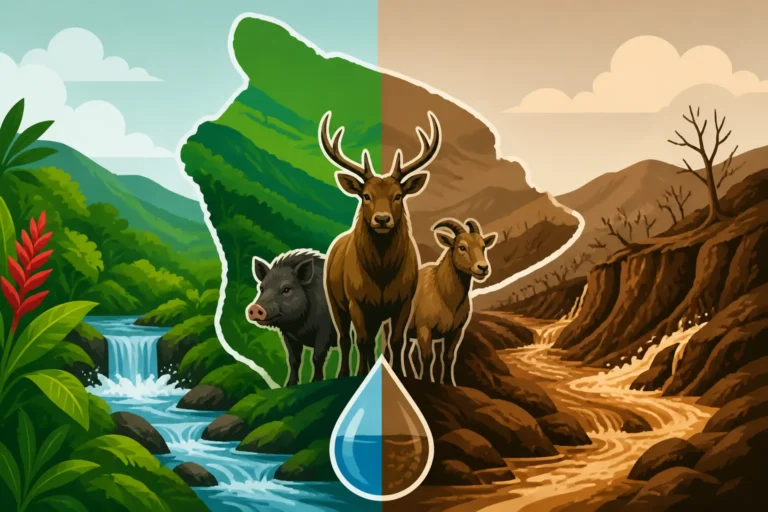
When Hawaii’s seasonal rains dwindle, especially during the leeward dry months, the landscape transforms. Lush green slopes can turn brittle and brown, and what seemed like an abundance of water sources can quickly evaporate. This radical shift forces axis deer to adapt, consolidating their movements around the few remaining reliable water points. Understanding this fundamental change is the first step to successful dry season hunting.
Why Water Becomes a Premium Resource
Imagine walking through miles of crackling kiawe brush, your boots kicking up fine red dust with every step, the sun relentless overhead. That's often the reality of dry season on islands like Maui or Lanai. For axis deer, just like us, water isn't just a luxury; it's an absolute necessity for survival. Without it, their metabolic processes shut down, they can't digest their food, and their ability to regulate body temperature plummets. In a tropical environment where temperatures can easily soar, dehydration is a serious, life-threatening concern. This intense need means that no matter how good the browse might be in a certain area, if there's no water, the deer simply won't be there long.
The dry season also often coincides with parts of the axis deer rut, especially on certain islands. Bucks are expending massive amounts of energy chasing does and fighting rivals. This increased activity amplifies their need for constant hydration. A big, dominant buck, for example, might prioritize a secure water source even over a prime bedding area if that water is the only one for miles. This makes these water holes absolute magnets for all deer, but particularly for the most active animals. It’s during these times that the smallest, most overlooked seep can become the most valuable real estate on the whole unit.
Axis Deer Behavior Shifts in Dry Conditions
When water becomes scarce, axis deer, which typically roam in large herds, will consolidate their movements. Instead of spreading out across vast territories, they will focus their energy and their trails towards the remaining hydration points. This means that areas that are bustling with activity during the wet season might be completely devoid of deer during the dry, while a small, isolated puddle becomes the center of their world. You’ll notice an increase in worn trails leading directly to these spots, with fresh tracks, scat, and rubs indicating recent activity.
Their daily routines also adapt. In the cooler, wetter months, axis deer might graze and drink at various times throughout the day. But when it's hot and dry, they become much more crepuscular, meaning they'll concentrate their movements and drinking patterns around dawn and dusk to avoid the midday heat. This shift makes the first and last hours of light around a water source particularly critical for hunters. They'll bed down in thicker, shadier cover during the hottest parts of the day, emerging only when the sun begins to dip or rise. Learning to read these subtle shifts in behavior is crucial. For more insights into how these animals operate, check out our guide on Axis Deer, Hawaii's Signature Big Game.
Identifying Reliable Water Sources for Axis Deer
Finding water sources in Hawaii’s dry, rugged terrain requires a keen eye and a bit of detective work. Not all water is created equal in the eyes of an axis deer, and some sources are far more reliable than others during extended dry spells. Knowing what to look for and where to focus your scouting efforts can dramatically improve your chances of locating game.
Natural Seeps and Springs in the Gulches
Deep, shaded gulches and steep valleys are often sanctuaries for moisture, even when the surrounding uplands are bone dry. Here, geological features can create natural seeps or springs that slowly release groundwater, providing a consistent, albeit sometimes small, supply of water. These areas are typically characterized by denser, greener vegetation, even if it's just a small patch of ferns or native grasses, standing in stark contrast to the parched landscape above. The deer know these places intimately, often for generations.
To locate these hidden gems, you’ll need to study topographic maps carefully before you even set foot in the field. Look for areas where contour lines pinch together, indicating steep ravines or cliffs, particularly on north-facing slopes which receive less direct sun. These are prime locations for seeps. On the ground, follow game trails that descend into these gulches; deer often use the same paths for years. Once you find a seep, look for signs of heavy use: distinct trails, fresh tracks in the soft, damp earth, and perhaps even bedding areas nearby in the cooler, shadier confines of the gulch. The ability to navigate these challenging terrains is vital, as discussed in Navigating a Hawaii Gulch System.
Man-Made Stock Ponds and Reservoirs
Many of Hawaii’s ranch lands, especially on islands like Maui and the Big Island, feature man-made stock ponds and old reservoirs. These were originally built for cattle and agriculture, but they’ve become invaluable water sources for axis deer, particularly in areas like those described in Hunting a Reservoir Edge for Doves. While some might dry up completely in severe droughts, many are designed to hold water through the driest periods. These are often easier to spot on satellite imagery or detailed hunting maps.
These stock ponds can be magnets for large numbers of deer, especially in the evening. However, they also receive significant hunting pressure. If a pond is easily accessible by road, expect it to be a popular spot. Success here often depends on understanding the deer's movement to and from the water rather than just sitting directly on the edge. Deer often stage in nearby cover, waiting for dusk before approaching the open water. Scouting the trails leading to these ponds from adjacent bedding areas, or identifying a good observation point, is key. Pay attention to wind direction, as the scent of the water, and any animals near it, will travel downwind. Utilizing tools like GoHunt can help you identify these features on unit maps and understand land ownership to plan your approach effectively.
Ephemeral Water Pockets After Rain
While not as reliable as springs or stock ponds, don't overlook ephemeral water sources – those temporary puddles or pockets of water that appear after a rare dry-season shower. Even a small rain event can create temporary relief for deer, especially in lava fields or rocky terrain where water collects in depressions. These spots might only last a few days, but during that time, they can draw deer away from more permanent sources, offering a fleeting opportunity.
Finding these requires active scouting and an understanding of recent weather patterns. After a light rain, these puddles can be found in natural depressions in rock formations, along old jeep trails, or even in areas of compacted dirt. While less predictable, the deer will flock to them if they’re the freshest water available. You might see hoof prints in what was mud only hours before, leading to a small, isolated pool. These fleeting water sources often see less hunting pressure than permanent ponds, making them potential honey pots for a brief window. Keeping an eye on weather forecasts and understanding how Axis Deer in a Drought Year react can help you capitalize on these chances.
Strategies for Locating and Hunting Water Sources
Successfully hunting axis deer around water in the dry season isn't just about finding the water; it's about understanding the deer's patterns, planning your approach, and executing with patience. The pressure around these vital spots can be high, so smart strategies are paramount.
Scouting and Mapping Before the Hunt
Effective dry season hunting begins long before you load your rifle or string your bow. Thorough scouting and detailed map work are absolutely essential. Start by pouring over satellite images and topographic maps from services like GoHunt or other mapping apps. Look for the aforementioned gulches, changes in vegetation density, and obvious water features like ponds or reservoirs. Pay close attention to unit boundaries, as deer may cross these lines, as sometimes happens near Hawaii's Fenced Conservation Boundaries, if a prime water source is just beyond.
Once you’ve identified potential water sources on the map, it's time to hit the ground. During your scouting trips, look for the subtle signs that indicate deer activity: well-worn trails leading to water, fresh tracks in the mud (or even just damp soil), scat, and rubs on trees or shrubs. Note the time of day you find fresh sign. This intel will help you predict when deer are most likely to visit. Also, identify potential bedding areas nearby – thickets of kiawe or guava, dense stands of trees, or deep, shady gulches that offer thermal cover during the hottest parts of the day. Remember, the deer will typically move from their bedding areas to water and then back again. This vital intelligence will inform your hunting strategy, especially if you're trying Spot-and-Stalk Axis Deer in Hawaii.
Setting Up for Success Near Water
Once you’ve found a promising water source, your setup is critical. Consider the wind direction, time of day, and approach routes. Axis deer have incredibly keen senses, especially their noses. Always approach from downwind, using terrain features like ridges or gullies for concealment. Your goal is to intercept the deer as they move to or from the water, rather than waiting directly at the edge, which can spook them, especially if they are heavily pressured.
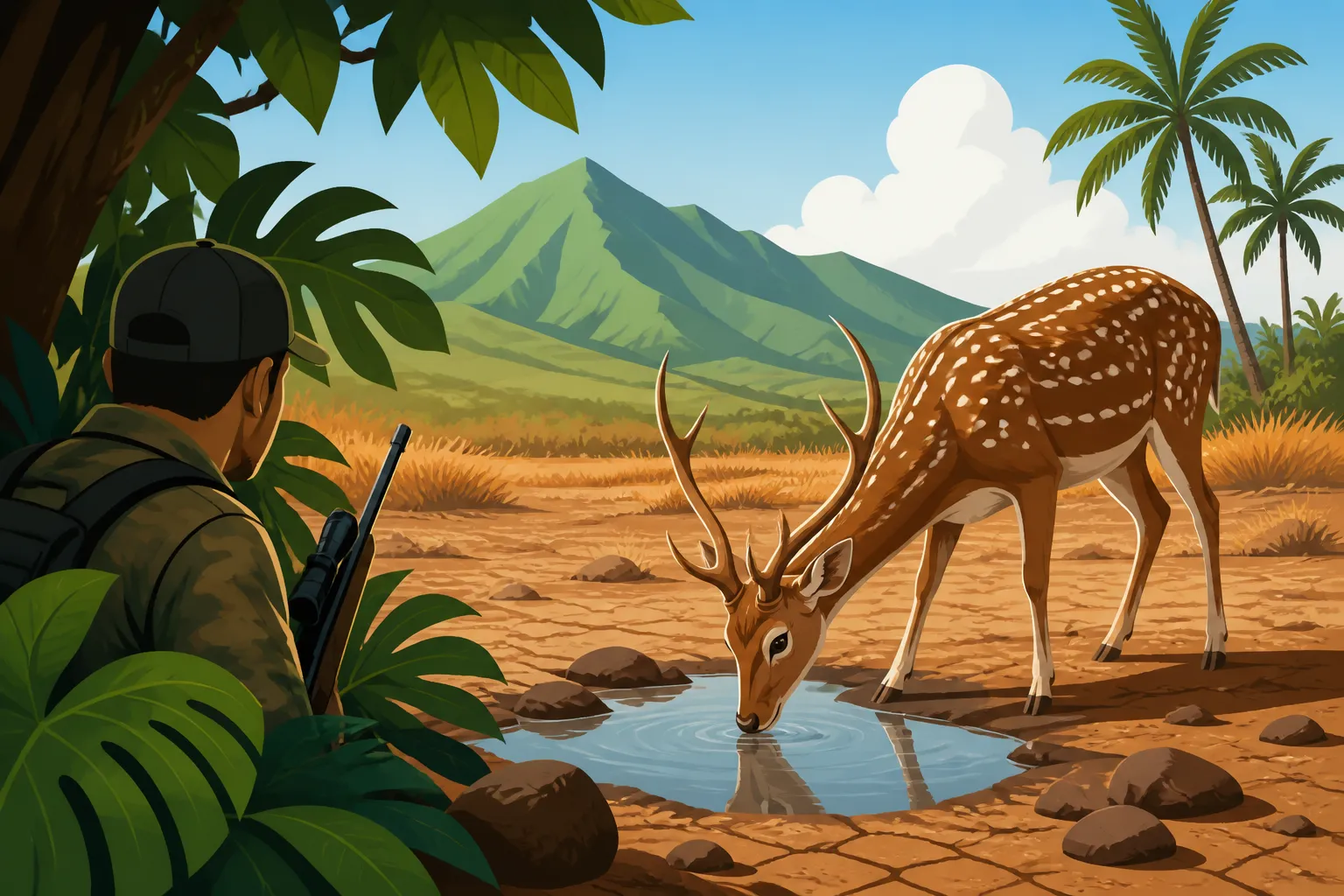
Position yourself with a clear line of sight to the water, but also with good cover and an escape route if needed. Consider setting up 50-150 yards away from the actual water’s edge, often along a well-used trail leading to it. This allows you to catch deer on their way in or out, potentially when they are less alert. Elevated positions, like a small knoll or the edge of a kipuka, can provide an excellent vantage point for glassing the area. Patience is key; be prepared to sit still for extended periods, especially during the peak movement times of dawn and dusk. For specific tactics, read up on Hunting a Water Source in Dry Hawaii Country.
Understanding Daily Movement Patterns
Axis deer, like most game animals, operate on a relatively predictable schedule, especially when resources are limited. During the dry season, they tend to move from their bedding areas to water in the early morning and late afternoon, often pausing to browse along the way. Understanding these specific times and routes is vital.
Here's a typical pattern:
- Dawn: Deer will often be at or near water at first light, having moved there under the cover of darkness. They'll drink, perhaps grab a quick bite, and then begin to move towards their daytime bedding areas as the sun rises.
- Midday: This is generally a period of minimal activity around water. Deer will be bedded down in thick, cool cover, conserving energy. This is a good time for a strategic, slow still-hunt through dense cover if you know where they're hiding, or a long glassing session from a distant vantage point.
- Dusk: As the sun begins to dip, deer will stir from their beds and start their journey back to water, often feeding along the way. This is another prime time for interception. They might linger at the water's edge for longer, feeling more secure under fading light.
Adjust your schedule to match theirs, being in your chosen spot well before they arrive and staying until legal shooting light ends. Remember, these patterns can vary based on pressure, weather, and specific terrain, so constant observation is key.
Key Considerations for Dry Season Water Hunts
Hunting around water in Hawaii's dry season brings unique challenges and important ethical considerations. From managing hunting pressure to ensuring proper field care, being prepared for these factors will make your hunt more successful and responsible.
Pressure and Patience Around Water
Because water sources are so critical and often limited in the dry season, they naturally become focal points for both deer and hunters. This means increased hunting pressure, which can make deer extremely wary. An otherwise bold buck might become completely nocturnal if he's been pushed repeatedly around a waterhole. It's an unfortunate but realistic frustration for hunters during these times.
This is where patience truly becomes a virtue. If you notice a particular water source is getting hammered by other hunters, consider shifting your strategy. Instead of hunting directly on the water, you might focus on the approach trails further away, intercepting deer before they reach the high-pressure zone. Alternatively, try hunting mid-week if public unit rules allow it, as weekday pressure is typically much lower than on weekends. Check out our guide on Beating the Crowd on a Weekend Unit for more tips. Sometimes, waiting out other hunters, or finding a less obvious, more remote water source that sees less traffic, is the key. The GoHunt app can often show you hunter check-in data, giving you an idea of how many people are in a particular unit, which can indirectly indicate pressure.
Field Care Challenges in Hot, Dry Conditions
Hawaii's dry season often means high temperatures, even in the early morning or late afternoon. This poses a significant challenge for field care once you've harvested an animal. Heat is the enemy of good meat, and axis deer venison is too precious to waste. The quicker you can get the animal field dressed, skinned, and cooled, the better.
Here’s a quick overview of what to consider:
| Task | Importance | Dry Season Challenge | Solution |
|---|---|---|---|
| Field Dressing | Remove heat source, prevent spoilage | Rapid internal temperature rise | Do immediately, remove all organs. |
| Skinning | Further heat dissipation, faster cooling | Flies and dirt adherence | Do quickly, keep meat clean; consider quartering in the field. |
| Cooling Meat | Essential for quality and safety | Ambient temperature is high, no shade | Get meat off the ground, into shade; use game bags; circulate air. |
| Transport | Minimize exposure, protect meat | Long hauls in open sun, truck beds heat up | Use insulated coolers with ice; cover meat with canvas or tarps. |
You’ll need to bring plenty of water not just for yourself, but also for rinsing your hands and knife. Game bags are an absolute must to protect the meat from flies and dirt. If you’re hunting in a remote area, having a plan to quarter the animal and pack it out quickly to coolers filled with ice is non-negotiable. For detailed advice, our articles on Field Dressing Axis Deer in Hawaii Heat and Cooling Meat Fast on a Hawaii Hunt are invaluable resources. Never underestimate the speed at which meat can spoil in Hawaii’s heat and humidity; preparedness here will save your hard-earned venison.
Disclaimer
This article is for general informational purposes only and does not constitute professional advice. Laws, prices and regulations vary by location and change over time. Consult a qualified professional for guidance on your specific situation.