Hunting Hawaii’s Archery Axis Deer Seasons
The thrill of chasing game with a bow is truly something special, but when you add the unique landscapes and challenging conditions of Hawaii to the mix, it becomes an experience unlike any other. Many hunters, especially those new to the islands or to archery for Axis deer, find themselves overwhelmed by the varying unit rules, season dates, and the sheer effort required to get within bow range of these wary animals. This guide is here to unravel the complexities of hunting Hawaii's archery Axis deer seasons, offering practical advice and deep insights to help you prepare for a successful and memorable hunt.
The Unique Allure of Bowhunting Hawaii's Axis Deer
There's something incredibly primal and rewarding about hunting with a bow. It pushes you to master your craft, understand your quarry intimately, and embrace a level of challenge that rifle hunting, while demanding in its own right, often doesn't require. In Hawaii, where Axis deer thrive in diverse and often rugged environments, bowhunting adds an exhilarating layer to the pursuit, forcing you to sharpen every aspect of your hunting game.
Why Bowhunting Axis Deer is Unique
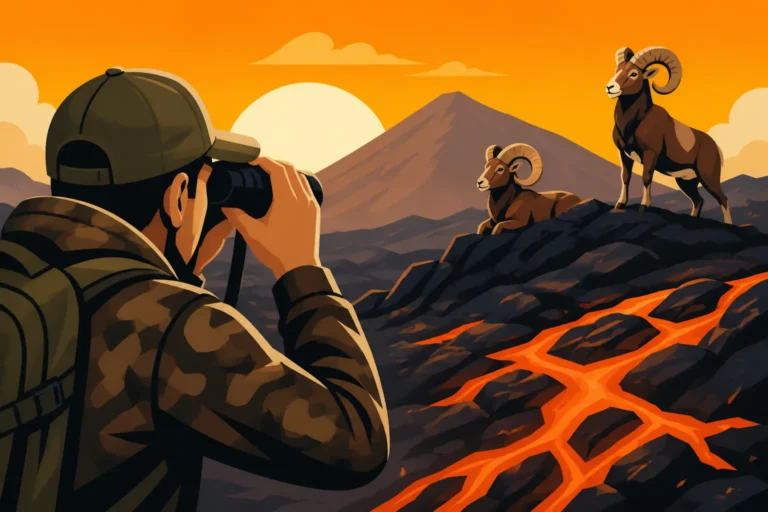
Chasing Axis deer with a bow demands an entirely different mindset than going after them with a rifle. You're not just aiming for a distant target; you're becoming part of the landscape, relying on stealth, wind discernment, and an uncanny ability to close the distance. Axis deer possess incredibly keen senses – their eyesight is exceptional, their hearing can pick up the slightest rustle, and their noses are legendary. To get within 20-40 yards, the typical effective bow range, you must outsmart them on every front. This often means slow, deliberate stalks, sometimes crawling on hands and knees through kiawe thickets or across open lava fields, all while managing the ever-present Hawaiian wind. The satisfaction of drawing back on an Axis buck, knowing every fiber of your being contributed to that moment, is truly unparalleled. It's a dance of patience and precision, where success is hard-earned and deeply appreciated.
Understanding Axis Deer Behavior for Archery
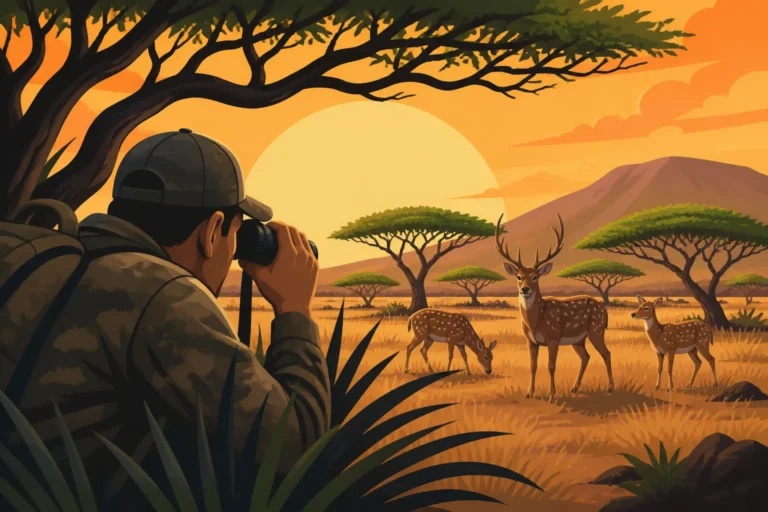
Effective bowhunting for Axis deer hinges on a deep understanding of their daily routines, seasonal patterns, and social structure. Unlike most deer species in North America that have a relatively fixed rut period, Axis deer in Hawaii can rut year-round, though there are often peaks in activity, especially following periods of good rain when forage is abundant. This means you might encounter rutting behavior – bucks chasing does, sparring, and roaring – at almost any time, which can be both an advantage and a disadvantage for archers. During the rut, bucks might be less cautious, making them slightly more approachable, but they're also highly mobile and unpredictable. Outside of the rut, Axis deer are often found in larger, mixed-sex herds, which means more eyes, ears, and noses to contend with. Observing how these herds move, feed, and react to their environment is crucial. They are often most active at first light and last light, seeking shade and bedding down during the heat of the day. Knowing where they prefer to bed, where they water, and their travel corridors will dramatically increase your chances of getting a shot. Pay close attention to subtle shifts in their behavior; even a twitch of an ear or a nervous stomp can signal you've been made.
The Ethical Edge of Archery
Many archers are drawn to bowhunting for the deep connection it fosters with the animal and the land, and the ethical considerations that come with it. The closer proximity required for an archery shot means you often have a clearer view of the animal, allowing for more precise target identification and ethical shot placement. It demands an immense amount of self-control to pass on questionable shots, ensuring a clean kill. This isn't just about legality; it's about respecting the animal and the pursuit. Bowhunting also naturally promotes a more selective harvest, as it's inherently more difficult to take an animal, often leading hunters to prioritize mature animals or those that present the best, most ethical opportunity. It’s a constant journey of skill development, pushing you to become a better, more patient, and more responsible hunter with every outing.
Navigating Hawaii's Archery Axis Deer Seasons
Understanding when and where you can pursue Axis deer with a bow in Hawaii is the first critical step in planning your adventure. The seasons and rules vary significantly by island and even by specific hunting unit, making detailed research absolutely essential. Don't assume what applies on Maui will apply on Molokai or Lanai.
Island-Specific Season Overviews
Axis deer are primarily found on the islands of Maui, Molokai, and Lanai, and each island presents its own unique archery hunting opportunities and regulations.
- Maui: Maui offers some of the most consistent archery Axis deer opportunities. Many of the state's public hunting units, particularly in the Upcountry region like Kula and Kahikinui, often have open archery seasons, sometimes running almost year-round. These units can be challenging, with a mix of open grasslands, dense brush, and steep gulches. Hunters often find success here through diligent scouting and long hours of glassing. For specific season details, you'll want to refer to the official Department of Land and Natural Resources (DLNR) announcements, often found on the GoHunt Hawaii website, which is an invaluable resource.
- Molokai: Known for its big-bodied Axis bucks, Molokai also has archery seasons, though access can be more limited, often involving private land opportunities with outfitters. The terrain can be quite dry and rugged, with extensive kiawe forests and rolling hills. Public land hunting can be very productive if you hit it right, but requires careful planning and potentially more intensive scouting to locate concentrations of deer. The herd numbers here are generally lower than Maui, but trophy potential can be very high. To get a handle on specific unit regulations and access, look into the rules for Molokai's Public Hunting Areas.
- Lanai: Lanai is famous for its exceptional Axis deer hunting, but its public land seasons are predominantly managed through a lottery-drawn system for rifle hunters. However, there are typically dedicated archery-only periods, often preceding or coinciding with some of the rifle weekends. These are highly sought after. Access to public land for hunting is regulated, and often involves specific check-in procedures. Archery on Lanai usually means hunting open ridgelines and dry, brushy country. Knowing when Lanai's Axis Deer Rifle Season Runs can also give you insight into when the archery seasons might be structured around it.
It's vital to remember that seasons can be adjusted by the Department of Land and Natural Resources (DLNR) due to drought conditions, herd management goals, or other environmental factors, so always check the most current regulations before making your plans.
Key Dates and Application Processes
For many of Hawaii's premier Axis deer hunts, particularly on islands like Lanai and sometimes specific units on Maui, you'll encounter a lottery-drawn system. This means you'll need to apply well in advance of the season, and success in the draw is not guaranteed. These draws are typically announced months beforehand, with specific application periods and deadlines. You can usually find the application forms and detailed instructions on the DLNR's Division of Forestry and Wildlife (DOFAW) website, or through platforms like GoHunt, which streamlines the license and permit acquisition process.
General archery seasons on other units might not require a draw, but you will still need to purchase the appropriate Hawaii Hunting Licenses and permit-tags before you head out. These can often be purchased online through the GoHunt Hawaii portal or at authorized vendors. Always double-check the bag limits for the specific unit and season you plan to hunt, as these can vary. For instance, some units might allow an "either-sex" deer, while others might restrict you to only antlered bucks or even doe-only tags to manage herd growth. The rules on How Hawaii's Permit-Tag System Works are crucial to understand before you set foot in the field.
Year-Round Opportunities vs. Specific Windows
One of the fantastic aspects of hunting Axis deer in Hawaii is the potential for year-round opportunities in certain units, especially for archery. This continuous season structure means you don't necessarily have to wait for a single, short window each fall. However, "year-round" doesn't mean "easy." Hunting conditions change dramatically with the seasons. During the hotter, drier summer months, Axis deer will concentrate more around reliable water sources, making these areas prime for ambush hunting. Conversely, after heavy rains, they might disperse widely as new forage sprouts up everywhere.
While some units offer these extended seasons, other highly productive units might have specific archery-only windows. These often coincide with the breeding peaks or periods where hunting pressure from rifle seasons is reduced. These shorter windows can be highly productive, but they also mean more hunters might be concentrated in the same areas. It’s a good idea to research the history of these shorter seasons and what conditions typically prevail during those times to maximize your chances. For example, some of Maui's Year-Round Axis Deer Units might see continuous archery pressure, while a specific archery-only weekend on Lanai will be much more controlled and highly anticipated.
| Island | Primary Archery Units/Areas | Typical Season Structure | Notes |
|---|---|---|---|
| Maui | Kula, Kahikiniki, Polipoli | Often Year-Round / Extended | Variable terrain, some units require specific check-in. Popular with residents and guided hunts. |
| Molokai | Public Reserves, Private Ranches | Seasonal (variable) | Access can be challenging, private land often via outfitters. Known for larger bucks. |
| Lanai | Unit One, Cooperative Game Mgmt Area | Drawn Hunt / Specific Windows | Highly sought-after, usually archery-only windows before/during rifle seasons. Guide-prohibited on public. |
| Big Island | (Limited/Incidental) | N/A | Axis deer populations are extremely small or localized, not a primary Axis deer hunting destination. |
Always consult the current Hawaii DLNR/DOFAW regulations for the most up-to-date and specific season dates, unit boundaries, and bag limits.
Essential Archery Gear and Setup for Island Hunting
Hawaii's diverse terrain and often intense weather demand a well-thought-out gear strategy, especially when bowhunting. From arid kiawe flats to dense, wet rainforests and volcanic slopes, your equipment needs to be robust, reliable, and perfectly suited for the specific challenges of the islands.
Bow and Arrow Considerations
When selecting your bow for Hawaii Axis deer, reliability is paramount. You'll be traversing rough country, and your bow will inevitably take some bumps. A modern compound bow set at a comfortable draw weight, typically 50-70 lbs, is standard. The key is accuracy; ensure your bow is precisely tuned and you can consistently hit a dinner-plate-sized target out to your maximum ethical hunting range.
For arrows, a heavy, durable arrow setup is advisable for Axis deer. They are tough animals, and a heavy arrow with a well-placed broadhead will maximize penetration and kinetic energy. Carbon arrows are popular for their consistency and durability. When it comes to broadheads, sharpness and penetration are non-negotiable. Fixed-blade broadheads are often favored by experienced Hawaii hunters for their reliability and deep penetration, especially through bone. Expandable (mechanical) broadheads can work, but ensure they are designed for high kinetic energy and are known for reliable deployment and structural integrity. A quality two or three-blade fixed-blade broadhead with a sharp edge will serve you well. For a deeper dive, consider articles like Choosing an Arrow Setup for Axis Deer. Don't forget practice arrows with field points that match the weight of your broadheads to ensure consistent flight.
Optics and Rangefinding
Clear, reliable optics are non-negotiable for hunting Axis deer in Hawaii. Binoculars (10×42 or 10×50 are popular) are essential for glassing the vast, open areas where Axis deer often feed, helping you spot animals before they spot you. Invest in a pair with good low-light performance, as much of your hunting will occur at dawn and dusk. Spotting scopes can also be incredibly useful for evaluating distant animals, especially in mountainous or expansive open country, to determine sex, size, and potential stalk routes without disturbing them.
A rangefinder is an absolute must-have for bowhunting. Knowing the exact distance to your target is critical for accurate shot placement. Modern rangefinders are fast and precise, with some models offering angle compensation, which is very helpful in Hawaii's hilly and gulch-laden terrain. Practice ranging objects at various distances and angles to build confidence and speed. In the field, always range known objects around your position, like prominent trees or rocks, so you have reference points if a shot opportunity arises quickly.
Clothing and Footwear for Stealth and Comfort
Your clothing choices will directly impact your success and comfort. Opt for lightweight, breathable camouflage that can stand up to thick brush and warm temperatures. Avoid noisy fabrics that can alert wary Axis deer during a stalk. Layers are always a good idea, as temperatures can vary significantly from cool mornings to hot mid-day sun, especially in higher elevation units. A good rain jacket is also wise, even in dry areas, as pop-up showers are common.
Footwear is arguably the most critical clothing item for Hawaii hunting. You'll be covering miles over uneven, often rocky, and sometimes muddy terrain. Sturdy, waterproof hiking boots with excellent ankle support are essential. Look for boots with aggressive tread patterns for traction on slippery volcanic rock, loose dirt, and wet vegetation. Break them in thoroughly before your hunt to prevent blisters, which can quickly ruin a trip. Consider wearing gaiters to keep small rocks, thorns, and debris out of your boots, especially when pushing through kiawe or guinea grass. Remember, silence is golden when bowhunting; ensure your boots don't squeak or make excessive noise as you move.
Effective Archery Tactics for Hawaii Axis Deer
Successfully bowhunting Axis deer in Hawaii requires a blend of traditional hunting skills, adaptation to unique island conditions, and a healthy dose of patience. These deer are highly intelligent and possess excellent survival instincts, making them a formidable challenge for any archer.
Spot-and-Stalk in Open Country
The quintessential Axis deer archery method in Hawaii is the spot-and-stalk. Much of the prime Axis habitat, particularly on Maui and Lanai, consists of open pastures, dry kiawe flats, and rolling hills with scattered brush. This open terrain makes spotting deer relatively easy with good optics, but closing the distance to bow range without being detected is the real art form.
Success hinges on several factors:
- Wind: This is non-negotiable. The swirling, often unpredictable winds in Hawaii's valleys and ridges can be your greatest enemy. Always approach into the wind or with a quartering wind. Pay attention to Reading Hawaii's Trade Wind Patterns and how thermals shift throughout the day. A slight change in elevation or terrain can cause a drastic wind shift, so carry a wind-checker bottle and use it constantly.
- Cover: Use every bit of terrain and vegetation to your advantage. Cinder cones, gulches, kiawe trees, and tall grass can all provide crucial concealment. Plan your stalk route meticulously, identifying potential points of cover between you and the deer.
- Patience: This cannot be overstated. A successful stalk might take hours, involving long periods of crawling or waiting for deer to move behind a ridge or into a patch of brush. Don't rush. One wrong move, one loud step, or one flash of movement can blow the entire stalk.
- Reading Terrain: Understand how the deer use the land. They often feed on open flats but will retreat to thicker cover or higher ground for bedding. Identify pinch points, game trails, and bedding areas. Articles like Spot-and-Stalk Tactics on Open Country offer great general advice that applies perfectly to Hawaii's diverse landscapes.
Ambushing Near Water Sources or Trails
While spot-and-stalk is popular, ambushing can also be a highly effective archery tactic, especially during drier periods when Axis deer concentrate around limited water sources. Setting up a ground blind or tree stand near a frequented waterhole, a mineral lick, or a well-used game trail can increase your odds dramatically.
When choosing an ambush site:
- Water Sources: During dry seasons, a waterhole can be an Axis deer magnet. Set up downwind and ensure you have good shooting lanes. Be mindful of scent control, as deer will often approach cautiously. Hunting a Water Source in Dry Hawaii Country can yield excellent results, but requires patience and careful setup.
- Game Trails: Identify heavily used trails that connect bedding areas to feeding grounds, or trails leading into or out of gulches. Axis deer are creatures of habit, and they will often use the path of least resistance.
- Scent Control: This is crucial for ambush hunting. Use scent-eliminating sprays, wash your hunting clothes in scent-free detergent, and store them properly. The keen nose of an Axis deer will bust you every time if you're not meticulous.
- Concealment: Whether you're in a ground blind, a tree stand, or simply using natural cover, ensure you blend in perfectly. Break up your outline, stay still, and minimize movement.
Calling Strategies for Archery
Axis deer are quite vocal, especially during their rut, and calling can be a highly effective tactic for archers. The most common and effective call is a fawn bleat, which often draws in curious does, and occasionally a dominant buck hoping to round up the "lost" fawn's mother.
- Fawn Bleat: This soft, pleading call can be incredibly effective. Use it sparingly and realistically. After a few bleats, wait several minutes for a response. Sometimes, deer will approach silently to investigate. Be ready for a shot at any moment. You can learn more about Calling Axis Deer With a Fawn Bleat to perfect your technique.
- Buck Roar/Chuckle: During the rut, challenging a buck with a roar or chuckle can sometimes bring them in, especially if they are already engaged with other deer or feeling territorial. However, this is a riskier call, as it can also scare off less dominant animals or attract a buck from an unexpected direction. Practice these calls and understand the context in which to use them.
- Location and Timing: Use calls in areas where you know deer are present or likely to pass through. Early morning and late evening are often the best times, as deer are more active and vocal. Combine calling with a good setup, ensuring you have clear shooting lanes and a good escape route if a curious animal approaches from an unexpected angle.
Regulations, Preparation, and Post-Harvest Care
Successfully hunting Axis deer with a bow in Hawaii goes beyond just finding the animals and making a good shot. It requires diligent adherence to regulations, thorough physical and mental preparation, and responsible post-harvest practices, especially given Hawaii's warm climate.
Licenses, Permits, and Check-In/Out
Before you even pack your bow, you absolutely must ensure you have all the necessary paperwork in order. This includes a valid Hawaii Hunting Licenses and the appropriate permit-tags for the specific island and species you intend to hunt. For non-residents, you'll need to satisfy Hawaii Hunter Education Requirements or apply for a Nonresident Letter of Exemption if you have a hunter education certificate from another state. The GoHunt Hawaii platform is an excellent resource for purchasing licenses and understanding the various requirements.
Many public hunting units in Hawaii require hunters to check in before entering and check out after leaving, regardless of whether you harvest an animal. This is often done at designated hunter check stations, but increasingly, the use of the OuterSpatial App to Check In is becoming common and convenient. Failing to check in or out can result in fines or loss of hunting privileges, so take this seriously. Always carry your license, tags, and a form of identification with you in the field. Understand the specific tagging rules: How to Attach a Hawaii Tag to a Carcass and when it can come off are important details to know to avoid violations.
Physical Fitness and Mental Toughness
Hawaii hunting is not for the faint of heart, especially with a bow. The terrain can be brutally steep, rugged, and unforgiving, often involving long climbs through dense vegetation or traverses across sharp lava rock. The climate, with its high heat and humidity, can quickly take its toll on your body. Developing a strong level of physical fitness before your hunt is paramount. Incorporate hiking with a weighted pack, stair climbing, and cardiovascular exercises into your routine. This will help you cover ground efficiently, maintain stamina during long stalks, and safely pack out your harvest.
Beyond the physical, mental toughness is crucial. Bowhunting is a game of patience, persistence, and handling disappointment. You will get busted. You will have stalks go wrong. You will miss shots. Learning to maintain focus, stay positive, and adapt to changing conditions is key. Practice shooting your bow from various positions – kneeling, sitting, uphill, downhill – to simulate real hunting scenarios. This will build confidence and ensure you're ready when the moment of truth arrives. The sheer effort of Walking Rough Lava Without Wrecking Your Boots is a mental and physical challenge in itself.
Field Care for Archery Harvests in the Tropics
Once you've made a successful shot, proper field care is critically important, particularly in Hawaii's warm climate. Meat spoilage can happen rapidly if not managed correctly.
- Locate Quickly: With an archery kill, tracking skills are essential. Take your time, observe the shot, and give the animal sufficient time to expire if necessary. Once down, approach cautiously.
- Field Dressing: Begin field dressing immediately to cool the carcass. Remove all entrails and ensure thorough bleeding. For a detailed guide, refer to Field Dressing Axis Deer in Hawaii Heat.
- Cooling: The biggest challenge is rapid cooling. In many Hawaii units, you're a long walk from a cooler or vehicle. Consider deboning the animal in the field to reduce weight and allow for faster cooling. Pack the meat into game bags immediately, ensuring air circulation. If possible, find shade to hang the meat, or use specialized insulated game bags with ice packs to start the cooling process. Cooling Meat Fast on a Hawaii Hunt is often the difference between delicious venison and spoiled meat.
- Packing Out: Packing a debone Axis deer out of a steep gulch or across miles of lava is incredibly demanding. Make sure you have a sturdy pack frame and are mentally and physically prepared for the task.
Responsible hunting extends beyond the shot. Proper field care ensures that the delicious venison from your Hawaii Axis deer hunt doesn't go to waste, honoring the animal and your efforts.
Disclaimer
Hunting in Hawaii involves inherent risks, including but not limited to challenging terrain, unpredictable weather, and encounters with wildlife. Always prioritize safety, adhere to all local, state, and federal regulations, and be prepared for emergencies. The information provided in this guide is for informational purposes only and should not replace official regulations, professional guidance, or personal due diligence. Regulations can change, so always consult the most current Hawaii Department of Land and Natural Resources (DLNR) Division of Forestry and Wildlife (DOFAW) publications before planning your hunt.