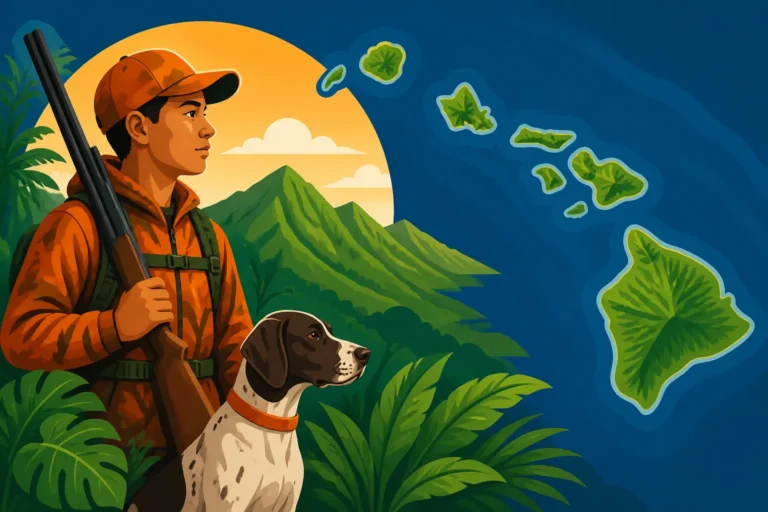
Hawaii’s Year-Round Hunting Units
Hunting in Hawaii can sometimes feel like a puzzle, with specific seasons, drawn hunts, and limited access windows creating a real challenge for folks who just want to get out and chase game regularly. It's frustrating to wait months for a short season to open or to miss out on a draw entirely. But here's the good news: not all hunting opportunities here are tied to strict seasonal calendars. This guide is all about shedding light on Hawaii's year-round hunting units, those consistent havens where you can often pursue game throughout the year, offering much-needed relief from the seasonal rush and a chance to get into the field more often.
What Defines a Year-Round Hunting Unit in Hawaii?
Many hunters, especially those new to the islands or visiting from the mainland, are surprised to learn that "year-round hunting" is even a thing here. In most places, deer seasons are a few weeks, bird seasons might be a month or two, and then everything closes up tight. But Hawaii's unique ecological situation, particularly concerning its introduced, non-native game animals, often necessitates a different approach to wildlife management. These year-round units aren't just a convenience for hunters; they're a critical tool in managing populations that can have significant impacts on the fragile native ecosystems. The Hawaii Department of Land and Natural Resources (DLNR), specifically its Division of Forestry and Wildlife (DOFAW), designates certain areas and species for continuous harvest to control their numbers, especially in areas where they pose a threat to endangered plants or animals. It's a delicate balance, really, between providing recreation and fulfilling crucial conservation mandates.
Understanding the "Open Season" Concept
When we talk about an "open season" in most hunting contexts, it refers to a defined period, say from October 1st to November 15th, during which a particular species can be legally hunted. For many popular game animals like Axis Deer or Mouflon Sheep in Hawaii, this model holds true; you'll find specific windows for archery, muzzleloader, and rifle seasons, often tied to drawn hunts that require an application and a bit of luck. However, for species like feral pigs and goats, which are abundant and highly destructive to native forests and watersheds, many units are designated with a "year-round" season. This means that as long as the unit itself is open for hunting (and some units have weekend-only access or other limitations), you can pursue these animals any day of the year within that unit's operational hours. It's not about an endless supply in every nook and cranny, but rather a consistent opportunity in specific, designated areas that are typically struggling with overpopulation of these invasive species.
The Role of Wildlife Management
The decision to have year-round hunting units is deeply rooted in wildlife management principles specific to Hawaii. Unlike mainland states where game animals are often native and managed for sustainable populations, Hawaii's primary game species – pigs, goats, Axis deer, Mouflon sheep – are all introduced. While they offer fantastic hunting opportunities and a chance to fill the freezer, they also represent a significant threat to Hawaii's extremely unique and often endangered native flora and fauna.
Feral pigs, for instance, root up the forest floor, destroying native plant seedlings and creating perfect breeding grounds for invasive mosquitoes, which can spread avian malaria to native forest birds. Feral goats contribute to severe erosion on steep hillsides, denuding areas of vegetation and allowing valuable topsoil to wash into the ocean, harming coral reefs. By designating specific units for year-round hunting of these species, DOFAW aims to reduce their ecological impact, sometimes within general public hunting units, and often more intensely within Hunting Hawaii's Forest Reserves or Hawaii's Game Management Areas directly adjacent to critical conservation zones. It’s a constant battle, and ethical hunters are essential partners in this ongoing effort, helping to protect what remains of Hawaii's unique natural heritage.
Where to Find Hawaii's Year-Round Opportunities
So, where do you actually find these year-round units? It's not a secret, but it does require digging into the specific regulations for each island and unit. Each island has its own set of Public Hunting Land in Hawaii, and within those, certain units will have continuous seasons for pigs and goats. The key is always to consult the current Hunting Regulations issued by DOFAW, which are updated annually and available online through platforms like the GoHunt Hawaii portal. Don't rely on old information, because unit boundaries, rules, and even season dates can change. Understanding Hawaii's Hunting Units and How They Work is the first step to successful planning.
Hawaii Island's Consistent Options
The Big Island, Hawai'i Island, is a fantastic place for year-round hunting, especially if you're targeting feral pigs and goats. There are several extensive public hunting units here that maintain open seasons for these species throughout the year. For example, some sections of the vast Mauna Kea Forest Reserve (Unit A), particularly the lower elevations, offer continuous pig hunting. You might also find consistent access in parts of the Hilo Forest Reserve or the Waiakea Forest Reserve, especially in the more rugged, wet-forest gulches where pigs thrive. The Kau Forest Reserve also provides opportunities. These areas often require considerable physical exertion, traversing dense jungle, steep slopes, and sometimes challenging lava fields. The units are vast, so understanding the specific boundaries and access points is crucial. You'll definitely want to spend some time Reading a Hawaii Unit Boundary Map before you go. Remember, even in year-round units, there might be specific weapon restrictions or check-in/check-out procedures you need to follow diligently using tools like the Using the OuterSpatial App to Check In.
Maui Nui's Accessible Areas
When it comes to the Maui Nui complex (Maui, Molokai, Lanai), things get a little more nuanced. While Axis Deer and Mouflon Sheep hunts are heavily regulated by specific seasonal draws and permits, the opportunities for year-round pig and goat hunting still exist, primarily on Maui. Maui's large public hunting units, such as the Kahikinui Unit and parts of the Kula Forest Reserve, often have year-round seasons for goats and pigs. These areas encompass a wide range of terrain, from dry, brushy slopes to higher elevation forests. You might find yourself Hunting Maui's Upcountry Forest Reserves for pigs or chasing goats on rugged, coastal-facing slopes. Molokai and Lanai, while renowned for their trophy Axis deer and Mouflon, have much more restricted public hunting access, and most of their big game opportunities are tied to specific drawn seasons rather than truly year-round access for all species. Always double-check current regulations for these islands; they can be quite particular, especially concerning permit requirements which can change from year to year.
Oahu and Kauai: Perpetual Pig and Goat Pursuits
Don't count out Oahu and Kauai when it comes to year-round action! While these islands don't host Axis deer or Mouflon, they offer robust opportunities for feral pigs and, on Kauai, Black-tailed deer and feral goats. Oahu's public hunting units, such as the Ewa Forest Reserve or the Waianae Kai, are prime spots for year-round pig hunting. These areas are often dense, steep, and can be quite challenging, but they hold good numbers of pigs. Similarly, on Kauai, beyond the seasonal Black-tailed deer hunts in Kokee, numerous units like the Kekaha Game Management Area and sections of the Na Pali-Kona Forest Reserve allow for year-round pig and goat hunting. If you're looking for a consistent challenge without the hassle of draws or short seasons, chasing Hunting Hawaii's Feral Pigs or Hunting Hawaii's Feral Goats in these units is your best bet. Be prepared for varied terrain, from the wet, muddy trails of a rainforest gulch to the rocky, arid cliffs where goats roam in Hunting Hawaii's Dry Leeward Country.
Game Species Available in Year-Round Units
Alright, so you know where to go, but what can you actually hunt year-round in these units? While Hawaii boasts a variety of game, the true "year-round" stars are almost exclusively the feral pigs and goats. These are the animals that local hunters often pursue with dogs and knives, or with still-hunting tactics, providing consistent protein for their families and a continuous outdoor challenge.
Feral Pigs: The Perpetual Challenge
Feral Pigs, Island by Island are arguably the most widely available year-round game animal across the major Hawaiian islands with public hunting lands. From the Big Island to Oahu and Kauai, you'll find units where these intelligent and often massive animals can be pursued any day the unit is open. There's no waiting for a specific "pig season" in many of these areas, which is a huge draw for dedicated hunters. These aren't your typical farm hogs; Hawaii's feral pigs are tough, wily, and incredibly adapted to the diverse island terrains. You might be Still-Hunting Pigs in Hawaii's Wet Forest, navigating through guava thickets and deep mud in search of rooting sign, or perhaps moving through drier, more open country. The constant pressure from hunters is part of the management strategy to curb their destructive impact on native ecosystems. Don't underestimate them – they can be extremely dangerous if cornered, especially a large boar with formidable tusks.
Feral Goats: Rugged Country Rewards
Similar to pigs, Hawaii's Feral Goats and Why They Matter are another staple of Hawaii's year-round hunting units, particularly on islands like Maui and the Big Island, and also extensively on Kauai. These animals are incredibly resilient, thriving in some of the most rugged and inaccessible landscapes, from towering sea cliffs to steep-sided canyons and dry, rocky slopes. In many designated units, goat hunting is open continuously, allowing you to chase them whenever you have the time and energy. It's a completely different kind of hunt than pursuing pigs in the dense forest; goat hunting often involves extensive glassing, long-range shooting opportunities, and some serious climbing. You might be Hunting Goats on a Sea Cliff Safely, where every step demands caution, or tracking them through the thorny kiawe forests of the leeward side. Their constant grazing pressure contributes to erosion and impacts native vegetation, making their year-round harvest another vital part of the state's conservation efforts.
Other Opportunistic Game
While pigs and goats are the mainstays, it's worth noting that some small game and game bird seasons can be quite long, but very few are truly year-round in the same way pigs and goats are in specific units. Always consult the Hawaii Game Bird Seasons and Bag Limits for specific dates. However, some units might allow for the opportunistic harvest of other feral animals like wild cattle or feral sheep (distinct from Mouflon) if encountered, though these opportunities are generally rare and often require special permission or are part of specific management actions, not standard year-round public hunting. The focus for consistent, open-access hunting remains firmly on the feral ungulates, which are a benefit to the ecosystem and a sustainable food source.
Making the Most of Year-Round Hunting
Having year-round access to hunting units is a huge perk, but it comes with its own set of responsibilities and challenges. It's not a free-for-all; smart planning and a deep understanding of the local conditions are paramount to success and safety.
Checking Regulations Constantly
I can't stress this enough: always check the latest regulations. While a unit might generally be year-round for pigs, there can be temporary closures due to fire danger, military operations, or conservation efforts. DOFAW regularly posts updates, and the GoHunt Hawaii website is your best friend for the most current information. These details can change with little notice, and showing up to a closed unit is not only a wasted trip but can lead to fines. Make it a habit to look up the specific unit you plan to hunt a day or two before you head out. This includes knowing the legal weapons for that specific unit and species, as rules vary. Additionally, ensure you understand Hawaii's Hunting Licenses and What They Cost and have all necessary permits and stamps for the game you intend to pursue.
Strategic Scouting and Access
Just because a unit is open year-round doesn't mean it's easy pickings. Year-round units, especially those near populated areas, can experience significant hunting pressure, which makes animals more wary. This means scouting is incredibly important, perhaps even more so than for seasonal hunts. Look for less-pressured areas, find remote access points, and be willing to put in the miles. You might be Walking In to a Remote Hawaii Unit to escape the crowds, or finding an old, overgrown road that offers a quieter approach. Learn to Scouting a Hawaii Hunting Unit Before Opening or spot distant goats from a vantage point. Utilize apps like OuterSpatial for detailed maps and boundaries, which can save you a lot of headache in confusing terrain. Remember, year-round means the animals are always adapting, so your tactics need to adapt too.
Gear and Conditioning for Hawaii's Demands
Hunting year-round in Hawaii means dealing with the full spectrum of the islands' unique weather and terrain, often within a single day. You could start in a cool, misty Hunting Hawaii's Rainforest Units and end up tracking game across scorching lava flows. Proper gear is non-negotiable. Sturdy, waterproof boots that can handle both sharp lava and slick mud are essential – you don't want to be Walking Rough Lava Without Wrecking Your Boots. Good rain gear is a must, even on "dry" days, as sudden showers can pop up, especially on the windward sides. Hydration is critical, as is carrying enough food and emergency supplies. Year-round hunting also demands consistent physical conditioning. These aren't flat, easy walks; Hawaii hunting means steep climbs, navigating dense vegetation, and often packing heavy game out of deep gulches. The more prepared you are physically, the safer and more enjoyable your year-round hunts will be. And once you've made a kill, knowing how to do Field Care in Hawaii's Heat and Humidity is paramount to salvaging your hard-earned meat.
| Island | Primary Year-Round Game | Typical Terrain | Key Units (Examples) | Permit/Tag Requirement (Year-Round Species) | Check-in/Check-out |
|---|---|---|---|---|---|
| Hawaii Island | Feral Pig, Feral Goat | Wet forest, lava, dryland shrub | Mauna Kea (lower), Hilo FR, Kau FR | Yes (Free Permit/Tag) | Required |
| Maui | Feral Pig, Feral Goat | Dry slopes, upcountry forest | Kahikinui, Kula FR | Yes (Free Permit/Tag) | Required |
| Oahu | Feral Pig | Steep ridges, dense forest | Ewa FR, Waianae Kai | No (License Only) | Required |
| Kauai | Feral Pig, Feral Goat | Canyons, wet forest, coastal cliffs | Kekaha GMA, Na Pali-Kona FR | Yes (Free Permit) | Required |
| Molokai/Lanai | Limited Pig/Goat | Varies | Check current specific regs for any small year-round areas; mostly seasonal for big game. | Yes (Free Permit/Tag) | Required |
Disclaimer
The information provided in this guide is for general informational purposes only and is subject to change. Hunting regulations in Hawaii are complex and can be updated frequently by the Division of Forestry and Wildlife (DOFAW). It is the hunter's sole responsibility to consult the most current official Hawaii hunting regulations, unit maps, and check for any emergency closures or changes before planning and engaging in any hunting activity. Always prioritize safety and ethical hunting practices.