Reporting a Poacher in Hawaii
It’s truly disheartening to encounter or even suspect illegal hunting activity here in Hawaiʻi. We put in the hard work to get our licenses, learn the regulations, and respect the land and the animals, so when someone abuses that trust, it feels like a punch to the gut. This guide is here to walk you through exactly what to do if you ever find yourself needing to report a poacher, ensuring you can act effectively and safely to protect our precious resources.
Why Poaching Is Such a Harmful Problem for Hawaii Hunting
For those of us who cherish the outdoor traditions of Hawaiʻi, poaching isn't just a minor infraction; it's a deep betrayal of everything we stand for. It undermines the careful balance of conservation, disrespects the legal framework, and often targets animals indiscriminately, threatening the very populations we strive to manage sustainably. It's a frustration many hunters share, feeling powerless when they see or suspect such acts, but understanding the widespread damage can light a fire under us to do what's right.
Environmental and Wildlife Impacts of Illegal Hunting
Hawaiʻi’s unique ecosystems are incredibly fragile, and our game animals, while introduced, play a significant role in these environments. Poaching often ignores established seasons, bag limits, and even species regulations, leading to unregulated killing that can decimate local populations. Imagine a group targeting pregnant sows out of season, impacting pig numbers for years, or illegally taking multiple mouflon rams from an area where tags are strictly limited to ensure herd health. These actions aren't just about one animal; they disrupt the delicate balance, especially in areas trying to recover from ecological damage caused by these very animals. When poaching happens in or near protected areas, it can even impact our native species, some of which are critically endangered, by disturbing their habitats or accidentally targeting them.
Unfairness to Law-Abiding Hunters
Every responsible hunter in Hawaiʻi jumps through the necessary hoops: we complete our hunter education requirements, purchase our Hawaii Hunting Licenses and What They Cost, buy the appropriate permits, and diligently follow all the rules for Hawaii Game Mammal Seasons. We spend countless hours scouting, preparing, and then hunting ethically, often coming home empty-handed because that's part of the challenge and respect for the game. When a poacher cuts corners, takes more than their share, or hunts in illegal areas, it directly impacts the legitimate opportunities for everyone else. It can lead to reduced animal numbers in public hunting units, causing units to close or seasons to be shortened, which is a real blow to those who play by the book. It also fuels a negative perception of hunting in general, making it harder for our community to advocate for our sport and conservation efforts.
Economic Repercussions of Wildlife Crime
The illegal wildlife trade, even on a local scale, has tangible economic costs. Law-abiding hunters contribute significantly to Hawaiʻi's economy through license sales, permit fees, gear purchases, and even travel and lodging for hunts across islands. These funds often go back into wildlife management and conservation programs. When animals are illegally harvested and perhaps even sold on the black market, that's revenue lost to the state and less money available for the very programs designed to protect and manage these resources. Furthermore, the cost of investigations, enforcement, and potential court proceedings for poaching cases also drains public funds that could otherwise be used for habitat restoration or public access initiatives. It's a cycle of negative impact that touches more than just the animals themselves.
Spotting the Signs of Illegal Hunting
Knowing what to look for is the first step in being an effective steward of our hunting resources. Poachers aren't always easy to identify, and their activities can sometimes blend into what might seem like normal hunting behavior to an untrained eye. However, understanding the key indicators can make all the difference. It's not about being suspicious of every hunter, but rather about recognizing the red flags that signal something is amiss.
Obvious Violations You Might Witness
Some poaching acts are blatant and leave little room for doubt. If you're out in a unit and see something that immediately feels wrong, pay close attention. For instance, spotting someone actively hunting during a closed season or in a unit that is currently closed for hunting is a clear violation. You can check Hawaii's Hunting Units and How They Work and the updated Hawaii Game Mammal Seasons on the Division of Forestry and Wildlife (DOFAW) website or the GoHunt Hawaii portal to confirm active seasons.
Another common violation is the use of illegal weapons. While there are specific Hawaii's Legal Weapons by Season, a poacher might be using a rifle in an archery-only unit, or hunting with a weapon outside legal shooting hours. Night hunting, particularly for mammals, is generally restricted, so seeing lights or hearing shots in the dark from a non-permitted area should raise an immediate alarm. Overshooting bag limits, taking multiple animals when only one is allowed, is also a clear sign. If you see a truck overloaded with more animals than could possibly be legally harvested by the number of hunters present, that’s a big red flag.
Subtle Clues and Suspect Behavior
Not all poaching is as obvious as a rifle in an archery unit. Sometimes, it's a collection of smaller, suspicious details that add up. Keep an eye out for vehicles parked in unusual spots, especially if they're hidden or in areas not typically used for legal access to a hunting unit. Someone frequently driving through a remote area at odd hours, particularly if they're making multiple trips, could be scouting or retrieving illegally taken game. You might notice fresh tire tracks or footprints in areas where legal hunting isn't permitted or isn't typical.
Beyond vehicle activity, observe the hunters themselves. Are they acting secretive, trying to avoid contact with others? Are they checking in and out of a Hawaii Unit as required, or are they trying to bypass check stations? Unusually large groups of hunters, especially if they seem disorganized or are actively chasing animals outside established methods, could be problematic. Also, be aware of the "off-limits" zones. Seeing hunters operating within or too close to Hawaii Trespass and Closed Area Rules, such as private property lines without permission or designated conservation areas like Hawaii's Fenced Conservation Area Closures, is a serious concern.
Illegal Possession and Trade
Poaching isn't always about the act of killing; it also involves the unlawful possession or sale of wildlife. If you hear whispers or see evidence of individuals selling wild game meat or parts, such as venison, pig meat, or even antlers, without proper licenses or documentation, this is a form of poaching. Legal hunters often share their harvest with family and friends, but outright selling game on the black market, especially commercially, is illegal. Keep an ear to the ground in your community. Sometimes, someone bragging about a harvest that seems too large, or a trophy taken out of season, can be a subtle sign. While it's important not to jump to conclusions, unusual stories about a "lucky" hunt that produced an improbable amount of game or an out-of-season trophy should make you think twice.
Your Step-by-Step Guide to Reporting a Poacher
When you witness or suspect poaching, it’s natural to feel a mix of anger and uncertainty about what to do next. The most crucial thing is to act safely and effectively. Your role isn’t to confront the individual, but to be a good witness and provide clear, actionable information to the authorities. Remember, the goal is to protect our resources, and that means empowering the professionals who can handle the situation appropriately.
Gathering Critical Information Safely
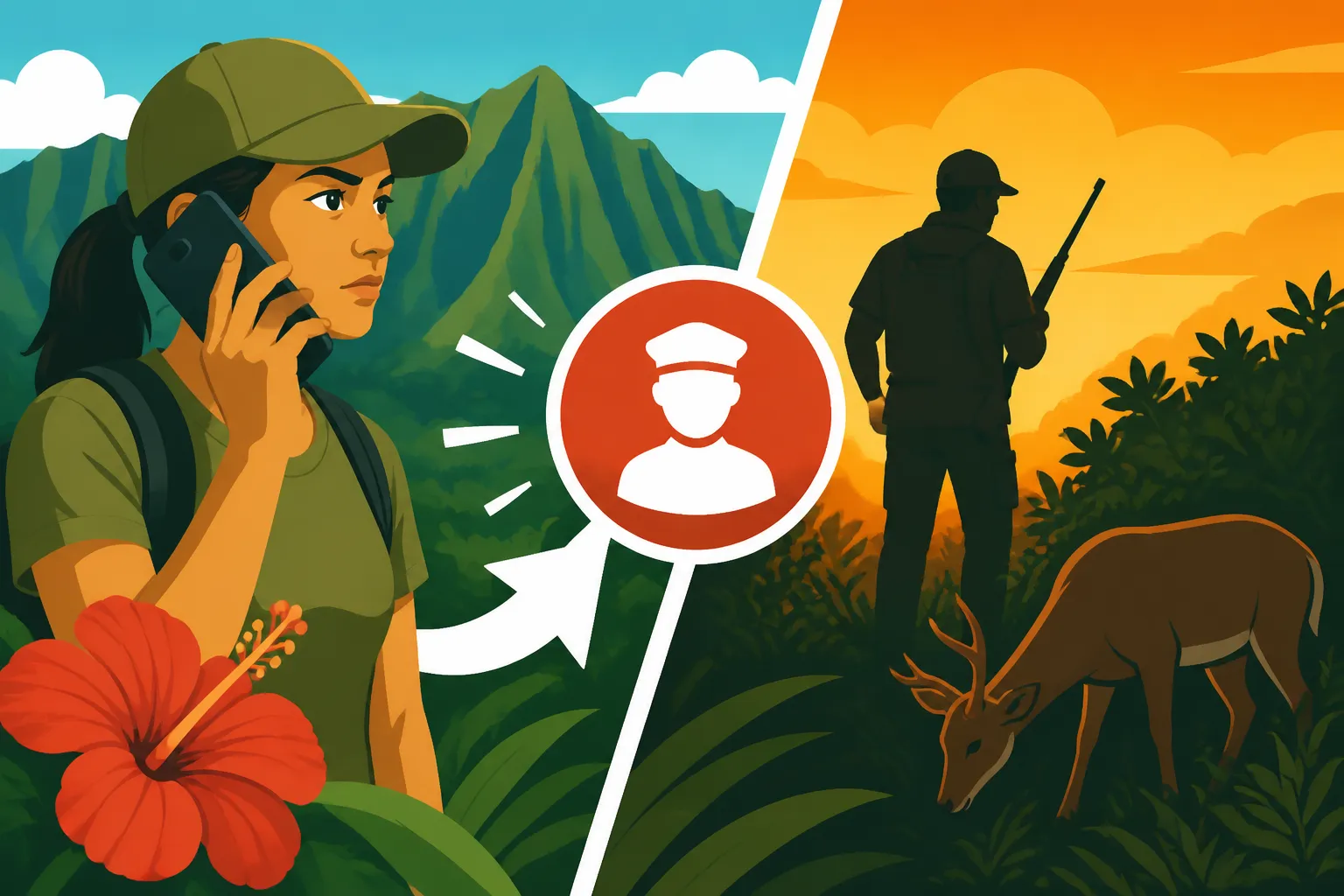
Before you even think about reaching for your phone, prioritize your safety. Never approach or confront a suspected poacher. You don’t know who you’re dealing with, and the situation could escalate dangerously. Your best course of action is to observe from a distance, remain unseen, and collect as much information as possible without putting yourself at risk.
Here’s a checklist of key details to try and gather:
- Date and Time: When exactly did you observe the incident?
- Location: Be as specific as possible. GPS coordinates are best, but crossroads, landmarks, mile markers, or even "2 miles up the old logging road off Highway X" are incredibly helpful.
- Description of Suspects: How many people were involved? What did they look like (gender, hair color, build, clothing, distinguishing features)?
- Vehicle Information: Crucial! Make, model, color, license plate number (even partial), any distinguishing features like dents, custom paint, unique bumper stickers, or equipment like large tires or a specific truck bed setup.
- Type of Violation: What exactly were they doing? (e.g., shooting out of season, hunting at night, trespassing, over-bagging).
- Species Involved: What animal(s) were they targeting or had they taken?
- Weapons Used: What kind of firearm or other weapon did you see?
- Direction of Travel: Where did they come from, and which way did they go?
- Any Evidence Left Behind: Shell casings, blood trails, discarded game parts. (Do NOT touch anything).
Use your phone to take discreet photos or videos if you can do so safely and without being detected. This visual evidence can be incredibly powerful. If you're using a mapping app like GoHunt's partnership with OuterSpatial for Checking In and Out of Hawaii Hunting Units, you can drop a pin for the exact location.
Contacting the Right Authorities
Once you have as much information as possible and are safely out of the immediate area, it’s time to contact the authorities. In Hawaiʻi, the primary agency responsible for enforcing wildlife and hunting regulations is the Department of Land and Natural Resources (DLNR), specifically its Division of Conservation and Resources Enforcement (DOCARE).
Here's how to reach them:
- DLNR DOCARE Statewide Hotline: The most direct way to report poaching is to call the DOCARE hotline at 643-DLNR (643-3567). This number is staffed 24/7.
- 911 for Emergencies: If you witness an active crime that poses an immediate threat to public safety (e.g., shots being fired near homes, dangerous driving, or a confrontation), do not hesitate to call 911. They can dispatch local police, who will then coordinate with DOCARE.
- Online Reporting: DLNR also has an online reporting form on its website. This can be useful for non-urgent reports or if you have extensive details and photos to upload. However, for active violations, a phone call is always preferred for speed.
When you call, stay calm and relay the information clearly and concisely. Emphasize that your safety was not compromised and that you observed from a distance. Let them know what information you have collected, including vehicle descriptions, license plates, and locations. Be prepared for them to ask follow-up questions to gather all necessary details for their investigation.
Important Note on Anonymity: You can report poaching anonymously. DLNR understands that people may be hesitant to report due to fear of retaliation. If you choose to remain anonymous, state that clearly at the beginning of your call. However, sometimes providing your contact information, if you're comfortable, can be helpful for investigators if they need clarification or additional details, though they will respect your privacy.
What to Expect When You Make the Call
Making that call can feel a bit nerve-wracking, but it's an important step. When you connect with DOCARE, whether it's the hotline or a local office, expect them to take your report seriously. They'll ask for all the details you’ve gathered. Don’t be discouraged if they can’t immediately dispatch an officer, especially in remote areas or if the incident happened hours ago. DOCARE officers cover vast areas, and their resources might be spread thin. However, every piece of information you provide helps them build a case, identify patterns, and target enforcement efforts more effectively.
Your call contributes to their intelligence gathering, which is crucial for law enforcement. Even if your specific report doesn’t lead to an immediate arrest, it could be the missing puzzle piece in an ongoing investigation or alert them to problem areas or individuals. The system is designed to protect both the wildlife and the citizens who report these crimes, so trust that your information is being processed and used responsibly.
After the Report: The Process and Your Role
Once you've made your report, you've done your part as a responsible hunter and citizen. It's common to wonder what happens next, and while details of ongoing investigations are usually confidential, understanding the general process can help manage expectations and reinforce why your report was so vital.
How Investigations Unfold
After receiving a report, DOCARE officers will evaluate the information you provided. If it's an active situation, they'll attempt to respond to the location if resources allow. For less immediate reports, they might use the information to patrol specific areas more frequently, review trail camera footage (if available and legally placed), or cross-reference vehicle descriptions or suspect information with existing databases or past incidents. They may also coordinate with local police departments or other agencies, especially if the suspected poachers are involved in other criminal activities or if the incident happened on federal or military lands.
Evidence is key in these cases. Officers will look for physical evidence like carcasses, illegal traps, shell casings, or tire tracks. They may also interview potential witnesses (if identified and safe to do so) and conduct surveillance. It's a meticulous process, and arrests often come after weeks or months of investigation, not always immediately after the initial report. The goal is to gather enough solid evidence to withstand legal scrutiny and ensure a successful prosecution, which can result in significant Penalties for a Hunting Violation, including hefty fines, loss of hunting privileges, and even jail time.
The Importance of Follow-Up (If Safe)
Generally, after making your initial report, the ball is in DOCARE's court. You shouldn't try to conduct your own investigation or gather more evidence unless specifically instructed and guided by law enforcement, and only if it's absolutely safe. Your safety remains paramount. However, if you provided your contact information, DOCARE might reach out to you for clarification or additional details. Be responsive if they do.
If you happen to observe new suspicious activity related to the same incident or individuals, or if the poaching continues, you should make a new report to DOCARE, referencing your previous report if possible. It’s a fine line between helpful follow-up and getting too involved. Err on the side of caution and let the professionals do their job. Your primary role is to be a vigilant and safe observer.
Preventing Future Incidents Through Community Vigilance
While reporting individual acts of poaching is crucial, a truly effective defense against illegal hunting relies on a strong, informed, and vigilant hunting community. By understanding Hawaii Hunter Education Requirements and practicing ethical hunting ourselves, we set the standard. Sharing knowledge about legal hunting methods, ethical practices, and the importance of conservation among fellow hunters and new generations helps foster a culture where poaching is not tolerated.
We can all contribute by being familiar with the Hawaii's Rules on Baiting and Feeding, understanding specific bag limits, and knowing what constitutes legal harvesting. Being an active participant in our hunting community, joining local conservation groups, and even volunteering for habitat improvement projects all contribute to a stronger voice for responsible hunting. When we're all looking out for our wildlife and holding ourselves and others accountable, we create an environment where illegal activity is less likely to go unnoticed and unpunished. Whether you're hunting Hawaii Public Hunting Land in Hawaii or just enjoying the outdoors, your awareness makes a difference.
| Key Information to Gather When Reporting Poaching | Details to Note | Why It Matters |
|---|---|---|
| Date & Time | Specific day and time of incident | Establishes timeline; critical for corroborating alibis or witness statements. |
| Location | GPS coordinates (best), nearest road, landmarks, mile markers, unit name | Essential for officers to find the exact spot and identify jurisdiction. |
| Suspect Description | Number of individuals, physical characteristics (gender, height, build, hair), clothing, distinguishing marks (tattoos, scars) | Helps identify individuals; crucial if multiple suspects are involved. |
| Vehicle Description | Make, model, color, license plate (full or partial), distinguishing features (dents, custom parts, accessories like lift kits, specific tires, decals) | Often the most identifiable piece of evidence; can lead directly to suspects. |
| Type of Violation | Shooting out of season/unit, night hunting, trespassing, using illegal weapons, over-bagging, illegal sale of game, hunting in Hawaii's Fenced Conservation Area Closures, or other infractions. | Pinpoints the specific law broken, guiding the investigation and potential charges. |
| Species & Quantity | Type of animal(s) targeted (e.g., Axis deer, feral pig, mouflon), estimated number | Determines the severity of the poaching act and the impact on wildlife populations. |
| Weapons Used | Type of firearm (rifle, shotgun, bow), caliber (if discernible), knife, dogs (e.g., in Dog and Knife Pig Hunting in Hawaii) | Identifies method of take, which may also be illegal depending on season and unit. |
| Direction of Travel | Which way suspects or vehicles approached and departed | Helps officers track suspects, look for additional evidence, or set up interception points. |
| Photos/Videos | Discreetly taken images or footage, especially of vehicles, license plates, suspects (from a safe distance), or illegal activity. | Provides concrete evidence; highly valuable in investigations. (Only if safe and discreet!) |
Disclaimer
The information provided in this guide is for general informational purposes only and does not constitute legal advice. Hunting regulations in Hawaiʻi can change, and it is the individual hunter's responsibility to stay informed of the most current rules and laws. Always refer to the official Hawaiʻi Department of Land and Natural Resources (DLNR) Division of Forestry and Wildlife (DOFAW) publications and website for the most accurate and up-to-date information. In an emergency or dangerous situation, always call 911 first.