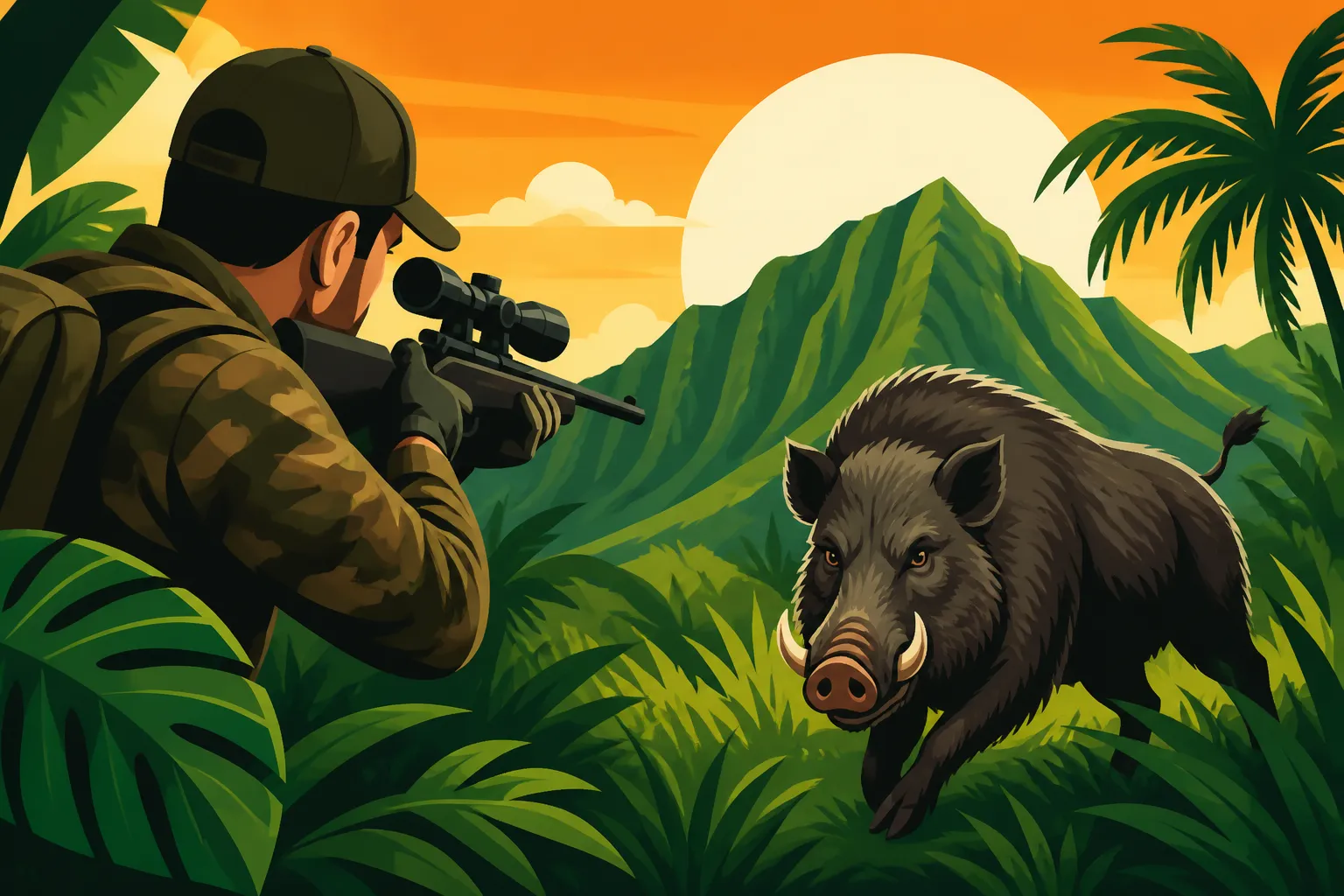
Guided Pig Hunts on Oahu
Hunting for wild pigs on Oahu can feel like trying to find a needle in a haystack, especially if you're not intimately familiar with the island's dense forests, varied terrain, and specific hunting regulations. Many aspiring hunters find themselves overwhelmed by the sheer logistics of scouting, understanding access points, and navigating the nuances of Hawaiian hunting culture. This comprehensive guide is here to shed light on how a guided pig hunt on Oahu can transform that frustration into a successful and deeply rewarding experience, covering everything from what to expect to how to prepare.
Why Consider a Guided Pig Hunt on Oahu?
Oahu, while being the most populated Hawaiian island, still offers incredible opportunities for hunting feral pigs. However, unlike some mainland areas where expansive public lands are easily accessible, Oahu's hunting landscape is often a mix of public units that require specific permits and careful navigation, and private lands that are often managed by outfitters. For many, especially those visiting or new to the island, the thought of trying to figure all of this out solo can be daunting. A guided hunt cuts through this complexity, offering a streamlined path to a successful experience.
One of the biggest hurdles for any hunter on Oahu is simply knowing where to go and how to gain legal access. The public hunting units, such as those in the Waianae Mountains, often have specific rules, check-in procedures, and can be incredibly challenging terrain for those unfamiliar with it. Then there's the question of private land, which can offer some of the best hunting but requires explicit permission, which guides often already have established. Choosing a reputable outfitter means someone else has already done the legwork, secured the access, and understands the specific seasonal rules and animal movements. This allows you to focus on the hunt itself, rather than getting bogged down in administrative details or worrying about trespassing.
Navigating Oahu's Unique Hunting Landscape
Oahu's terrain is notoriously rugged and diverse, ranging from steep, muddy ridges in the Ko'olau mountains to drier, more open country in the Waianae range. Each area presents its own challenges, from navigating dense Still-Hunting a Guava Thicket for Pigs to crossing treacherous stream beds. For someone unfamiliar with these conditions, it's easy to get turned around, or worse, put yourself in a risky situation. Guided hunts are invaluable here because local guides possess an intimate knowledge of the land, including pig habits, bedding areas, and travel corridors specific to different microclimates on the island. They know the safe routes, the challenging spots, and how to read the subtle signs that indicate pig activity. This local insight is something you simply can't gain from a map or a few online searches.
Furthermore, Oahu's hunting landscape is heavily influenced by the constant interplay between urban development and wild spaces. It's not uncommon for hunting units to be surprisingly close to residential areas, requiring extreme caution and adherence to safety protocols. Guides are acutely aware of these boundaries and ensure that all hunting activities are conducted responsibly and legally. They'll also know which units are most likely to hold pigs during certain times of the year, considering factors like recent rainfall, fruit drops, and hunting pressure. This kind of nuanced understanding of the local environment is a game-changer for anyone serious about a successful pig hunt on Oahu.
Leveraging Local Knowledge and Expertise
The real magic of a guided hunt lies in the guide's extensive local knowledge. They're not just showing you where to walk; they're sharing generations of wisdom about pig behavior, the local ecosystem, and the specific challenges of hunting in Hawaii. This can mean knowing which specific gulch a big boar favors after a rain, or understanding the subtle scent patterns that indicate a sow with piglets. They’ve often scouted these areas extensively, observing recent tracks, rubs, and feeding signs, giving you the best possible chance to encounter game.
Beyond just finding pigs, guides often have a deep understanding of the legal framework, which can be complex and change from season to season. They can help ensure you have the correct Hawaii Hunting Licenses and What They Cost and understand all the regulations surrounding Hawaii's Legal Weapons by Season on Oahu. Many also have established relationships with private landowners, opening up access to prime hunting grounds that would otherwise be off-limits to the general public. This network of contacts and deep understanding of the island's nuances is truly priceless, especially for non-residents or those new to hunting in Hawaii, allowing you to focus on the thrill of the chase rather than navigating bureaucratic hurdles.
What to Expect from a Guided Pig Hunt on Oahu
So, you've decided a guided hunt is for you. Now, what does it actually look like? Oahu pig hunts are often intense, physical endeavors that can differ significantly from mainland hunts. Expect to be immersed in the dense, vibrant ecosystems that make Hawaii so unique. It’s not just about pulling a trigger; it’s about understanding the land, respecting the animal, and experiencing a truly primal form of hunting. Your guide will be your mentor, interpreter, and partner throughout the journey, ensuring both your safety and your best chance at success.
Most guided hunts on Oahu are single-day affairs, often starting well before dawn and lasting until late morning or early afternoon, depending on success and conditions. The focus is typically on finding and taking a single animal, though some units or private lands may allow for more. Guides will usually provide essential equipment like a cooler for meat, and often offer a loaner rifle if you haven't brought your own, which can simplify travel greatly. Communication with your guide beforehand is crucial to set expectations and ensure everyone is on the same page regarding the hunt style, your physical capabilities, and what you hope to achieve.
Typical Hunt Styles: Dog and Knife vs. Still-Hunting
On Oahu, you'll generally find two primary styles of guided pig hunting: Pig Hunting With Dogs in Hawaii and still-hunting. Each offers a distinct experience and requires different approaches from the hunter.
Dog and Knife Hunting: This is perhaps the most iconic and traditional form of pig hunting in Hawaii, deeply rooted in local culture. When you book a guided dog hunt, you're signing up for an adrenaline-fueled, fast-paced experience. Your guide will typically employ a team of trained dogs: "bay dogs" that locate and hold the pig at bay (barking aggressively, keeping it in one spot), and "catch dogs" that move in to subdue the pig once it's bayed. The hunter's role in this scenario is to follow the dogs and guide, often through extremely dense and rugged terrain, to the bayed pig. Once the pig is located and safely held, the guide or hunter (under guide supervision) dispatches it with a knife or spear, or sometimes a firearm, depending on local regulations and the outfitter's preference. This method requires a high level of fitness, quick reactions, and a willingness to get down and dirty. It’s a very hands-on, visceral experience that many find incredibly rewarding, connecting them to an ancient hunting tradition.
Still-Hunting: For those who prefer a more stealthy and observational approach, still-hunting (or spot-and-stalk in more open areas) is the way to go. This method involves quietly moving through the forest, often at first light or last light when pigs are most active, looking for fresh sign like tracks, rooting, and wallows. The guide will lead the way, reading the wind, listening for subtle sounds of movement, and glassing likely feeding or bedding areas. When a pig is spotted, the focus shifts to a careful stalk, using cover and terrain to get within ethical shooting range. This style requires patience, keen senses, and a steady hand for an accurate shot. It's less physically demanding in terms of high-intensity sprints, but still requires good stamina for long periods of slow, deliberate movement over uneven ground. While many think of still-hunting as less "traditional" than dog hunting in Hawaii, it's a highly effective method for harvesting pigs, especially in areas with very dense cover where dogs might struggle or be restricted.
| Hunt Style | Key Characteristics | Physical Demands | Required Hunter Skills | Typical Outcome |
|---|---|---|---|---|
| Dog and Knife | Fast-paced, adrenaline-filled, traditional Hawaiian | Very high: running, climbing, pushing through brush | Endurance, quick reactions, comfort with close quarters | Close-range dispatch, often with a knife |
| Still-Hunting | Stealthy, observational, patience-focused | Moderate to high: slow, deliberate movement, stamina | Patience, keen observation, accurate shooting, scent control | Ethical shot from distance |
Gear and Logistics Provided by Outfitters
One of the great advantages of booking a guided hunt is that much of the logistical burden is lifted from your shoulders. Outfitters on Oahu typically provide a significant portion of the necessary gear, which is particularly helpful for visiting hunters. For starters, your guide will almost certainly provide transportation to and from the hunting unit from a pre-arranged meeting point. This is crucial as many hunting areas require a 4×4 vehicle or specific local knowledge to access safely.
Beyond transportation, you can usually expect the guide to bring a cooler and ice for proper Field Dressing Axis Deer in Hawaii Heat of your animal, ensuring the meat is cared for immediately. Some outfitters will even handle the initial breakdown of the carcass, separating it into manageable pieces for transport. If you're flying in, the biggest relief is often the offer of a loaner rifle and appropriate ammunition. This bypasses the complex process of Flying Into Hawaii With a Rifle Case and registering firearms upon arrival. Always confirm what specific gear is included when booking, as some guides might also provide things like backpacks, water, or even rain gear, which is essential when hunting Oahu's often wet environments. Don't forget to ask about safety equipment; a good guide will always have a first aid kit and communication devices, especially in areas with No Cell Signal on a Hawaii Hunt.
Choosing the Right Oahu Pig Hunting Outfitter
Selecting an outfitter is perhaps the most critical step in ensuring a successful and enjoyable pig hunt on Oahu. It's more than just finding someone with a license; it's about finding a partner who matches your hunting style, communicates clearly, and operates with integrity. There are many options out there, from established operations with websites to word-of-mouth local guides. Do your homework, ask the right questions, and don't rush the decision.
Think about what kind of experience you truly want. Are you looking for a hardcore, traditional dog hunt? Or do you prefer a quieter, more tactical still-hunt? Oahu outfitters specialize in different methods and have access to various types of terrain, so clarifying your preferences upfront will help narrow down your choices. A quick search on platforms like BookYourHunt can give you a starting point, showing you various operations and their stated specialties. However, always follow up with direct communication to ensure they are the right fit.
Questions to Ask Before Booking
Before you commit to a guided pig hunt on Oahu, it's vital to have a detailed conversation with any potential outfitter. Don't be afraid to ask specific questions; a good guide will appreciate your thoroughness. Start by inquiring about their experience, particularly in the specific areas you'll be hunting. Ask how long they've been guiding on Oahu and if they primarily hunt public or private land. If it's private land, confirm they have current and legal access agreements.
Next, delve into the logistics. Ask about the typical duration of a hunt, what time it starts and ends, and what the estimated success rate is for their clients. Inquire about the hunting method—do they primarily use dogs, or do they focus on still-hunting? What is their policy on weapons? If you're bringing your own, confirm caliber requirements and any island-specific rules. If you need a loaner rifle, verify its availability and if there's an additional fee. Crucially, ask about What Comes With a Guided Pig Hunt and what isn't included, like field dressing assistance, meat processing, or anything beyond the basic hunt. Always clarify payment terms, cancellation policies, and what happens if weather forces a reschedule. Finally, don't hesitate to ask for references from past clients; a reputable outfitter will be happy to provide them.
Understanding Pricing and What's Included
The cost of a guided pig hunt on Oahu can vary significantly based on the outfitter, the duration, the hunting method, and what's included in the package. Don't just compare headline prices; dig into the details to understand the true value. Generally, dog hunts might be priced differently than still-hunts due to the additional cost and effort of maintaining a dog pack. Expect to see a base rate for a full or half-day hunt.
This base rate usually covers the guide's time, transportation to the hunting area, and the actual hunting experience. Beyond that, clarify what "extras" might incur additional charges. For example, will the guide assist with Packing Meat Out of a Hawaii Gulch? Is the initial field dressing included? What about trophy preparation, if you're interested in keeping tusks? Loaner rifles often come with a small rental fee or a cost for ammunition used. Some outfitters might offer meal or snack packages, especially for longer hunts. Always clarify tipping expectations, as guides often rely on gratuities as a significant portion of their income. A transparent outfitter will provide a clear breakdown of all potential costs, preventing any surprises. You can often find general pricing tiers for these services on platforms like BookYourHunt or by checking out individual outfitter websites, but direct inquiry is always best for current and exact figures.
Preparing for Your Oahu Pig Hunt
Once you've booked your guided hunt, the real preparation begins. An Oahu pig hunt is not a leisurely stroll in the park; it's an immersive experience in challenging terrain. Being physically and mentally ready will not only increase your chances of success but also enhance your overall enjoyment and safety. Think about the conditions you'll encounter and tailor your preparations accordingly.
This isn't just about packing the right gear; it's about conditioning your body, understanding the legalities, and having the right mindset. Hawaii's humidity and steep grades can quickly drain your energy if you're not prepared. Taking the time to get ready means you can fully embrace the adventure, rather than struggling through it.
Physical Readiness and Expectations
Oahu pig hunting, especially dog hunting, is physically demanding. You’ll be traversing steep, slippery slopes, pushing through dense vegetation, and potentially running to catch up with the dogs once a pig is bayed. The heat and humidity can be intense, even in the early mornings, and this combination can quickly lead to dehydration and exhaustion if you're not in good shape. Start a fitness regimen well in advance of your trip. Focus on cardio, leg strength, and endurance. Hiking with a weighted pack on uneven terrain is excellent preparation. Don't underestimate the difficulty of navigating a Hunting a Steep Windward Gulch or working your way through thick undergrowth.
Communicate your fitness level honestly with your guide. They can help tailor the hunt to your capabilities, perhaps focusing on areas that are less extreme or adopting a slower pace if needed. However, being in the best possible shape will always improve your experience. Pack plenty of water and snacks, even if your guide provides some. Good quality, broken-in hiking boots with excellent ankle support and traction are an absolute must. Nothing will ruin a hunt faster than blisters or a twisted ankle on rough terrain.
License, Permits, and Legal Considerations
Even with a guide, you are personally responsible for having all the necessary licenses and permits. For hunting in Hawaii, you'll need a valid Hawaii hunting license. For non-residents, this often means completing a hunter education course or providing proof of a hunter education certification from your home state. If you can show proof of a hunter safety course from another state or an old hunting license, you might be able to get a The Nonresident Letter of Exemption for the Hawaii Hunter Education requirement. It's always best to complete this well in advance of your trip. You can research these requirements and often even purchase licenses online through the state's official GoHunt Hawaii portal or other state-approved vendor sites.
Oahu pig hunting typically falls under general seasons and doesn't always require specific drawn tags like axis deer hunts on other islands. However, rules can change, and specific public hunting units might have additional check-in requirements or special permits. Your guide will certainly advise you on this, but it's prudent to double-check the current regulations yourself on the Hawaii Department of Land and Natural Resources (DLNR) website. Always carry your physical license and any required permits with you in the field, as enforcement officers conduct checks. Ensure you understand the legal shooting hours, bag limits, and any specific weapon restrictions for the area you'll be hunting. This due diligence ensures a stress-free and legal hunting experience.
Post-Hunt Logistics: Meat and Trophies
The hunt doesn't end when the animal is down. In Hawaii, especially with the warm climate, proper field care of your harvest is paramount. You'll want to ensure your hard-earned meat is handled correctly to prevent spoilage and that any trophies, like boar tusks, are preserved for their journey home. Your guide will be instrumental in this process, but understanding the steps involved will help you manage expectations and make informed decisions.
Consider your plans for the meat well before your hunt. Will you be cooking it on-island, sharing it with friends, or trying to transport it home? Each option has its own logistical challenges and requirements. Discuss these with your guide and prepare accordingly.
Field Care and Processing Your Harvest
The moment a pig is harvested on Oahu, the clock starts ticking, especially with Hawaii's warm temperatures and high humidity. Quick and efficient field dressing is absolutely essential to cool the meat down rapidly and prevent spoilage. Your guide will typically lead this process, immediately gutting the animal. For larger pigs, they might even quarter the animal in the field to make it easier to pack out of rugged terrain. Expect to participate in this if you're able; it’s part of the hunting experience.
Once field dressed, the meat needs to be cooled as quickly as possible. Guides will often have large coolers filled with ice ready to receive the cuts. If you're hunting on private land or easily accessible public areas, this might happen at the truck. For more remote hunts, the guide might have a plan for temporary cooling until you can get back to a proper facility. Many hunters choose to take their meat to a local butcher or game processor on Oahu. These services can bone out the meat, package it, and often prepare it for transport. Always inquire about these services in advance, including their availability, turnaround times, and costs, as they can fluctuate. Knowing you have a reliable processor lined up will give you peace of mind and ensure your venison is handled with care.
Shipping and Taxidermy Options
If you're a visiting hunter, deciding what to do with your meat and potential trophy (like a boar's tusks) is a key consideration. Shipping fresh or frozen meat off-island requires careful planning. Many processors can vacuum-seal and freeze your meat, preparing it for transport in airline-approved coolers. It's imperative to check with your airline about their specific policies regarding frozen meat, cooler size, and weight limits before you fly. Also, be aware of any agricultural restrictions for bringing certain animal products into your home state or country. Sometimes, the cost of shipping can be substantial, leading some hunters to donate a portion of their harvest locally.
For trophies like boar tusks, your guide can often perform the initial cleaning and skull cap removal. If you desire a full mount or more intricate work, your guide can recommend local taxidermists on Oahu or elsewhere in Hawaii who specialize in game animals. These taxidermists can handle the proper cleaning, drying, and packaging of your tusks or other parts for shipping. Discuss shipping options and costs with the taxidermist directly. Remember that international shipping for animal products can involve additional permits and regulations, so research this thoroughly if you're heading outside the US. A good outfitter will have experience navigating these logistics and can offer invaluable advice on Shipping Game Meat Between Hawaii Islands or back to the mainland.
Disclaimer
This article is for general informational purposes only and does not constitute professional advice. Laws, prices and regulations vary by location and change over time. Consult a qualified professional for guidance on your specific situation.